5 Dog Tricks You Need to Try (Because Your Pup Is a Genius)
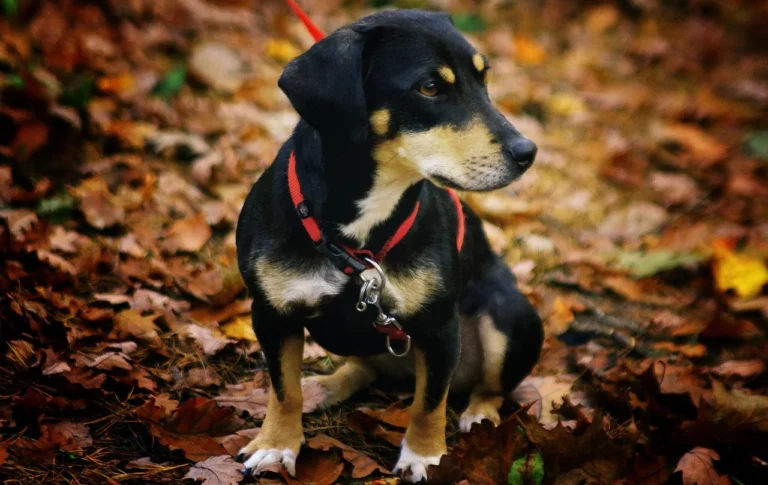
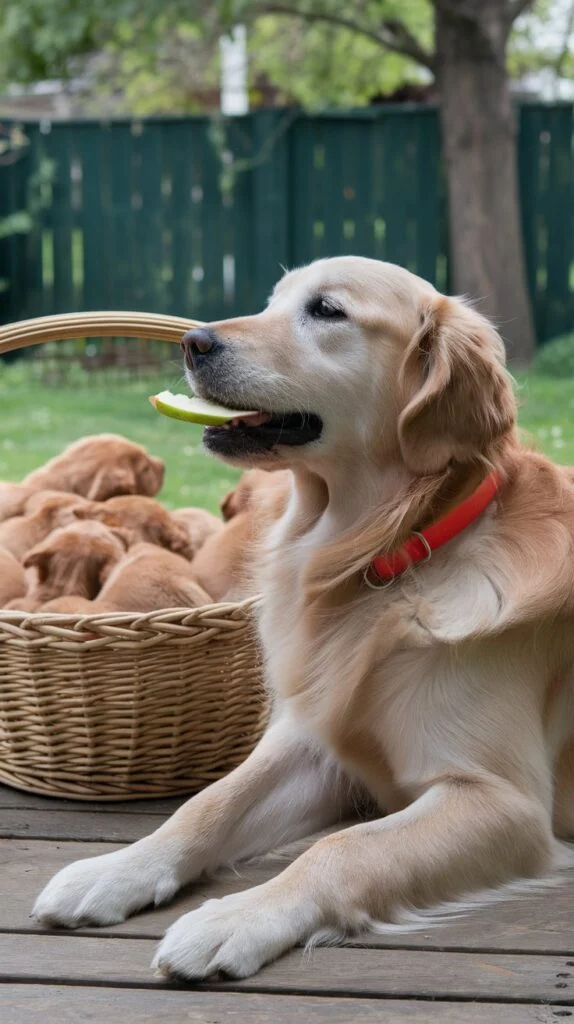
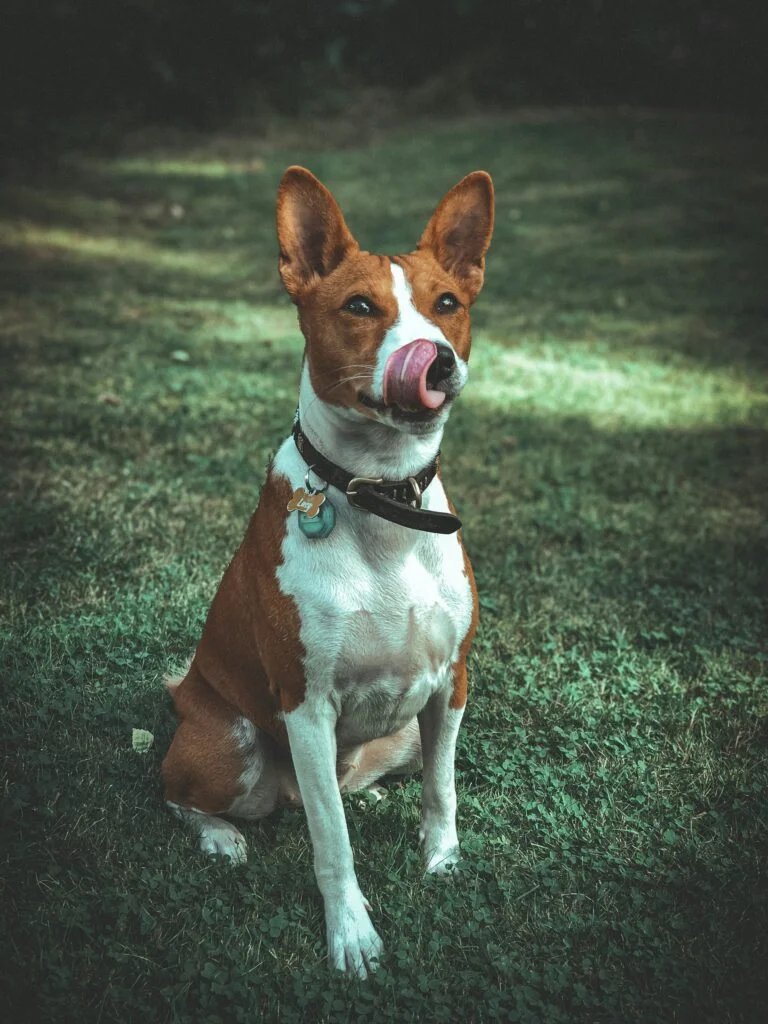
Living with a dog means sharing your daily routine with a companion that is affectionate, playful, and often surprisingly clever. Dogs quickly become part of the family, and their personality shows up in the little things they do every day. While they may not always act like it, many dogs are very capable of learning new behaviors when given the chance.
Save for later
Dogs also enjoy spending time with their owners, and training is one of the best ways to build that connection. When dogs understand what you want and receive praise for it, they become more confident and engaged. This makes daily life smoother and more enjoyable for both of you.
1. The Classic High-Five
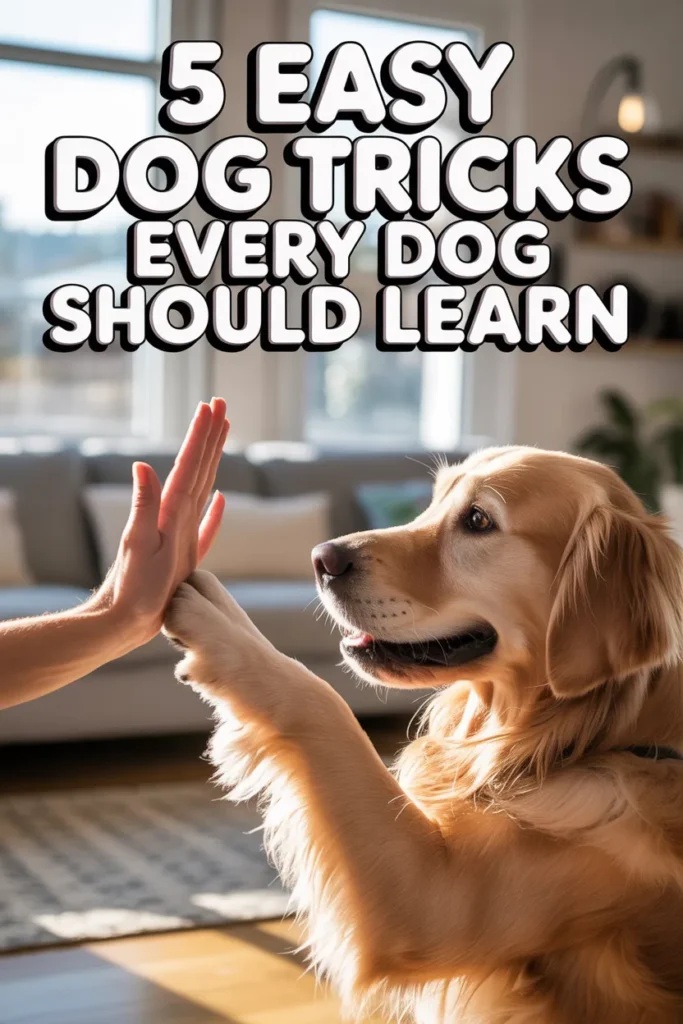
The high-five is one of the easiest and most enjoyable tricks to teach a dog. It creates a playful interaction between you and your pet and is always fun to show friends and family. Many dogs learn this trick quickly because it involves natural paw movement.
This trick also encourages your dog to focus on your hand and respond to simple cues. With repetition and rewards, most dogs can understand the action in a short amount of time.
Benefits of teaching a high-five include:
- Encourages interaction between dog and owner
- Helps improve focus and responsiveness
- Easy for beginners to train
How to Teach It:
Start with your dog sitting calmly so they are focused and ready to learn. When dogs are calm, they are more likely to pay attention to your commands.
Hold a treat in your hand and allow your dog to sniff it so they become interested in your hand. This step keeps them engaged during training.
Raise your hand slightly so your dog reaches toward it with their paw. Most dogs will naturally try to paw at your hand when they want the treat.
As soon as their paw touches your hand, say “high-five” and give them the treat. Over time, they will begin to associate the command with the action and perform it without needing the treat as a guide.
2. Spin in a Circle
Teaching a dog to spin is a playful trick that adds energy and excitement to training sessions. Watching a dog twirl around on command is entertaining and often makes training feel more like a game.
This trick also helps dogs develop coordination and body awareness. It encourages them to pay attention to your hand movements and follow instructions carefully.
Benefits of the spin trick:
- Improves coordination and body control
- Keeps training sessions fun and active
- Easy to combine with other tricks
How to Teach It:
Hold a treat close to your dog’s nose so they stay focused on it. Slowly move the treat in a circular motion around their body.
As your dog follows the treat, their body will naturally begin turning in a circle. Guide the motion smoothly so they complete the movement.
When the circle is complete, say “spin” and reward them with the treat. After repeating this process several times, your dog will begin to recognize the command and perform the trick more confidently.
3. Play Dead (The Dramatic Flop)
Play dead is a fun and dramatic trick that many dog owners enjoy teaching. When a dog drops onto their side on command, it creates a playful and impressive moment that people love to watch.
This trick also teaches dogs to follow movement cues and stay attentive during training. It encourages body movement while reinforcing the importance of listening to commands.
Why this trick is beneficial:
- Encourages body control and flexibility
- Adds variety to training routines
- Creates a fun performance trick
How to Teach It:
Begin with your dog lying comfortably on the floor. Starting from a relaxed position makes the next movement easier for them.
Hold a treat near their nose and slowly move it toward the side of their body. As they follow the treat, their head and body will begin turning.
Once your dog rolls onto their side, say the command such as “play dead” or “bang.” Immediately reward them with praise and a treat so they understand they did the right thing.
With repeated practice, your dog will begin responding to the command without needing the treat to guide their movement.
4. Fetch (Yes, Even for Non-Fetchers)
Fetch is one of the most well-known activities for dogs, but not every dog naturally understands the game. Some dogs chase toys right away, while others need time to learn that bringing the toy back is part of the fun.
Teaching fetch can be very beneficial because it provides exercise and keeps dogs active. It also gives them a productive outlet for their natural energy and playfulness.
Reasons fetch is valuable for dogs:
- Provides physical exercise
- Helps burn off extra energy
- Encourages interactive play
How to Teach It:
Start with a toy that your dog already enjoys playing with. Familiar toys make the training process easier because the dog is already interested in them.
Throw the toy a short distance and encourage your dog to chase it. When they pick it up, call them back using a simple command like “bring it.”
When they return, offer a treat and exchange it for the toy. This teaches them that returning the toy leads to a reward.
With continued practice, many dogs begin bringing the toy back automatically, turning fetch into a fun and reliable game.
5. Roll Over
Roll over is a classic dog trick that many owners enjoy teaching. It shows that a dog can follow a full sequence of movement while paying attention to your guidance.
This trick also improves coordination and body awareness. Dogs learn to shift their weight and follow hand signals while responding to verbal commands.
Benefits of teaching roll over:
- Improves coordination
- Builds patience and focus
- Adds variety to trick training
How to Teach It:
Start with your dog lying down in a comfortable position. This starting point makes the rolling motion easier to perform.
Hold a treat near their nose and slowly move it toward their shoulder. As your dog follows the treat, their body will naturally begin turning.
Continue guiding the treat until your dog completes the roll. When they finish the movement, say “roll over” and reward them with a treat.
Short training sessions work best because they keep dogs engaged without overwhelming them. With regular practice, many dogs learn to perform the trick smoothly and confidently.
Final Thoughts of Dog Tricks You Need to Try
Teaching tricks is a rewarding activity for both dogs and their owners. It provides mental stimulation, encourages positive behavior, and creates meaningful interaction between you and your pet.
Starting with simple tricks helps dogs gain confidence and understand how training works. Over time, they become more comfortable learning new commands and responding to your guidance.
Even if your dog only masters a few tricks, the time spent training together strengthens your bond and creates enjoyable moments. Patience, consistency, and encouragement will help your dog succeed while making the experience fun for both of you. 🐾
All content on this site is written and reviewed by our experienced team to ensure it is accurate, reliable, and helpful for our readers. Our Our Process page explains how we carefully research and create high-quality content, while our Team page introduces the professionals behind our work. We also provide clear guidelines for content or image concerns on our Image Removal page, so you can trust that we prioritize transparency, quality, and reader safety.