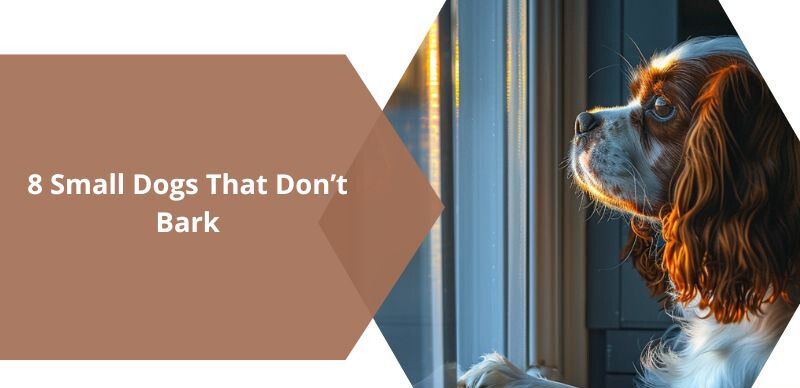
8 Cutest Small Dogs That Don’t Bark
I still remember the first time my neighbor knocked on my door asking — very politely, but clearly at her wit’s end — if I could do something about the barking. My little guy wasn’t even being aggressive; he just had opinions about every pigeon that landed on the windowsill.
That experience sent me down a rabbit hole of researching quieter breeds, and honestly, it changed the way I think about matching dogs to living situations.
Not every dog needs to announce itself to the world, and if you’re in an apartment, working from home, or just someone who values peace, finding a naturally quieter companion makes life so much better for everyone involved.
If you’re looking for a small dog that won’t have your neighbors filing noise complaints, you’re in the right place. In this article, I’m walking you through eight small dog breeds that are known for being naturally quiet, calm, or just plain not big on barking.
From the famously barkless Basenji to the gentle English Toy Spaniel, I’m sharing what makes each breed special, what to expect from training, and who each one is really best suited for.
Key Takeaways
- Some small breeds communicate in completely different ways — through whines, yodels, gestures, or nuzzles — instead of traditional barking
- Quiet doesn’t always mean easy; several of these breeds have independent or sensitive personalities that need thoughtful handling
- Most of these dogs thrive on companionship and don’t do well being left alone for long stretches
- Apartment and urban living genuinely suits many of these breeds, but each one still needs mental stimulation and regular engagement
- Positive reinforcement training works best across nearly every breed on this list
Small Dogs That Don’t Bark
#1 Basenji: The Singing, Barkless Breed
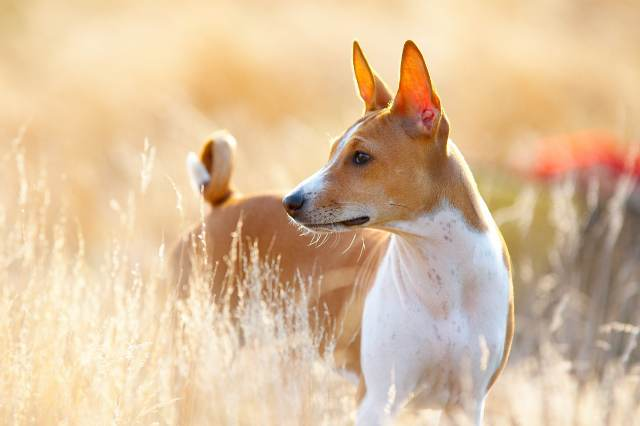
The Basenji is genuinely one of the most fascinating dogs I’ve ever come across, and not just because of the whole not-barking thing.
Instead of a regular bark, they make this quirky yodel-like sound that Basenji owners affectionately call a “barroo.” It’s oddly charming, and once you hear it, you kind of understand why people get hooked on this breed.
They’re sleek, muscular, and carry themselves with a quiet confidence that I find really appealing. That said, they’re also famously independent thinkers, which means training takes patience and consistency rather than just a few weekend sessions.
If you give them enough mental and physical stimulation without overdoing it, they settle in beautifully.
Pro Tip: Basenjis respond much better to short, varied training sessions than long repetitive ones. Keep things interesting and they’ll actually engage with you — try to drill the same command twenty times and you’ll lose them fast.
#2 Cavalier King Charles Spaniel: Royalty in a Compact Form

I have a serious soft spot for Cavalier King Charles Spaniels, and I’ll admit that’s partly because they look like they belong in a Renaissance painting.
Those silky coats, those huge expressive eyes — they’re just genuinely beautiful dogs. But what I love most about them is how they communicate. Instead of barking at everything, they’ll give you a soft little whine when they need something, which feels so much more like a conversation than a demand.
They’re deeply affectionate and honestly thrive on being close to their people. The one thing I always tell new Cavalier owners is to take separation anxiety seriously from the start — these dogs really don’t love being left alone, and addressing that early makes a huge difference.
They respond wonderfully to positive reinforcement and slot into family life like they were born for it.
Pro Tip: If you’re getting a Cavalier and you work long hours, consider pairing them with another pet for company. It genuinely helps with the anxiety side of things and keeps them from getting lonely during the day.
#3 French Bulldog: The Quiet, Comical Companion
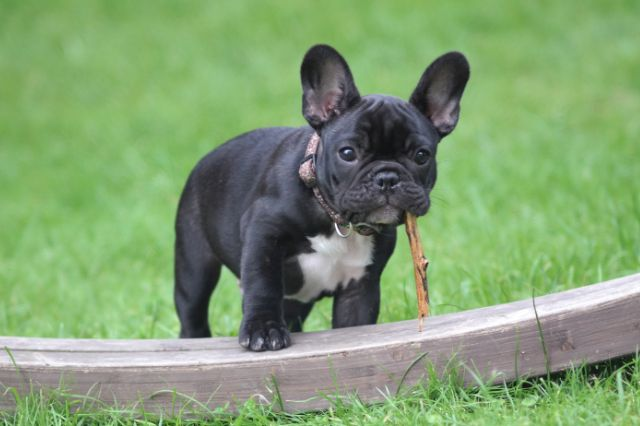
French Bulldogs are the kind of dogs that make you laugh without even trying. Between the bat ears, the snorting, and the way they just plop themselves down wherever they feel like it, they’ve got personality to spare.
What a lot of people don’t realize is that they’re also pretty quiet — Frenchies don’t bark much at all, which makes them surprisingly ideal for apartment living.
They form really strong bonds with their owners and love being involved in whatever you’re doing, even if “whatever you’re doing” is just sitting on the couch watching TV.
They do need consistent training and regular playtime though, because a bored French Bulldog will find their own entertainment, and you might not love what they come up with.
#4 Japanese Chin: Aristocratic Elegance and Serenity
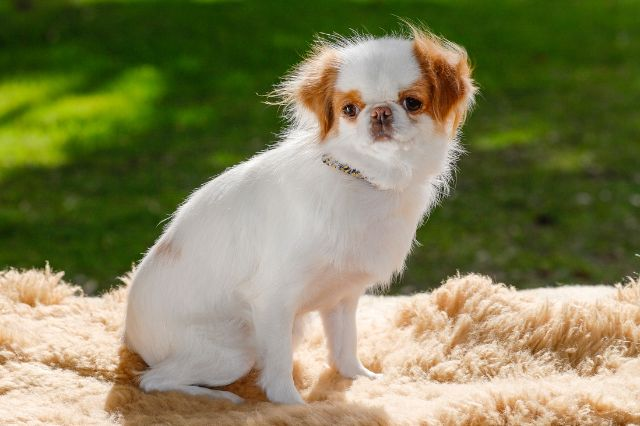
There’s something almost cat-like about the Japanese Chin, and I mean that as a genuine compliment.
They move gracefully, they’re selective with their affection, and they communicate through looks and gestures rather than noise. I’ve met Japanese Chins who could express entire paragraphs with just a tilt of their head — it’s kind of amazing.
They tend to be reserved around strangers, but with their own families they’re incredibly loyal and loving. Gentle, patient training works best for this breed, and they really do best in calm, stable environments.
If your home is chaotic and high-energy, a Japanese Chin might not be the right fit — but if you love quiet companionship and a little elegance in your day, they’re wonderful.
Pro Tip: Never use harsh corrections with a Japanese Chin. They’re sensitive souls and respond to tone far more than most people expect. Keep your voice calm and your praise genuine and they’ll respond beautifully.
#5 Boston Terrier: The American Gentleman

I’ve always thought the Boston Terrier’s nickname — the American Gentleman — is just perfect, because they really do carry themselves with this cheerful, dignified little energy.
Their classic black and white coat only adds to the image. They’re lively and social without being overwhelming, and they don’t tend to be excessive barkers, which makes them a great option for busier households and apartment dwellers.
Boston Terriers genuinely love being part of the family action and they’re particularly sweet with kids. They’re smart dogs, so training needs to stay engaging and consistent — if they get bored with repetition they’ll just mentally check out on you.
Keep their minds active and their energy channeled, and they’re an absolute joy to live with.
#6 Italian Greyhound: Sleek, Quiet, and Affectionate
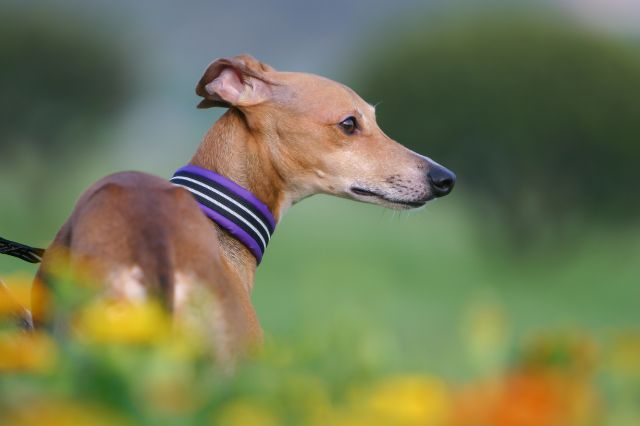
If you’ve ever wanted a dog that looks like a living sculpture, the Italian Greyhound might be your match. They’re slender and graceful and they move with this effortless elegance that I find genuinely beautiful to watch. They’re also one of the quietest breeds I know of — barking just isn’t really their thing.
What they do instead is bond intensely with their person, following them around and communicating through eye contact and gentle little nudges.
They need moderate exercise — enough to stay healthy and happy, but nothing too intense given how fine-boned they are. Patient, gentle training suits them best, and they do really well in calm, loving homes.
Pro Tip: Italian Greyhounds get cold easily, so if you live somewhere with cool winters, a little dog sweater isn’t just adorable — it’s actually practical and keeps them comfortable on walks.
#7 Chinese Crested: Distinctive Looks and Quiet Nature
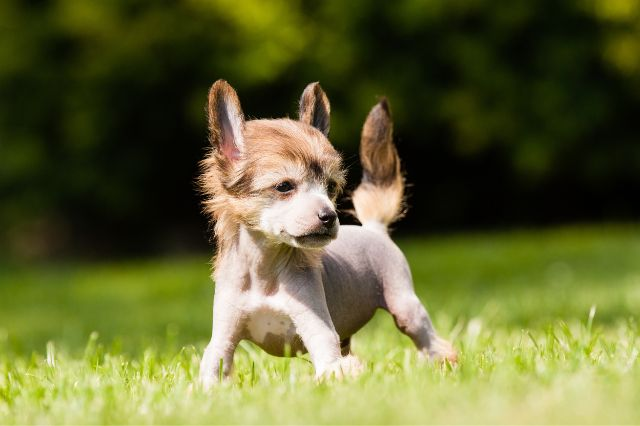
The Chinese Crested is one of those dogs that you either fall completely in love with the moment you see them, or you do a double take.
Whether you go with the hairless variety or the fluffy Powderpuff, they’re absolutely unique looking and I personally think they’re wonderful. What I love most about them is how deeply they connect with their humans — they live for interaction and closeness.
They’re rarely big barkers, preferring to just observe quietly or give you a gentle nudge when they want attention. They’re smart and respond really well to positive reinforcement training.
Because of their minimal exercise needs and love of indoor life, they’re honestly one of the best options out there for people in smaller living spaces.
#8 English Toy Spaniel: A Noble, Gentle Companion

The English Toy Spaniel — sometimes called the King Charles Spaniel — has this beautiful old-world charm about them that I find completely irresistible.
They’ve been companions to royalty for centuries, and you can kind of tell just by watching them move through a room. They’re quiet, affectionate, and their preferred way of showing love is through nuzzles rather than noise.
They get along wonderfully with children and other pets, and they really do thrive in gentle, peaceful homes. Positive reinforcement is absolutely the way to go with this breed — they’re eager to please when you approach training with warmth and patience.
If you want a small dog with real dignity and a genuinely quiet nature, the English Toy Spaniel is a strong contender.
Pro Tip: English Toy Spaniels can be prone to a few health issues, so regular vet checkups and finding a reputable breeder are really important steps before bringing one home.
All content on this site is written and reviewed by our experienced team to ensure it is accurate, reliable, and helpful for our readers. Our Our Process page explains how we carefully research and create high-quality content, while our Team page introduces the professionals behind our work. We also provide clear guidelines for content or image concerns on our Image Removal page, so you can trust that we prioritize transparency, quality, and reader safety.