Turkey Meatloaf for Dogs (Hearty Homemade Meal Your Pup Will Devour)
I realized one Sunday that I was cooking for everyone in my house except my dog—and that didn’t feel right. So I started making a simple, dog-safe meatloaf using turkey, beef, and vegetables. It turned out to be easy, nutritious, and something my dog genuinely looks forward to.
Save For Later

This recipe is made without harmful ingredients like onions or garlic, uses real whole foods, and can be prepped in under an hour. I also learned that homemade meals like this can support digestion, improve coat health, and give better control over what my dog eats.
In this guide, I’m sharing exactly how I make it, how I store it, portion it, and even tweak it based on my dog’s needs.
Key Takeaways
- I use simple, dog-safe ingredients with no harmful additives
- Cooking at home gives me full control over nutrition
- This recipe provides protein, fiber, and essential vitamins
- It’s perfect as a meal topper or occasional full meal
- I can store it for days or freeze for months
- Portion size depends on weight, activity level, and age
Introduction
Sunday dinners at my place always feel special, and my dog is always right there waiting. One day, it hit me—I was feeding everyone except him something fresh and homemade.
So I decided to make a separate meatloaf just for him using ingredients I already had. Surprisingly, it didn’t take extra effort, and now it’s become part of my routine. Honestly, I’ve seen how excited he gets, and that alone makes it worth it.
Turkey Meatloaf for Dogs Recipe
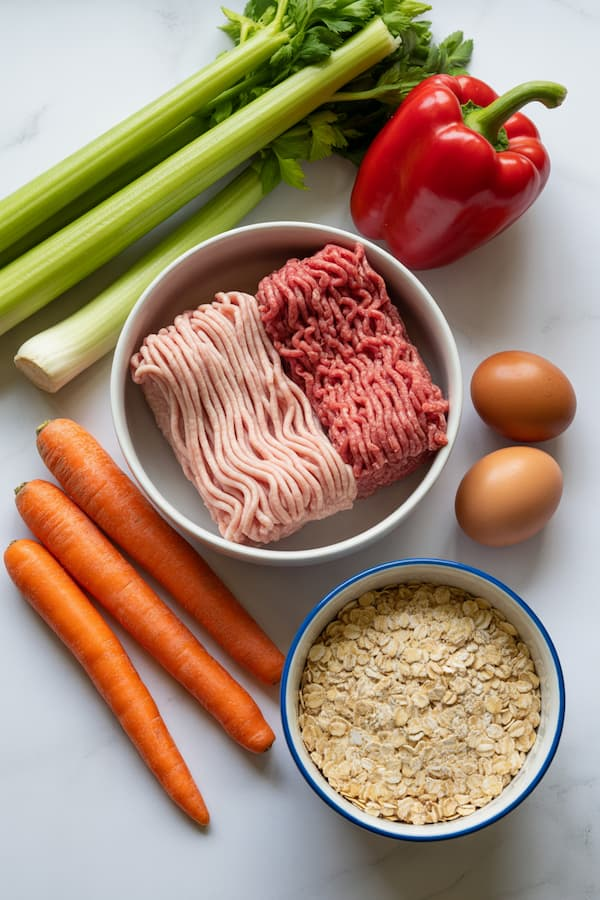
Ingredients
| Ingredient | Amount |
|---|---|
| Ground turkey | 1 lb |
| Ground beef | 1 lb |
| Celery (finely diced) | 1 stalk |
| Red bell pepper (finely diced) | 1 |
| Carrots (grated) | 2 small |
| Eggs | 2 |
| Oats | ½ cup |
Safety Note: I always make sure to avoid onions, garlic, excess salt, or anything toxic. Keeping it simple is what makes this safe and effective.
Step-by-Step Meatloaf Instructions
Step 1: Get Your Oven and Pan Ready
I start by preheating my oven to 350°F (175°C). While that’s heating, I line my loaf pan with parchment paper so I don’t deal with sticking later. If I’m out of parchment, I just grease it lightly with oil.
Step 2: Prep Your Vegetables
I grate the carrots finely so they cook properly and are easier to digest. Then I chop the celery and bell pepper into small pieces. Smaller cuts help everything blend better and cook evenly.
Step 3: Combine the Meat and Eggs
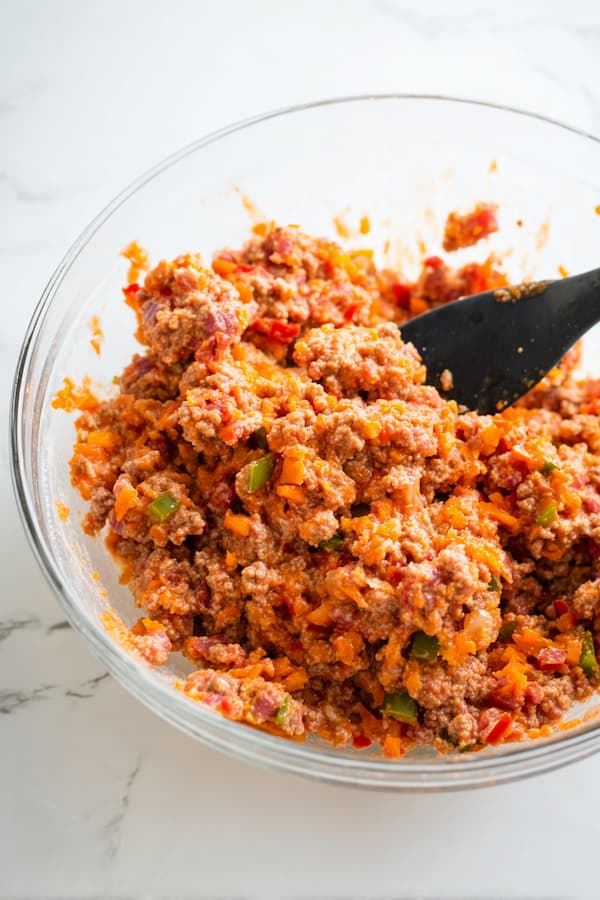
I add both meats into a large bowl and crack in the eggs. Mixing by hand works best for me because I can feel when everything is evenly combined.
Pro Tip: Overmixing can make the texture dense, so I stop once it’s just combined.
Step 4: Add Vegetables and Oats
Next, I add all the vegetables and oats. I mix until everything is spread evenly throughout the meat. The oats help hold everything together and add fiber.
Step 5: Fill Your Loaf Pan
I transfer the mixture into the pan and press it down firmly to remove air pockets. A smooth, even top helps it cook more consistently.
Step 6: Bake to Safe Temperature
I bake it for about 50–60 minutes and always check that the internal temperature reaches 165°F. This is important because undercooked meat can be risky for dogs.
Step 7: Cool Before Serving
After baking, I let it rest for about 10 minutes. Then I take it out and allow it to cool completely. Serving it too hot can upset a dog’s stomach.
Storage and Serving Guidelines
Refrigerator Storage (5 Days)
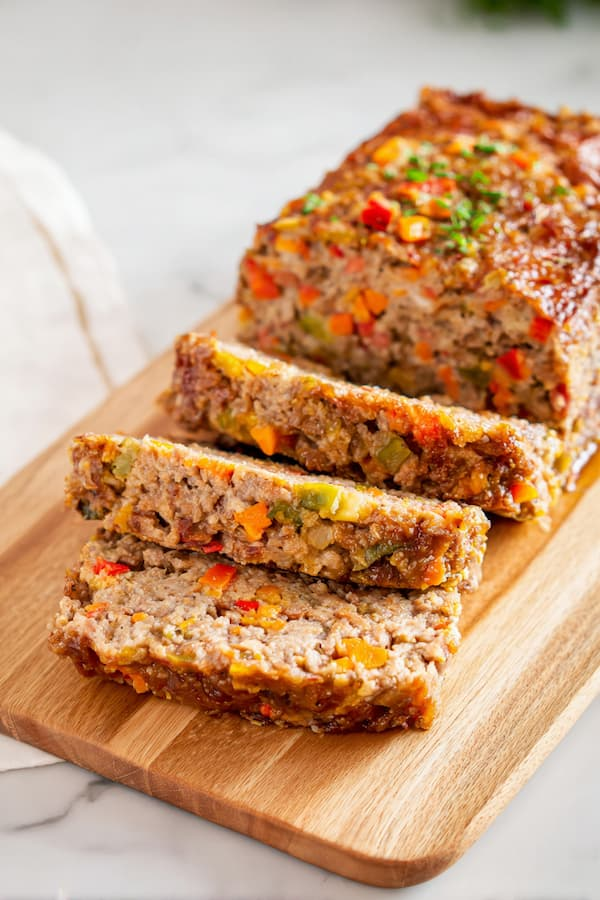
I usually slice it into portions and store it in an airtight container. It stays fresh for up to 5 days, which makes weekly meal prep easier.
Freezer Storage (Up to 3 Months)
For longer storage, I wrap individual slices and freeze them. This saves time on busy days.
Serving Temperature
I always serve it slightly warm or at room temperature. Heating it too much can destroy nutrients and burn your dog’s mouth.
Portion Sizes by Dog Weight
| Dog Weight | Serving Size | Frequency |
|---|---|---|
| 5–15 lbs | 2–3 oz | 1–2x/week |
| 16–30 lbs | 4–5 oz | 2–3x/week |
| 31–50 lbs | 6–8 oz | 2–3x/week |
| 51–70 lbs | 8–10 oz | 3–4x/week |
| 71+ lbs | 10–12 oz | 3–4x/week |
From my experience, these are just starting points. I always adjust based on my dog’s energy and weight.
Nutritional Benefits
High-Quality Protein from Multiple Sources
Using both turkey and beef gives a better amino acid profile. Protein supports muscle strength and overall health. Dogs typically need 18–25% protein in their diet, and this recipe helps meet that.
Vitamin A from Carrots
Carrots are a great source of beta-carotene. I’ve noticed they help with my dog’s coat shine and eye health over time.
Antioxidants from Bell Peppers
Bell peppers provide vitamins C and E. These support immunity and help reduce inflammation, especially in active dogs.
Fiber from Oats and Vegetables
The oats and veggies improve digestion. I’ve personally seen fewer stomach issues after adding fiber-rich meals like this.
Recipe Customization Tips
Different Meat Options
Sometimes I switch to chicken or use only turkey for a leaner option. Novel proteins like venison can help dogs with allergies.
Alternative Pan Methods
If I don’t use a loaf pan, I shape it by hand and bake it on a tray. This also helps reduce excess fat.
Vegetable Variations
I often rotate veggies like zucchini or spinach. This keeps meals interesting and adds different nutrients.
Individual Portions
Making smaller portions in a muffin tray is something I do when I want quick, ready-to-serve meals. It also reduces waste.
Frequently Asked Questions
Is this a complete and balanced meal for my dog?
From what I’ve learned, it’s nutritious but not fully balanced for long-term feeding. I use it as a topper or occasional meal.
My dog has a sensitive stomach—is this safe?
In my experience, this recipe is gentler than processed foods. Still, I introduce it slowly to avoid digestive issues.
Can I add supplements or vitamins?
If I plan to feed it often, I consider adding supplements—but I always check with a vet first.
Wrap Up of Turkey Meatloaf for Dogs
Now, whenever I cook, I make sure my dog isn’t left out. Preparing this meatloaf has made feeding feel more intentional and personal.
What I like most is knowing exactly what goes into his food—no fillers, no unknown ingredients. It’s simple, healthy, and honestly, it’s become a small but meaningful part of how I care for him every day.
All content on this site is written and reviewed by our experienced team to ensure it is accurate, reliable, and helpful for our readers. Our Our Process page explains how we carefully research and create high-quality content, while our Team page introduces the professionals behind our work. We also provide clear guidelines for content or image concerns on our Image Removal page, so you can trust that we prioritize transparency, quality, and reader safety.