Butternut Squash Dog Treats (Fall-Inspired Bites Your Pup Will Adore)
Last fall, I found myself with leftover roasted butternut squash sitting in my fridge for days. Every time I opened the door, I kept thinking I should do something with it but nothing came to mind.
Then my dog walked into the kitchen, watching me like she always does during cooking time, and that’s when it clicked.
I decided to turn that leftover squash into homemade dog treats and honestly, it turned out to be one of the best decisions I’ve made for her diet and happiness.
Key Takeaways
- Butternut squash is rich in fiber, vitamin A, and antioxidants that support dog health
- These treats use only 4 simple, dog-safe ingredients
- Naturally sweet with no added sugar or artificial ingredients
- Easy to digest and suitable for most dogs, including those with sensitive stomachs
- Treats should not exceed 10% of your dog’s daily calorie intake
- I always recommend storing extras properly to maintain freshness and safety
Why These Treats Deserve a Spot in Your Kitchen
Seasonal Ingredient, Year-Round Benefits
From my experience, butternut squash isn’t just a fall ingredient—it’s a nutritional powerhouse you can use all year. Whether fresh or frozen, it delivers consistent health benefits. It’s especially helpful for digestion, which is something many dog owners struggle with.
Natural Sweetness Without Sugar
Dogs naturally enjoy slightly sweet flavors. The combination of squash and applesauce gives these treats a pleasant taste without adding sugar. I personally avoid any artificial sweeteners because even small amounts can harm dogs.
Simple Four-Ingredient Formula
I prefer keeping things simple when it comes to dog treats. With just four ingredients, you know exactly what your dog is eating—no fillers, preservatives, or hidden additives.
Butternut Squash Dog Treats Recipe
Ingredients
- 1 cup butternut squash (cooked and mashed)
- ½ cup unsweetened applesauce
- 3 cups oat flour
- 2 large eggs
Squash Preparation Options: I’ve used both fresh and frozen squash. Fresh gives a richer flavor, while frozen is quick and convenient—both work perfectly fine.
Step-by-Step Treat-Making Instructions
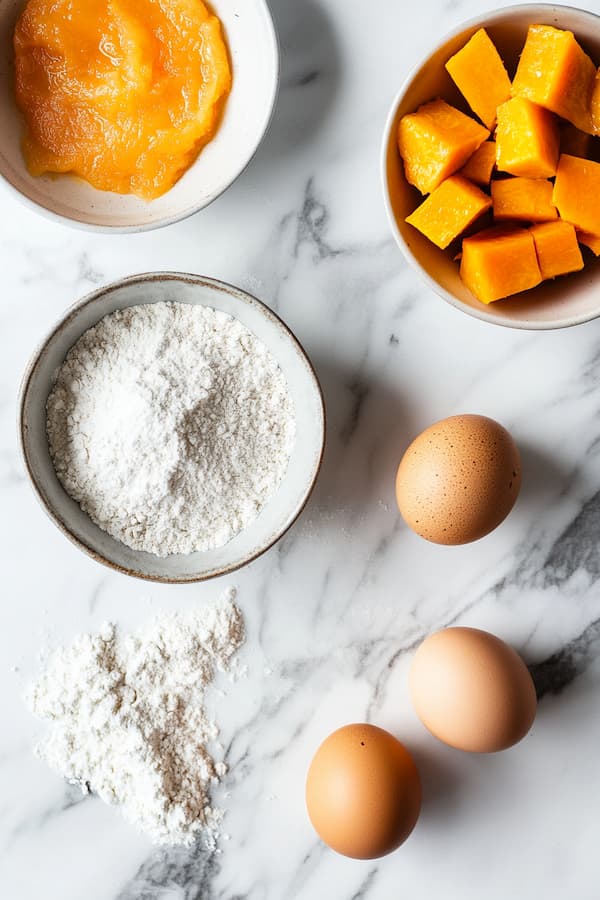
Step 1: Prepare Your Butternut Squash
If using fresh squash, peel, remove seeds, and cook until soft by boiling (15–20 minutes) or roasting (30–40 minutes at 400°F). If using frozen, thaw completely until mashable.
Step 2: Set Up Your Baking Station
Preheat your oven to 350°F (175°C). Line a baking tray with parchment paper and prepare your workspace.
Step 3: Blend the Butternut Squash
Mash or blend the squash until smooth or slightly chunky. I usually keep a bit of texture—it works just fine.
Step 4: Combine the Wet Ingredients
Mix squash, applesauce, and eggs in a bowl until well combined.
Step 5: Create the Dough
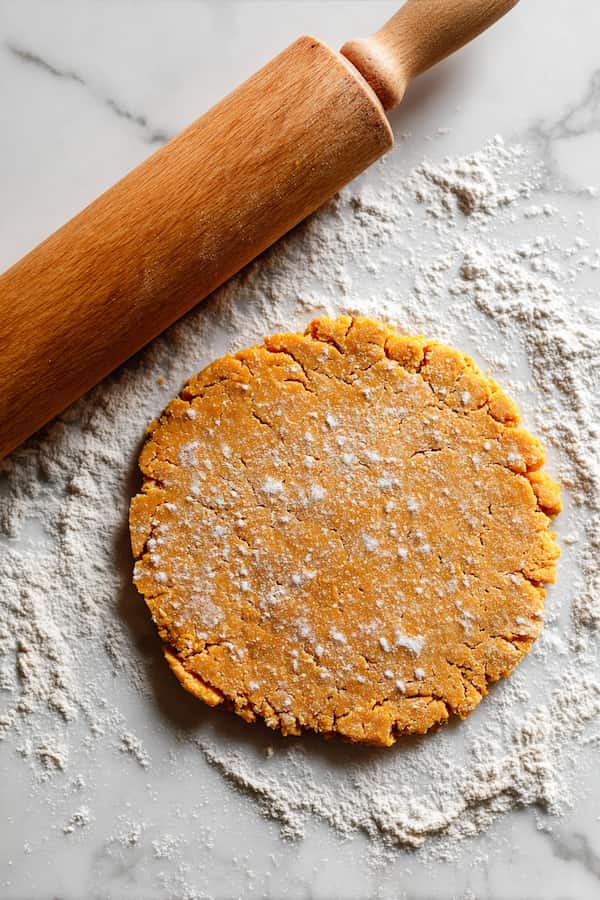
Add oat flour gradually and mix until a soft dough forms. If it feels too sticky, I add a little more flour; if too dry, a splash of water helps.
Step 6: Roll Out Your Dough
Roll the dough to about ¼ inch thickness. Lightly dust your surface to prevent sticking.
Step 7: Cut Your Treat Shapes
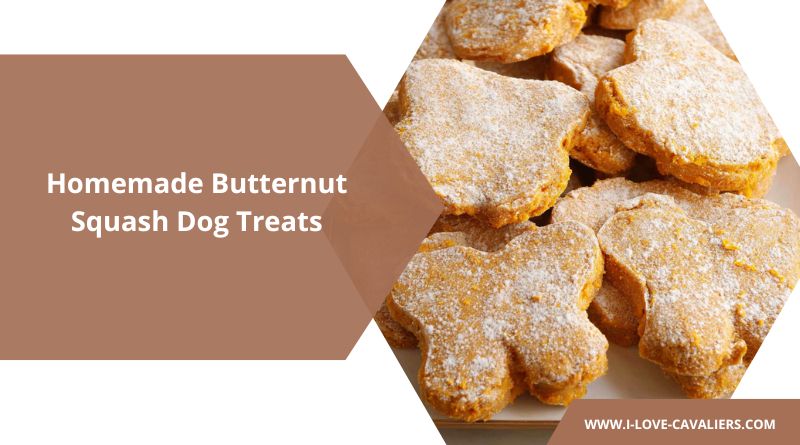
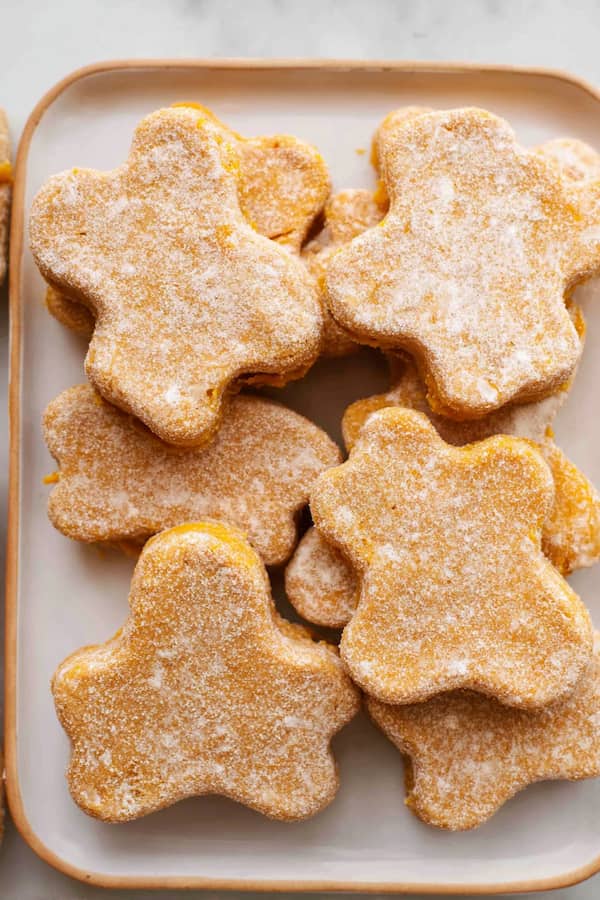
Use cookie cutters to shape the treats. I love making seasonal shapes—it just adds a fun touch.
Step 8: Bake Until Firm
Bake for 12–15 minutes until firm. Let the treats cool completely so they harden properly.
Storage Recommendations
Room Temperature Storage (1–2 Weeks):
Store in an airtight container once fully cooled.
Refrigerator Storage (3–4 Weeks):
Helps extend freshness, especially in warmer climates.
Freezer Storage (Up to 3 Months):
I often freeze batches to save time and always have treats ready.
Serving Guidelines by Dog Size
- Small dogs (5–15 lbs): 2–3 treats daily
- Medium dogs (16–50 lbs): 3–5 treats daily
- Large dogs (50+ lbs): 5–8 treats daily
Important Tip: According to veterinary guidelines, treats should make up no more than 10% of a dog’s daily calories. With over 50% of dogs being overweight globally, portion control is critical.
Nutritional Benefits of the Treats
Vitamin A from Butternut Squash
Butternut squash is loaded with beta-carotene, which converts into vitamin A. This supports vision, immune health, and skin condition. I’ve personally noticed improved coat shine when incorporating similar ingredients regularly.
Digestive Fiber
Both squash and applesauce provide fiber that helps regulate digestion. Fiber is especially useful if your dog occasionally experiences constipation or loose stools.
Antioxidants for Immune Support
Butternut squash contains antioxidants like vitamin C and manganese, which help reduce inflammation and support overall health.
Frequently Asked Questions
Can I use canned butternut squash?
Yes, but only if it’s 100% pure squash with no added salt, sugar, or spices.
Can I substitute regular flour for oat flour?
Yes, whole wheat or all-purpose flour works. I prefer oat flour because it’s easier to digest and naturally gluten-free.
Can puppies eat butternut squash?
Yes, in small amounts. I always introduce new foods gradually to avoid digestive upset.
Are these safe for dogs with sensitive stomachs?
In my experience, these treats are gentle and well-tolerated due to their simple, natural ingredients.
Final Thoughts
Now, every time I cook butternut squash, I automatically make extra for my dog. It’s become part of our seasonal routine, and honestly, she gets just as excited about these treats as I do about fall recipes.
Making homemade treats like this gives me peace of mind because I know exactly what goes into them. It’s a simple way to improve your dog’s diet while also creating little moments of joy.