Homemade Puppy Food: Vet-Approved Recipes for Healthy Growth
When I brought my puppy home, I wanted to give them the best possible start. I kept seeing warnings about how tricky homemade puppy food can be, which honestly made me nervous. But after speaking with my vet and doing proper research, I realized it’s absolutely doable—if done the right way.
Save For Later
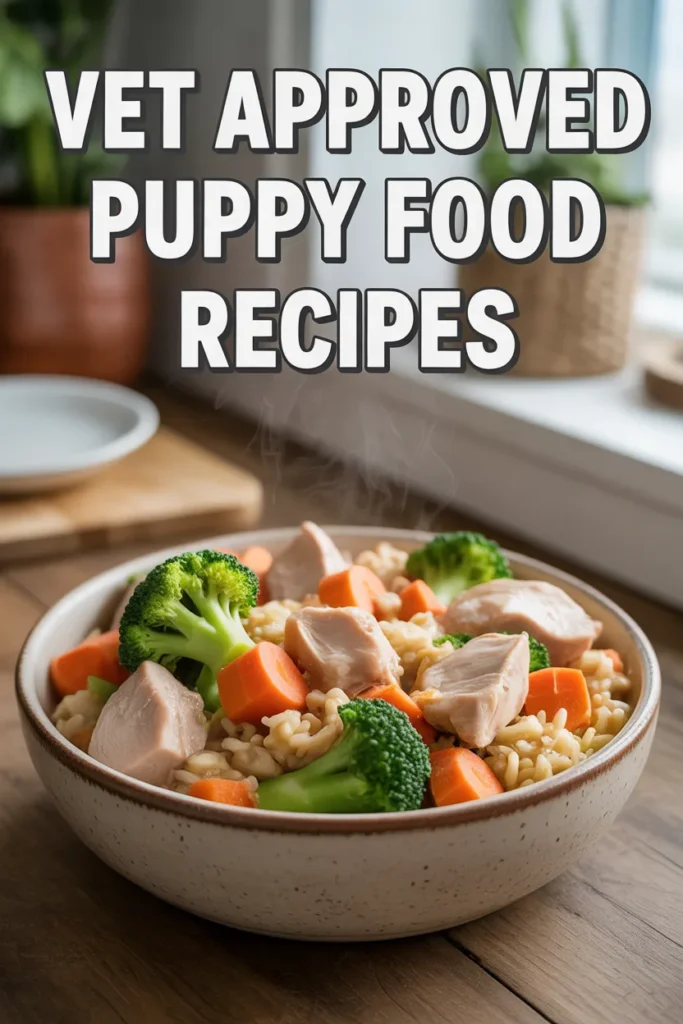
In this guide, I share exactly how I safely feed my puppy homemade food without risking their growth. I cover two vet-approved recipes, the key nutrients puppies actually need, and the supplements I personally rely on to make meals complete. I also explain feeding portions, storage tips, and how I monitor my puppy’s progress to ensure healthy development.
Key Takeaways
- Puppies need more protein, fat, and precise calcium balance than adult dogs
- Homemade food is safe only when paired with proper supplements
- Vet guidance is essential for growth tracking and adjustments
- Consistency and portion control directly impact development
- Recipes must include DHA, vitamins, and balanced minerals
Why Puppies Need Different Nutrition
I quickly learned that puppies are not just smaller versions of adult dogs. Their bodies are growing fast—bones, muscles, and organs all developing at once. Because of this, they need more calories and a very specific nutrient balance.
From what I’ve seen and confirmed with my vet, puppies need around 22–32% protein and higher fat levels (8–20%) for energy. Calcium is especially critical, but too much can harm large breed puppies. This balance is why I never skip proper supplementation.
Before You Start: Important Guidelines
Before I switched to homemade food, I made sure to consult my vet. That step alone gave me confidence and helped avoid common mistakes many owners make.
I also weigh my puppy weekly. Studies show that steady growth—not rapid weight gain—reduces joint problems later in life. I always transition food slowly over 7–10 days to avoid stomach issues, and once I start a routine, I stick to it for consistency.
Pro tip: I track my puppy’s weight and body condition in a simple weekly log—it helps catch issues early.
Recipe 1: Chicken & Brown Rice Puppy Power Bowl
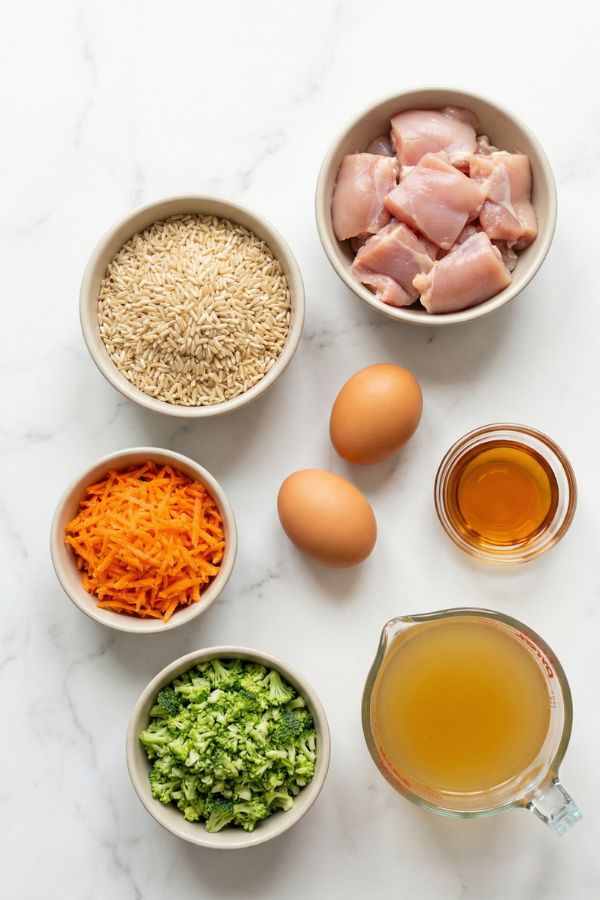
This is the first recipe I used because it’s gentle on digestion and works well for most puppies. It provides balanced protein, carbs, and essential fats.
Why These Ingredients:
I prefer chicken thighs over breast because puppies need extra fat for energy. Brown rice gives steady energy, while vegetables like carrots and broccoli add fiber and antioxidants. Eggs (including shell powder) help with natural calcium intake, and fish oil supports brain development.
My Experience Making It
I keep the texture soft and slightly moist so my puppy can eat comfortably. I noticed that smaller, finely chopped pieces improved digestion and reduced leftover food.
Pro tip: Slightly warm food improves appetite—cold food often gets ignored.
Serving Guidelines for Growing Puppies
From my experience, feeding frequency matters just as much as portion size. Younger puppies need 3–4 meals daily, while older ones can move to 2 meals.
I follow general portion ranges but always adjust based on body condition. A healthy puppy should have ribs that are easy to feel but not clearly visible.
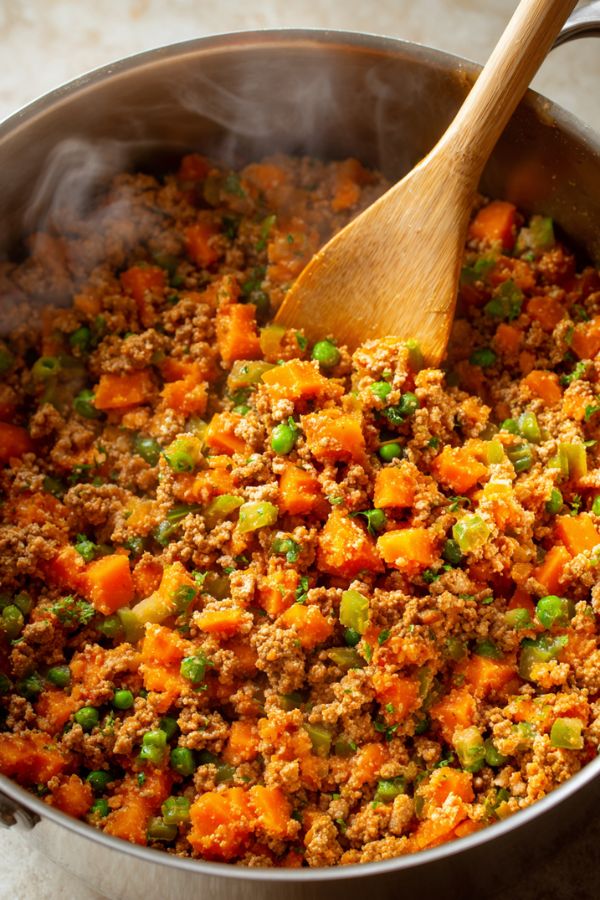
Recipe 2: Beef & Sweet Potato Growth Formula
I use this recipe when my puppy is more active or going through a growth spurt. It’s higher in calories and supports energy needs.
Why These Ingredients:
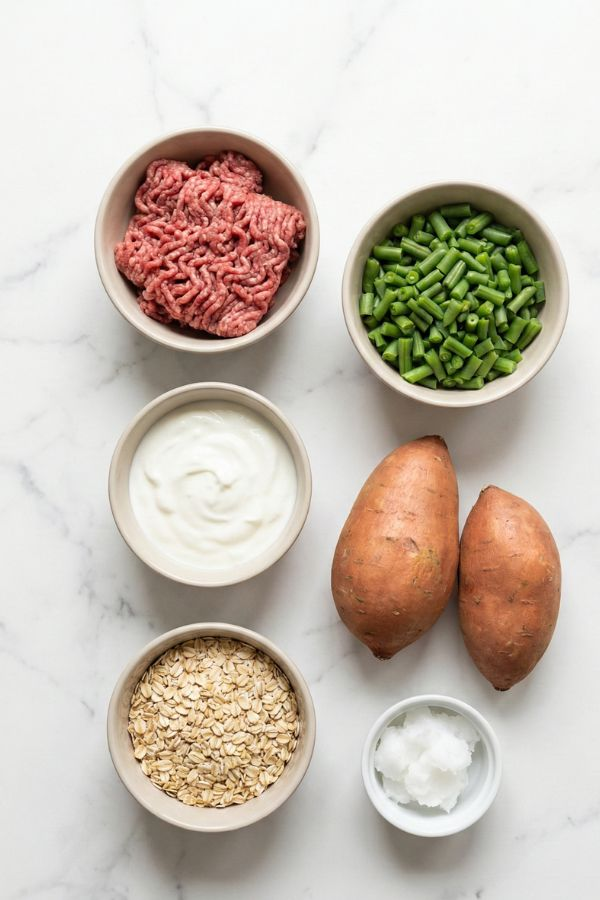
Beef gives iron and zinc, which support immune health. Sweet potatoes are easy to digest and rich in beta-carotene. I like adding Greek yogurt because it improves gut health with probiotics.
My Experience Making It
This recipe has a creamier texture, which my puppy enjoys more. I’ve noticed better stool consistency when I include yogurt regularly.
Pro tip: For active puppies, this recipe helps maintain energy without overfeeding.
Serving Guidelines
This recipe is more calorie-dense, so I always monitor weight closely. Overfeeding can stress joints, especially in larger breeds.
Pro Tips for Both Recipes
From my routine, a few things made a big difference:
- I adjust texture based on age—softer for younger puppies
- I always serve food at room temperature
- Fresh water is available all day
- I never leave uneaten food sitting for too long
Making It Complete: The Supplement Question
Here’s the honest truth I learned: homemade food alone is not enough for puppies. Even high-quality ingredients don’t provide exact nutrient ratios needed for growth.
Commercial foods meet AAFCO standards, which ensure proper calcium-to-phosphorus balance. When I cook at home, I rely on supplements to match that level of nutrition.
The Supplement I Use for Puppies
After testing different options, I personally use a complete homemade dog food supplement recommended by my vet.
What I like most:
- It fills nutritional gaps with 20+ essential vitamins and minerals
- Maintains proper calcium ratios (critical for bone health)
- Helps match commercial food standards
- Saves money compared to premium kibble
Pro tip: I always add supplements after cooking—heat can destroy nutrients.
Other Quality Supplement Options
I’ve also explored alternatives that work well depending on budget and needs. Some are better for digestive support, while others simplify meal prep with pre-balanced formulas.
Essential Additional Supplements
Besides a full multivitamin, I also include:
- Fish oil: Supports brain and eye development (rich in DHA)
- Probiotics: Improve digestion and immune health
From what I’ve seen, puppies on probiotics tend to have firmer stools and fewer digestive issues.
How to Use Supplements Correctly
Consistency is key. I never skip doses because even small gaps can affect growth over time.
I also adjust dosage every few weeks as my puppy gains weight. Over-supplementing—especially calcium—can be harmful, so I always follow exact guidelines.
Working With Your Vet
I schedule regular vet checkups every 4–6 weeks during early growth. This helps confirm everything is working properly.
My vet checks:
- Weight gain trends
- Coat and skin health
- Bone development indicators
This step gives me peace of mind that my feeding plan is on track.
Kitchen Equipment That Makes Puppy Food Prep Easy
Batch cooking saves me time every week. I rely on:
- A food processor for proper texture
- A kitchen scale for accurate portions
- A large pot for bulk cooking
These tools make the process faster and more consistent.
Storage Best Practices for Puppy Food
Proper storage is something I take seriously to avoid bacteria.
- I refrigerate food for up to 3–4 days max
- Freeze extra portions for up to 2 months
- Always thaw in the fridge—not at room temperature
Pro tip: I label every container with the date to avoid confusion.
Signs Your Puppy Is Thriving on Homemade Food
Within a few weeks, I noticed clear improvements:
- Shiny coat and healthy skin
- Consistent energy levels
- Firm stools
- Strong appetite
These are strong indicators that the diet is working well.
Transitioning to Adult Food
As my puppy grows, I gradually adjust their diet. Most dogs transition between 12–18 months, depending on breed size.
I slowly switch from puppy supplements to adult formulas over 7–10 days while keeping recipes mostly the same.
Conclusion
From my experience, feeding homemade puppy food is one of the most rewarding things I’ve done. It gives me full control over ingredients and ensures my puppy gets fresh, high-quality meals.
The key is doing it right—following balanced recipes, using proper supplements, and staying consistent. When I combine all three, I feel confident that I’m supporting my puppy’s growth the best way possible.
All content on this site is written and reviewed by our experienced team to ensure it is accurate, reliable, and helpful for our readers. Our Our Process page explains how we carefully research and create high-quality content, while our Team page introduces the professionals behind our work. We also provide clear guidelines for content or image concerns on our Image Removal page, so you can trust that we prioritize transparency, quality, and reader safety.