Cavalier King Charles Spaniel Excessive Panting: Is it Normal?
I’ve seen my Cavalier pant many times, and I know how confusing it can feel. Sometimes it’s completely normal—like after play or during hot weather—but other times, it can signal something more serious.
Save For Later
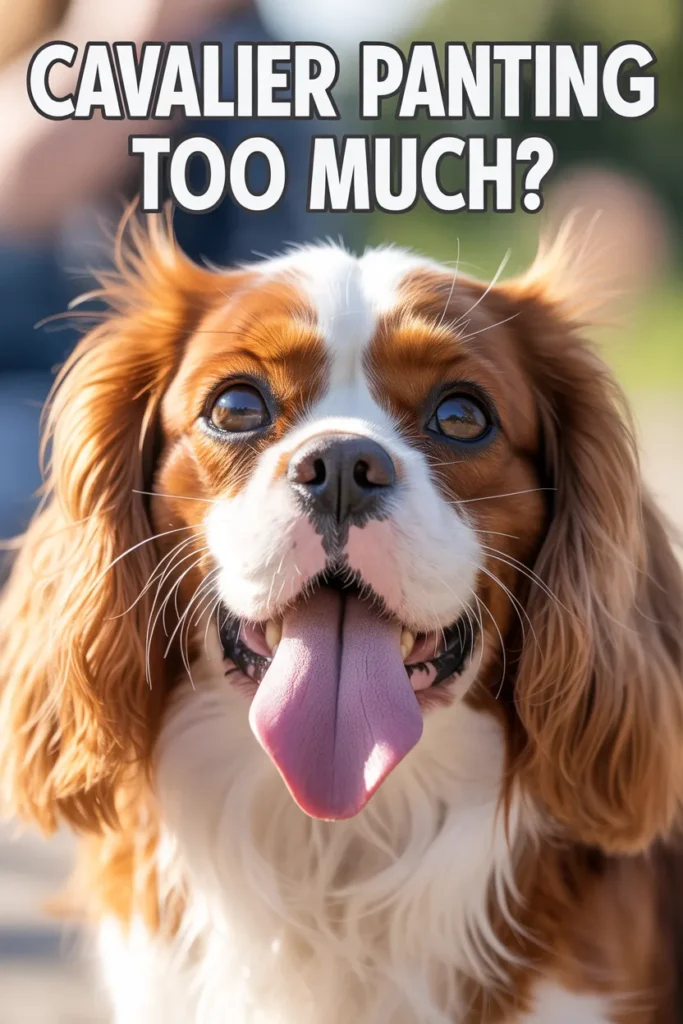
From my experience and what vets recommend, the key is understanding the difference between healthy panting and excessive panting at rest. In this guide, I’ll walk you through normal breathing rates, common harmless reasons, and real health concerns you should never ignore.
Key Takeaways
- A healthy resting breathing rate is 15–25 breaths per minute
- Panting after exercise, heat, or excitement is normal
- Panting at rest (especially above 30 breaths/min) is a warning sign
- Cavaliers are prone to heart and breathing issues, so early detection matters
- Symptoms like lethargy, fainting, or gum color changes need urgent vet care
What is a Normal Resting Breathing Rate for Cavaliers?
From what I’ve observed, a calm and resting Cavalier usually breathes 15 to 25 times per minute. Puppies tend to breathe faster, sometimes close to 30 breaths per minute, which is still within a safe range.
I always check breathing when my dog is asleep because that gives the most accurate baseline. If the rate goes beyond 30 while resting, I take it seriously.
Pro tip: I always count my Cavalier’s breathing while asleep—if it consistently goes over 30 breaths per minute at rest, I treat it as an early warning sign and act quickly.
How Do I Measure the Breathing Rate of My Cavalier?
I keep it simple. I watch my dog’s chest rise and fall for 30 seconds, then multiply that number by two.
One thing I’ve learned the hard way—don’t measure right after play, during heat, or stressful moments. Those situations naturally increase breathing, so the reading won’t be accurate.
Normal Causes of Panting in Cavalier King Charles Spaniels
Panting As a Cooling Mechanism
Dogs don’t sweat like we do, so panting is their main way to cool down. I notice my Cavalier pants more after walks or on warm days, which is completely normal.
In fact, studies show dogs release heat primarily through their respiratory system, making panting essential for temperature control.
Excitement-Driven Panting
Whenever my dog gets excited—like during playtime or when I grab treats—panting increases instantly.
This kind of panting usually comes with wagging, whining, or zoomies. I’ve learned it’s nothing to worry about; it’s just how they express happiness.
Heat in Dogs
If your Cavalier is female, you may notice more panting during her heat cycle. I’ve seen changes like low energy and reduced appetite during this phase too.
Hormonal shifts can affect breathing patterns slightly, but it should still stay within a reasonable range.
Health-Related Causes Behind Excessive Panting in Cavalier King Charles Spaniels
Fear and Anxiety Related Panting
I remember one of my dogs acting completely different during thunderstorms—pacing, panting, and refusing to settle.
Panting caused by anxiety usually comes with other signs like trembling, hiding, or excessive licking. According to behavior studies, noise-related anxiety affects up to 30–40% of dogs, so it’s more common than many think.
Heatstroke
This is something I never take lightly. Cavaliers are especially sensitive to heat, and overheating can happen quickly.
I always avoid walks during peak heat and carry water. Heavy panting, drooling, and weakness can quickly turn into an emergency if not addressed.
Fever
When my dog once had a fever, panting was one of the first signs I noticed.
A dog’s normal temperature is around 100–102.5°F (37.7–39.2°C). If panting is combined with shivering or low energy, I check temperature or call my vet.
Obesity
I’ve seen overweight dogs struggle more with breathing. Extra weight puts pressure on their lungs, making them pant more even with minimal activity.
Keeping a Cavalier at a healthy weight can reduce breathing issues significantly.
Pain
One thing I’ve learned is that dogs don’t always show pain clearly—but panting is often a clue.
If panting comes out of nowhere and your dog seems uncomfortable, restless, or less active, I treat it as a red flag.
Poisoning
Toxic exposure can affect breathing fast. Panting along with vomiting or diarrhea is something I never ignore.
In such cases, immediate vet care can make the difference between recovery and serious complications.
Mitral Valve Disease
This is one of the biggest concerns with Cavaliers. I always keep this in mind because it’s very common in the breed.
Research shows around 50% of Cavaliers develop Mitral Valve Disease by age 5, which can lead to heavy breathing, fatigue, and even fainting.
Respiratory Issues
Cavaliers often have structural breathing limitations like narrow nostrils or soft palate issues.
These can make breathing noisier or heavier, especially during activity or heat.
Laryngeal Paralysis
Although more common in larger dogs, I still stay aware of this condition.
It affects the airway and can cause difficulty breathing along with unusual throat sounds.
Wrapping Up
From my experience, panting is usually harmless when it’s linked to activity, heat, or excitement. But when it happens at rest or seems intense, I don’t ignore it.
If my Cavalier’s breathing goes above 30 breaths per minute while resting, I take that as a clear signal to investigate further.
When I Contact My Vet Immediately
I never wait if I notice:
- Sudden heavy panting
- Open-mouth breathing at rest
- Weakness or low energy
- Fainting episodes
- Vomiting or diarrhea
- Loud or unusual breathing sounds
- Gums turning blue, pale, or purple
Early action can prevent serious problems, especially in a sensitive breed like Cavaliers.
All content on this site is written and reviewed by our experienced team to ensure it is accurate, reliable, and helpful for our readers. Our Our Process page explains how we carefully research and create high-quality content, while our Team page introduces the professionals behind our work. We also provide clear guidelines for content or image concerns on our Image Removal page, so you can trust that we prioritize transparency, quality, and reader safety.