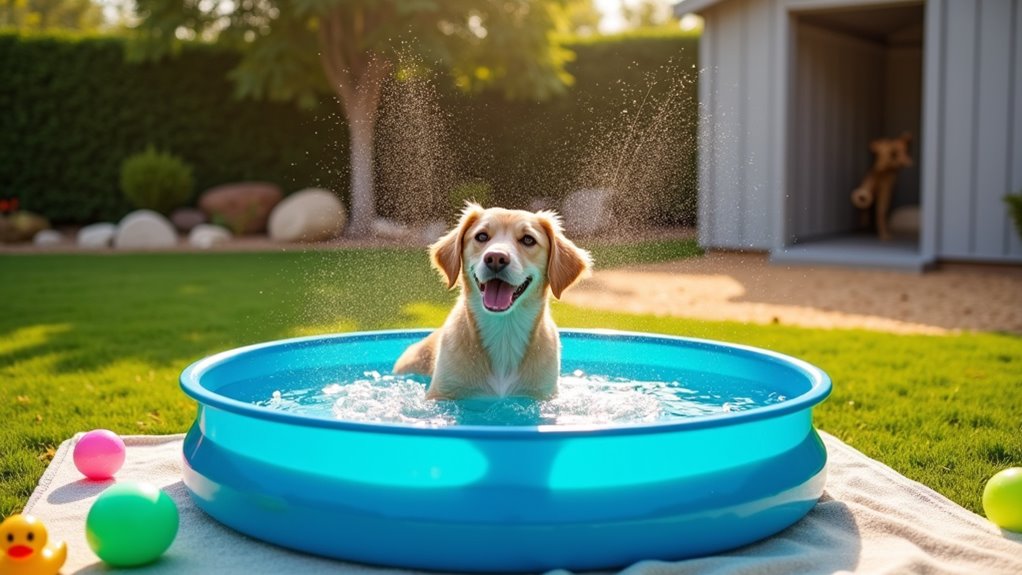
Diy Outdoor Dog Area
Creating a DIY outdoor dog area is something I see as both practical and rewarding. I’m not just giving my dog space—I’m improving their daily life. Dogs need room to move, rest, and stay mentally active.
Studies show dogs with outdoor enrichment are 30–40% less likely to develop destructive behaviors. In this guide, I’ll walk through simple, budget-friendly ideas that actually work.
Key Takeaways
- I focus on comfort, safety, and stimulation when designing a dog space
- Shade and water are non-negotiable for outdoor setups
- DIY projects can cut costs by 50%+ compared to store-bought options
- Durable materials save money long-term
- Small upgrades like toys or agility setups boost dog activity levels
Cozy Shaded Relaxation Spots
I always start with shade because overheating is a real risk for dogs. Even at 20–25°C, surfaces can get too hot for paws.
Instead of leaving my dog exposed, I create shaded zones using trees, umbrellas, or a simple canopy. This gives them a cool place to rest while still being outside.
Pro tip: I position shade where airflow is best. Moving air can reduce perceived temperature by several degrees, making a big difference for comfort.
Our Collection
When I build an outdoor dog area, I don’t overcomplicate it. I focus on essentials that improve daily use—hydration, rest, safety, and play.
From my experience, adding just a few key items can make the space feel complete without overspending.
1. Portable Water Bowl Stand
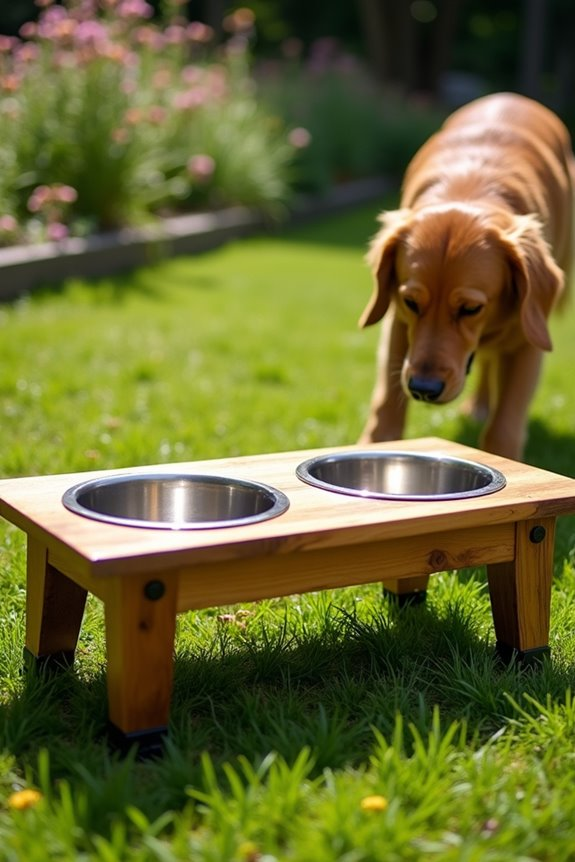
I’ve found that elevated water bowls aren’t just about looks—they help keep things clean and reduce strain on a dog’s neck.
Building a simple stand takes about an hour, and it prevents spills that can turn into muddy patches.
I usually keep the height between 3–6 inches, depending on the dog’s size. Stainless steel bowls are my go-to because they last longer and resist bacteria buildup.
Insight: Dogs drink more consistently when water is easy to access and clean. Hydration directly impacts energy levels and digestion.
Pro tip: I always use weather-treated wood if the stand stays outside. It extends lifespan significantly.
2. Sturdy Chew-Resistant Toys
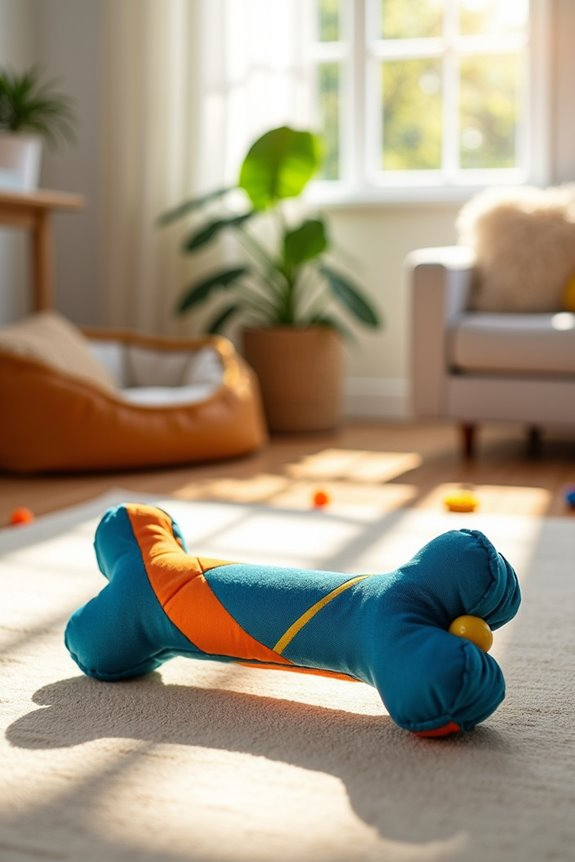
Not all toys last, especially if I have a strong chewer. Cheap toys often break within days, which ends up costing more over time.
I prefer making or choosing durable toys using heavy fabric or reinforced stitching. This keeps my dog engaged longer and reduces boredom.
Fact: Bored dogs are more likely to chew furniture or dig—this is backed by behavioral studies in pet care.
Pro tip: I double-stitch seams when making toys. It’s a small step but can double the toy’s lifespan.
3. Outdoor Dog Playhouse
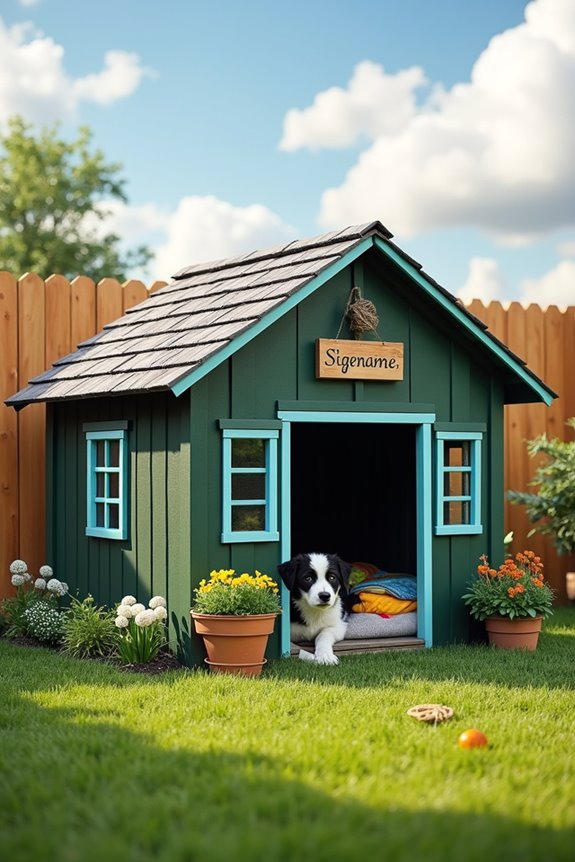
I like giving my dog a dedicated shelter. A simple wooden playhouse protects from rain, wind, and sun.
The key is sizing—it should be large enough for the dog to turn and lie comfortably, but not too big or it won’t retain warmth.
I always angle the roof slightly to allow water runoff. This prevents long-term damage.
Insight: Elevated structures last longer because they avoid ground moisture, which is a major cause of wood rot.
4. Secure Dog Fence Panels
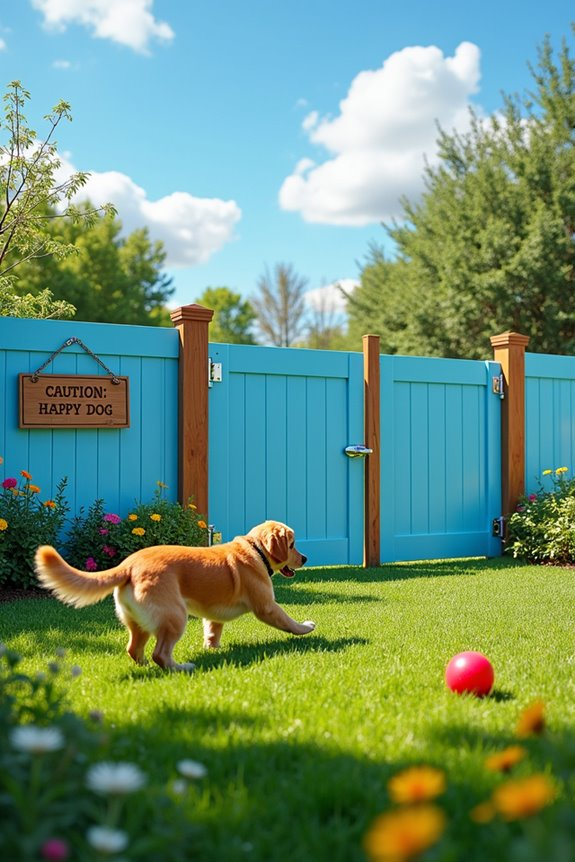
Safety is something I never compromise on. A secure fence keeps my dog in and prevents unwanted animals from entering.
I space posts about 6–8 feet apart and set them at least 2 feet deep for stability. This prevents leaning over time.
Fact: Proper fencing can increase property value while also reducing pet escape risks.
Pro tip: Before digging, I always check for underground utilities. It avoids costly mistakes.
5. Durable Outdoor Dog Bed
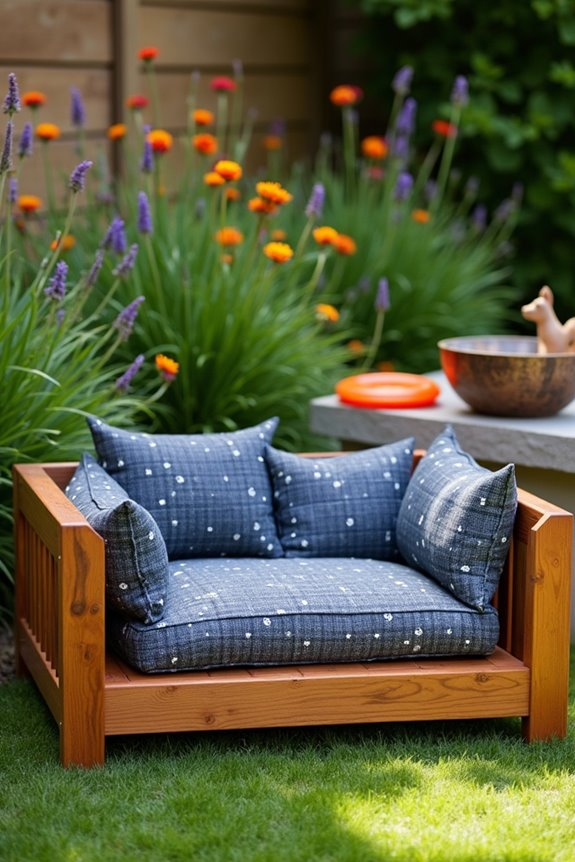
A comfortable resting spot makes a big difference. I build outdoor beds using treated wood and water-resistant cushions.
Standard sizing like 36×24 inches works for medium dogs, but I always adjust based on breed.
Insight: Dogs sleep 12–14 hours a day, so comfort directly impacts their health and mood.
Pro tip: I use removable, washable covers. It makes cleaning fast and keeps odors under control.
6. Agility Training Equipment
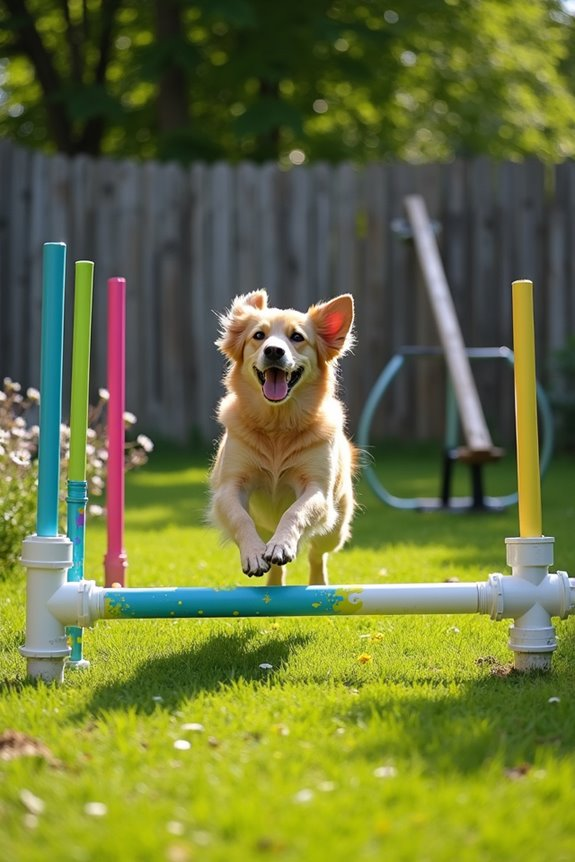
If my dog has energy, I turn the yard into a mini training area. Simple agility setups using PVC pipes are affordable and effective.
Jump bars and weave poles are easy to build and help improve coordination and fitness.
Fact: Regular physical activity can extend a dog’s lifespan and reduce obesity risk by over 20%.
Pro tip: I adjust obstacle height based on the dog’s size to avoid injury.
7. Interactive Splash Pool
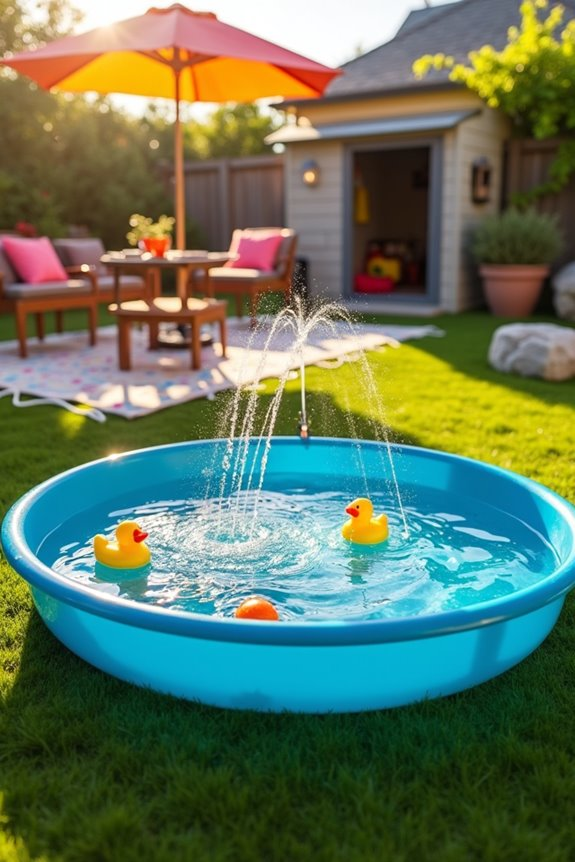
In warmer months, I always add a water element. A basic splash pool keeps my dog cool and active.
I keep water depth around 4–6 inches, which is safe but still fun.
Adding toys increases engagement and encourages movement.
Insight: Dogs cool down mainly through panting, so water access helps regulate body temperature more effectively.
Pro tip: I clean the pool regularly to prevent bacteria and odors.
Extra Tips & Ideas
I’ve learned that small details make a big difference. Adding dog-safe plants, soft ground materials, or even a misting system can improve the space.
I also think about maintenance. Easy-to-clean surfaces like gravel or artificial grass save time long-term.
Pro tip: I design the area so I can clean it in under 10 minutes daily. That consistency keeps everything hygienic.
Frequently Asked Questions
What Materials Are Best for a DIY Dog Area?
I prefer gravel, artificial grass, or pavers. They’re durable, easy to clean, and safe for dogs.
How Much Space Is Needed for a Dog Area?
I recommend at least 200 square feet. This gives enough room for movement and activities.
Can I Include Plants in the Dog Area?
Yes, but I only use dog-safe plants. Toxic ones like lilies should always be avoided.
Are There Specific Safety Considerations?
I always check for sharp edges, toxic materials, and escape points. Safety comes first.
How Do I Maintain Cleanliness?
I stick to daily waste removal and a weekly deep clean. This prevents odor and bacteria buildup.
Conclusion
For me, building a DIY outdoor dog area is about creating a space where my dog feels comfortable, safe, and active. It doesn’t require a big budget—just smart planning and the right materials.
When I see my dog relaxed, playing, and enjoying the space, I know the effort pays off. A well-designed setup improves not just their life, but mine too.
All content on this site is written and reviewed by our experienced team to ensure it is accurate, reliable, and helpful for our readers. Our Our Process page explains how we carefully research and create high-quality content, while our Team page introduces the professionals behind our work. We also provide clear guidelines for content or image concerns on our Image Removal page, so you can trust that we prioritize transparency, quality, and reader safety.