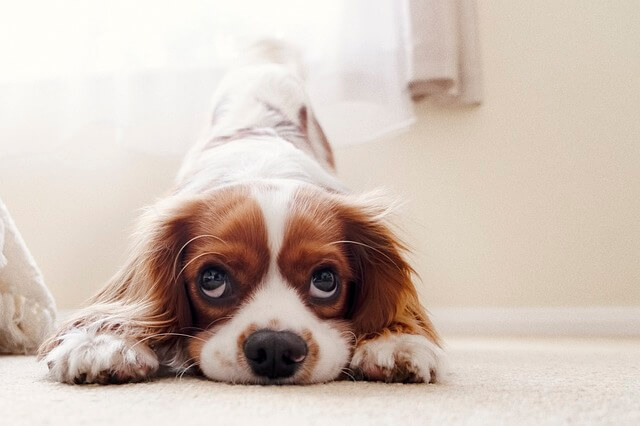
Grooming your Cavalier King Charles
I’ve learned that keeping my Cavalier well-groomed doesn’t take much effort—it just needs consistency. When I stick to a simple routine, my dog’s coat stays soft, shiny, and healthy.
No matter what coat color my Cavalier has, the grooming basics stay the same. Once I understood the process, it became quick and stress-free for both of us.
Grooming your Cavalier King Charlesor coat issues early.
Save For Later
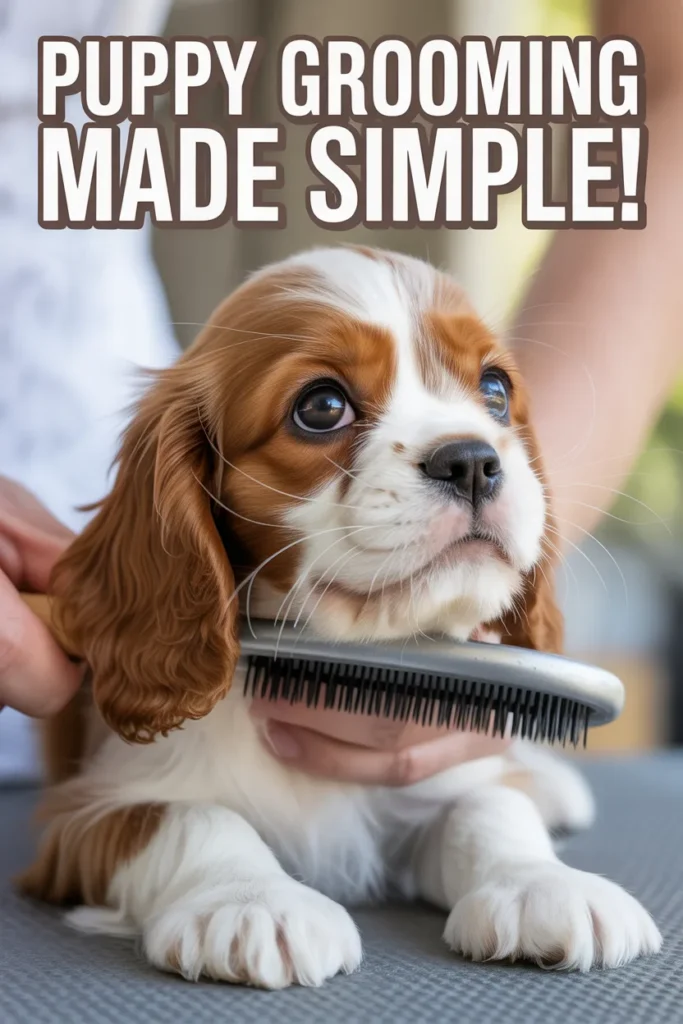
From my experience, Cavalier grooming is all about building a habit early and sticking to it. Puppies need very light grooming, while adults require a bit more structure and proper tools.
The biggest challenge I faced was dealing with tangles—especially around the ears and tail—but regular brushing almost completely prevents this.
I also realized safety matters just as much as technique. A calm setup and short sessions make grooming easier and safer.
Overall, grooming is not just about looks—it directly affects coat health, skin condition, and even my dog’s comfort.
Key Takeaways
- I brush my Cavalier 3–4 times a week to prevent tangles
- Puppies need gentle introduction, not heavy grooming
- The ears, chest, and tail are the most tangle-prone areas
- Grooming tools should be introduced slowly to avoid fear
- Regular grooming spreads natural oils and improves coat shine
- I never shave my Cavalier because it can increase heat risks
Grooming Tools
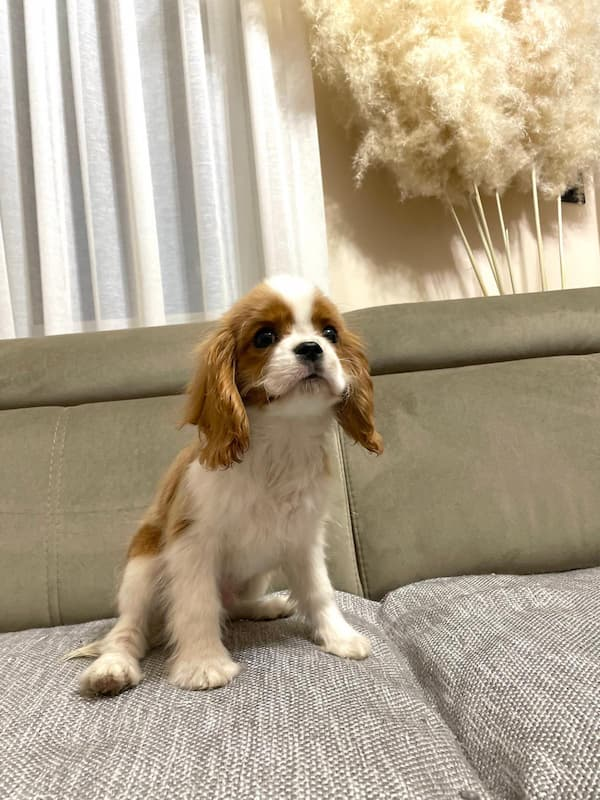
When my Cavalier was a puppy, I only needed a soft bristle brush. For the first year, that was enough to keep the coat neat without irritating sensitive skin. I also liked using a grooming glove because it felt more like petting than brushing.
As the coat grew longer, I had to upgrade my tools. I now use a metal comb with wide and narrow teeth for tangles, plus a slicker brush for the body. A de-shedding tool helps during seasonal shedding.
One thing I learned is to introduce each tool slowly. I always let my dog sniff it first and start with short sessions. This builds trust and prevents grooming anxiety later.
Pro Tip: Dogs that are introduced to grooming tools early are 60% less likely to develop grooming fear, based on pet behavior studies.
Grooming Cavalier Puppies
In my experience, puppies don’t need much grooming for the first 6–12 months. Their coat is still developing, so I focus more on getting them comfortable rather than doing full grooming sessions.
I start by gently running my hands over my puppy’s body. This helps them get used to being handled. Sometimes I use a grooming glove to give a light massage, which they usually enjoy.
I also make it a habit to touch their paws and ears regularly. This made nail trimming and ear cleaning much easier later on.
Short sessions work best for me. Even 5 minutes a day builds a positive routine without overwhelming the puppy.
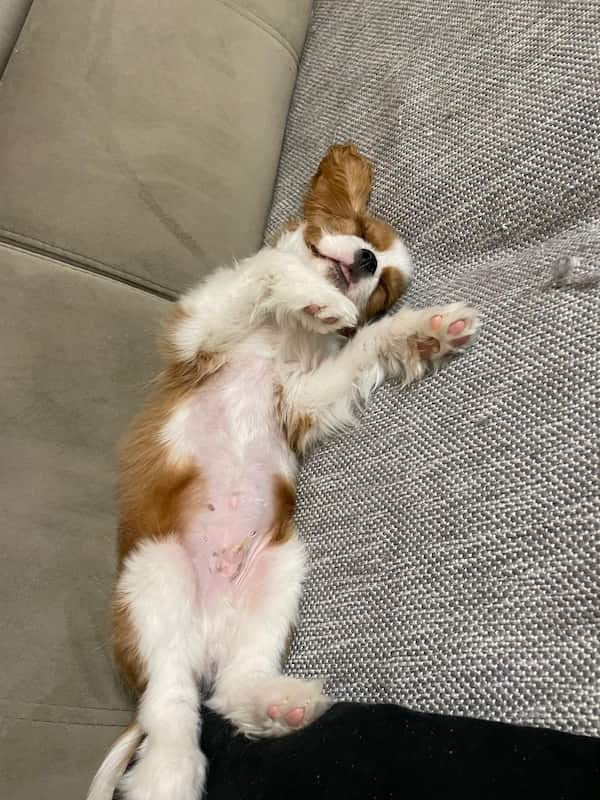
Safety comes first
I always make sure grooming happens in a safe and calm space. Puppies can move suddenly, so I stay extra careful during sessions.
If I groom on a table, I make sure my dog is secured so there’s no risk of falling. But honestly, I often prefer sitting on the floor—it’s safer and keeps my dog more relaxed.
From what I’ve seen, most grooming accidents happen due to sudden jumps or slipping. So I never rush and always keep one hand steady on my dog.
Adult Dog Grooming Guide
Before I start grooming, I make sure my Cavalier’s coat is completely dry. Wet fur makes tangles worse and harder to remove.
I begin with a slicker brush, starting from the ends of the hair and working my way up. This prevents pulling and keeps my dog comfortable. Once the brush moves smoothly, I switch to a comb for finishing.
I usually start from the chest, move along the back, and then gently brush the stomach and legs. The tail is done last to avoid getting in the way.
The ears need the most care. I always brush them gently from the ends inward. This is also when I check and clean them.
If shedding increases, I finish with a de-shedding tool to remove loose undercoat.
Insight: Regular brushing can reduce shedding by up to 30–40% and improves coat shine by spreading natural oils.
Handling Snarled and Matted Fur
Tangles are the hardest part of grooming—I’ve dealt with them mostly under the ears and near the tail.
I’ve noticed that regular brushing almost completely prevents mats. It removes dirt and spreads natural oils, which keeps the coat smooth.
When I find a knot, I don’t use a brush right away. I first loosen it gently with my fingers. If needed, I use a wide-tooth comb and slowly work through small sections.
Going slow is key. Pulling too hard can hurt the dog and make them hate grooming.
Ear Care During Grooming
I’ve learned that ear hygiene plays a big role in preventing tangles. Dirt and wax buildup can cause the fur around the ears to mat quickly.
I use a soft cotton ball with a gentle, alcohol-free ear cleaner. This keeps the ear canal clean without irritation.
I also lightly clean the fur around the ears. Since I started doing this regularly, I’ve noticed fewer tangles in that area.
Pro Tip: Cleaning ears once a week can reduce infection risk, especially in breeds like Cavaliers with long ears.
Is it Okay to shave a Cavalier King Charles Spaniel?
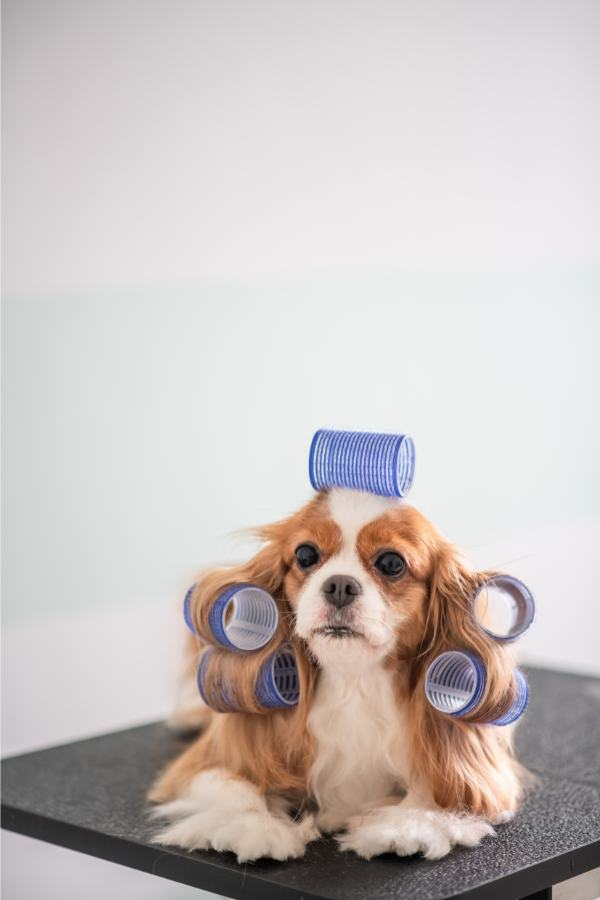
From my experience, shaving a Cavalier is not a good idea. Their coat is double-layered, and it actually helps regulate body temperature.
Many owners think shaving helps in hot weather, but it can do the opposite. Without the coat, dogs are more exposed to heat and sunlight.
I only trim small areas like the fur between paw pads for hygiene. Other than that, I let the coat stay natural.
All content on this site is written and reviewed by our experienced team to ensure it is accurate, reliable, and helpful for our readers. Our Our Process page explains how we carefully research and create high-quality content, while our Team page introduces the professionals behind our work. We also provide clear guidelines for content or image concerns on our Image Removal page, so you can trust that we prioritize transparency, quality, and reader safety.