Are Cavalier King Charles Spaniels Hunting Dogs?
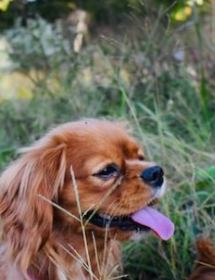
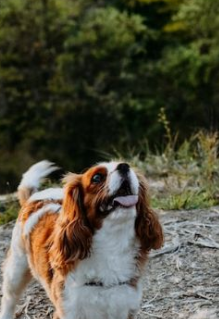
When I first considered whether my Cavalier could hunt, I learned that although they were bred mainly as companion dogs, their ancestry gives them some natural hunting instincts. Cavaliers come from Spaniels, which historically hunted small birds, rabbits, and rodents. So, if your Cavalier suddenly chases a squirrel, it’s just in their DNA.
Save For Later
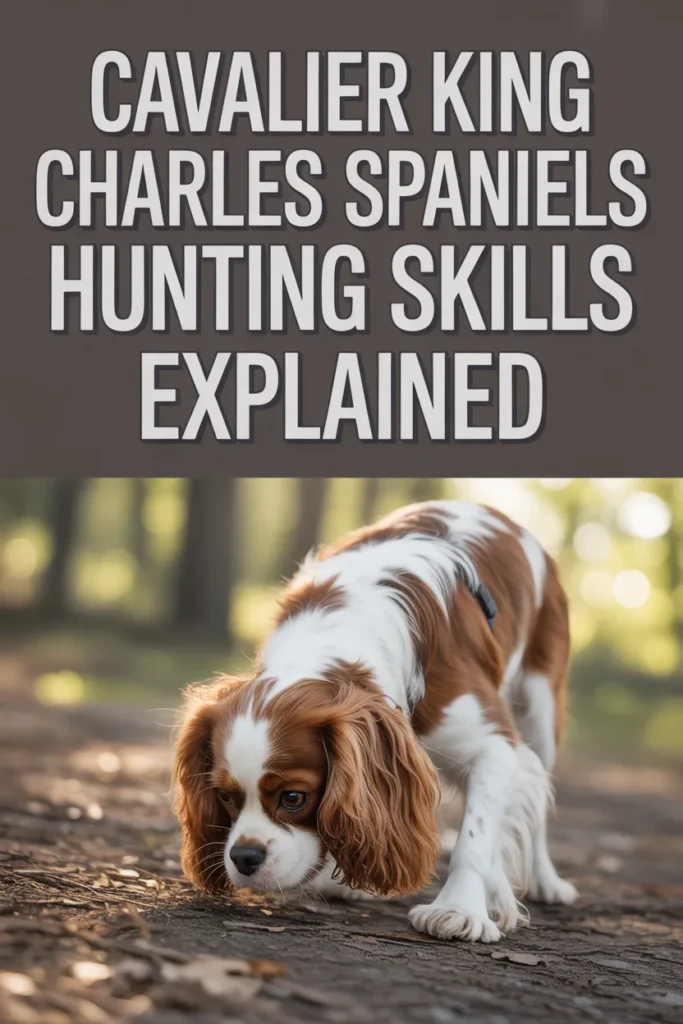
That said, Cavaliers aren’t used as hunting dogs today. Their small size, limited stamina, and sensitivity to extreme weather make them less suited for the field. Still, their keen sense of smell and prey drive mean they can enjoy some hunting activities under proper guidance.
Key Takeaways:
- Cavaliers inherit hunting instincts like scenting and prey drive.
- They are rarely hunting dogs today due to size, stamina, and strength limits.
- With careful training, they can handle smaller game and enjoy learning.
Scenting Abilities
I’ve noticed my Cavalier can track scents impressively, a skill from their hunting ancestors. Their noses are sharp enough to follow trails and locate hidden objects, which can make training for small-game hunting or scent games really fun. This natural ability gives them a unique edge compared to dogs without hunting lineage.
Pro tip: Encourage your Cavalier’s natural scenting skills with scent games and hidden treats to sharpen their tracking instincts.
Prey Drive
My Cavalier often shows a strong instinct to chase small animals, which is part of their hunting heritage. Even though they won’t compete with Beagles or Retrievers, this prey drive allows them to engage in controlled hunting exercises or backyard games that mimic hunting behaviors.
Eagerness to Learn
One thing I love about Cavaliers is how quickly they pick up commands. Their desire to please makes them highly trainable for hunting skills. From retrieving items to following scent trails, they absorb new tasks with enthusiasm, making training both enjoyable and effective.
Social Hunting Partners
Cavaliers naturally enjoy working alongside humans and other dogs. I’ve found that with the right guidance, they can be excellent team players in hunting scenarios, cooperating smoothly while remaining attentive to cues from both me and other dogs.
Start with Basic Obedience Training
Before anything, I made sure my Cavalier mastered basic commands like sit, stay, come, and heel. This foundation is critical—it’s like building a house; without a solid base, advanced hunting training won’t hold.
Introduce Retrieval Exercises
I used decoys and practiced retrieving on land and in water. Starting in controlled spaces like my backyard or a small pond helped my Cavalier gain confidence before attempting real hunting scenarios.
Familiarize Your Cavalier With Gunshots
To prevent fear in the field, I gradually exposed my dog to the sound of gunshots, starting at low volume at home and slowly increasing intensity. This approach helped him stay calm and focused during hunting activities.
Use Positive Reinforcement
I always reward good behavior—treats, praise, or playtime—to make hunting tasks enjoyable. Punishing mistakes doesn’t work well; positive reinforcement keeps my Cavalier motivated and eager to learn.
Start with Simple Tasks
I began with small challenges like retrieving a toy or finding hidden treats. Gradually, I increased the difficulty, which ensured my Cavalier built confidence and skills at a comfortable pace.
Consider Working with a Professional Trainer
For serious hunting training, I sought guidance from a professional familiar with hunting dogs. Not every Cavalier is suited for hunting, so expert advice can help assess temperament and abilities while creating a tailored plan.
Conclusion
From my experience, while Cavaliers carry hunting instincts, they are primarily companion dogs today. They love walks and outdoor play but are generally happier snuggling at home.
If you’re committed to training your Cavalier for hunting, patience, consistency, and positive reinforcement are key. Proper guidance ensures your dog stays safe, confident, and enjoys the activity. When in doubt, working with a professional trainer can make the journey smoother and more rewarding.
All content on this site is written and reviewed by our experienced team to ensure it is accurate, reliable, and helpful for our readers. Our Our Process page explains how we carefully research and create high-quality content, while our Team page introduces the professionals behind our work. We also provide clear guidelines for content or image concerns on our Image Removal page, so you can trust that we prioritize transparency, quality, and reader safety.