Why Do Cavaliers Sleep On Your Head? (9 Reasons)
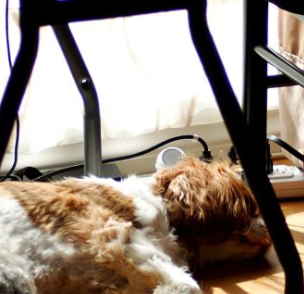
When I first had my Cavalier, Bentley, he always preferred his own bed and rarely disturbed my sleep. But when Mayo came along, things changed quickly—he made it a habit to sleep right on my head almost every night. At first, I found it funny, but over time, it became uncomfortable and confusing.
Save For Later
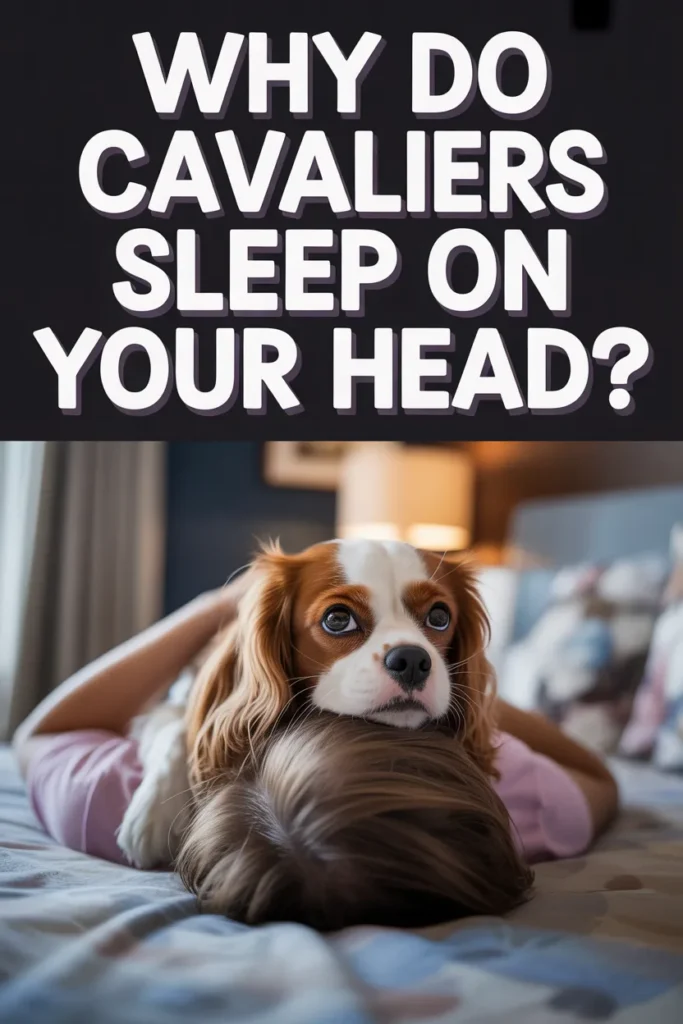
So I started paying closer attention to his behavior and also looked into what experts say about it. What I found is that this habit is actually quite common in Cavaliers, and there are several real reasons behind it.
In this guide, I’ll walk you through what I’ve personally learned, what research supports, and what actually worked for me to manage this behavior without stressing my dog.
From my experience, Cavaliers usually sleep on your head because they are seeking warmth, comfort, and emotional closeness. It’s rarely random behavior—in most cases, it reflects their natural instinct to stay close to their “person,” especially during rest. Their affectionate nature plays a big role here.
I also noticed that this behavior increases during stressful situations like loud noises or unfamiliar environments. In some cases, it can even become a routine simply because the dog finds it comforting and gets used to it over time.
Understanding the reason behind it made a big difference for me. Instead of getting frustrated, I was able to guide my dog toward better habits in a calm and consistent way.
Key Takeaways
- Cavaliers prefer closeness because they are companion dogs
- Warmth and comfort are the most common triggers
- Anxiety and stress can increase this behavior
- Puppies show this more due to attachment instincts
- Sudden changes may signal a health issue
- Consistency and routine help correct the habit
Why Do Cavaliers Sleep On Your Head?
From what I’ve seen with my own dogs, there is never just one reason behind this behavior. It usually comes from a mix of emotional attachment, comfort-seeking, and learned habits. Some dogs may do it occasionally, while others turn it into a daily routine because it feels safe and rewarding.
Once I understood that this wasn’t “bad behavior” but a natural response, it became much easier to handle. Instead of reacting negatively, I focused on identifying the cause and addressing it step by step.
#1 Comfort and Warmth
One thing I quickly noticed is that my Cavalier always looks for the warmest spot to sleep. The head area naturally gives off more heat because of higher blood flow, which makes it especially appealing for dogs. This is even more noticeable during colder nights.
Dogs have a slightly higher body temperature than humans, so they are naturally drawn to cozy and warm places. Sleeping near my head gave my dog both warmth and a soft, secure surface to rest on.
Pro tip: Providing a thick, warm dog bed or blanket can often reduce this behavior significantly.
#2 Bonding and Affection
In my experience, this is one of the biggest reasons behind the behavior. Cavaliers are known for their strong attachment to their owners, and they genuinely enjoy being as close as possible. Sleeping near my head felt like their way of staying connected, even while resting.
This makes sense when you consider that Cavaliers were originally bred as companion dogs. Their entire nature is built around human interaction, which explains why they seek physical closeness so often.
I’ve come to see this behavior as a sign of trust and affection rather than something negative.
#3 Protection
Even though Cavaliers are not typical guard dogs, I’ve still seen hints of protective behavior. Dogs naturally prefer to sleep close to their “pack” as a way to feel secure and aware of their surroundings. Staying near my head seemed like a way for my dog to stay close and alert.
In reality, it’s less about guarding and more about instinct. Being near you gives them a sense of safety, and at the same time, they feel like they are part of a group resting together.
It’s a subtle behavior, but it still reflects their loyalty.
#4 Anxiety or Fear
I clearly noticed this behavior increase during thunderstorms or loud noises. My dog would immediately move closer to me, sometimes ending up right on my head. It became obvious that he was looking for reassurance during stressful moments.
Studies suggest that a large number of dogs experience some level of anxiety, especially noise-related fear. Sensitive breeds like Cavaliers tend to rely heavily on their owners for comfort in these situations.
If this behavior suddenly becomes more frequent, it’s often worth checking for possible stress triggers.
#5 Attention-Seeking Behavior
At one point, I realized I was unintentionally encouraging this habit. Every time my dog climbed near my head, I would pet him or talk to him, which reinforced the behavior. Dogs quickly learn what actions get attention.
Once they associate a behavior with a reward—even something simple like touch or eye contact—they are likely to repeat it. This is basic behavioral conditioning that applies to most dogs.
Being aware of this helped me change my own response and reduce the habit.
#6 Habit
Dogs thrive on routine, and this was very clear in my case. After a few nights of sleeping comfortably on my head, it became my dog’s preferred sleeping spot. What started as a one-time thing slowly turned into a consistent pattern.
Habits like this don’t break overnight. They require patience and consistency to change, especially if the dog finds the behavior comforting.
I learned that replacing the habit works better than simply trying to stop it.
#7 Still a Young Puppy
When my Cavalier was younger, this behavior was much more noticeable. Puppies naturally seek closeness because it reminds them of their early days with their mother and littermates. Sleeping together gives them a sense of warmth and safety.
Research also shows that dogs often see their owners as parent-like figures, which explains why they try to stay physically close. This is especially true during the early months.
As they grow older, this behavior can reduce—but only if it’s not reinforced.
#8 Health Issues
One important thing I learned is to never ignore sudden changes in behavior. If your dog suddenly becomes more clingy or starts sleeping unusually close, it could be a sign that something is wrong.
Dogs often seek comfort when they are not feeling well, whether it’s due to pain, digestive issues, or general discomfort. I’ve seen this happen with other dogs as well.
Pro tip: Always watch for other signs like low energy, appetite changes, or unusual behavior patterns.
#9 Establishing Dominance
There’s a lot of debate around this, but from my experience, dominance is rarely the reason—especially with Cavaliers. They are naturally gentle and affectionate dogs, not the type to assert control in that way.
In most cases, this behavior is misunderstood. It’s far more likely linked to comfort, bonding, or emotional security rather than dominance.
Focusing on real causes instead of outdated theories helped me handle the situation much better.
Tips to Stop Your Cavalier from Sleeping on Your Head
When this habit started affecting my sleep, I knew I had to make some changes. These are the methods that actually worked for me over time.
Create a Cozy Sleep Spot
I made sure my dog had a comfortable and inviting place to sleep. A soft bed, warm blanket, and a familiar toy made a big difference in encouraging him to choose his own space.
Guide Your Cavalier to Its Bed
Instead of letting my dog decide, I started guiding him to his bed every night. Dogs respond well to direction, especially when it’s consistent and calm.
Consistency is Key
This was the most important step. I stopped allowing exceptions, which helped my dog understand what was expected every night.
Teach the “Go to Your Bed” Command
With simple training and rewards, my dog learned where he was supposed to sleep. Repetition made this much easier over time.
Follow a Bedtime Routine
Having a fixed routine helped settle my dog before sleep. Regular timing, a calm environment, and a final potty break all helped improve his sleep habits.
Limit Pre-Bed Activity
Too much activity before bedtime made it harder for my dog to settle down. Balanced exercise earlier in the day worked much better.
Avoid Late Night Feeding
Feeding too close to bedtime increased energy levels. Adjusting meal timing helped create a calmer night routine.
Resist the Sad Eyes and Whines
This was difficult, but ignoring attention-seeking behavior worked. Within a few nights, my dog adjusted to the new routine.
Consult Professionals
If nothing seems to work, getting help from a trainer can save time and effort. Sometimes expert guidance makes all the difference.
Final Thoughts
From everything I’ve experienced, when a Cavalier sleeps on your head, it usually comes from a place of comfort, trust, and emotional connection. It’s not something negative—it just needs a bit of guidance if it becomes a habit.
Once I understood the reason behind it, I was able to handle it calmly and effectively. Small, consistent changes made a big difference without affecting my dog’s happiness.
All content on this site is written and reviewed by our experienced team to ensure it is accurate, reliable, and helpful for our readers. Our Our Process page explains how we carefully research and create high-quality content, while our Team page introduces the professionals behind our work. We also provide clear guidelines for content or image concerns on our Image Removal page, so you can trust that we prioritize transparency, quality, and reader safety.