Vet-Approved Homemade Dog Food Recipes for Puppies: Complete Nutrition Guide
When I first looked into homemade puppy food, I felt overwhelmed by all the warnings about “complex nutrition.” But after digging into vet advice and trying it myself, I realized it’s absolutely doable when done right. Puppies do need precise nutrients for growth, but with balanced recipes, proper supplements, and regular vet checkups, homemade food can support strong bones, brain development, and overall health.
Save For Later
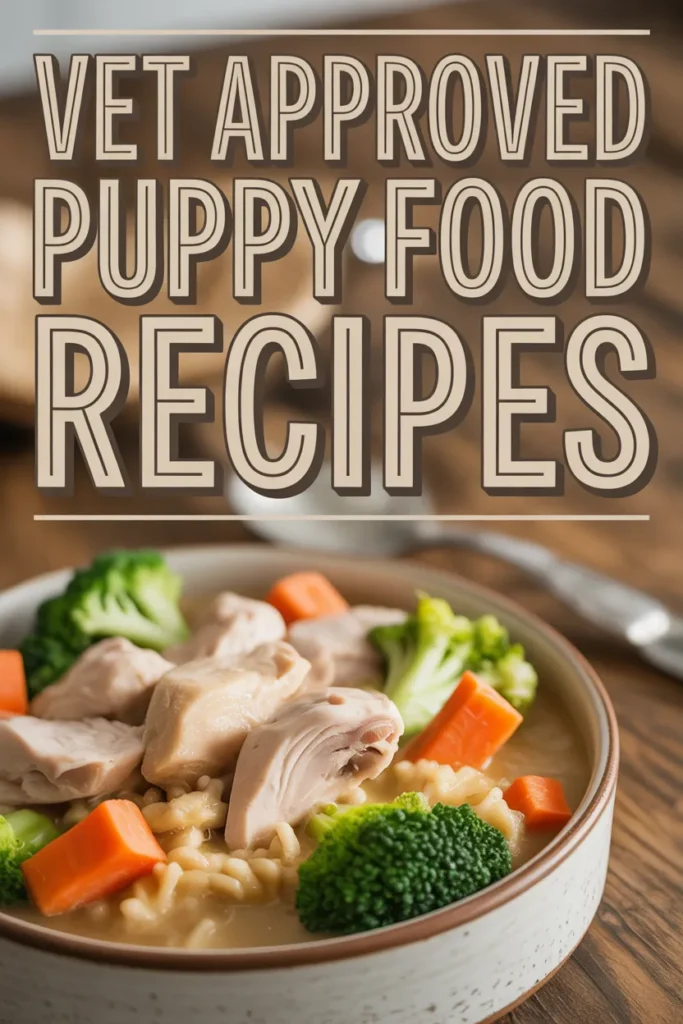
In this guide, I’m sharing two vet-informed puppy recipes I trust, along with exact feeding tips, supplement guidance, and practical advice that helped me avoid common mistakes.
Key Takeaways
- Puppies need higher protein, fat, and controlled calcium levels than adult dogs
- Homemade food works only when paired with proper supplements
- Growth monitoring and vet guidance are essential
- Consistency in feeding improves digestion and results
- Balanced recipes can support healthy weight, coat, and energy
Why Puppies Need Different Nutrition
From my experience, puppies grow incredibly fast, and their nutritional needs are very different from adult dogs. Their bodies are building bones, muscles, and organs at the same time, which requires more energy and specific nutrients.
Experts recommend around 22–32% protein and 8–20% fat for puppies. Calcium is especially critical, but it has to stay balanced with phosphorus. Too little affects bone growth, while too much can lead to joint problems—especially in large breeds.
I always pay close attention to DHA as well, since it supports brain and eye development during early months.
Before You Start: Important Guidelines
Before I switched to homemade meals, I made sure to speak with my vet. That step made a big difference because every puppy grows differently.
I also learned that large breed puppies need controlled growth. Fast weight gain can stress their joints, so portions sometimes need adjusting.
Tracking weight weekly helped me stay on the right path. A healthy puppy should gain steadily but not look overweight.
Another thing I stick to is gradual transition. I mix homemade food slowly over 7–10 days to avoid stomach upset. Consistency matters too—switching back and forth can confuse digestion.
Recipe 1: Chicken & Brown Rice Puppy Power Bowl
This is one of the first recipes I used because it’s simple, balanced, and easy on a puppy’s stomach. It provides solid protein, healthy fats, and fiber.
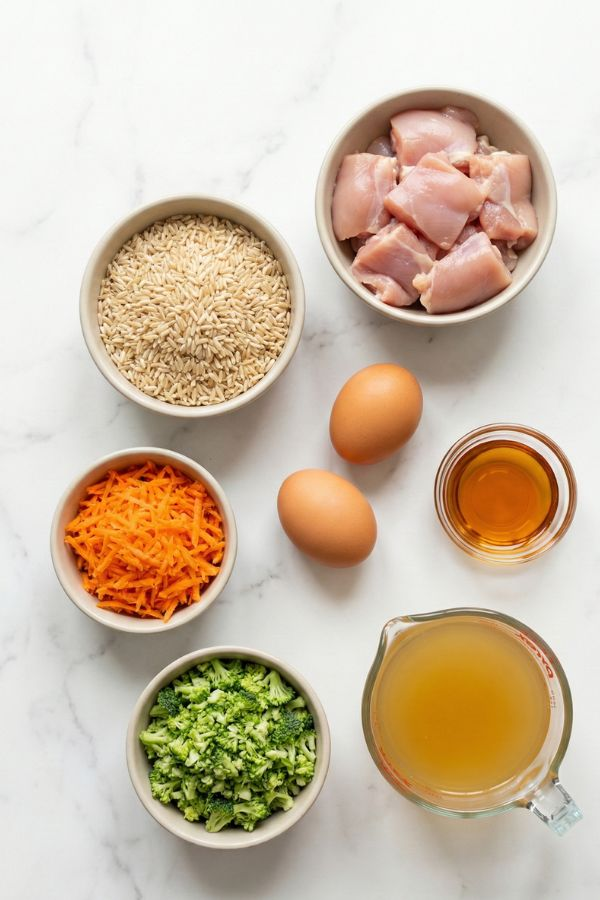
Ingredients
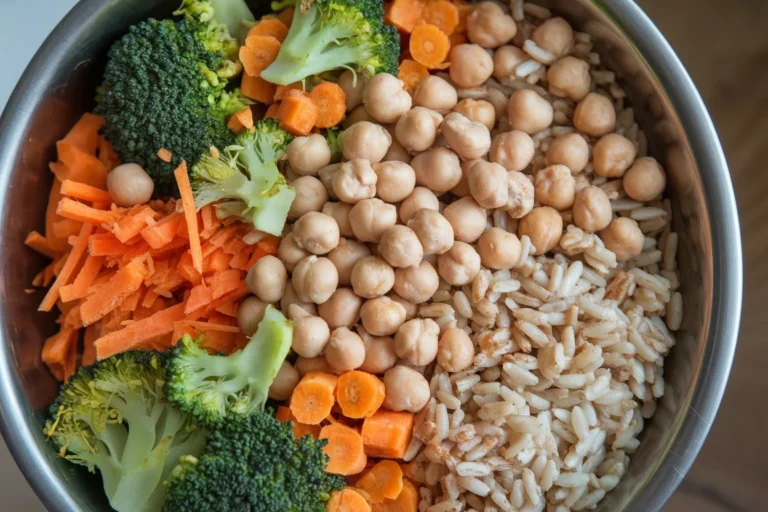
- Chicken thighs (for protein and fat)
- Brown rice (steady energy source)
- Carrots and broccoli (vitamins + fiber)
- Eggs with shell (natural calcium)
- Salmon oil (DHA for brain development)
Why This Works
I prefer chicken thighs over breast because puppies need extra fat for energy. Adding vegetables boosts vitamins like A and C, while eggshell powder helps meet calcium needs naturally.
How I Prepare It
I cook rice in broth, prepare chicken separately, and finely chop everything so it’s easy for puppies to eat. I mix all ingredients together and adjust moisture with broth if needed.
Serving Insight
For a 20 lb puppy, this batch lasts about 5–6 days. I divide meals into 3–4 portions daily depending on age.
Serving Guidelines for Growing Puppies
From what I’ve seen, puppies eat more per pound than adult dogs.
- 5–10 lbs: 1–1.5 cups daily
- 10–20 lbs: 1.5–2.5 cups
- 20–30 lbs: 2.5–3.5 cups
I always adjust based on body condition. If ribs are too visible or hard to feel, I tweak portions.
Recipe 2: Beef & Sweet Potato Growth Formula
This recipe works great for active or large breed puppies that need more calories.
Ingredients
- Lean ground beef (iron + protein)
- Sweet potatoes (digestible carbs)
- Green beans (fiber)
- Greek yogurt (probiotics + calcium)
- Oats (energy)
- Coconut oil (healthy fats)
Why This Works
I like this recipe because it’s more calorie-dense. Sweet potatoes are gentle on digestion, and yogurt helps support gut health, which is important for puppies.
How I Prepare It
I roast or boil sweet potatoes, cook beef thoroughly, and combine everything with oats and yogurt for a soft texture puppies enjoy.
Serving Guidelines
This recipe is richer, so I monitor weight closely:
- 5–10 lbs: 1–1.5 cups
- 10–20 lbs: 1.5–3 cups
- 20–30 lbs: 3–4 cups
Adjust as needed depending on activity level.
Pro Tips for Both Recipes
From my routine, these small details make a big difference:
- I adjust texture based on age—softer for younger puppies
- I serve food slightly warm, not cold
- I always keep fresh water available
- I avoid leaving food out longer than 20–30 minutes
Making It Complete: The Supplement Question
This is where most people go wrong. I learned that even high-quality homemade meals don’t cover all nutrients puppies need.
Commercial foods follow strict standards for calcium, vitamins, and minerals. To match that at home, supplements are necessary.
Without them, deficiencies can affect bone growth and immunity.
The Supplement I Use for Puppies
After trying options, I prefer a supplement designed specifically for homemade diets. It helps balance calcium-to-phosphorus ratios and provides essential vitamins like D and B-complex.
A good supplement should:
- Meet AAFCO standards
- Include calcium, phosphorus, and taurine
- Be easy to mix into food
Other Quality Supplement Options
From my research and vet discussions, these types also work well:
- Organic multivitamin blends
- DIY nutrient powders with vet-approved recipes
- All-in-one formulas with probiotics
These simplify the process and reduce guesswork.
Essential Additional Supplements
Fish Oil
I always include omega-3s for brain development. Puppies benefit from daily DHA intake, especially in early months.
Probiotics
These support digestion and reduce issues during food transitions. I’ve noticed firmer stools and better appetite when using them.
How to Use Supplements Correctly
I always add supplements right before serving, not during cooking. Heat can destroy nutrients.
I also follow dosing carefully. Too much calcium or vitamin D can cause serious problems in growing puppies.
Every few weeks, I adjust amounts based on weight changes.
Working With Your Vet
I schedule follow-ups after about a month. This helps confirm the diet is working.
My vet usually checks:
- Weight gain
- Coat condition
- Energy levels
- Sometimes bloodwork
This step gives me confidence everything is on track.
Kitchen Equipment That Makes Puppy Food Prep Easy
From my experience, a few tools save time:
- Food processor for proper texture
- Kitchen scale for accurate portions
- Large pot for batch cooking
Batch prep makes feeding much easier during busy weeks.
Storage Best Practices for Puppy Food
Refrigeration
I store food in airtight containers and use it within 3–4 days.
Freezing
Freezing in portions helps me save time. I thaw meals in the fridge overnight.
Serving
I always bring food to room temperature and discard leftovers after meals.
Signs Your Puppy Is Thriving on Homemade Food
What I Look For
- Steady weight gain
- Shiny coat
- Firm stools
- High energy
Warning Signs
- Loose stools lasting more than 2 days
- Low energy
- Poor weight gain
If I notice anything off, I contact my vet quickly.
Transitioning to Adult Food
I usually transition based on breed size:
- Small breeds: around 12 months
- Medium breeds: 12–14 months
- Large breeds: up to 18 months
I gradually switch supplements while keeping recipes similar.
Conclusion
From my experience, feeding homemade puppy food is completely manageable when done properly. It takes planning, but the results are worth it.
With balanced recipes, the right supplements, and regular vet guidance, I’ve seen puppies grow with better energy, healthier coats, and strong development.
Consistency is key. Once I committed to a routine, everything became easier—and I felt confident I was giving the best possible start in life.
All content on this site is written and reviewed by our experienced team to ensure it is accurate, reliable, and helpful for our readers. Our Our Process page explains how we carefully research and create high-quality content, while our Team page introduces the professionals behind our work. We also provide clear guidelines for content or image concerns on our Image Removal page, so you can trust that we prioritize transparency, quality, and reader safety.