Homemade Low-Fat Dog Food Recipe
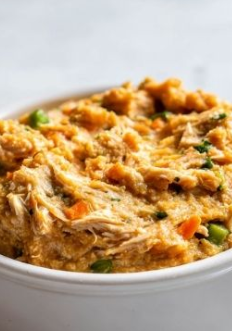
I created this low-fat dog food recipe for dogs who need lighter meals without losing nutrition or taste. It’s made with lean chicken breast, fiber-rich vegetables, and gentle carbs like oatmeal to support digestion and steady energy. I’ve found it works especially well for dogs managing weight, low activity levels, or sensitive stomachs.
Save For Later
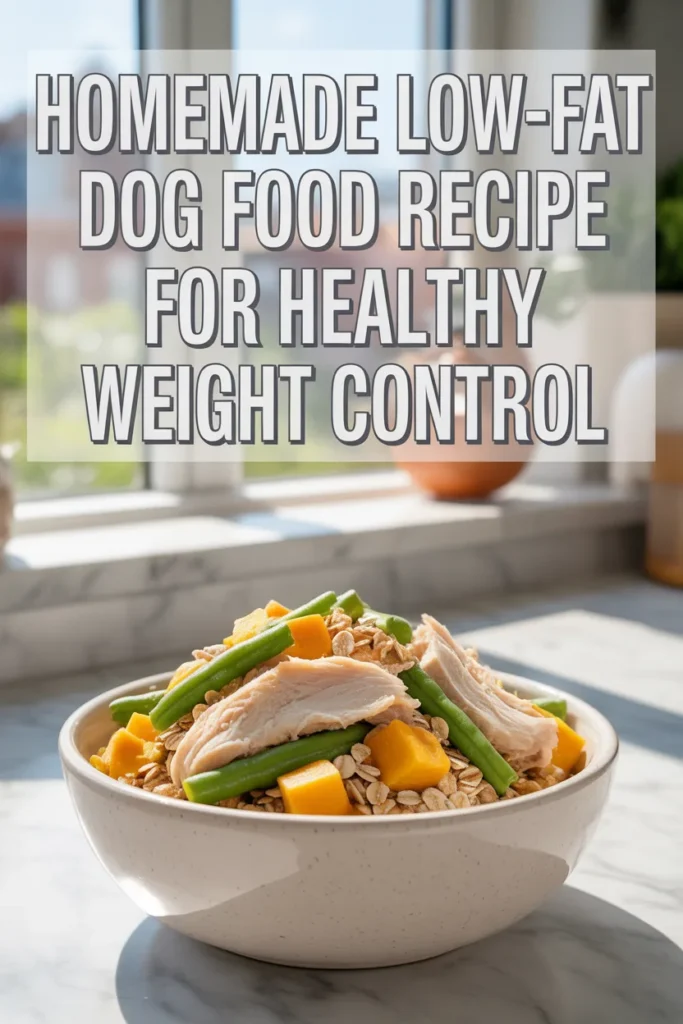
The recipe is simple, budget-friendly, and easy to batch cook for the week. My goal with this meal was to keep it balanced, filling, and safe while avoiding unnecessary fats or additives. It’s a practical homemade option that supports overall health while still being enjoyable for dogs to eat.
Key Takeaways
- Low-fat, high-protein homemade meal for dogs
- Supports weight control and digestion
- Uses simple, vet-friendly whole food ingredients
- Easy to prepare and store for weekly feeding
- Can be customized with different lean proteins and veggies
Why I Made This Recipe
I started making this kind of low-fat meal when I noticed how hard it is to find healthy dog food that is both filling and light. My dog needed something that supported weight control without making him feel hungry or tired. That’s when I built this recipe using lean protein and fiber-rich ingredients that actually keep him satisfied.
From my experience, balanced homemade meals help improve energy levels and digestion when done correctly. I focus on simple ingredients that are easy on the stomach and naturally low in fat.
Why You’ll Love This Recipe
I like this recipe because it keeps things simple but still nutritious. It doesn’t require complicated cooking steps or expensive ingredients.
- Helps support healthy weight management
- Packed with lean protein and natural fiber
- Easy to cook in bulk for multiple meals
- Uses everyday ingredients found in most kitchens
In my experience, dogs enjoy the texture and mild flavor, especially when it’s freshly made.
Low-Fat Dog Food Recipe Ingredients
| Ingredient | Purpose / Benefit |
|---|---|
| 1½ cups cooked skinless chicken breast, shredded | Lean protein for muscle support |
| ½ cup cooked oatmeal | Gentle fiber for digestion and steady energy |
| ½ cup steamed green beans, chopped | Low-calorie fiber and vitamins |
| ½ cup steamed yellow squash, diced | Antioxidants and digestive support |
| 1 tbsp unsweetened applesauce | Natural sweetness and fiber |
| 1½ cups low-sodium chicken broth | Hydration and flavor without excess salt |
From what I’ve learned, keeping ingredients simple helps reduce digestive issues and keeps the meal balanced for everyday feeding.
Step-by-Step Instructions
1. Cook the Chicken
I usually start by boiling or poaching the chicken breast until fully cooked, which takes about 15–20 minutes. Once it cools, I shred it into small pieces so it mixes well and is easier for dogs to digest.
2. Prepare the Oatmeal
Next, I cook plain oatmeal using water until soft and fully cooked. I let it cool slightly before mixing it in so the texture stays consistent and not too watery.
3. Steam the Vegetables
I steam green beans and yellow squash for about 5–7 minutes. I keep them slightly firm so they don’t lose all their nutrients and still hold texture in the final mix.
4. Mix Everything Together
In a large bowl, I combine chicken, oatmeal, vegetables, and applesauce. I mix gently so everything is evenly distributed without turning mushy.
5. Add Broth
I slowly pour in low-sodium chicken broth while stirring. I aim for a thick stew-like texture—moist but not soupy. This step improves flavor and hydration.
6. Cool and Serve
I always let the food cool completely before serving. This helps improve texture and makes it safe for dogs to eat. Then I portion it based on size and needs.
Storage & Shelf Life
From my experience, proper storage makes a big difference in freshness. I keep this food in airtight containers in the fridge for 4–5 days.
For longer storage, I freeze it in portion-sized containers. It stays good for up to 2 months. I thaw it overnight in the fridge before serving, or warm it slightly when needed.
Feeding Guidelines
I adjust portions based on my dog’s size and activity level. A general guide I follow:
- Small dogs (under 20 lbs): ½–1 cup per meal
- Medium dogs (20–50 lbs): 1–2 cups per meal
- Large dogs (50+ lbs): 2–3 cups per meal
I always monitor weight and energy levels and adjust portions if needed. For specific health conditions, I recommend checking with a vet.
Pro Tip: Always tailor portions to your dog’s size and activity level, and adjust based on weight, energy, and vet guidance for best results.
Customization Tips
I like changing ingredients occasionally to keep meals interesting:
- Swap chicken with lean turkey or white fish
- Replace oatmeal with brown rice or quinoa
- Add veggies like carrots, spinach, or zucchini
- Sprinkle parsley for fresh breath and added nutrients
Small changes like these help keep meals varied while staying healthy.
Benefits of Ingredients
Each ingredient in this recipe has a clear purpose based on my experience:
- Chicken breast: Lean protein for muscle maintenance without added fat
- Oatmeal: Supports digestion and provides steady energy
- Green beans: Low-calorie fiber for weight control
- Yellow squash: Gentle on digestion with vitamins and antioxidants
- Applesauce: Natural flavor and fiber boost
- Low-sodium broth: Hydration and taste without excess salt
I focus on ingredients that support long-term health rather than just taste.
FAQs
Can puppies eat this recipe?
Yes, but I always suggest checking with a vet first to ensure it matches their growth needs.
Can I use water instead of broth?
Yes, water works fine. I prefer broth because it improves flavor and adds mild nutrients.
Why use low-sodium broth?
Dogs don’t need high salt levels, so I always choose low-sodium options to keep it healthy and safe.
Final Thoughts
From my experience, making homemade low-fat dog food doesn’t have to be complicated. This recipe gives me confidence that my dog is eating something balanced, light, and nourishing. It’s simple, practical, and easy to maintain as part of a weekly feeding routine.
All content on this site is written and reviewed by our experienced team to ensure it is accurate, reliable, and helpful for our readers. Our Our Process page explains how we carefully research and create high-quality content, while our Team page introduces the professionals behind our work. We also provide clear guidelines for content or image concerns on our Image Removal page, so you can trust that we prioritize transparency, quality, and reader safety.