Mitral Valve Disease in Cavalier King Charles Spaniels
I’ve learned over time that heart disease is one of the biggest concerns in Cavalier King Charles Spaniels, and the numbers prove it. Around 50% of Cavaliers develop a heart murmur by age 5, and almost all of them show signs by age 10. That alone tells me how serious this condition really is.
Save For Later
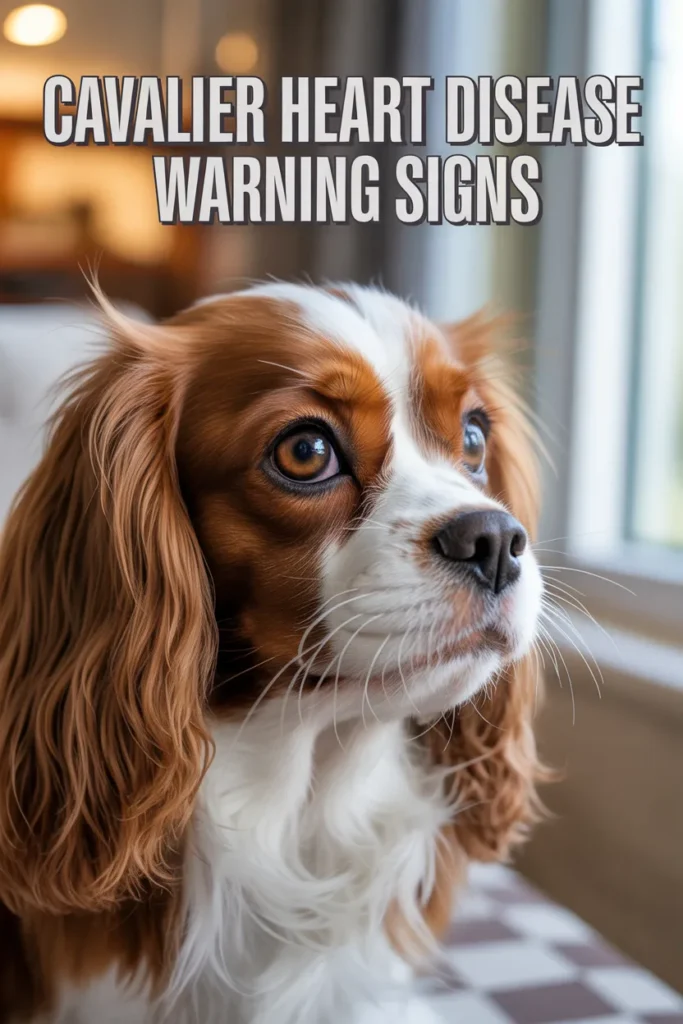
In this guide, I’m going to break down everything I’ve understood about Mitral Valve Disease (MVD), including how it starts, what signs I personally watch for, and how I manage it day to day. I’ll also share simple care tips that can actually help improve a dog’s quality of life.
If you own a Cavalier, knowing this early can make a big difference.
Key Takeaways
- MVD is extremely common in Cavaliers and mostly genetic
- Early stages often show no clear symptoms
- Heart murmurs are usually the first warning sign
- There is no cure, but proper care can slow progression
- Diet, weight control, and regular vet visits play a major role
- Early detection can extend life and improve comfort
Understanding MVD in Cavalier King Charles Spaniels
From what I’ve seen, Mitral Valve Disease is a condition where the heart valve slowly stops working properly. The mitral valve, which controls blood flow in the heart, starts to thicken and leak over time.
When this happens, blood doesn’t move efficiently and can flow backward. As the condition progresses, fluid can build up in the lungs, which may lead to congestive heart failure in serious cases.
One thing that surprised me is that there’s no cure or guaranteed prevention for MVD. In early stages, many dogs act completely normal, which makes it easy to miss.
As the disease worsens, I’ve noticed symptoms like coughing, low energy, and breathing issues becoming more obvious. In rare cases, severe damage to the valve can cause sudden complications.
Most vets first detect MVD through a heart murmur during routine checkups. From there, tests like X-rays or echocardiograms confirm how serious it is.
In advanced stages, treatment usually includes medications like diuretics and vasodilators, which help reduce fluid and improve blood flow. In some cases, surgery may be an option, but it’s not very common.
Symptoms and Progression of Mitral Valve Disease (MVD)
Early Stage Symptoms
In the early phase, I’ve noticed the signs can be very subtle.
- A vet may detect a heart murmur before anything else
- Occasional coughing, especially at night
- Slight drop in energy or shorter playtime
At this stage, many owners don’t even realize anything is wrong.
Mid Stage Symptoms
As the condition progresses, symptoms become easier to notice.
- More frequent and consistent coughing
- Breathing becomes harder after activity
- Dogs may seem tired and less interested in exercise
This is usually when I think most owners start getting concerned.
Advanced Stage Symptoms
In severe cases, the signs are hard to ignore.
- Fast or labored breathing even at rest
- Complete avoidance of physical activity
- Signs of heart failure like fluid in lungs
- In some cases, gums may look slightly bluish due to low oxygen
At this stage, immediate veterinary care becomes critical.
Living with Mitral Valve Disease
Dietary Adjustments
From my experience, diet plays a bigger role than most people think.
- Low sodium food helps reduce fluid buildup
- High-quality protein supports muscle strength
- Omega-3 fatty acids (like fish oil) support heart health
Pro Tip: I always check ingredient labels because hidden salt in dog food can worsen symptoms.
Exercise Management
I’ve learned that balance is key here.
- Short, gentle walks work best
- Avoid intense running or long sessions
- Always watch for signs like heavy breathing or fatigue
Pushing too hard can make things worse quickly.
Regular Veterinary Care
This is something I never skip.
- Vet visits every 6–12 months (or more if needed)
- Regular echocardiograms to track heart changes
Early monitoring can slow down complications significantly.
Home Care
Daily care at home matters just as much.
- Provide a calm and comfortable resting space
- Reduce stress as much as possible
- Watch closely for any behavior changes
Pro Tip: I always track small changes like appetite or sleep patterns—it helps catch problems early.
Emotional Support
One thing I’ve personally noticed is how much emotional comfort helps.
Simple things like spending time, gentle interaction, and keeping a calm environment can make a noticeable difference in their overall well-being.
FAQs
What causes MVD in Cavalier King Charles Spaniels?
From what I understand, it’s mainly genetic. The valve slowly thickens and weakens over time, which leads to leakage and heart problems as the dog ages.
Can MVD be prevented?
There’s no proven way to prevent it. What I focus on instead is early detection and keeping my dog as healthy as possible through diet and routine care.
How often should a Cavalier with MVD see a veterinarian?
I recommend every 6 to 12 months, but in more serious cases, visits may need to be more frequent depending on symptoms.
What is the life expectancy of a Cavalier with MVD?
It really depends on how early it’s detected and how well it’s managed. I’ve seen dogs live comfortably for years with proper care, while advanced cases can shorten lifespan.
All content on this site is written and reviewed by our experienced team to ensure it is accurate, reliable, and helpful for our readers. Our Our Process page explains how we carefully research and create high-quality content, while our Team page introduces the professionals behind our work. We also provide clear guidelines for content or image concerns on our Image Removal page, so you can trust that we prioritize transparency, quality, and reader safety.