5 Things Senior Cavaliers Will Thank You For Doing
I’ve been through this stage with my own Cavalier King Charles Spaniel, and I can say one thing for sure—those senior years feel different. Slower, quieter, but much more meaningful.
As my dog aged, I realized their needs changed more than I expected. It wasn’t just about food or walks anymore. It became about comfort, patience, and paying attention to the little signs.
Save For Later
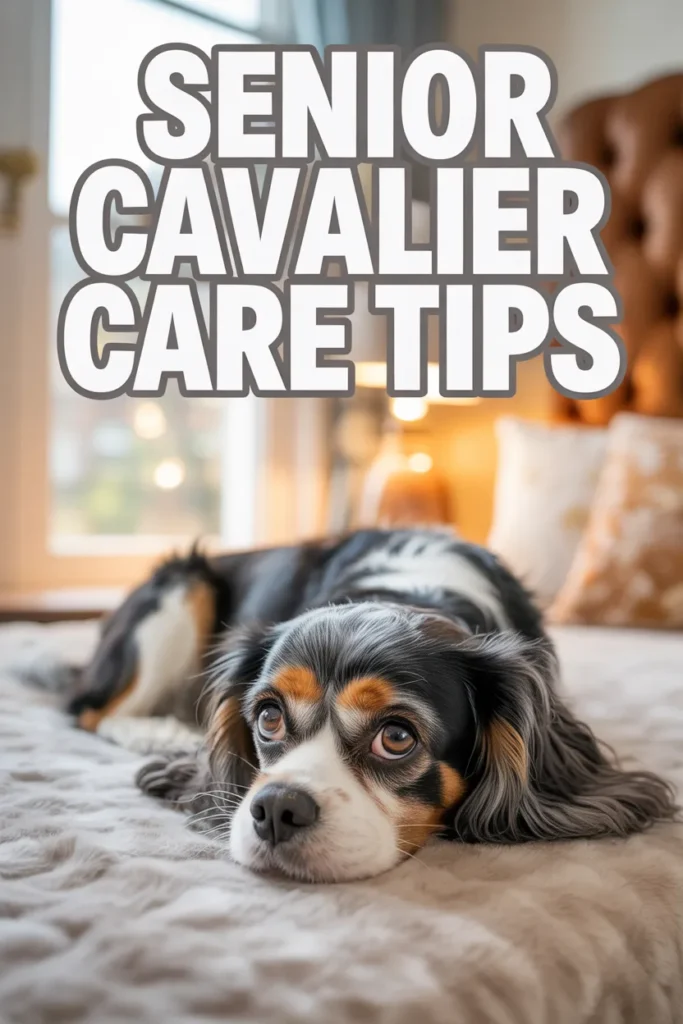
In this guide, I’m sharing what truly matters for senior Cavaliers based on real experience and practical care. These small changes can make a big difference in how they feel every day.
Key Takeaways
- Senior Cavaliers usually age around 7–8 years
- Proper nutrition helps prevent muscle loss and weight gain
- Comfortable living space reduces joint pain and stress
- Daily light activity keeps both mind and body active
- Regular vet visits help catch issues early
- Emotional bonding becomes more important than ever
Understanding the Needs of Senior Cavalier King Charles Spaniels
I used to think my Cavalier was still young at seven because they still had bursts of energy. But I later learned that most Cavaliers are considered seniors around this age.
This stage comes with common health risks like heart issues and joint problems. Studies show that over 50% of Cavaliers develop heart disease later in life, so awareness really matters.
I also noticed changes in behavior—shorter walks, more naps, and less interest in intense play. These are normal signs of aging, and adjusting routines early makes things easier for them.
Things Senior Cavaliers Will Thank You For Doing
#1 Proper Nutrition
Special Dietary Requirements
From my experience, diet plays a huge role in how my senior Cavalier feels daily.
- Quality Protein Sources: I make sure their meals include good protein like chicken or fish to help maintain muscle. Senior dogs can lose muscle mass quickly without it.
- Reduced-Calorie Intake: Since activity levels drop, weight gain becomes common. Even a small increase in weight can stress joints and heart health.
- Nutritional Supplements: I’ve personally seen benefits from omega-3 and glucosamine. They support joints and may help with brain function as dogs age. Always check with a vet first.
Hydration Importance
I used to overlook water, but it’s more important than I thought.
- Fresh water supports digestion and joint health
- I place multiple bowls around the house to make access easier
- Sometimes I add ice cubes or broth to encourage drinking
A well-hydrated dog is more active and comfortable overall.
#2 Prioritizing Their Comfort
As my Cavalier aged, comfort became a top priority—not a luxury.
Orthopedic Bedding
I switched to an orthopedic bed, and the difference was noticeable.
- It supports joints and reduces pressure on hips
- Helps dogs with arthritis sleep better
- I placed it in a warm, quiet area to avoid drafts
Safe Spaces
I learned that consistency matters more than anything.
- Keeping their bed, food, and toys in the same place reduces confusion
- A quiet corner helps them rest without stress or noise
Clothing and Warmth
Senior Cavaliers feel cold more easily.
- I use light sweaters during colder days
- I avoid sudden temperature changes at home
Keeping them warm helps prevent stiffness and discomfort.
Pro tip: Keeping senior Cavaliers warm with light sweaters and stable room temperature helps reduce stiffness and keeps them comfortable.
#3 Maintaining Mental and Physical Stimulation
Even though my dog slowed down, their desire to stay engaged never disappeared.
I switched to shorter, gentle walks instead of long ones. It keeps them active without overexertion.
Puzzle toys and simple games also help keep their mind sharp. Research shows mental stimulation can slow cognitive decline in older dogs.
What I’ve learned is consistency matters more than intensity. Even 10–15 minutes of daily activity makes a difference.
#4 Regular Vet Visits and Health Monitoring
As my Cavalier got older, vet visits became more frequent. I now aim for check-ups every 6 months.
Early detection can save both money and your dog’s life. Many conditions, especially heart disease, progress silently.
At home, I keep a simple routine:
- Check gums and eyes weekly
- Monitor weight changes
- Watch for behavior shifts like low energy or appetite loss
Catching small signs early has helped me avoid bigger problems.
#5 Building a Strong Emotional Bond
This is the part that matters the most to me.
As my Cavalier aged, I noticed they needed more closeness and reassurance. The bond feels deeper in these years.
Simple things like sitting together, gentle brushing, or quiet time mean everything to them. It’s not just care—it’s connection.
I’ve realized that while their body slows down, their love doesn’t change at all. If anything, it feels stronger.
These moments may seem small, but they become the ones you remember the most.
All content on this site is written and reviewed by our experienced team to ensure it is accurate, reliable, and helpful for our readers. Our Our Process page explains how we carefully research and create high-quality content, while our Team page introduces the professionals behind our work. We also provide clear guidelines for content or image concerns on our Image Removal page, so you can trust that we prioritize transparency, quality, and reader safety.