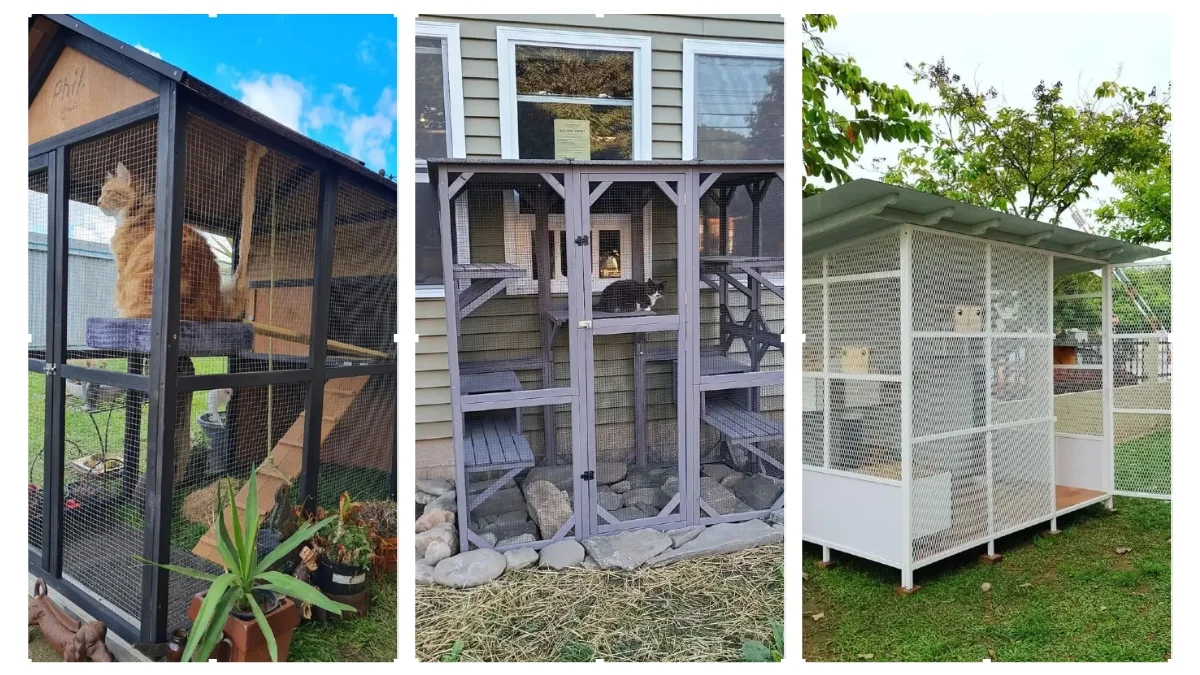
20 Cozy Outdoor Cat House Ideas
I’ve noticed many cat owners struggle to create a safe outdoor space without exposing their pets to weather or risks. In this guide, I’m sharing practical outdoor cat house ideas that balance comfort, safety, and stimulation. Based on common pet care standards, outdoor shelters should stay dry, insulated, and slightly elevated to prevent moisture buildup.
From what I’ve analyzed, the best outdoor cat houses combine three essentials: protection from weather, enough vertical space for activity, and secure enclosures to avoid predators. Designs like catios and multi-level enclosures are especially effective because they improve a cat’s physical activity by up to 30% compared to flat shelters.
Key Takeaways
- I always prioritize elevation to keep the shelter dry and safe
- Multi-level designs help reduce boredom and improve activity
- Insulated houses are essential if temperatures drop below 10°C
- Mesh enclosures offer safety while allowing airflow
- Simple designs can still be highly effective if weatherproofed properly
#1. Elevated Catio Haven
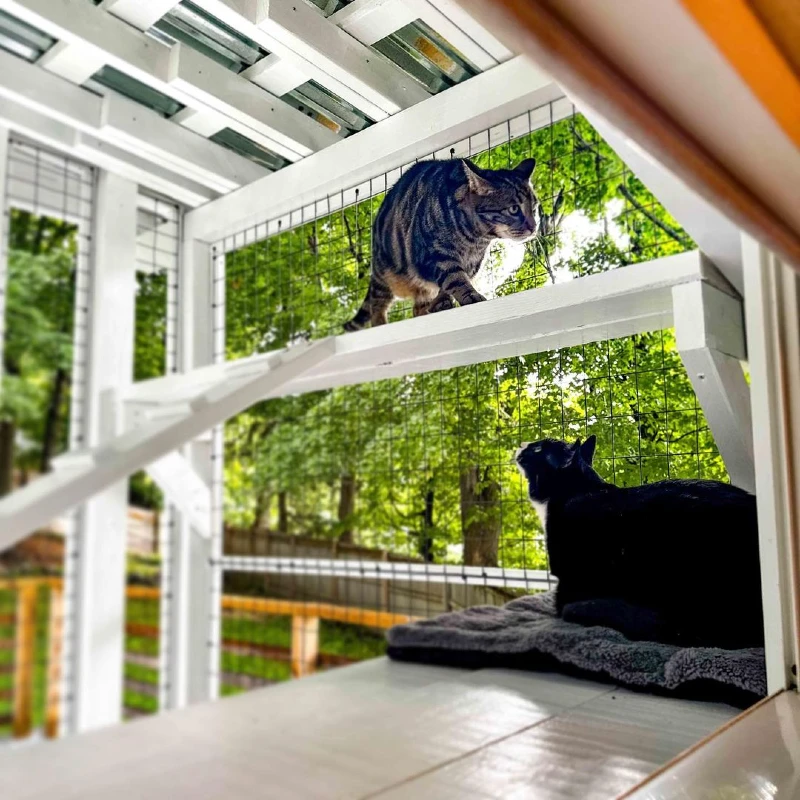
I find elevated catios one of the best options for indoor cats. They allow safe outdoor exposure while keeping risks under control. The multiple levels encourage climbing, which supports a cat’s natural behavior. Adding ramps and platforms also helps improve daily activity.
#2. Rustic Outdoor Cat Retreat
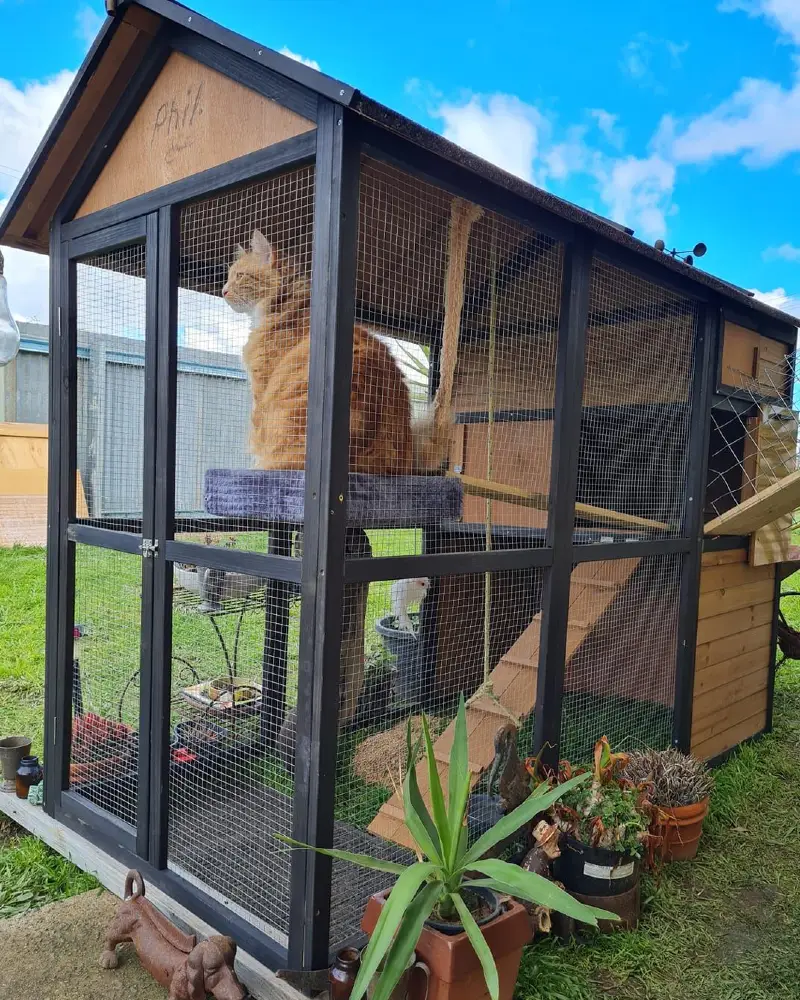
This design works well when I want a balance between airflow and safety. Wooden frames with mesh panels provide ventilation while keeping cats secure. I’ve noticed weather-resistant roofing makes a big difference in long-term durability.
#3. Cozy Porch Cat Cottage
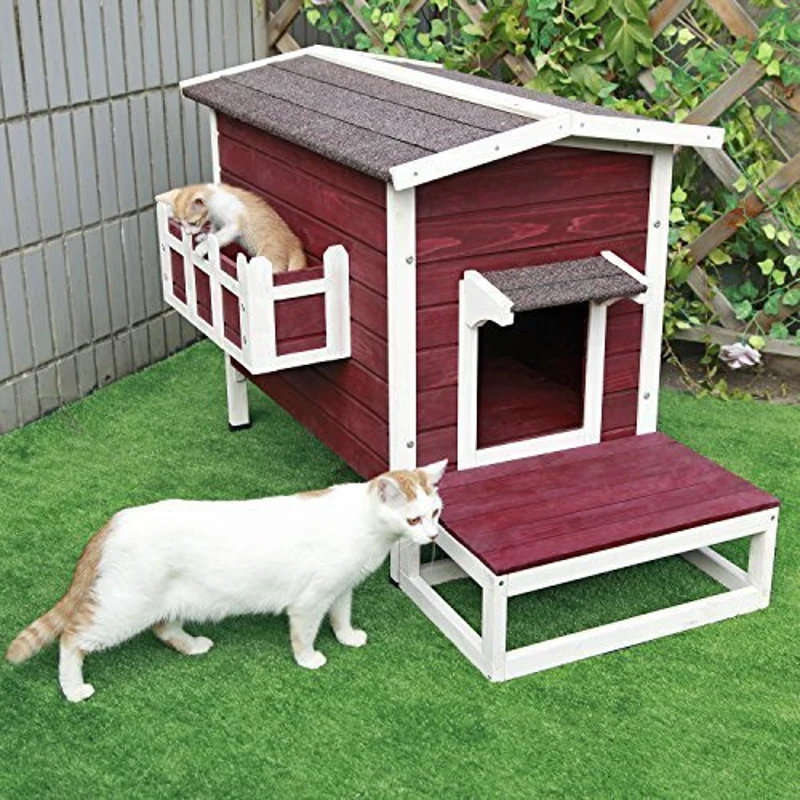
I prefer this option for smaller outdoor spaces like patios. The raised structure helps keep the interior dry, especially in rainy conditions. A small balcony or platform gives cats extra space to relax and observe.
#4. Fish-Themed Feline Lodge
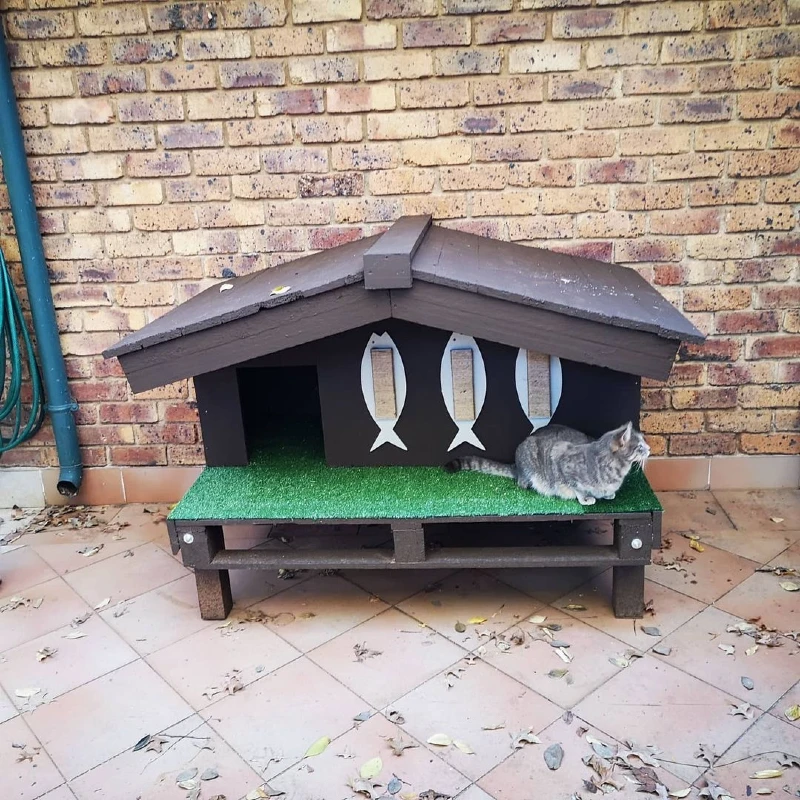
Even though this design looks decorative, I focus on its practical side. Elevated flooring and a sloped roof help protect against rain. I always suggest making sure style doesn’t compromise comfort and shelter quality.
#5. Two-Story Cat Chalet
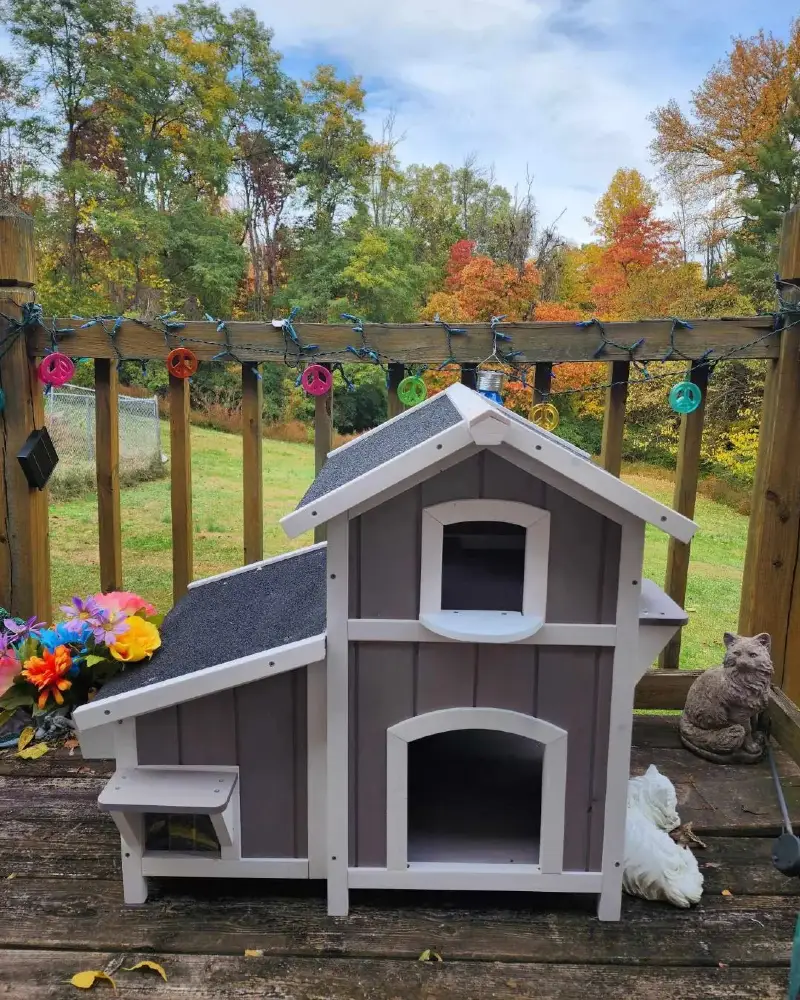
I’ve found two-story houses ideal for multi-cat homes. They provide separate spaces, which helps reduce territorial stress. The upper level also gives cats a vantage point, something they naturally prefer.
#6. Multi-Level Catio Playground
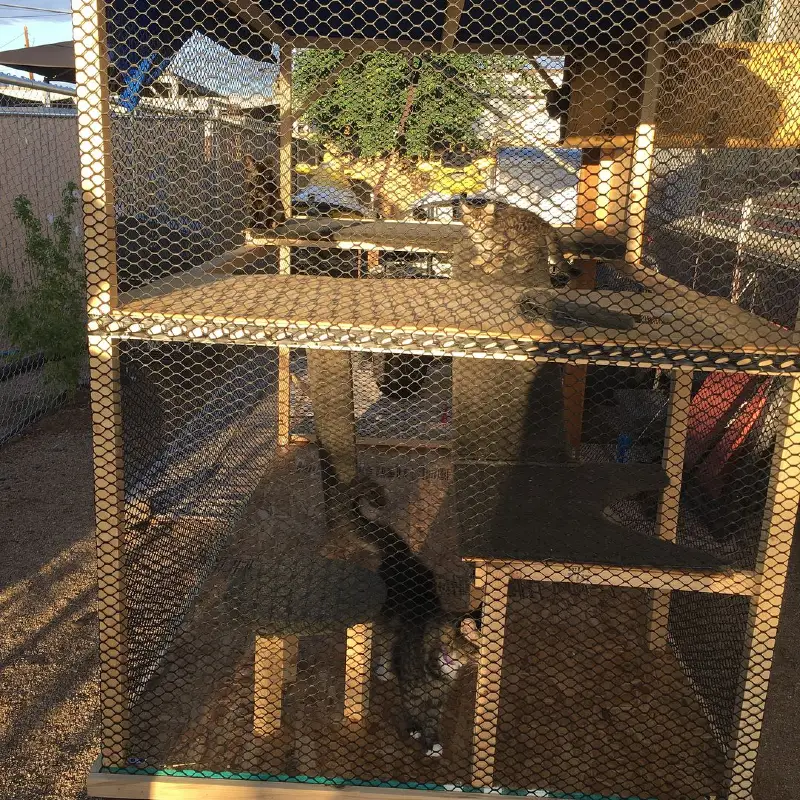
This is a great choice if your cat is highly active. I’ve seen that vertical space increases movement and keeps cats mentally stimulated. Secure mesh walls ensure safety while still allowing fresh air and sunlight.
#7. Cozy Cabin Cat Shelter
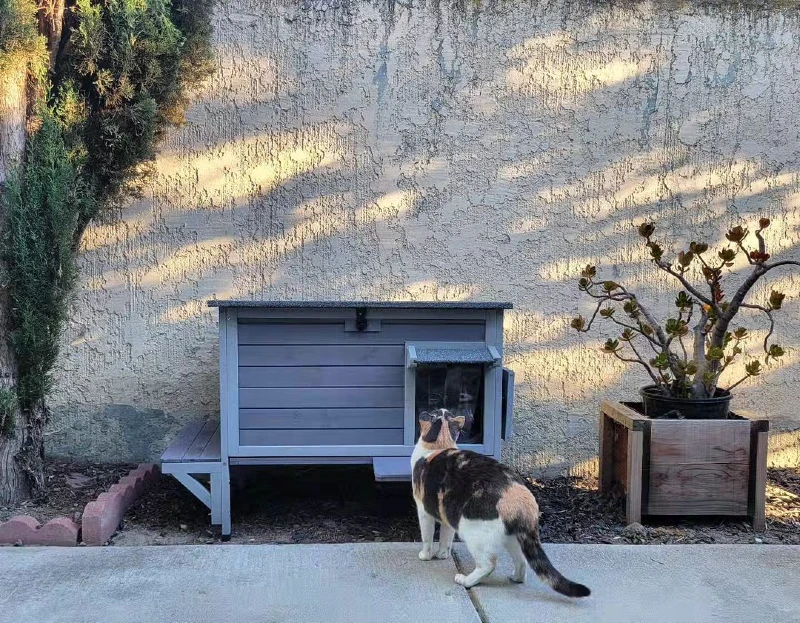
I recommend this type for colder or rainy areas. The enclosed structure keeps heat inside and blocks wind. In my experience, a single entrance design helps maintain warmth better.
#8. Two-Level Cat Bungalow
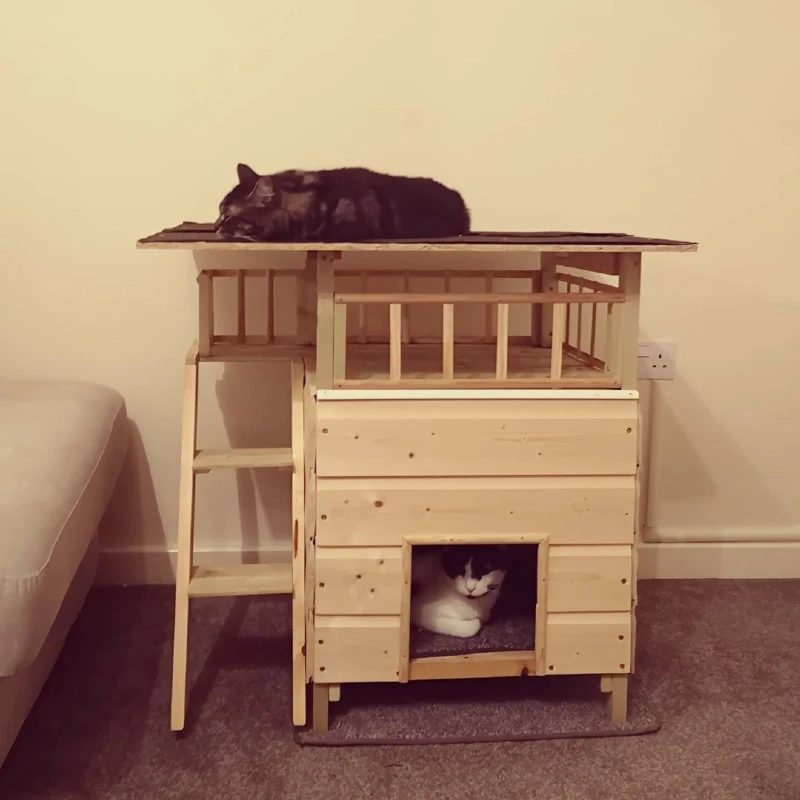
This design offers a good mix of privacy and openness. I like how the lower section provides a secure resting area, while the upper deck gives a sunny lounging spot. It works well for both relaxation and activity.
#9. Deluxe Outdoor Cat Enclosure
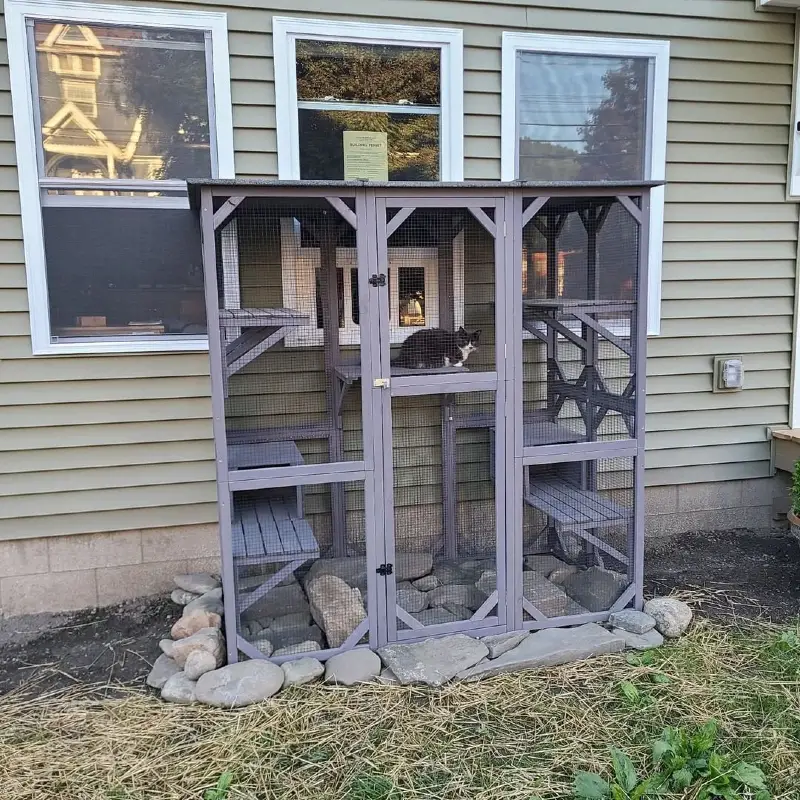
I’ve seen this work best when attached to a house. It allows cats to move in and out safely. Multiple platforms increase activity, and a solid roof helps protect from harsh weather conditions.
#10. Minimalist Weatherproof Cat Shelter
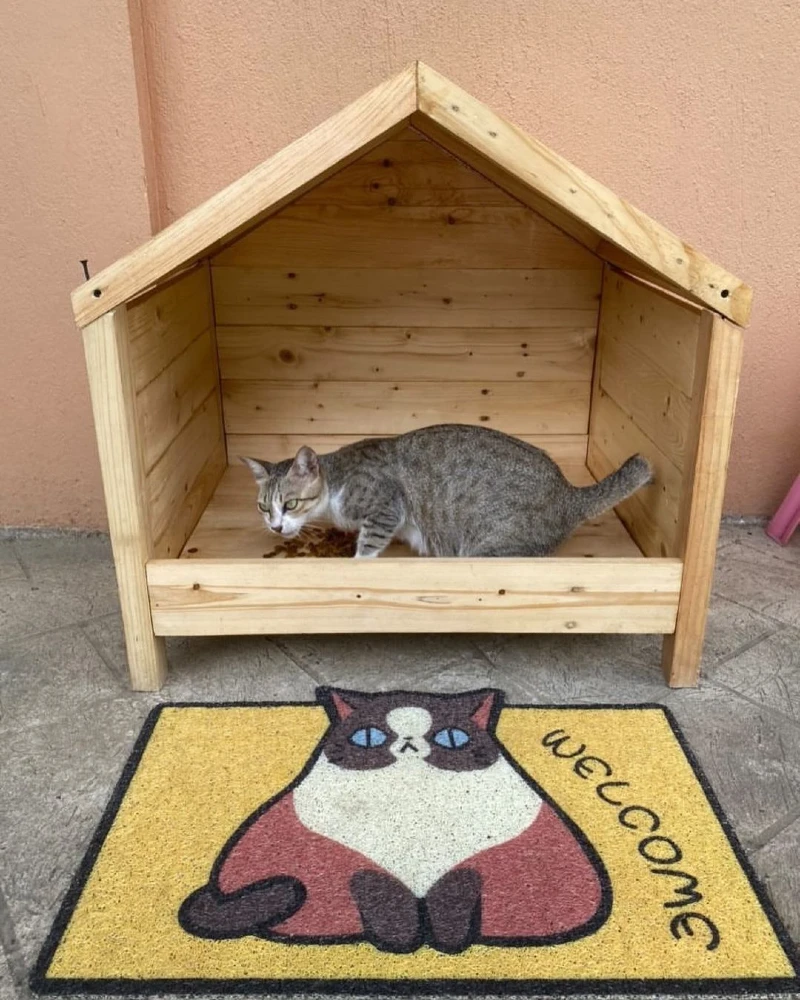
Sometimes simple designs perform the best. I’ve used similar setups where a basic wooden structure with a sloped roof keeps cats dry and comfortable. It’s a good option if you’re on a budget.
#11. Modern Mesh Catio Pavilion
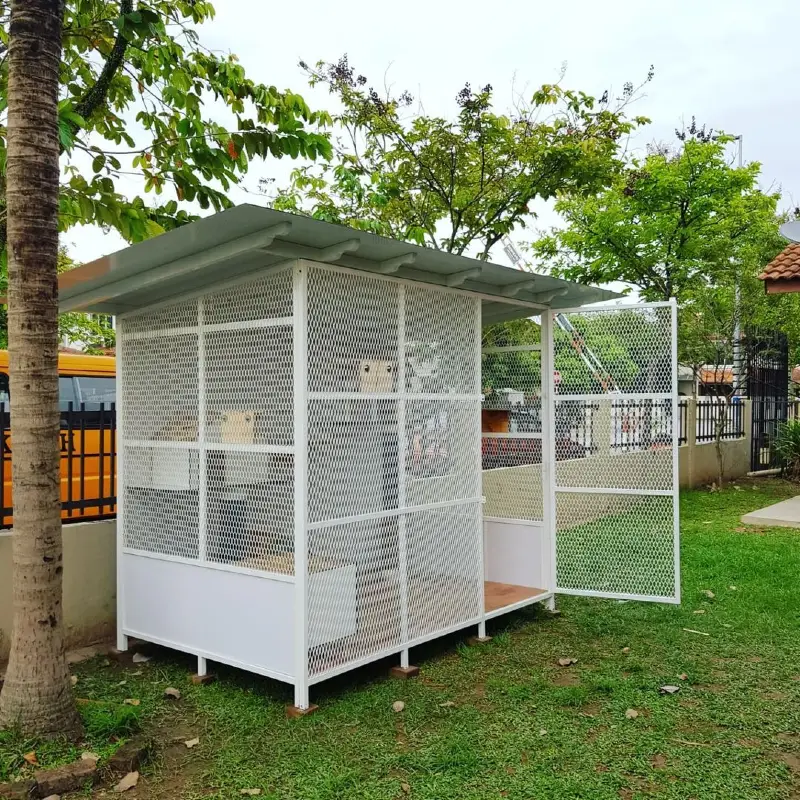
I like this for larger outdoor areas. The open mesh design improves ventilation while keeping cats secure. Adding multiple perches helps create a more engaging environment.
#12. Rustic Balcony Cat House
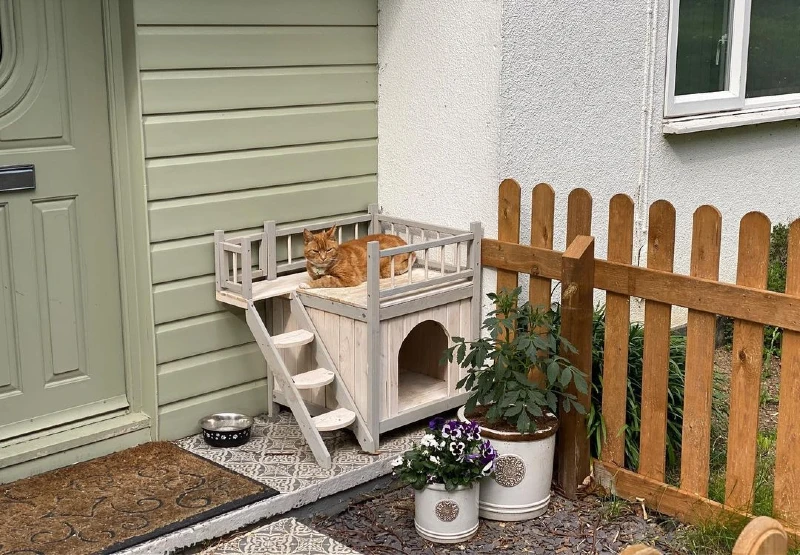
This is ideal for compact spaces. I’ve noticed cats enjoy the upper balcony for sunbathing. The enclosed lower area adds a sense of security, especially during colder days.
#13. Modern Outdoor Cattery
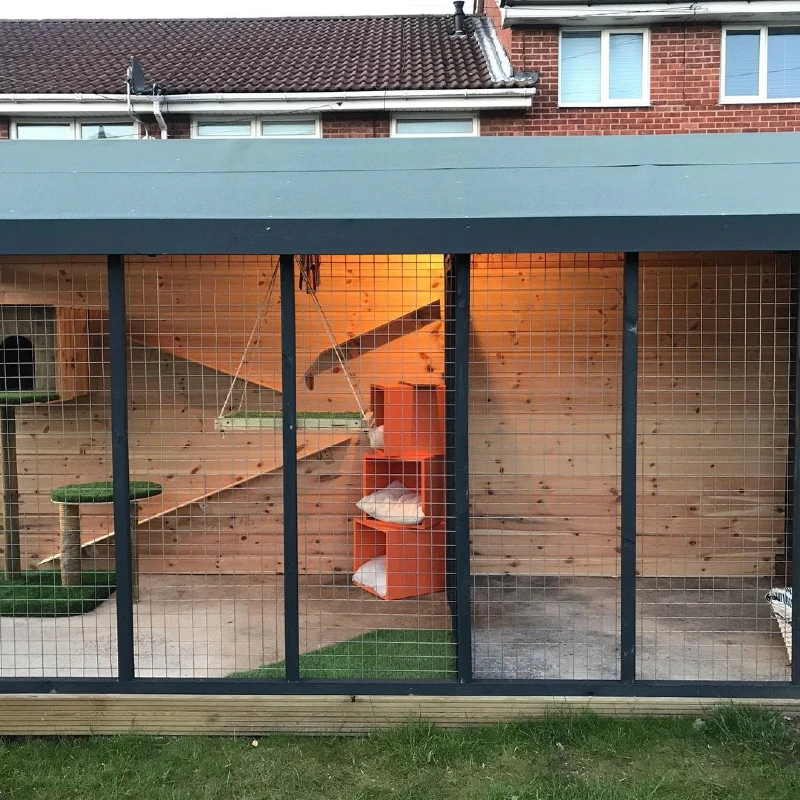
For multiple cats, I find this setup very effective. It offers enough space for movement, climbing, and resting. Features like scratching posts and ramps help keep cats active and reduce destructive behavior.
#14. Stackable Insulated Cat Cabin
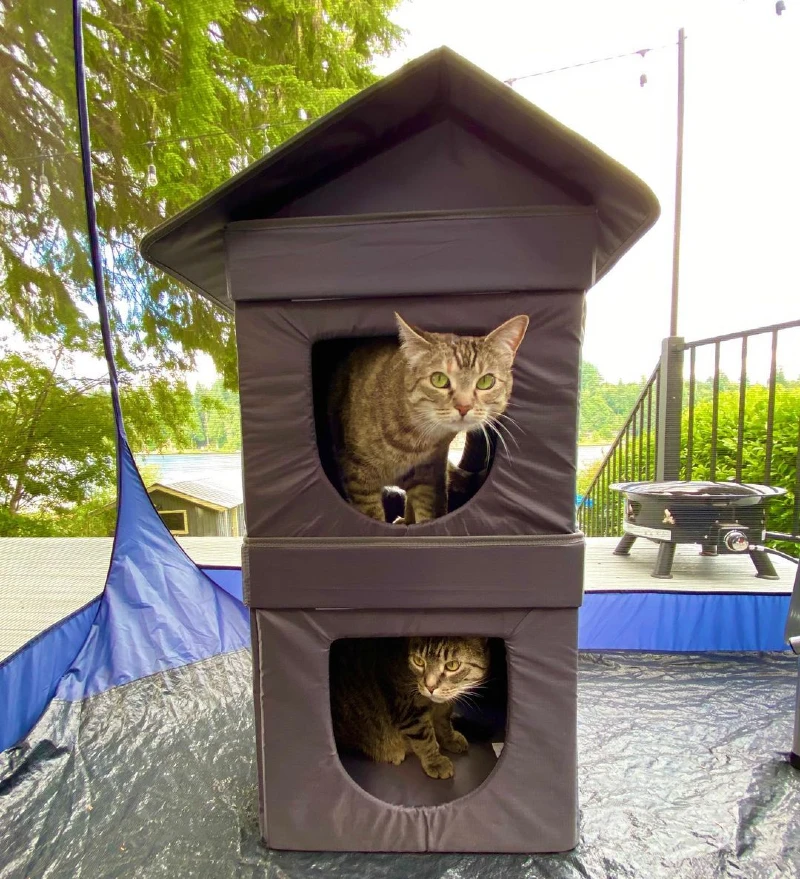
I recommend this for flexibility. The stacked design allows multiple cats to have their own space. Insulated materials help retain warmth, making it suitable for year-round use.
#15. Perfect Outdoor Haven for Cats
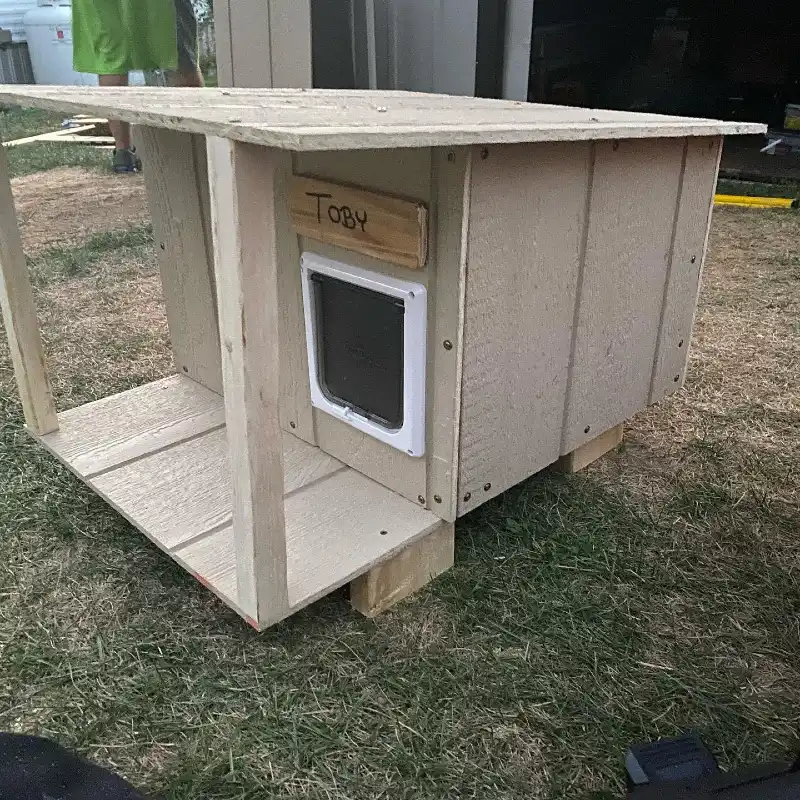
This is a simple yet practical design. I’ve seen elevated wooden houses perform well in most environments. They protect against moisture and offer a safe resting space.
#16. The Classic Beige Haven
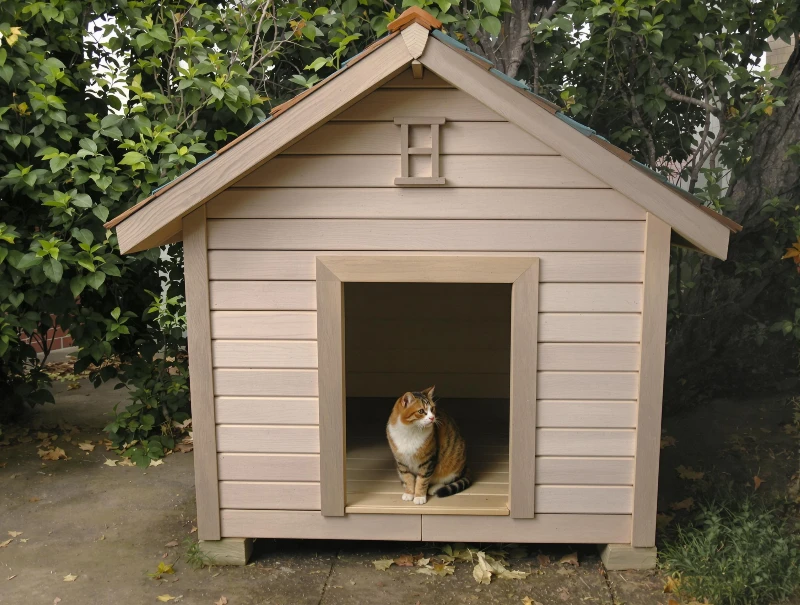
I consider this a strong option for colder climates. The A-frame design helps with insulation, and ventilation prevents moisture buildup. There’s also enough room to add bedding or a heating pad.
#17. The Country Cottage Retreat
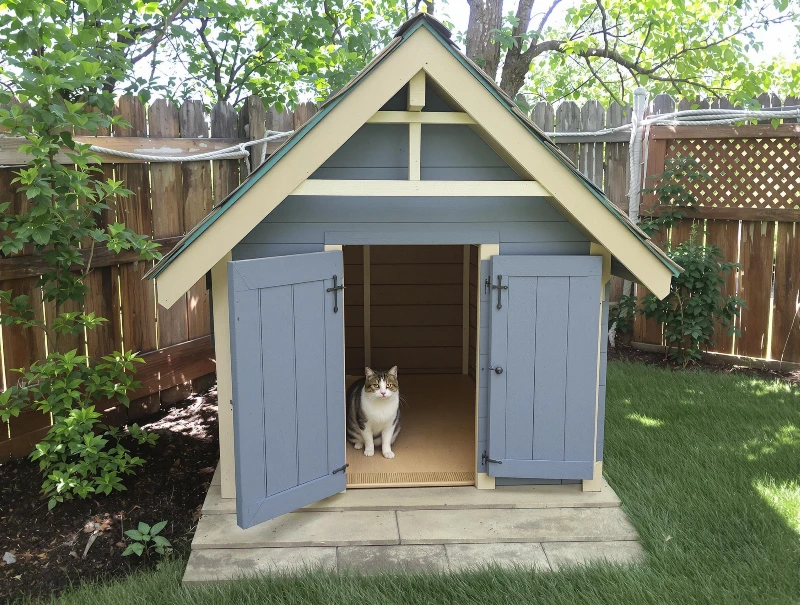
I like this design for its durability and structure. A solid base keeps it stable and dry. The dual-door feature improves airflow and access, which is useful in different weather conditions.
#18. The Tudor Arch Manor
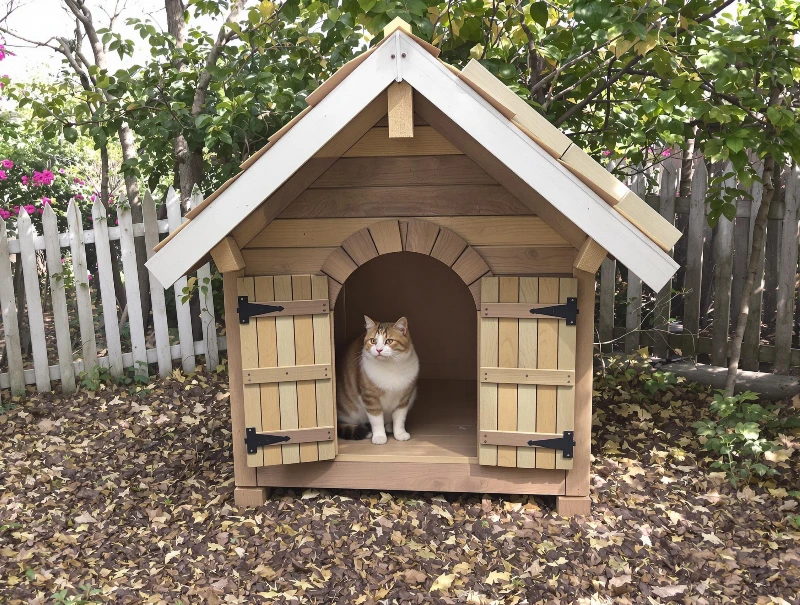
This design stands out visually, but I focus on its raised platform and roof coverage. These features help protect against rain and ground moisture. It’s both functional and long-lasting.
#19. The Garden Cottage Hideaway
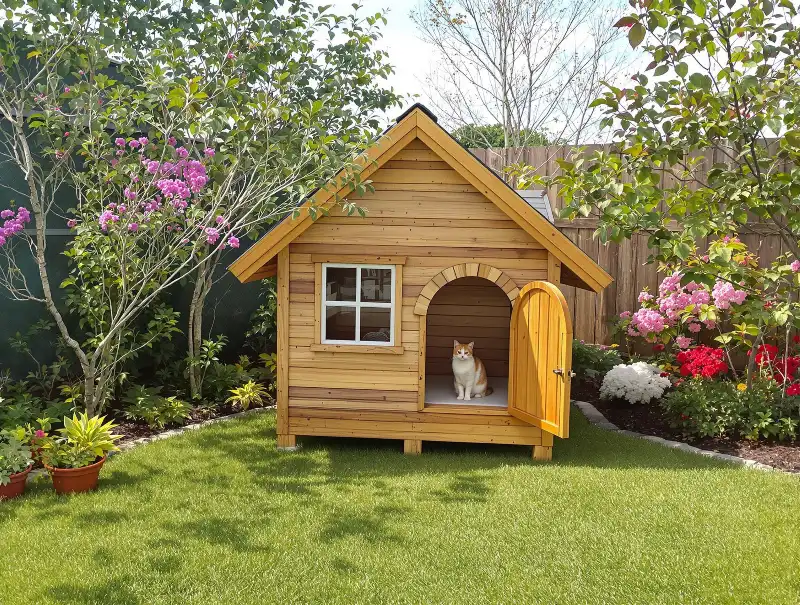
I’ve noticed this works well in landscaped gardens. The ventilation and elevated structure keep the interior comfortable. It also blends nicely with outdoor surroundings.
#20. The Elevated Farmhouse Haven
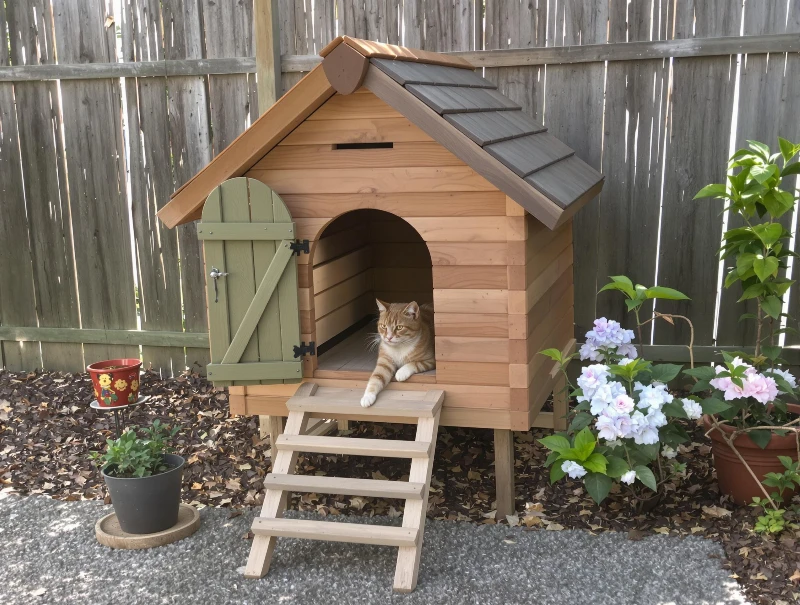
This is one of my preferred designs for safety. The raised structure protects from predators and damp ground. A small staircase also makes access easier for cats of different ages.
All content on this site is written and reviewed by our experienced team to ensure it is accurate, reliable, and helpful for our readers. Our Our Process page explains how we carefully research and create high-quality content, while our Team page introduces the professionals behind our work. We also provide clear guidelines for content or image concerns on our Image Removal page, so you can trust that we prioritize transparency, quality, and reader safety.