Air Fryer Dog Food Made With White Fish and Carrots – Simple, Fresh, and Gentle on Tummies
White fish and carrots make an ideal light and wholesome meal for many dogs, especially those with sensitive stomachs. When I first tried making this for my own dog, I noticed how quickly and cleanly it cooked in the air fryer, and it allowed me to control every single ingredient, which I always prefer. The fish turns perfectly flaky, the carrots come out tender, and you’re left with a meal that feels genuinely good to serve to your pup. It’s satisfying knowing exactly what’s going into their food, without any unnecessary additives or preservatives.
If you’re just starting with homemade dog food, this recipe is a fantastic entry point. The steps are simple, the ingredients are easy to find, and the end result is something most dogs truly enjoy. I often use this either as a standalone fresh meal, as a topper over kibble, or rotated throughout the week for variety. It’s important to remember, though, that homemade meals should complement a balanced diet, so always check with your vet if you plan to switch to homemade full-time.
What Makes This Special
There are a few things that make this recipe stand out. The first is the protein: white fish like cod, pollock, or haddock is incredibly lean and easy on the digestive system. When I serve this to dogs who are finicky or have sensitive tummies, I often notice they tolerate it much better than heavier, fattier proteins.
The ingredient list is also wonderfully simple. You’re using real, whole foods—nothing artificial or hidden—so you know exactly what your dog is eating. For me, that peace of mind is priceless.
Cooking it in an air fryer makes the process fast, clean, and reliable. There’s minimal cleanup, and the results are consistent every single time. I’ve found that the flaky texture of the fish combined with the slight natural sweetness of carrots tends to appeal even to picky eaters.
Finally, the recipe is flexible. You can easily add vet-approved extras like rice, quinoa, or pumpkin to give it more bulk, fiber, or calories depending on your dog’s needs. I sometimes like to include a little extra broth or a few green veggies to change the flavor and texture slightly, keeping mealtime exciting.
What You’ll Need
To make this meal, you’ll need:
- 1 lb (450 g) skinless white fish fillets such as cod, pollock, haddock, or tilapia, carefully deboned
- 1 cup carrots, finely diced or shredded
- 1 cup cooked brown rice or quinoa (optional, for added carbs and bulk)
- 1–2 tablespoons olive oil or fish oil, which provides healthy fats and omega-3s
- 1/4–1/2 cup low-sodium chicken or fish broth (optional, for extra moisture)
- 1/4 cup peas, plain and thawed if frozen (optional)
- 1 egg (optional; it helps bind the mixture and adds protein and choline)
- A pinch of dried parsley (optional, for freshness—no onions or garlic)
- Nonstick spray or a light brush of oil for the air fryer basket
I personally like to measure everything out first, so that when I start cooking, the process flows smoothly and I don’t have to scramble looking for ingredients.
Instructions
Prep the fish and vegetables: Pat the fish dry and cut it into large chunks so it cooks evenly. Chop or shred the carrots finely so they cook through in the air fryer and are easy for your dog to digest.
Preheat the air fryer: Set it to 375°F (190°C) for a few minutes. Lightly oil the basket to prevent sticking.
Toss the ingredients: In a mixing bowl, combine the fish, carrots, and peas if using. Add olive or fish oil and a little broth if the mixture seems dry. If you’re adding an egg, whisk it first and then toss the fish and vegetables in it to coat evenly.
Arrange in the basket: Spread the mixture in a single layer. Some slight overlapping is okay, but avoid piling it up too thickly; this ensures the fish cooks evenly and the carrots become tender.
Air fry: Cook for 8–12 minutes, shaking the basket halfway through. The fish should flake easily and reach an internal temperature of 145°F (63°C). The carrots should be soft but not mushy.
Cook the starch separately: If you’re including rice or quinoa, prepare them according to package instructions. Let them cool slightly.
Combine everything: Flake the fish gently with a fork in a large mixing bowl. Stir in the rice or quinoa, and add a splash of warm broth if needed to create a soft, spoonable consistency.
Cool completely: Make sure the mixture reaches room temperature before serving. This protects your dog’s mouth and ensures that nutrients are preserved.
Serve: Offer an appropriate portion based on your dog’s size and activity level. Store the rest safely.
How to Store
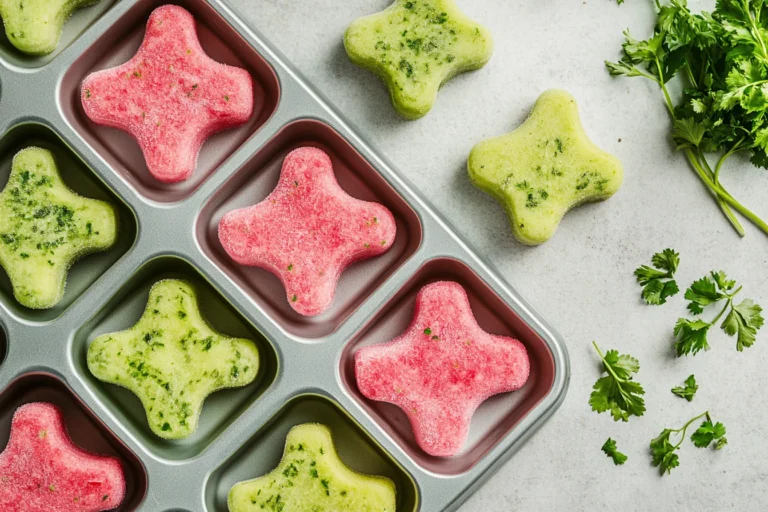
This food can be kept in the refrigerator for up to three days in an airtight container. For longer storage, portion it into single-serve containers or silicone molds and freeze for up to two months. Always thaw overnight in the fridge before serving.
When reheating, warm it gently on the stove with a splash of water or broth. Avoid microwaving for long periods, as this can create hot spots that might burn your dog’s mouth. If you notice any sour smell, slimy texture, or unusual color, discard the food immediately.
Why This is Good for You
White fish is a lean protein that supports muscle health without weighing dogs down with excess fat, making it ideal for sensitive stomachs or dogs needing weight management. Fish and fish oil contribute omega-3 fatty acids, which support skin, coat, joints, and heart health. Carrots provide fiber and essential vitamins like beta-carotene and vitamin K, helping with digestion and overall nutrition.
The moist, soft texture of this meal makes it especially suitable for older dogs or those with dental sensitivities, and cooking it yourself gives you full control over ingredients, avoiding unnecessary sodium, fillers, and seasoning.
Pitfalls to Watch Out For
Always check fish fillets for bones, as even small pin bones can pose a hazard. Avoid adding salt, garlic, onions, or spices—these can be toxic to dogs.
Overcooking the fish can make it dry and less appealing. Ensure the fish flakes easily and the carrots are tender. Very lean meals may lack sufficient fats, so add a dog-safe oil if needed.
This recipe is not nutritionally complete on its own. For full-time feeding, you should consult your veterinarian about supplements for vitamins, minerals, and calcium. Introduce new proteins slowly and monitor your dog for any signs of allergies or digestive upset.
Recipe Variations
You can customize this recipe in several ways. Swap rice for cooked mashed sweet potato for a grain-free version with extra fiber. Add a spoonful of pumpkin puree for digestive support, or toss in green beans or spinach toward the end of cooking. When cooled, you can mix in a vet-approved calcium supplement if needed. Pollock or haddock can be more budget-friendly options; just avoid high-mercury or smoked fish.
FAQ
How much should I feed my dog? Portions depend on size, age, and activity. As a general guide, start with 2–3% of body weight per day, split into meals. For example, a 20 lb dog might eat 6–9 ounces daily, adjusting as needed.
Can I use canned fish? Yes, as long as it’s packed in water with no salt or seasonings. Drain thoroughly. Fresh or frozen fish tends to have better texture.
Is this a complete diet? No, it’s a wholesome base but does not supply all vitamins and minerals needed long-term. Consult your vet for supplements if feeding full-time.
What if my dog is allergic to fish? Substitute another lean protein like turkey breast, keeping other ingredients the same and confirming changes with your vet.
Can puppies eat this? Puppies can have this occasionally, but it’s not balanced for growth. Use a vet-formulated puppy diet for full-time feeding.
Do I need to peel the carrots? Peeling is optional. Wash and chop finely so they cook and digest easily.
Can I cook rice with the fish in the air fryer? No. Rice and quinoa need water and separate cooking. Combine with the fish after it’s cooked.
Air fryer tips if yours runs hot: Lower the temperature to 360°F and check at 7–8 minutes. Fish should be opaque and flaky, carrots tender.
Is fish oil safe? Yes, in modest amounts based on your dog’s size. Too much can cause stomach upset or affect clotting.
How to make it more enticing for picky eaters? Add a splash of low-sodium broth, plain yogurt, or salmon skin flakes as a safe topper.
Final Thoughts of Air Fryer Dog Food Made With White Fish and Carrots
Air Fryer Dog Food Made With White Fish and Carrots is simple, quick, and wholesome. It’s a meal that most dogs enjoy and allows you to know exactly what’s in their food. You can serve it as a fresh meal, a topper, or rotate it into your dog’s diet for variety. With some planning and your veterinarian’s guidance, it’s easy to make this a healthy, practical, and delicious part of your dog’s weekly routine.