Are Guinea Pigs Good For Kids?
If your child has been asking for a pet, chances are a guinea pig has come up in the conversation. Over the past 20 years of working with animals, grooming pets, and helping families choose beginner-friendly companions, I’ve seen many parents consider guinea pigs as their child’s first small pet. And honestly, they can be wonderful—but only when families understand what caring for them actually involves.
The short answer is yes—guinea pigs can be excellent pets for kids, but they are not “toy pets” and they definitely require daily care. When parents and kids work together, these small animals can become incredibly affectionate companions that help children learn responsibility and empathy.
Key Takeaways
- Guinea pigs are friendly, social, and interactive pets, which makes them great for children.
- They are generally easier to care for than dogs or cats but still require daily attention and cleaning.
- Guinea pigs should never live alone; a bonded pair is much happier.
- Kids can learn responsibility, empathy, and routine care by helping with feeding and cleaning.
- Guinea pigs need fresh hay, vegetables rich in vitamin C, and clean living space daily.
- They typically live 5–7 years, so families should be ready for a long-term commitment.
- Parents should supervise handling, especially with children under 8 years old.
From my experience helping families care for small animals, guinea pigs often become a child’s first real lesson in caring for another living being.
Why Guinea Pigs Are Great for Kids
1. They’re Friendly (Unlike Some Other Small Pets)
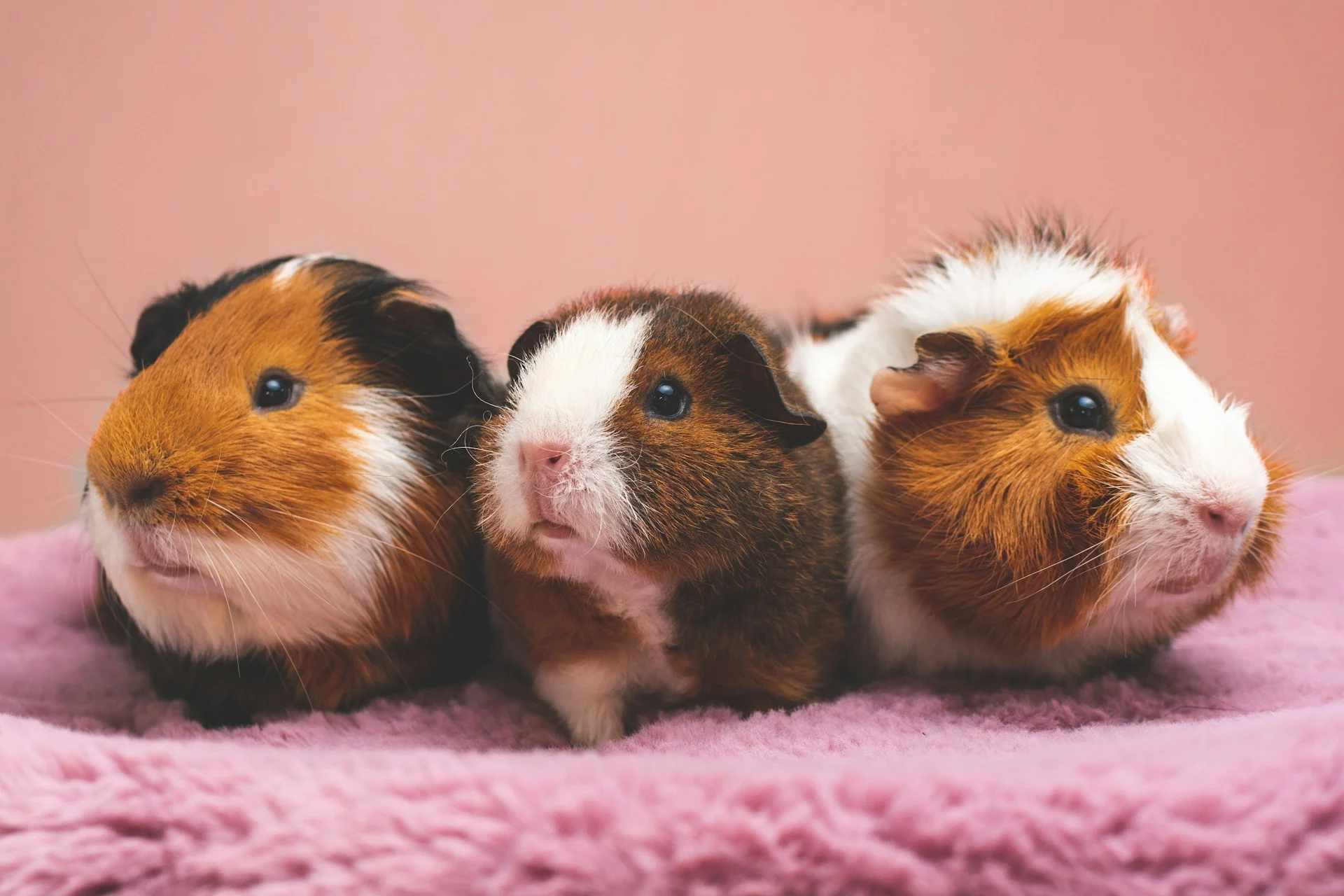
One reason I often recommend guinea pigs to families is their naturally gentle and social personality.
Unlike hamsters, which are often nocturnal and may nip when startled, guinea pigs are diurnal animals, meaning they are awake during the day. That makes them much better companions for kids who want to interact with their pets after school.
In my experience, guinea pigs rarely bite when handled gently. They prefer calm interaction and often enjoy sitting quietly on a child’s lap.
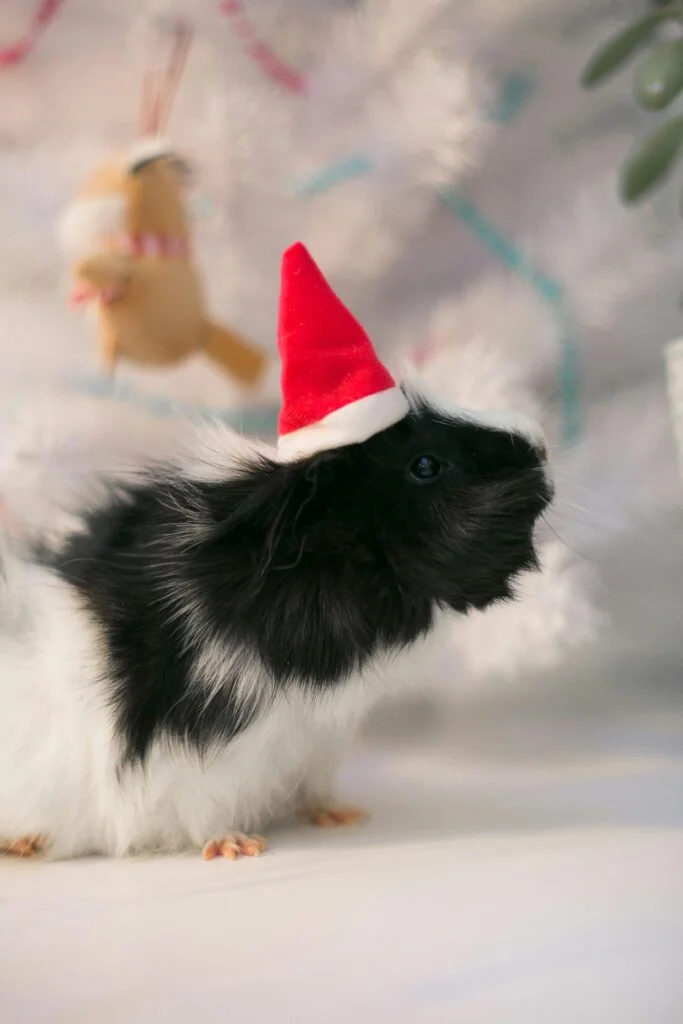
Another important tip I always share with families: get two guinea pigs instead of one. These animals are highly social and feel safer living with another guinea pig. A bonded pair is usually more active, happier, and less stressed.
2. They’re Low(ish) Maintenance
Compared to dogs or cats, guinea pigs are definitely easier to manage.
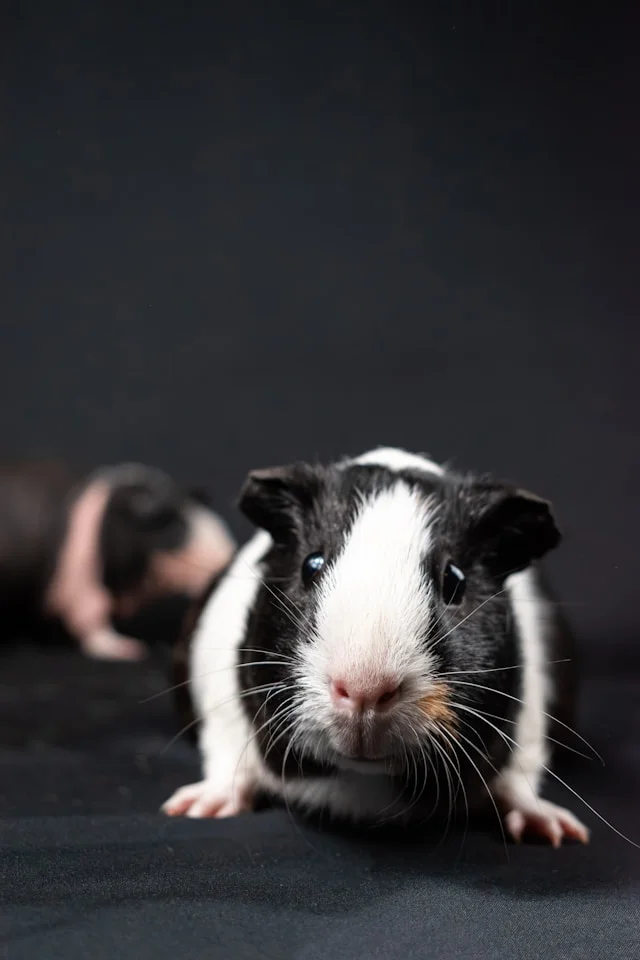
They don’t need walks, grooming appointments, or litter training. However, they still require consistent daily care.
Basic daily needs include:
- Unlimited hay (which supports digestion)
- Fresh vegetables
- Clean water
- A quick cage spot-clean
From what I’ve seen over the years, families who treat guinea pigs as living pets instead of decorative cage animals tend to have the best experience.
3. They Teach Responsibility
One of the biggest benefits of a guinea pig is the opportunity it gives children to learn responsibility.
Kids can help with tasks like:
- Feeding vegetables
- Refilling water bottles
- Checking hay levels
- Helping with cage cleaning
Studies in child development suggest that caring for animals can improve empathy, emotional development, and responsibility in children.
That said, I always remind parents that young kids will still need supervision. Pets should be a shared responsibility between the child and parent.
4. They’re Interactive & Fun
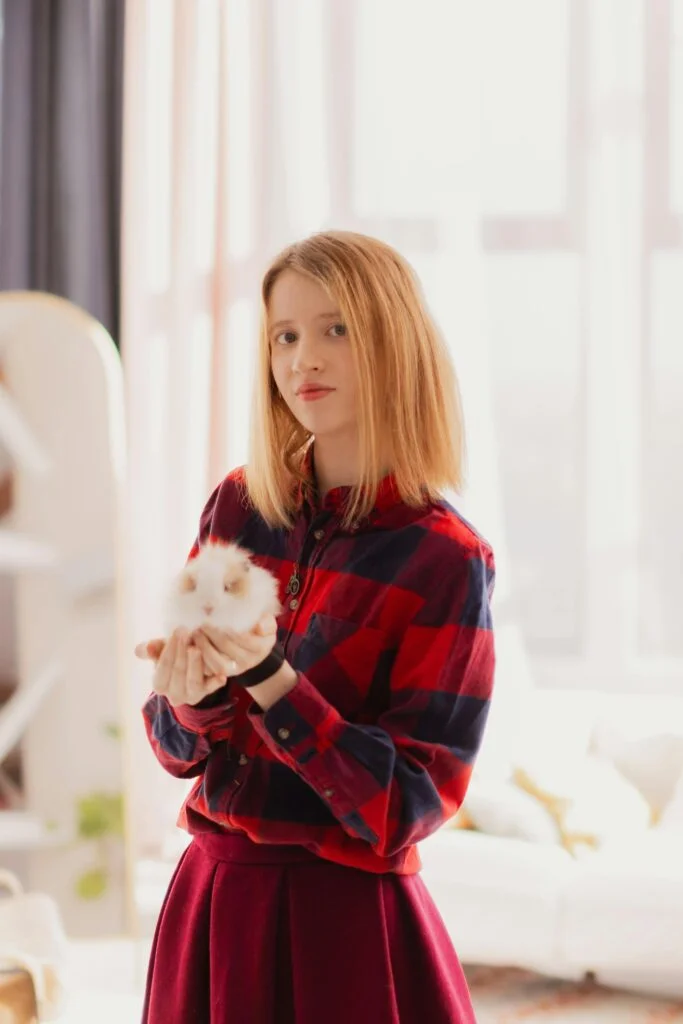
Many people assume small pets are boring, but guinea pigs actually have surprisingly big personalities.
Over the years I’ve watched them:
- “Popcorn” (jump in excitement)
- Wheek loudly when they hear food bags
- Follow their owners around the cage
- Recognize feeding routines
Some guinea pigs even learn to come toward their owners when they hear their voice.
A fun fact I often tell kids: when guinea pigs are happy, they sometimes make a soft purring sound, similar to a cat but much quieter.
The Downsides (What Parents Need to Know)

While guinea pigs are great pets, there are a few realities parents should understand before bringing one home.
1. They Need Space
One of the biggest mistakes I see families make is buying a tiny pet store cage.
Guinea pigs need much more room than most cages provide. Animal welfare groups recommend at least 7.5 square feet for one guinea pig, and even more for two.
Larger cages allow them to:
- Move freely
- Exercise naturally
- Reduce stress
Many experienced owners build C&C cages (cube grid cages) because they are spacious, affordable, and customizable.
2. They’re Messy
I’ll be honest—guinea pigs are not clean pets.
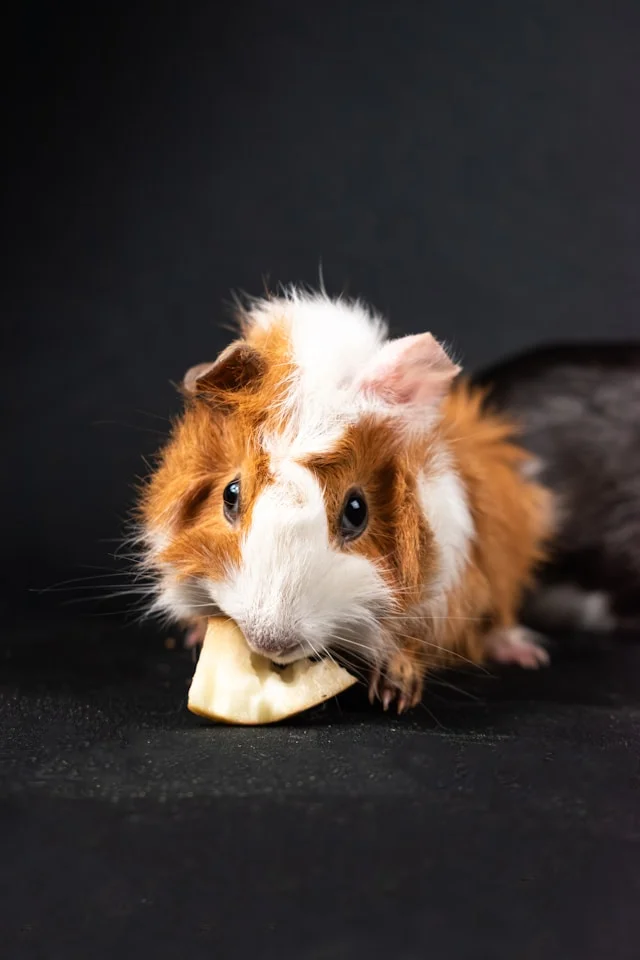
They eat frequently, which means they also produce a lot of droppings throughout the day. Daily spot-cleaning is necessary to keep their environment hygienic.
A full cage cleaning is usually required once per week.
One practical tip I often recommend is using washable fleece liners instead of disposable bedding. They are easier to clean and reduce long-term costs.
3. They Need Fresh Veggies Daily
Guinea pigs have a very unique nutritional requirement.
Unlike many animals, they cannot produce their own vitamin C, which means they must get it from food.
Daily vegetables rich in vitamin C include:
- Bell peppers
- Kale
- Cilantro
- Romaine lettuce
Carrots can be given occasionally but should be limited because they contain higher natural sugars.
Hay should always make up around 80% of a guinea pig’s diet, with vegetables and pellets completing the balance.
4. Vet Bills Add Up
Another thing I always explain to families is that guinea pigs require specialized veterinary care.
They are considered exotic pets, which means not every veterinary clinic treats them.
Common health issues include:
- Respiratory infections
- Dental problems
- Vitamin C deficiency
Setting aside a small monthly amount for future veterinary care can make a big difference.
How to Make It Work (Parent-Approved Tips)
If your family decides to get guinea pigs, a few practical strategies can make the experience smoother.
Supervise handling
Young children may accidentally squeeze too tightly. Teach them to always support the guinea pig’s body with both hands.
Create a care schedule
A simple weekly chart can assign responsibilities like feeding vegetables or checking water bottles.
Consider adopting
Animal rescues often have guinea pigs looking for homes. Adoption is usually more affordable and helps animals in need.
Keep them in pairs
Guinea pigs are social animals, and companionship greatly improves their mental health and activity levels.
FAQs (What Parents Really Want to Know)
Q: What’s the lifespan of a guinea pig?
Guinea pigs typically live 5–7 years, although some may live longer with proper care. This makes them a longer commitment than hamsters but shorter than dogs or cats.
Q: Do guinea pigs smell?
Guinea pigs themselves are actually quite clean animals.
Odor usually comes from an unclean cage. With daily spot-cleaning and weekly deep cleaning, smell is rarely a problem.
Q: Can guinea pigs live alone?
They technically can, but they shouldn’t.
Guinea pigs are highly social animals and generally thrive when living with another guinea pig companion.
Q: Are they noisy at night?
They’re mostly quiet animals.
Occasionally they may rustle hay or make soft squeaking sounds, especially if they hear food preparation in the morning.
Final Verdict: Should You Get One?
After two decades of working with animals and advising families on beginner pets, I can say that guinea pigs are one of the best starter pets for kids when parents stay involved.
They work especially well if your child is:
✔ At least 6 years old
✔ Gentle and patient with animals
✔ Interested in helping with care
And if parents are ready to:
✔ Help with cage cleaning
✔ Cover veterinary costs
✔ Commit to several years of care
When families approach guinea pig ownership with realistic expectations, these little animals become loving, entertaining companions.
But if you’re hoping for a pet that requires zero effort, a stuffed animal might be the easier option.
For families willing to put in a little time and care, guinea pigs can bring years of squeaks, popcorn jumps, and happy moments into your home.