5 Best Companion Dogs for Cavalier King Charles Spaniel
If you ask me, life feels easier with more than one dog—especially when one of them is a Cavalier King Charles Spaniel. From my experience, Cavaliers are naturally social, and pairing them with the right companion can reduce stress, boredom, and even unwanted behaviors.
In this guide, I’ll share what I’ve learned about choosing the right companion dog for a Cavalier. I’ll cover compatibility, behavior traits, and the best breed matches that actually work in real homes.
Save For Later

From what I’ve seen, Cavalier King Charles Spaniels do best with calm, friendly, and affectionate dogs that match their gentle nature. They are highly social and can struggle with separation anxiety, so having another dog around often improves their emotional well-being.
However, not every dog is a good match. Size, energy level, and temperament matter a lot. The best companions are breeds that are not too rough, not overly dominant, and enjoy human and canine company equally.
In this article, I break down the best companion breeds—Boston Terriers, Papillons, French Bulldogs, Pugs, and Shih Tzus—and explain why they work well together based on behavior, lifestyle, and real-world compatibility.
Key Takeaways
- Cavaliers are naturally social and do better with a companion dog
- Matching energy level and temperament is more important than breed
- Small to medium, gentle dogs are the safest choice
- Companion dogs can help reduce separation anxiety
- Avoid overly aggressive or high-energy large breeds
- Proper introduction and early socialization are critical
Are Cavalier King Charles Spaniels Good With Other Dogs?
From what I’ve personally observed, Cavaliers are one of the easiest breeds to pair with other dogs. They are naturally gentle, patient, and rarely show aggression, which makes introductions smoother compared to many other breeds.
They also crave companionship. Studies show that companion dogs can reduce stress-related behaviors by up to 60% in social breeds, and Cavaliers fall right into that category. I’ve seen many Cavvies become calmer and more confident once they have a buddy around.
Another thing I’ve noticed is how adaptable they are. Whether it’s a new home, routine, or another pet, they adjust quickly as long as they feel safe. This makes them ideal for multi-dog households.
Pro Tip: If your Cavalier shows signs of separation anxiety (like whining or destructive behavior), adding a compatible companion can help—but only if introductions are done slowly and correctly.
Do Cavaliers Get Along With Big Dogs?
In my experience, Cavaliers can get along with big dogs—but this depends heavily on the big dog’s personality. Cavaliers are friendly by nature, so they usually don’t start conflicts, even with larger breeds.
That said, their small size (typically 13–18 lbs) makes them physically vulnerable. I’ve seen cases where high-energy large dogs accidentally injure smaller ones during play, even without aggression.
Some Cavaliers may also feel intimidated by very large or dominant dogs, which can increase anxiety instead of reducing it. So while it can work, it’s not always the safest or easiest option.
Pro Tip: If you introduce a large dog, choose one with a calm temperament (like a laid-back retriever) and always supervise early interactions.
5 Best Companion Dogs for Cavalier King Charles Spaniel
From what I’ve seen and experienced, these breeds consistently match well with Cavaliers in terms of temperament, energy, and social behavior.
Boston Terriers
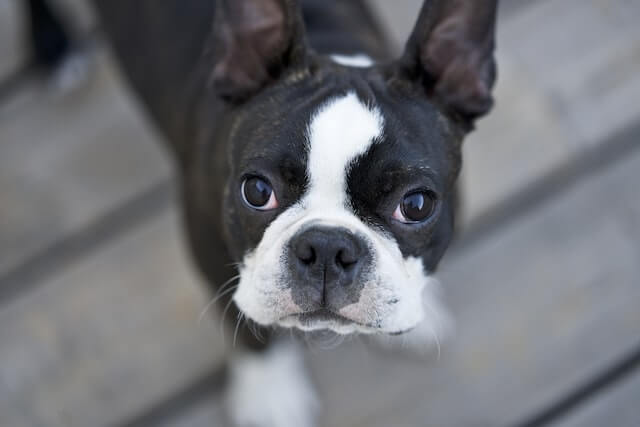
Boston Terriers are one of the most balanced companions for Cavaliers. I’ve found that they share a similar affectionate nature and enjoy human attention just as much.
They are playful but not overly intense, which makes their play style safer for a Cavalier. Plus, both breeds do well in apartments, which is a big advantage for many owners.
However, both breeds can develop strong attachment to their owners, so expect double the need for attention.
Pro Tip: Keep an eye on small pets—Boston Terriers can have a higher prey drive.
Papillons
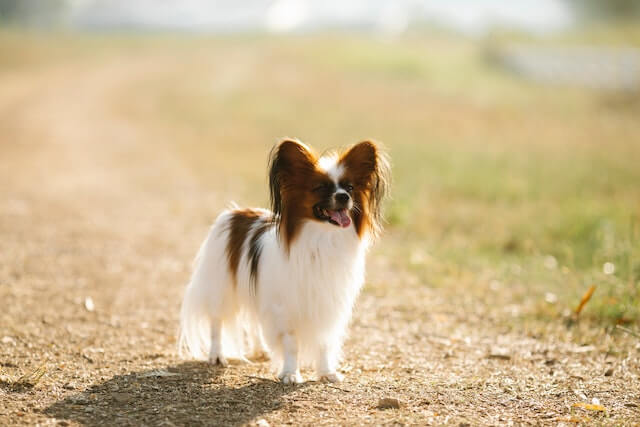
Papillons are a great match, especially if you prefer smaller dogs. I’ve noticed they blend well with Cavaliers because of their similar size and friendly personality.
They are slightly more energetic and intelligent, which can actually help keep a Cavalier mentally stimulated. But early socialization is key—I’ve seen Papillons become shy if not exposed to other dogs early.
Both breeds are also prone to separation anxiety, so they tend to bond closely and keep each other company.
Pro Tip: Start socialization before 16 weeks of age to build confidence and prevent fear-based behavior.
French Bulldogs
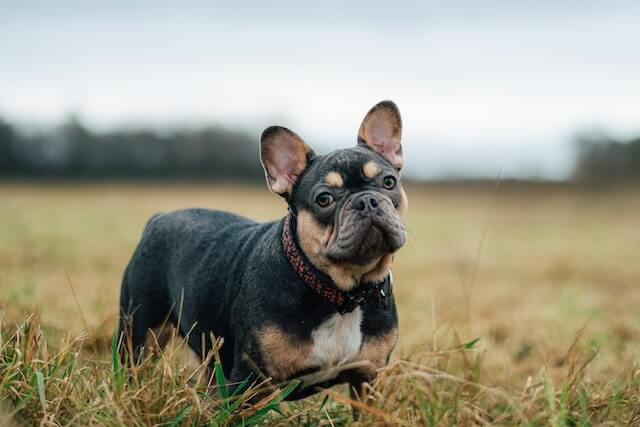
French Bulldogs are another excellent choice if you want a calm household. From my experience, they are low-energy and prefer relaxing over rough play, which suits Cavaliers perfectly.
They also adapt well to small spaces and routines. I’ve seen many Cavalier–Frenchie pairs form strong bonds because both breeds enjoy staying close to their owners.
However, both breeds can be sensitive to heat, so climate control is important.
Pro Tip: Keep indoor temperatures comfortable, especially in warmer regions, to avoid breathing issues in both breeds.
Pugs
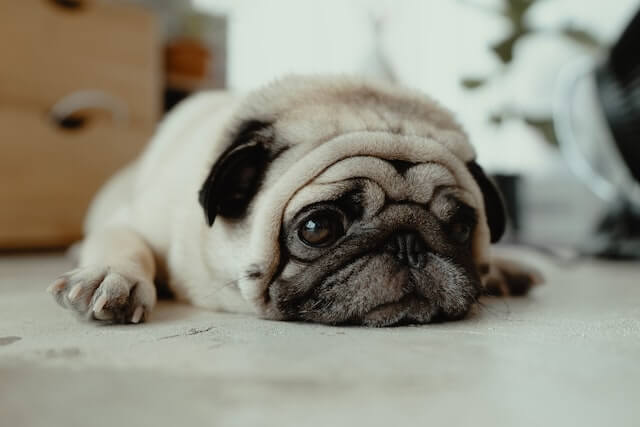
Pugs and Cavaliers are very similar in personality, which is why they usually get along so well. Both are affectionate, people-focused, and enjoy moderate activity levels.
I’ve noticed that Pugs bring a playful energy without being too rough, making them safe companions. They also thrive in apartments and don’t require intense exercise routines.
One thing to keep in mind is that both breeds are prone to weight gain, so diet and exercise need to be managed carefully.
Pro Tip: Stick to controlled feeding schedules—obesity can shorten a dog’s lifespan by up to 2 years.
Shih Tzus
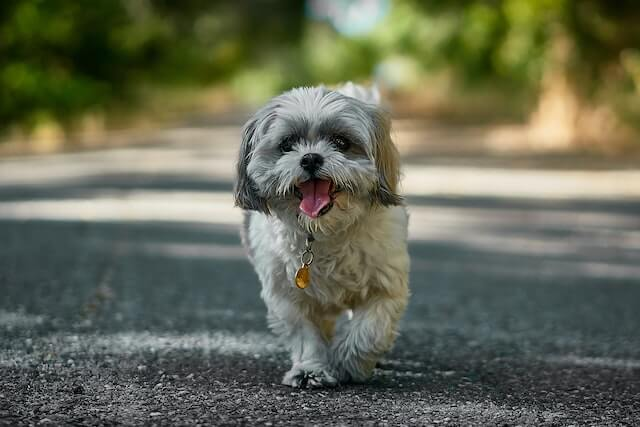
Shih Tzus are a great option if you want a slightly more independent companion. In my experience, they balance out a Cavalier’s clingy nature quite well.
They are calm, affectionate, and gentle, making them safe around both Cavaliers and children. While they can tolerate being alone better, they still enjoy companionship.
Their low energy level makes them ideal for relaxed households where constant activity isn’t the goal.
Pro Tip: Regular grooming is essential—both breeds require coat maintenance to prevent matting and skin issues.
All content on this site is written and reviewed by our experienced team to ensure it is accurate, reliable, and helpful for our readers. Our Our Process page explains how we carefully research and create high-quality content, while our Team page introduces the professionals behind our work. We also provide clear guidelines for content or image concerns on our Image Removal page, so you can trust that we prioritize transparency, quality, and reader safety.