Best Homemade Dog Food Recipes for Itchy Skin & Allergy Relief
Watching my dog constantly scratch one season made me realize how serious skin allergies can get. Her coat lost shine, and she seemed uncomfortable all day. After speaking with my vet, I started focusing on what I feed her—and that made a noticeable difference.
Save For Later
I created simple homemade meals using clean proteins, healthy fats, and gentle vegetables. These meals helped reduce itching and improved her coat within weeks. Research shows that up to 20% of dogs suffer from allergies, and diet plays a big role in managing them.
In this guide, I’m sharing what worked for me—easy recipes, practical feeding tips, and how I supported my dog’s skin from the inside out.
Key Takeaways
- Food allergies are a common cause of itching in dogs
- Novel proteins like duck, salmon, and lamb can reduce reactions
- Omega-3 fatty acids help calm inflammation and dryness
- Elimination diets take 8–12 weeks to show clear results
- Simple, clean ingredients often work better than processed food
Understanding Canine Skin Allergies
I noticed early signs like constant licking, red patches, and dry flakes on my dog’s skin. These symptoms are common and usually show up as irritation that doesn’t go away easily.
From what I learned, allergies can come from the environment—like dust or pollen—but food is often the hidden cause. Ingredients like beef, chicken, dairy, and wheat are known triggers in many dogs.
Pro tip: If your dog scratches year-round (not just seasonally), food is likely part of the problem.
The Role of Diet in Managing Skin Allergies
Switching my dog’s diet was the biggest turning point. I stopped feeding common allergens and focused on simple, limited ingredients.
A proper allergy-friendly diet helps in four ways:
- Removes trigger ingredients
- Reduces inflammation naturally
- Supports the skin barrier
- Helps balance the immune system
Studies show omega-3 fatty acids can reduce itching by up to 30% in dogs with skin issues.
Dog Food for Skin Allergies
These are the meals I personally rely on when my dog shows signs of itching or irritation. Each recipe is simple and built around ingredients that support skin health.
Salmon & Quinoa Skin-Soothing Bowl

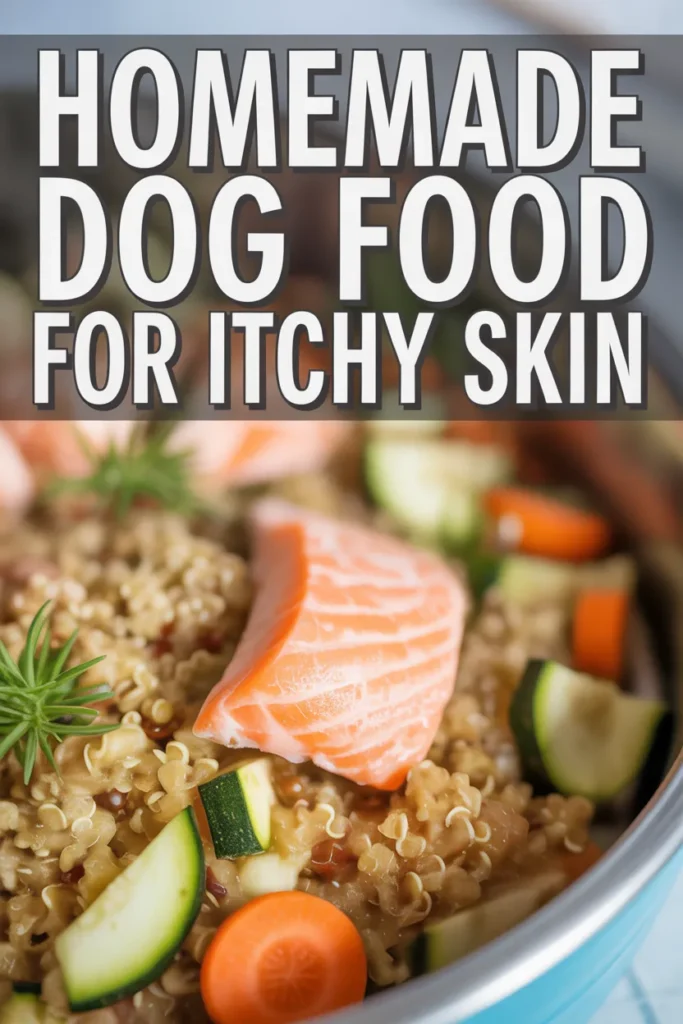
This is one of my go-to recipes when my dog’s skin looks dry or irritated. Salmon is packed with omega-3s, which help reduce inflammation and improve coat shine.
I cook fresh salmon, mix it with soft quinoa, and add steamed veggies like zucchini and carrots. A small amount of flaxseed oil gives it an extra boost.
Within a few weeks of feeding this, I noticed less scratching and a softer coat.
Pro tip: Always check for bones in fish—even small ones can be dangerous.
Turkey & Sweet Potato Anti-Itch Mix

When I want something gentle and filling, I go for this recipe. Turkey is a lean protein that’s easier on sensitive dogs compared to beef or chicken.
Sweet potatoes work well because they are rich in fiber and help calm digestion. I also add spinach and green beans for extra nutrients.
This mix helped my dog during flare-ups when her skin looked red and irritated.
Insight: Sweet potatoes contain beta-carotene, which supports skin repair naturally.
Duck & Pumpkin Gentle Recipe

This recipe worked really well when I tried an elimination diet. Duck is a novel protein, meaning most dogs haven’t been exposed to it before.
Pumpkin helps with digestion, which is closely linked to skin health. I combine it with rice or millet for easy energy and add healthy oils.
After feeding this consistently, I noticed my dog’s itching reduced and her stools improved too.
Pro tip: Gut health and skin health are connected—if digestion improves, skin often follows.
Lamb & Oatmeal Skin-Calming Dish

This is my comfort recipe for long-term skin support. Lamb is another great alternative protein, especially for dogs with multiple allergies.
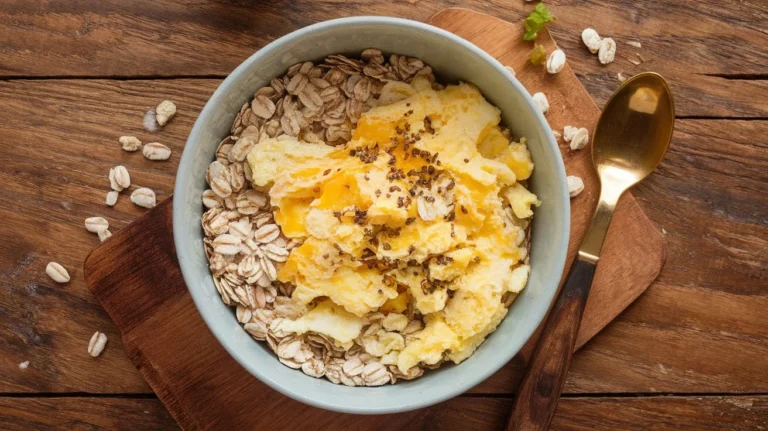
Oats are soothing and easy to digest, while carrots and peas provide vitamins for skin healing. I also add flaxseed for omega-3 support.
This meal helped maintain my dog’s coat after her symptoms improved.
Pro tip: Gut health and skin health are connected—if digestion improves, skin often follows.
Storage and Serving
I usually store these meals in airtight containers in the fridge for up to 3–4 days. For convenience, I freeze small portions and thaw them overnight.
Before serving, I always bring the food to room temperature. Cold food can upset digestion in some dogs.
Feeding Guidelines
When I started these recipes, I introduced them slowly over a few days to avoid stomach upset. Portion sizes depend on weight, but most dogs do well with ¼ to 1 cup per meal, 2–3 times daily.
For allergy testing, I stuck to one recipe for at least 8–12 weeks without giving treats or extras. That helped me clearly identify what worked.
Important: Always consult your vet before making long-term diet changes.
What Not To Feed Your Dog
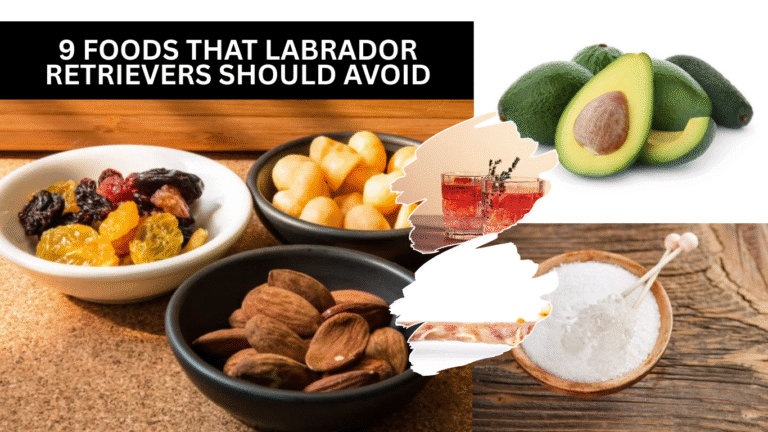
I completely avoid common allergens like:
- Beef
- Dairy
- Chicken
- Wheat
- Soy
- Corn
I also skip flavored treats and processed snacks during allergy recovery. Even small amounts can trigger itching again.
Tips for Success
From my experience, a few small habits made a big difference:
- Stick to one protein at a time during testing
- Use fresh, high-quality oils for best results
- Keep recipes simple—no salt or spices
- Chop ingredients finely for better digestion
Consistency matters more than anything.
Benefits of the Ingredients
Each ingredient I use serves a purpose:
- Salmon, duck, lamb, turkey support protein needs without triggering allergies
- Quinoa, oats, and millet are gentle on digestion
- Vegetables provide antioxidants that help skin heal
- Pumpkin improves gut health
- Oils and seeds reduce dryness and itching
Together, they create balanced meals that support skin from within.
FAQs
How long until I see improvement?
From my experience, it takes about 4–8 weeks to notice real changes.
Can I mix this with kibble?
Only if it’s hypoallergenic. Otherwise, it may slow progress.
Are these complete diets?
They work short-term, but long-term feeding needs vet-approved supplements.
Conclusion of Homemade Dog Food Recipes for Itchy Skin & Allergy Relief
Making these meals changed my dog’s life. I saw her go from constant scratching to having a calm, healthy coat again. It took patience and consistency, but the results were worth it.
If your dog is struggling with skin allergies, starting with simple, clean food can make a real difference. Sometimes, the solution really does begin in the bowl.
All content on this site is written and reviewed by our experienced team to ensure it is accurate, reliable, and helpful for our readers. Our Our Process page explains how we carefully research and create high-quality content, while our Team page introduces the professionals behind our work. We also provide clear guidelines for content or image concerns on our Image Removal page, so you can trust that we prioritize transparency, quality, and reader safety.