
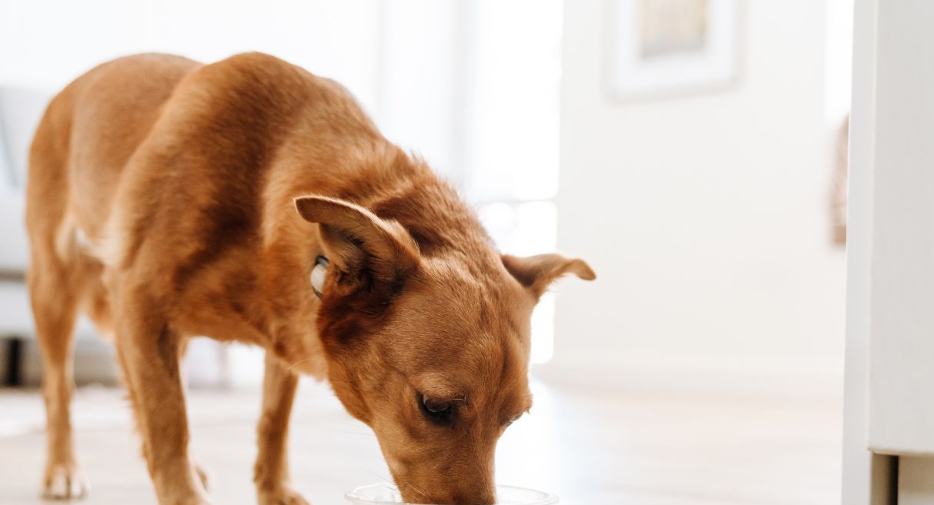
Can Dogs Drink Milk?
Ever sat on your couch with a cold glass of milk and noticed your dog staring at you like you’re holding the greatest treasure on earth? I’ve been there more times than I can count. Dogs are curious by nature, and when they see us enjoying something, they naturally want to be part of it. That’s usually where the question pops into our minds: can dogs drink milk, or am I about to make a mistake?
I remember asking myself the same thing the first time my dog tried to lick the rim of my glass. Milk feels harmless. It’s natural, it’s nutritious for humans, and most of us grew up believing milk equals strong bones and good health. But dogs aren’t small humans, and their bodies work very differently from ours.
The Basics of Milk and Dogs

Milk may be a daily habit in many homes, but it was never meant to be a regular part of a dog’s diet. Dogs did not evolve drinking milk after they were weaned from their mothers. In the wild, adult dogs don’t have access to dairy products at all, which means their digestive systems were never designed to process milk long-term.
From my experience, this is where many dog owners go wrong. We assume that because something is healthy for us, it must also be good for our dogs. Milk contains nutrients, yes, but digestion matters just as much as nutrition. If a dog can’t properly break something down, those nutrients don’t help—they cause problems.
Why Lactose Is a Problem for Many Dogs
The biggest issue with milk is lactose. Lactose is the natural sugar found in milk, and breaking it down requires an enzyme called lactase. Puppies produce plenty of lactase so they can digest their mother’s milk. As dogs grow older, most of them stop producing enough of this enzyme.
I’ve seen dogs react very differently to milk. One dog might lap up a small amount and be completely fine, while another might end up with a messy stomach within hours. This difference comes down to how much lactase their body still produces. Many adult dogs simply don’t have enough of it.
Lactose Intolerance in Dogs

When a lactose-intolerant dog drinks milk, the lactose isn’t properly digested. Instead of being absorbed, it sits in the gut and starts fermenting. That’s when trouble begins.
Common signs I’ve personally noticed in dogs after drinking milk include loose stools, diarrhea, gas, stomach pain, and sometimes vomiting. It’s uncomfortable for them and stressful for you as an owner. What was meant to be a “nice treat” quickly turns into cleaning accidents and worrying about your dog’s health.
Some dogs might tolerate a very small amount without obvious symptoms, but that doesn’t mean milk is doing them any favors. Even mild digestive discomfort often goes unnoticed until it becomes a repeated issue.
Does Milk Have Any Benefits for Dogs?
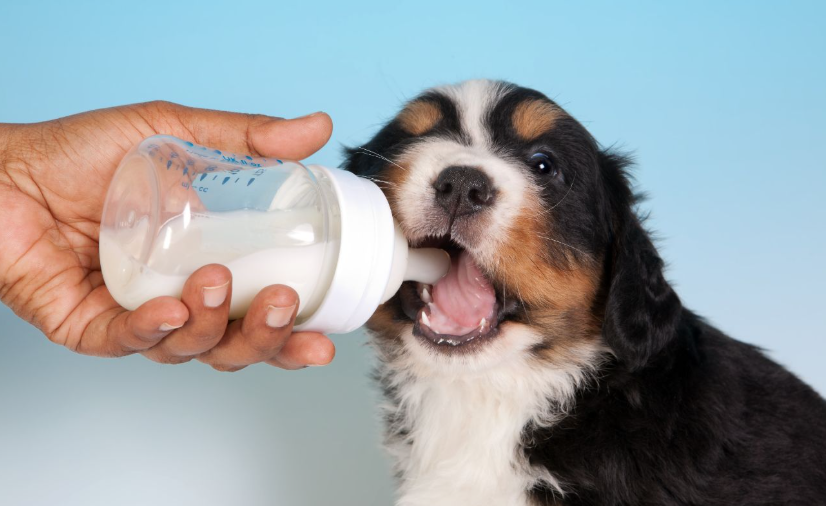
Milk does contain calcium, protein, and vitamins like A, D, and B12. On paper, that sounds beneficial. If a dog can digest milk properly, those nutrients can support bone strength and overall health.
However, in real life, dogs already get everything they need from a balanced dog diet. I’ve learned over the years that milk doesn’t offer anything essential that can’t be obtained from safer foods. When you weigh the small nutritional benefit against the high chance of digestive upset, milk simply isn’t worth the risk for most dogs.
Safer Dairy Alternatives to Milk
If you’re like me and still want to share an occasional treat with your dog, there are better options than milk. Some dairy products contain much lower levels of lactose and are easier for dogs to digest.
Plain yogurt is one of the better choices. It contains probiotics, which support gut health, and many dogs tolerate it better than milk. I always choose plain yogurt with no sugar, no flavors, and no artificial sweeteners. Even then, I start with a small spoonful to see how the dog reacts.
Cheese is another option, especially hard cheeses, which usually contain less lactose. That said, cheese is high in fat, so it should always be given in very small amounts and only occasionally.
How to Safely Introduce Milk to Your Dog

If you decide to try milk despite the risks, caution is everything. I never recommend pouring a full bowl. Start with just a few tablespoons. Let your dog drink it and then observe them over the next 12 to 24 hours.
Watch for changes in stool, appetite, energy levels, or signs of stomach discomfort. If you notice anything unusual, milk should be crossed off the list immediately. Even if your dog seems fine, milk should remain an occasional treat, not a routine addition to their diet.
Can Puppies Drink Milk?
This is something I see confused very often. Puppies should not drink cow’s milk. Their digestive systems are sensitive, and cow’s milk does not meet their nutritional needs. Puppies should only have their mother’s milk or a properly formulated puppy milk replacer.
Giving cow’s milk to puppies can lead to diarrhea, dehydration, and poor nutrient absorption. It’s one of those situations where “natural” does not mean “appropriate.”
Final Thoughts of Can Dogs Drink Milk
Milk might look harmless sitting in your glass, but when it comes to dogs, it’s not as simple as sharing a sip. Many dogs are lactose intolerant, and even those that tolerate milk don’t truly need it. From my experience, digestive issues caused by milk are far more common than any real benefit.
If you want to treat your dog, there are safer, dog-friendly options that won’t upset their stomach or compromise their health. Paying attention to how your dog’s body reacts and making thoughtful choices is one of the best ways to show love and care.
At the end of the day, keeping your dog healthy always matters more than sharing what’s in your glass.