
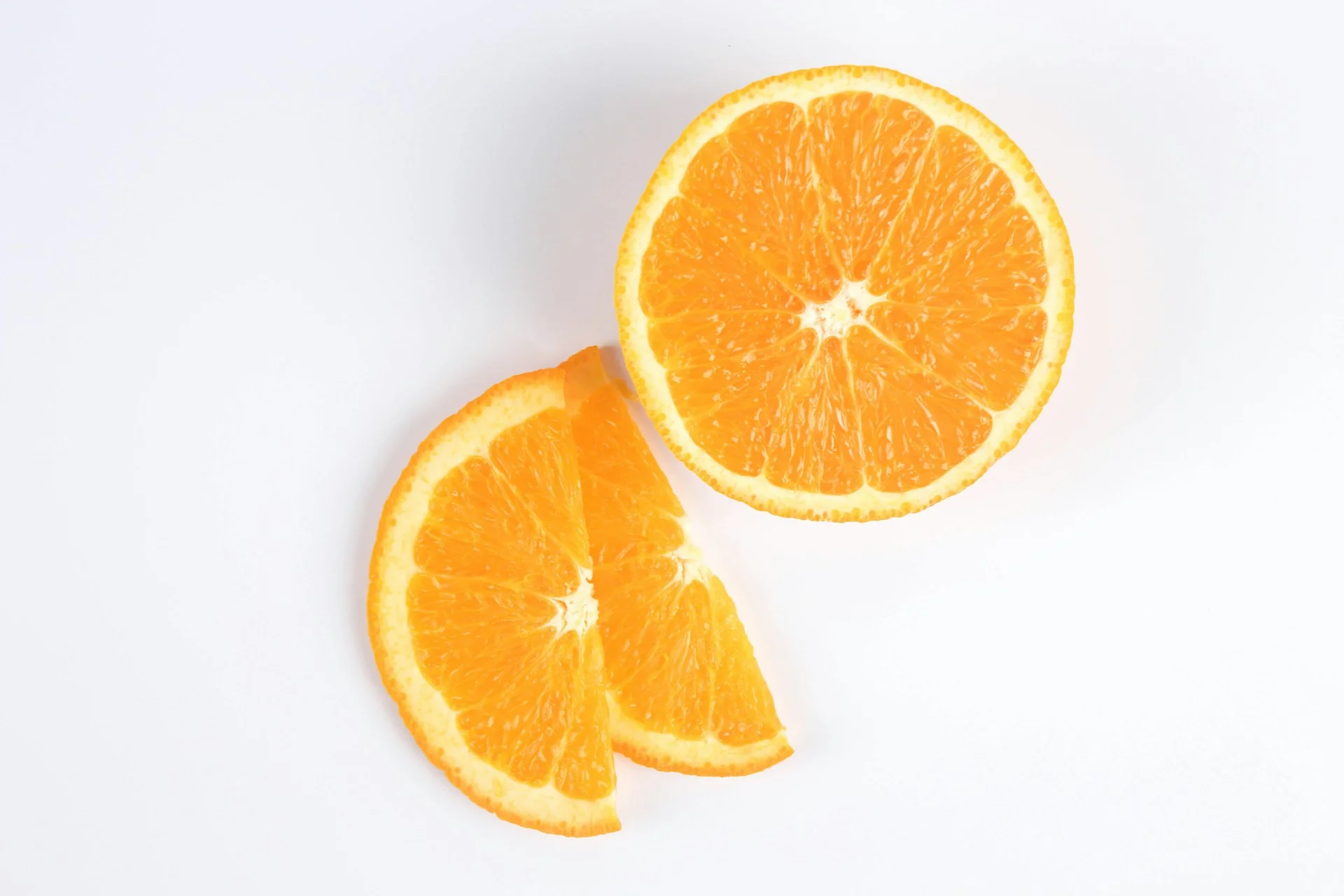
Can Dogs Eat Oranges? Or Are We Just Peeling Into Trouble?
So, you’re sitting there, enjoying a juicy orange, and your dog gives you that look—you know, the one that says, “I’ve never been fed in my life. Please share.” Over my 20 years caring for dogs of all sizes, I’ve noticed that dogs are naturally curious about fruits, and citrus is no exception.
Before you toss a slice to your pup, it’s important to know the ins and outs of feeding oranges to dogs, because while they can enjoy them, there are precautions to follow.
Key Takeaways From This Article
• Dogs can eat oranges safely in small amounts
• Peel, seeds, and white pith should always be removed
• Oranges provide vitamin C, fiber, and antioxidants
• Portion control prevents digestive upset or sugar spikes
• Certain dogs—like diabetics or sensitive-stomach pups—should avoid citrus
• Other citrus fruits like lemons and grapefruit are unsafe
🍊 Are Oranges Safe for Dogs?

Yes! Oranges are non-toxic to dogs and can offer several health benefits when given in moderation. They’re packed with vitamin C, water, fiber, and antioxidants.
From my experience, I’ve seen that introducing a tiny piece of orange occasionally can be a fun treat for most dogs. However, moderation is crucial because citrus is acidic and naturally sugary. Overfeeding can cause digestive issues or upset your dog’s stomach.
Fun Fact: A medium orange contains roughly 70 mg of vitamin C. While dogs can produce their own vitamin C, a little extra during times of stress or illness can support their immune system.
🐶 The Benefits of Oranges for Dogs
Oranges aren’t just safe—they can actually be beneficial. In my years of feeding dogs healthy treats, I’ve noticed the following perks:
- Vitamin C Boost
Dogs produce their own vitamin C, but during stress, illness, or after rigorous exercise, extra vitamin C can help strengthen their immune system. - Antioxidants for Overall Health
Oranges contain antioxidants that fight free radicals, which can help reduce inflammation and support cellular health. - Hydration & Fiber
Oranges are about 86% water. The fiber content helps with digestion and can prevent occasional constipation. - Low-Calorie Snack Option
For dogs that need to watch their weight, a few pieces of orange are a far better alternative to commercial treats loaded with fillers and sugars.

Tip from my experience: Always introduce oranges gradually, especially for small or senior dogs, and monitor for digestive changes.
⚠️ Potential Risks of Feeding Oranges to Dogs
Even though oranges are generally safe, there are some risks and warnings to keep in mind:
- Too Much Sugar
Oranges contain natural sugars. For diabetic or overweight dogs, too much citrus can affect blood sugar levels. - Possible Stomach Upset
Not every dog digests oranges easily. Some may experience diarrhea, gas, or mild upset stomach. Start with tiny pieces and observe your pup. - The Peel and Seeds Are a No-Go
Peels are tough to digest, seeds contain trace cyanide, and the white pith is bitter and can upset their stomach. Always peel and deseed.
Pro Tip: When I feed oranges, I cut the segments into small, bite-sized pieces, which reduces choking hazards for small breeds like Chihuahuas and Pomeranians.
🍊 How to Safely Feed Oranges to Your Dog

✅ Do:
✔ Peel the orange and remove all seeds
✔ Start with a small piece to test tolerance
✔ Serve as an occasional treat, not a daily snack
✔ Keep portions appropriate for your dog’s size
❌ Don’t:
❌ Let them eat peel, seeds, or white pith
❌ Feed to diabetic or overweight dogs without vet approval
❌ Ignore vomiting, diarrhea, or gas after feeding
🍊 How Much Orange Can Dogs Eat?
Portion size matters. Here’s a rough guideline based on my years of experience:
| Dog Size | Max Amount of Orange |
|---|---|
| Small Dogs (Chihuahua, Pug) | 1–2 small pieces |
| Medium Dogs (Cocker Spaniel, Beagle) | 2–3 small pieces |
| Large Dogs (Labrador, Golden Retriever) | 3–4 small pieces |
Rule of Thumb: Oranges should account for less than 10% of your dog’s daily treats.
🐶 What About Other Citrus Fruits?
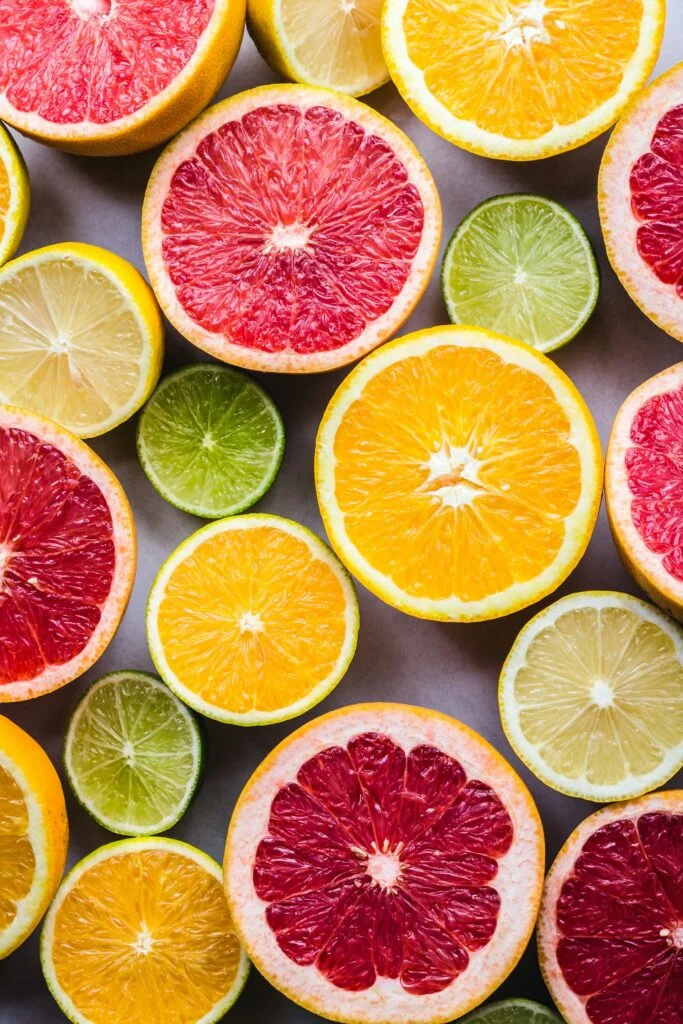
If oranges are safe, what about lemons, limes, and grapefruits?
| Fruit | Safe for Dogs? | Notes |
|---|---|---|
| Oranges | ✅ Yes | In moderation, peeled and deseeded |
| Lemons | ❌ No | Too acidic, may cause stomach upset |
| Tangerines | ✅ Yes | Small amounts only |
| Mandarins | ✅ Yes | High in sugar; serve sparingly |
| Grapefruit | ❌ No | Can be toxic and cause serious digestive issues |
Tip: I stick to oranges, tangerines, or mandarins when sharing citrus with my dogs. Lemons and grapefruits have never been worth the risk.
🎯 Final Verdict: Can Dogs Eat Oranges?
✅ Yes, but with caution:
• Only small portions (a few bites, not a whole fruit)
• Peel, seeds, and white pith removed
• Avoid for diabetic or sensitive-stomach dogs
Oranges are a fun, healthy treat, not an everyday snack. In my experience, when served properly, dogs often enjoy this juicy fruit, and it can be a great addition to a balanced diet.
Now, if you’ll excuse me, I have an orange to finish—and a dog giving me the most persuasive puppy eyes imaginable.