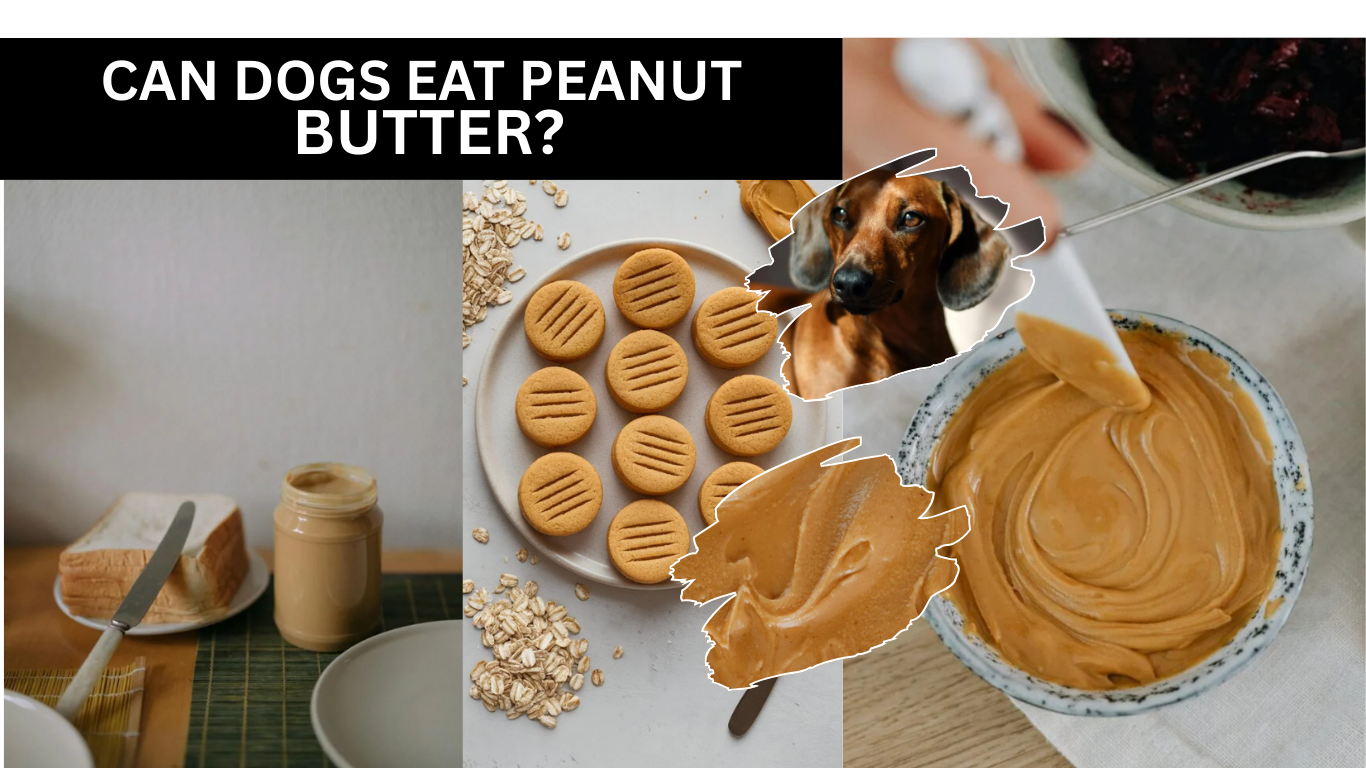
Can Dogs Eat Peanut Butter?
Peanut butter is one of those foods that almost everyone loves, and it’s easy to see why—it can turn plain toast into a treat, make smoothies creamier, and, let’s be honest, it’s perfectly acceptable to eat straight from the spoon. But what about our furry companions? Can dogs enjoy peanut butter too? The answer is yes, but with a few important caveats. Not all peanut butter is safe for dogs, so knowing which types to choose and how to serve it can make the difference between a happy tail wag and a stressful vet visit.
The Good News: Most Peanut Butter is Dog-Safe

The good news is that plain, unsweetened peanut butter is generally very safe for dogs. It’s a popular treat because most dogs absolutely love it, and it’s also a helpful tool for pet owners. For example, you can use peanut butter to disguise medicine or fill a Kong toy, keeping your dog engaged and entertained for a while. Over the years, I’ve seen countless dogs sit happily licking peanut butter out of a toy, completely focused and blissfully content—it’s a small but effective trick that works almost every time.
Why Do Dogs Love It So Much?
Dogs go wild for peanut butter because it hits a perfect balance of flavors—slightly sweet, slightly salty, and very rich. Beyond taste, it contains healthy fats and protein, which can be beneficial in small amounts. I’ve noticed that dogs seem to associate peanut butter with something special, and it can even make training sessions more effective when used sparingly as a reward. However, it’s important to remember that not all peanut butter is created equal, and some varieties can be harmful.
The Danger Zone: Watch Out for Xylitol
Here’s where things get serious. Xylitol is a sugar substitute found in some peanut butter brands, and while it’s completely safe for humans, it’s extremely dangerous for dogs. Even a small amount can trigger a rapid insulin release, causing hypoglycemia (dangerously low blood sugar). Symptoms can appear quickly, including vomiting, loss of coordination, seizures, and in severe cases, death. I’ve read heartbreaking stories of dogs accidentally ingesting xylitol, and it’s a mistake that’s easily preventable by reading ingredient labels carefully.
How to Choose the Right Peanut Butter for Your Pup
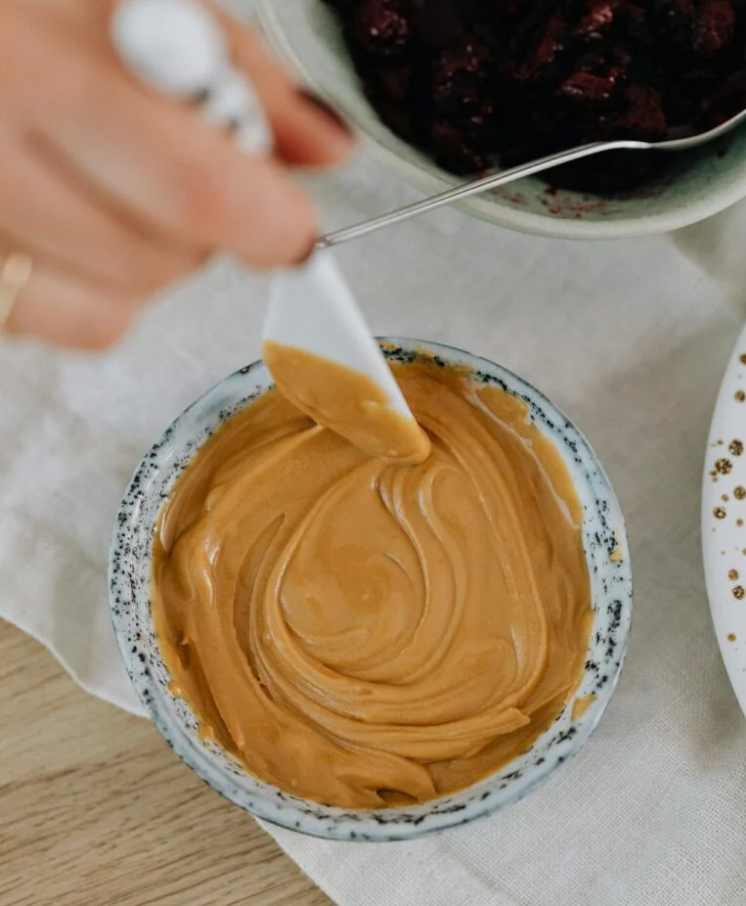
Selecting the right peanut butter for your dog doesn’t need to be complicated, but it does require attention. Look for plain, unsweetened varieties without any added salt or sugar. Natural or organic options are usually the safest because they contain fewer additives. Ideally, the ingredient list should be short, simply stating “peanuts,” maybe a touch of salt. Avoid anything with xylitol, chunky pieces if your dog gulps food quickly, and “diet” or “reduced-fat” versions, as these often hide artificial sweeteners. From my experience, sticking to the simplest, cleanest jars makes treat time stress-free and safe.
How Much Peanut Butter Can Dogs Have?
Even the safest peanut butter should be given in moderation because it’s calorie-dense. Overfeeding can lead to weight gain or digestive upset. As a guideline: small dogs can enjoy about half a teaspoon, medium dogs one teaspoon, and large dogs up to a tablespoon. In my years of working with dogs, I’ve learned that treats should never exceed 10% of a dog’s daily calorie intake, no matter how convincing those puppy eyes are! Moderation ensures your pup enjoys peanut butter safely without any health consequences.
Fun Ways to Serve Peanut Butter
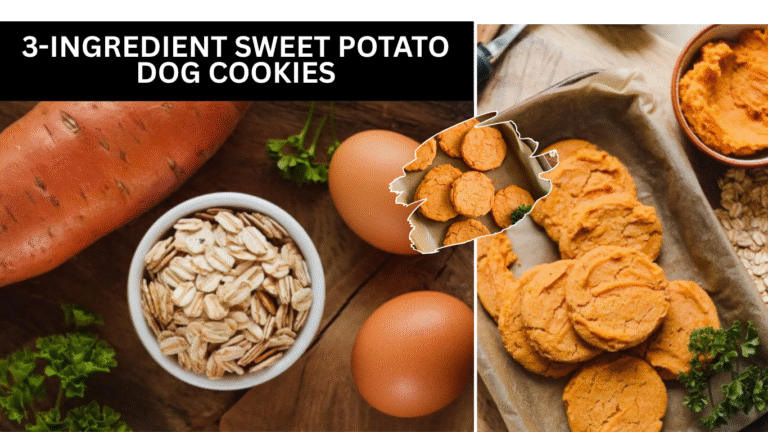
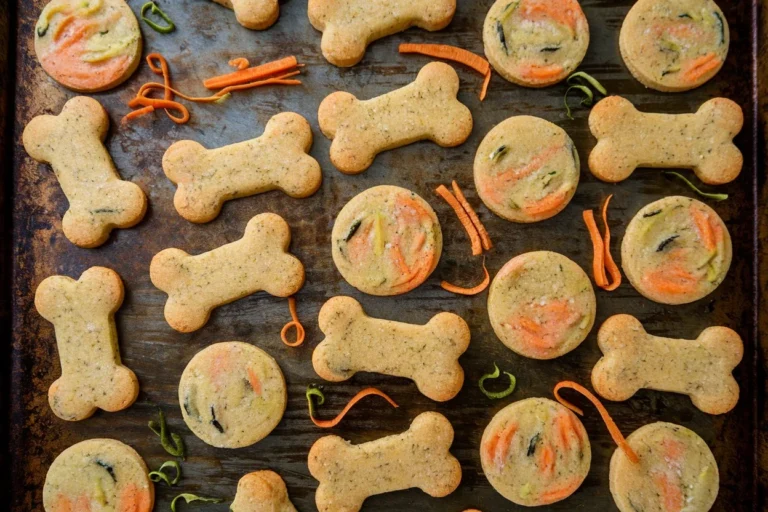
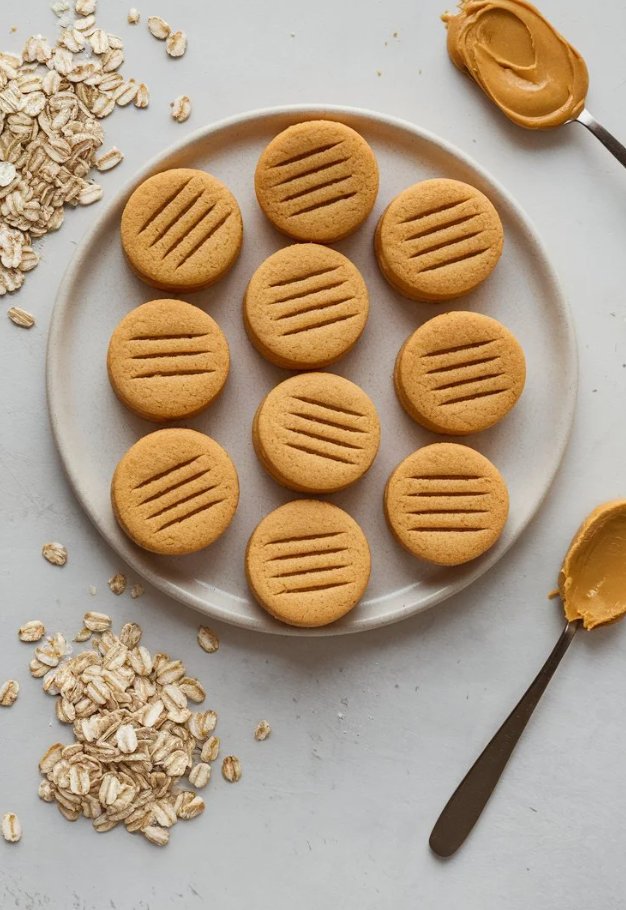
Peanut butter can be served in creative ways that are both fun and mentally stimulating for your dog. Some favorites I’ve tried include freezing it in ice cube trays for a cool summer treat, mixing it with oat flour to bake homemade dog cookies, stuffing it into toys like Kongs with kibble or fruit pieces, or blending it with plain yogurt and freezing into mini popsicles. These ideas not only make peanut butter more exciting but also give dogs something to focus on, which can be especially helpful for energetic or anxious pups.
Signs of Peanut Butter Overload
Even the healthiest peanut butter can become a problem if given in excess. Watch for signs like vomiting, diarrhea, weight gain, or reduced energy. I’ve noticed that dogs who get too many peanut butter treats may seem lethargic or sluggish, which can be mistaken for other health issues. If you notice any of these symptoms, cut back on the peanut butter and consult your vet. A little caution goes a long way in preventing problems.
Quick FAQ
- Can Puppies Eat Peanut Butter? Yes, but introduce it slowly and in very small amounts. Puppies have sensitive stomachs, and too much too soon can upset them.
- What About Peanut Butter-Flavored Dog Treats? These are safe as long as they’re specifically made for dogs and don’t contain xylitol or other harmful ingredients.
- Is There Any Dog Who Shouldn’t Have Peanut Butter? Dogs with pancreatitis, food allergies, or other specific medical conditions should avoid peanut butter, and it’s always best to consult a veterinarian if you’re unsure.
Conclusion of Can Dogs Eat Peanut Butter

In summary, dogs can safely enjoy peanut butter, and many absolutely love it. The key is choosing the right type, avoiding harmful additives like xylitol, and keeping portion sizes in check. Stick to plain, unsweetened peanut butter, offer it in moderation, and your dog will be a happy, peanut-butter-loving companion. From my experience, a little peanut butter goes a long way in brightening a dog’s day—but always double-check the label first. After all, nothing ruins the fun faster than an unexpected trip to the vet.