

Can Dogs Eat Tuna? Here’s The Truth
If you’ve ever been in the kitchen, making a simple tuna sandwich, and noticed your dog staring at you with those irresistible eyes, you know the struggle is real. You immediately wonder, “Can I share this with them, or is it dangerous?” The good news is that yes, your dog can eat tuna—but only in moderation. It’s not toxic, so a little bite now and then won’t hurt, but it’s not something you should give every day. Mercury levels in tuna are something to be mindful of, especially with larger types of tuna. Trust me, after seeing how my own dog reacted the first time I offered a small bite, I realized just how careful you need to be.
Is Tuna Safe for Dogs?
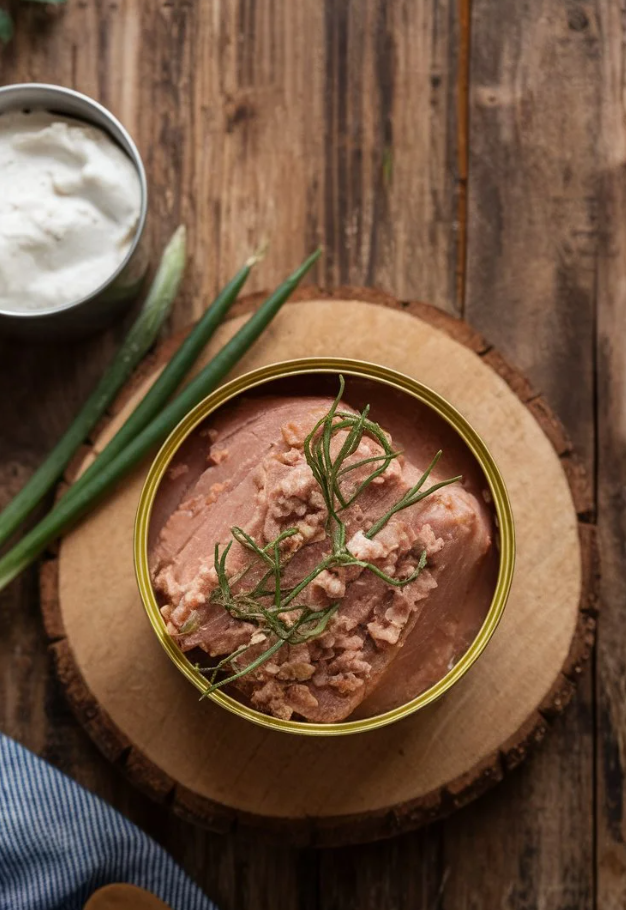
Technically, yes. Your dog can have tuna, but moderation really is the key. Tuna has higher mercury levels than fish like salmon or cod, which means too much over time can become harmful. I’ve had a few occasions where my dog snatched a tiny piece from my plate, and I didn’t worry—because it was just a bite. But I know it’s different if you start thinking of tuna as a regular treat. So, think of it as an occasional special snack rather than part of their everyday meals.
The Benefits of Tuna for Dogs
When given in small, safe amounts, tuna can be a surprisingly nutritious treat. Here’s what I’ve noticed:
- Packed with Protein – Tuna is loaded with high-quality protein, which helps build strong muscles. I’ve seen my dog’s energy stay more consistent on days when I’ve given a tiny portion. Plus, it contributes to a healthy coat that really shines.
- Omega-3 Fatty Acids – Tuna’s omega-3s are a real bonus. Over time, I noticed my dog’s skin was less itchy, and the coat looked glossier. Omega-3s also help reduce inflammation, which is great for older dogs or those with joint issues.
- Low in Fat, High in Nutrients – If you’re looking for a lean protein option, tuna is excellent. It’s low in fat but packed with essential vitamins like B12, D, and selenium. I personally appreciate that it’s a nutrient-dense treat that doesn’t feel like I’m overfeeding my pup.
The Risks of Feeding Tuna to Dogs
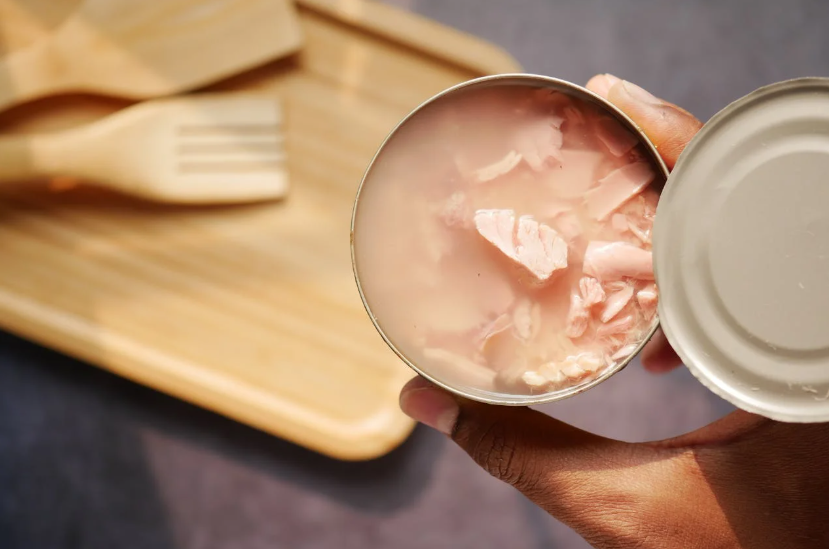
Of course, there are some things you need to watch out for:
- Mercury Poisoning – This is the biggest concern. Tuna, especially albacore and yellowfin, contains higher mercury levels than most other fish. Too much over time can lead to serious health issues like kidney problems, vision issues, loss of coordination, or neurological effects. I’ve learned to stick to occasional servings because the risks are just not worth feeding it regularly.
- Canned Tuna Can Be Tricky – Not all canned tuna is created equal. Tuna in oil can be too fatty and may contribute to pancreatitis. Tuna with added salt or flavors—like garlic or onion—is unsafe for dogs. I always make sure to read labels carefully and stick with plain tuna in water.
- Digestive Sensitivity – Some dogs have more sensitive stomachs than others. The first time I tried feeding my dog tuna, I gave a tiny portion and watched carefully. Too much can cause vomiting or diarrhea, so it’s always better to start small.
How to Safely Feed Tuna to Your Dog

If you decide to give your dog tuna, I’ve found that following a few simple rules makes all the difference:
- Keep it plain—no mayo, no spices, no sauces.
- Choose canned tuna in water only. Avoid oil or added salt.
- Give only small portions, just a bite here and there.
- Avoid albacore or yellowfin due to their higher mercury levels.
These small precautions help you enjoy sharing a special treat without risking your dog’s health.
How Much Tuna Can Dogs Eat?
Portions depend on your dog’s size. Here’s a simple guide I follow:
- Small dogs (like Chihuahuas or Yorkies): a bite or two per week
- Medium dogs (like Beagles or Cocker Spaniels): 1–2 teaspoons per week
- Large dogs (like Labradors or Golden Retrievers): up to 1 tablespoon per week
Remember, tuna should make up less than 10% of your dog’s overall diet. I like to think of it as a tiny reward for being good rather than a regular meal replacement.
What About Other Fish?

If you want to give your dog fish more regularly, some options are safer than tuna:
- Salmon – Cooked and rich in omega-3s. I love giving it occasionally because it’s tasty and nutritious.
- Sardines – Low mercury, great nutrition, and even the small bones can provide extra calcium. My dog can’t get enough of these.
- Tilapia & Cod – Mild, lean, and easy to digest. Always cooked before serving.
- Mackerel – Stick to Atlantic mackerel in small portions; avoid King mackerel due to mercury.
Personally, sardines are my go-to. They’re safe, highly nutritious, and dogs seem to love them.
Final Verdict of Can Dogs Eat Tuna?
Yes, your dog can have tuna—but only occasionally, in small amounts, and preferably light tuna in water with no seasoning. For a regular fish treat, I’d personally stick with safer options like sardines, cooked salmon, or tilapia. If your dog happens to swipe a tiny piece of tuna, it’s not the end of the world, but make sure it doesn’t become a daily habit.