Can Dogs Get Jealous?
Dogs live in the moment with us, and anyone who has spent real time with one knows they are far more emotional than many people assume. You can see it in the way they greet you at the door, how their mood shifts when your tone changes, or how they quietly sit beside you when you’re having a bad day. They don’t express feelings through words, but through behavior, expressions, and energy. Over time, you learn that their emotions are not random — they respond deeply to connection, routine, and attention.
When you watch your dog closely, you start noticing patterns. Excitement shows up in a wagging tail and bright eyes. Worry appears when they pace or stay extra close. And yes, jealousy can show up too, especially when something or someone interrupts the bond they feel with you. Their emotional world is simple in some ways, but very real. They form strong attachments and rely on those relationships for comfort and security, which is why changes in attention can affect them so strongly.
Your Dog’s Jealousy Signals
Attention-seeking behaviors
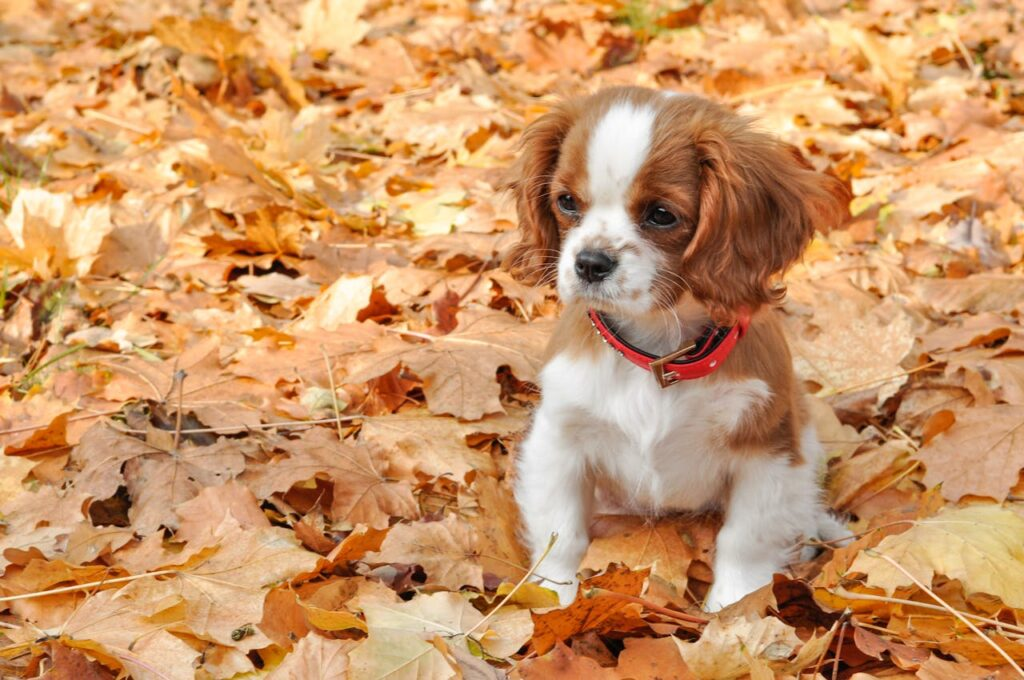
One of the easiest ways to notice jealousy is when your dog suddenly demands your focus the moment someone else gets it. You might be petting another dog, talking to a friend, or even looking at your phone, and they push their way into the situation. They may climb into your lap, nudge your arm, bark, or paw at you repeatedly. It’s not always misbehavior — often it’s their way of saying, “Don’t forget about me.”
Resource guarding
Sometimes jealousy looks more serious. Your dog may hover around a toy, food bowl, or even around you when another pet comes near. You might notice stiff posture, growling, or blocking behavior. In their mind, they’re protecting something valuable. It doesn’t mean they’re bad or aggressive by nature; it usually means they feel uncertain or worried about losing something important to them.
Body language
Dogs communicate most through their bodies, and jealousy often shows in subtle ways. You may notice lowered ears, a tense face, or eyes that follow you closely. Some dogs turn away, huff, or act withdrawn, while others become extra clingy. Once you start paying attention, these little cues feel almost like a conversation — they’re telling you exactly how they feel without making a sound.
Why Do Dogs Get Jealous?
Insecurity
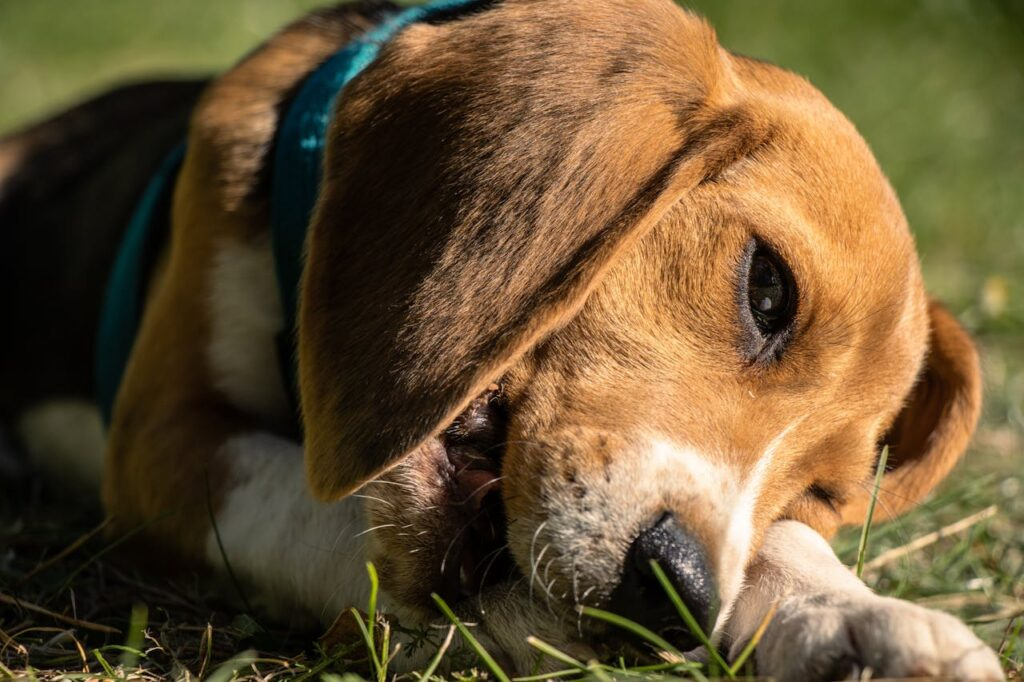
Just like people, dogs feel safer when they know where they stand. If something changes — a new pet, a new person, or even a new routine — they may feel unsure about their place. That insecurity can turn into jealous behavior because they want reassurance that your bond with them is still strong.
Pack mentality
Dogs naturally think in terms of relationships and social structure. In a home, you become part of their pack, and they pay attention to who gets attention, who gets space, and who feels close. When a new presence appears, they may feel the need to re-establish their role. Jealousy can come from that instinct to protect their position and maintain harmony from their point of view.
Previous experiences
Past experiences shape how dogs respond to situations. If they’ve ever felt ignored, replaced, or had to compete for attention before, those memories can influence their reactions now. Even small moments from earlier in life can create habits or emotional responses that show up later, especially around new people or animals.
How to Handle Jealousy
Give equal attention
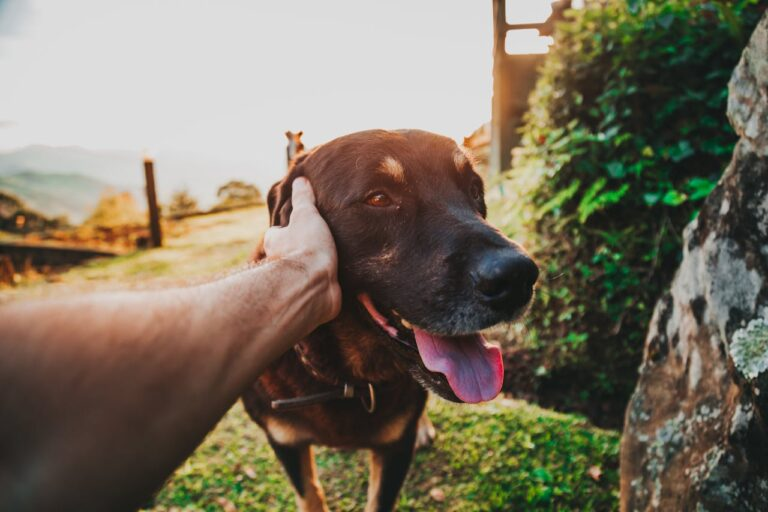
Dogs notice fairness more than we think. When you intentionally include each pet in affection and play, it helps reduce competition. Sometimes something as simple as greeting both pets calmly or giving each one individual time can make a huge difference in how secure they feel.
Positive reinforcement
When your dog behaves calmly around others, rewarding that behavior helps them understand what works. Praise, treats, or gentle affection can turn a stressful moment into a positive experience. Over time, they start associating the presence of others with good things instead of feeling threatened.
Avoid punishing them
Jealous behavior often comes from emotion rather than disobedience. Harsh reactions or punishment can increase anxiety and make the situation worse. A calm, patient approach works better because it teaches trust instead of fear. When they feel understood, their behavior usually improves naturally.
Final Thoughts of Can Dogs Get Jealous
Living with dogs means understanding that their emotions are tied closely to the relationships they build. When they act jealous, it usually comes from love and attachment rather than spite. They want closeness, reassurance, and a sense of belonging in your everyday life.
The more you pay attention to what they’re trying to communicate, the easier it becomes to guide them gently and keep peace in the home. Every dog is different, but with patience, consistency, and genuine affection, you create an environment where they feel safe enough not to compete for your love — they simply trust that it’s already theirs.