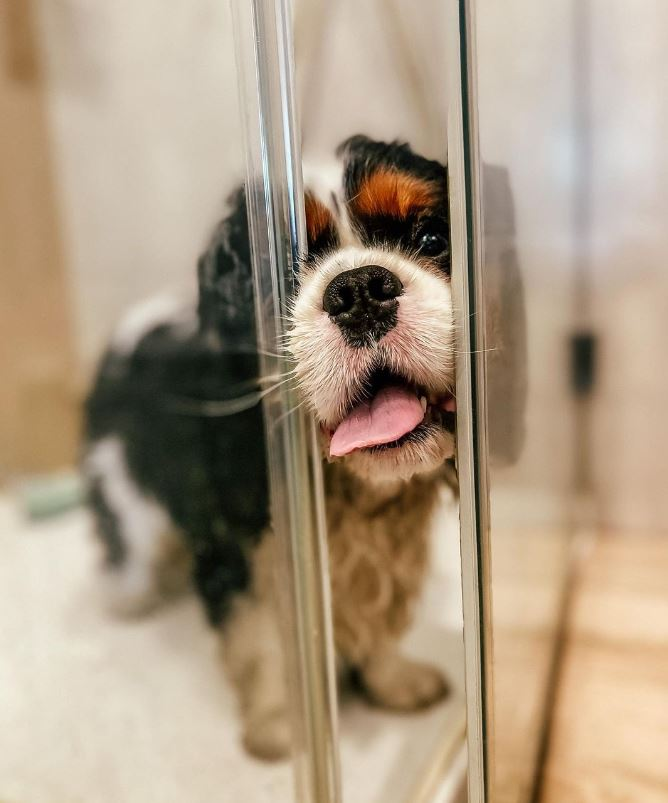

Cavalier King Charles Spaniel Barking: Reasons and Solutions
When I first considered adding a Cavalier King Charles Spaniel to my family, I wondered if their barking would be a problem.
Save For Later

After living with one, I realized these pups are mostly quiet, loving companions—but sometimes, they can be more vocal than expected. In this article, I’ll share my experience, explain why Cavaliers bark, and give practical tips to keep your dog calm and happy.
Do Cavalier King Charles Spaniels Bark a Lot?
From my experience, Cavaliers aren’t big barkers. Unlike Chihuahuas or Yorkies, they’re usually calm and gentle. That said, they will bark when excited, startled, or when someone knocks at the door. Each dog is different, so while the breed is generally quiet, your Cav may still have occasional vocal moments.
I’ve noticed that giving my Cavalier enough attention and companionship significantly reduces unnecessary barking. Meeting their emotional needs makes them happier, calmer, and far less likely to become a yappy nuisance.
Pro Tip: Regular bonding time and affection can keep your Cavalier content and minimize barking triggers.
Cavalier King Charles Spaniel Barking Problems
Even though Cavaliers usually bark little, certain situations can make them more vocal. Understanding these triggers has been key for me in keeping my dog quiet and content.
Separation Anxiety
Separation anxiety is the biggest reason my Cavalier barked excessively. These dogs bond deeply and hate being left alone. My pup would whine or bark whenever I left the room, sometimes even before I stepped out the door.
Pro Tip: Gradually increase alone time and use positive reinforcement, like treats or a favorite toy, to reduce anxiety-related barking.
Fear
Fear is another common cause. If a Cavalier wasn’t socialized early or left its mother too soon, it might become timid. My dog initially barked at strangers and loud noises like thunderstorms. Exposing them safely to new experiences helps build confidence and reduces fear-induced barking.
Feeling Territorial
I’ve noticed my Cavalier occasionally guards toys or food. If I approach during these moments, a growl or bark can happen. While not dangerous, it’s important to respect their space, especially around children or other pets.
Boredom
Cavaliers love matching their owner’s energy. If they lack stimulation, they may bark out of boredom. I make sure my dog has daily walks and interactive playtime, which keeps them mentally engaged and quiet.
Pro Tip: Puzzle toys and short training sessions can also prevent boredom barking.
Hunger
Sometimes my Cav barked simply to ask for food. Puppies especially will vocalize when hungry or if a treat is out of reach. Adjusting feeding schedules usually resolved this quickly.
Injury
Lastly, barking can signal pain or discomfort. If a normally calm Cavalier suddenly starts yapping or whining, I check for injuries and monitor energy and appetite. A vet visit is crucial if pain is suspected.
How to Stop a Cavalier King Charles Spaniel from Barking
Here’s what has worked for me and many other Cavalier owners:
Make Sure Your Dog Is Stimulated
Mental and physical activity is essential. Regular walks, playtime, and stimulating toys keep your Cavalier occupied and prevent excess barking. Plus, it helps avoid weight gain and keeps them healthy.
Alleviate Separation Anxiety
I try not to leave my dog alone for long periods. If I must, I leave comforting items like my worn clothes or give treats as positive reinforcement. Getting a companion dog is another option for highly social Cavaliers.
Consider Professional Help
Sometimes, professional guidance is the fastest way to solve barking problems. Dog trainers and behaviorists can tailor strategies for your Cavalier and teach you effective communication techniques to manage barking.
Key Takeaways
- Cavaliers are naturally calm and not typically yappy, but each dog is unique.
- Separation anxiety and fear are the most common causes of excessive barking.
- Mental stimulation, playtime, and affection significantly reduce unnecessary barking.
- Watch for signs of pain or discomfort as a cause for sudden barking.
- Professional help can provide customized solutions if home strategies aren’t enough.
All content on this site is written and reviewed by our experienced team to ensure it is accurate, reliable, and helpful for our readers. Our Our Process page explains how we carefully research and create high-quality content, while our Team page introduces the professionals behind our work. We also provide clear guidelines for content or image concerns on our Image Removal page, so you can trust that we prioritize transparency, quality, and reader safety.