Exploring Cavalier King Charles Spaniel Energy Level
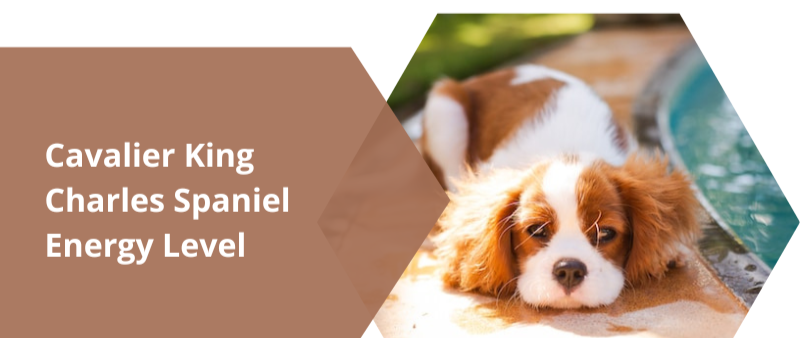
Cavalier King Charles Spaniels sit at a moderate energy level — not hyperactive, but not lazy either.
In this article, I cover what that really means day-to-day, the key factors that shape how energetic your Cavalier will be including age, health, and your own lifestyle, and practical tips to manage their energy the right way.
Whether you are thinking of getting one or already living with a Cavvy, this guide gives you a clear picture of what to expect.
Key Takeaways
Cavaliers have moderate energy and need at least 30 minutes of exercise daily. Puppies are more active and typically calm down between ages 1 and 2.
Your lifestyle directly shapes how active or relaxed your Cavalier becomes over time. Weight issues can quietly drain your dog’s energy, so diet matters more than most owners realize.
Mental stimulation is just as important as physical exercise for this breed. Socialization with other dogs is one of the most effective and natural energy outlets available.
Are Cavalier King Charles Spaniels High Energy?
I have spent time around Cavaliers across different ages and life stages, and the honest answer is they land right in the middle. They are not the type to bounce off the walls all day, but they are also not the kind of dog that sleeps from morning to night.
Breed data consistently classifies Cavaliers as moderately active, meaning they need regular but not exhausting daily movement to stay healthy and content.
That said, every dog is different. I have personally met Cavaliers that carry noticeably higher energy than the breed average, while others are far more relaxed by nature. So if your Cavalier seems like an outlier either way, that is completely normal and nothing to worry about.
Factors That Affect Your Cavalier King Charles Spaniel’s Energy Level
Before assuming your dog is just naturally high or low energy, it is worth looking at a few key factors that directly influence how a Cavalier behaves day to day. These are things I have seen make a real difference, and understanding them helps you respond more effectively as an owner.
Age
Cavalier puppies are naturally curious and full of energy. They want to explore everything around them, and that drive keeps them moving almost constantly during their early months. This is normal behavior tied to their development and not a sign of a problem.
From my experience, most Cavaliers begin to settle down noticeably between one and two years of age. After that, energy levels gradually taper further as they move into their senior years. So if you are dealing with a very active puppy right now, that phase does not last forever.
Health
A healthy Cavalier will always have more energy and enthusiasm than one dealing with an underlying health issue. Illness, injury, or chronic pain can make even the most playful dog seem withdrawn and uninterested in activity.
Weight is another factor that often gets overlooked. I have seen Cavaliers become visibly less active simply because they were carrying extra pounds.
Once diet and exercise were adjusted and they reached a healthier weight, their energy and playfulness returned. According to veterinary guidelines, maintaining an ideal body weight is one of the most impactful things you can do for your dog’s long-term vitality and joint health.
Your Lifestyle
Cavaliers are known for being highly adaptable, and a big part of that means they mirror the energy and habits of their owners. If your daily routine is mostly sedentary and your dog does not get much stimulation or movement, their energy levels will reflect that over time.
On the other hand, owners who include their Cavalier in walks, hikes, or regular outdoor time typically find their dog is more alert, engaged, and physically fit. Your lifestyle is genuinely one of the strongest influences on how active your Cavalier becomes.
Tips For Managing Energy Levels of Cavalier King Charles Spaniels
If your Cavalier has more energy than you know what to do with, the good news is there are straightforward and proven ways to channel it productively. These are not complicated strategies, just consistent habits that make a real difference.
Daily Exercise
The baseline recommendation for Cavaliers is at least 30 minutes of physical activity per day. This can be a brisk walk, a game of fetch, or any interactive activity that gets them moving. Regular exercise reduces the risk of behavioral issues and keeps their cardiovascular health in good shape.
Pro tip: splitting that 30 minutes into two shorter sessions, one in the morning and one in the evening, tends to work better for both the dog and the owner than trying to fit it all in at once.
Mental Stimulation
Physical exercise alone is not enough for this breed. Cavaliers are intelligent dogs and they need their minds engaged regularly. Puzzle feeders, basic training sessions, and hide-and-seek games with treats are all effective ways to keep their brain active.
Dogs that are mentally understimulated often develop destructive habits like chewing furniture or excessive digging. Around 20 minutes of focused mental activity per day can make a noticeable difference in how settled your dog is at home.
Structured Routine
Consistency matters more than most people realize when it comes to managing a dog’s energy. Feeding at the same time, walking at the same time, and keeping play sessions predictable helps your Cavalier feel secure and regulates their natural energy rhythms.
A structured routine also reduces anxiety-driven behavior. Dogs that know what to expect are generally calmer and easier to manage throughout the day.
Socialization
Letting your Cavalier spend time with other dogs is one of the most effective and enjoyable ways to burn energy. Dog parks, supervised playdates, or group training classes all provide physical activity, mental engagement, and social development at the same time.
From what I have observed, Cavaliers that socialize regularly tend to be more balanced and less prone to anxiety or overexcitement at home. It gives them an outlet that no solo walk or puzzle toy can fully replicate.