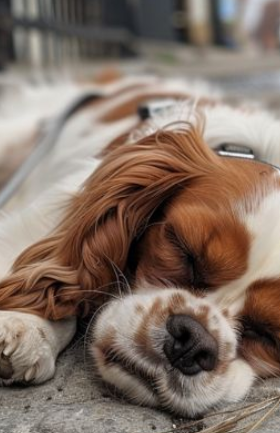
Cavalier King Charles Spaniel Yelps When Picked Up (Solved)
I’ve noticed that my Cavalier King Charles Spaniel sometimes yelps when I pick them up, and it got me thinking about the reasons behind it. After observing and researching, I realized that yelping can happen due to fear, surprise, improper handling, joint or abdominal issues, cramps, or even serious conditions like syringomyelia.
Save For Later

Understanding these causes and learning the proper way to hold my dog has helped me make pick-ups safe and stress-free. In this article, I’ll share what I learned, solutions, and tips to handle yelping Cavaliers confidently.
7 Reasons Why Cavalier King Charles Spaniels Yelp When Picked Up
Out of Fear
I’ve seen my puppy yelp because it felt scared. For young Cavaliers, this often happens between 8–12 weeks during their fear-development stage. Fear can also come from past accidents, like being dropped, or anticipation of activities they dislike, such as nail trimming, baths, or vet visits. Recognizing fear early helps me approach them gently and reduce stress.
The Dog Was Unexpectedly Picked Up
Once, I surprised my senior Cavalier by picking it up without warning, and it yelped instinctively. Like babies, dogs respond to unexpected movements. Now, I always call my dog’s name or make a soft sound before lifting, which seems to calm them. This small adjustment prevents startle-induced yelps.
Picked Up in the Wrong Way
I learned that holding a Cavalier incorrectly can cause pain. Lifting by front arms, back legs, collar, or neck skin is harmful. Supporting the chest and hindquarters evenly distributes their weight, preventing strain and discomfort. This technique has been a game-changer for me in keeping my dog calm and pain-free.
Joint Problems
My research showed that Cavaliers are prone to hip dysplasia and luxating patella. If my dog yelps while jumping, running, or climbing, it could signal joint issues. Regular vet check-ups, supplements, physical therapy, or medication are essential for managing these problems. Catching them early ensures my dog stays active and pain-free.
Cramps
After a long walk or play session, my Cavalier sometimes experiences muscle cramps. Massage, warm baths, or topical cramp creams usually help. Persistent cramps, however, require a vet visit. Staying hydrated and avoiding overexertion has become a crucial part of my dog’s care routine.
Abdominal Problems
I’ve learned that conditions like bloat, hernias, or gastrointestinal issues can make picking up a dog painful. Yelping during lift could indicate abdominal discomfort. Immediate vet care, including X-rays or ultrasounds, is critical since these issues can become life-threatening quickly.
Pro Tip: If your Cavalier yelps when picked up, gently check their abdomen for swelling or tenderness and seek immediate vet care—early action can prevent serious complications.
Spinal Pain (Syringomyelia)
Syringomyelia is a neurological condition that affects Cavaliers’ spines and can cause severe pain or even paralysis. I was surprised to learn how common it is in this breed. Early detection through vet consultation is vital, and treatment may include specialized therapy or surgery.
If Your Cavalier Yelps, Should You Pick Him Up?
I realized that context matters. If my dog’s yelp is from pain or injury, I avoid picking them up and go straight to the vet. If it’s due to fear or surprise, I lift gently, speaking softly and ensuring they feel secure. Observing their body language has helped me make safer, more confident decisions.
What is The Correct Way to Pick Up a Cavalier?
Supporting both the chest and hindquarters is key. One hand goes under the chest near the front legs, the other under the hindquarters. I always lift slowly, avoiding swings or sudden movements. This method protects their spine and joints while keeping my dog calm and comfortable.
Final Words
From my experience, a healthy Cavalier should not yelp when picked up if handled correctly. Cavaliers are affectionate and love being held by their favorite human. Learning the proper techniques and understanding potential pain triggers ensures that holding my dog is a moment of joy, not stress.
Key Takeaways
- Yelping can be caused by fear, surprise, improper handling, or health issues.
- Supporting chest and hindquarters prevents pain and strain.
- Watch for joint, abdominal, or neurological issues as potential causes.
- Always observe body language and lift gently for a stress-free experience.
- Early vet intervention is crucial for persistent yelping or signs of pain.
All content on this site is written and reviewed by our experienced team to ensure it is accurate, reliable, and helpful for our readers. Our Our Process page explains how we carefully research and create high-quality content, while our Team page introduces the professionals behind our work. We also provide clear guidelines for content or image concerns on our Image Removal page, so you can trust that we prioritize transparency, quality, and reader safety.