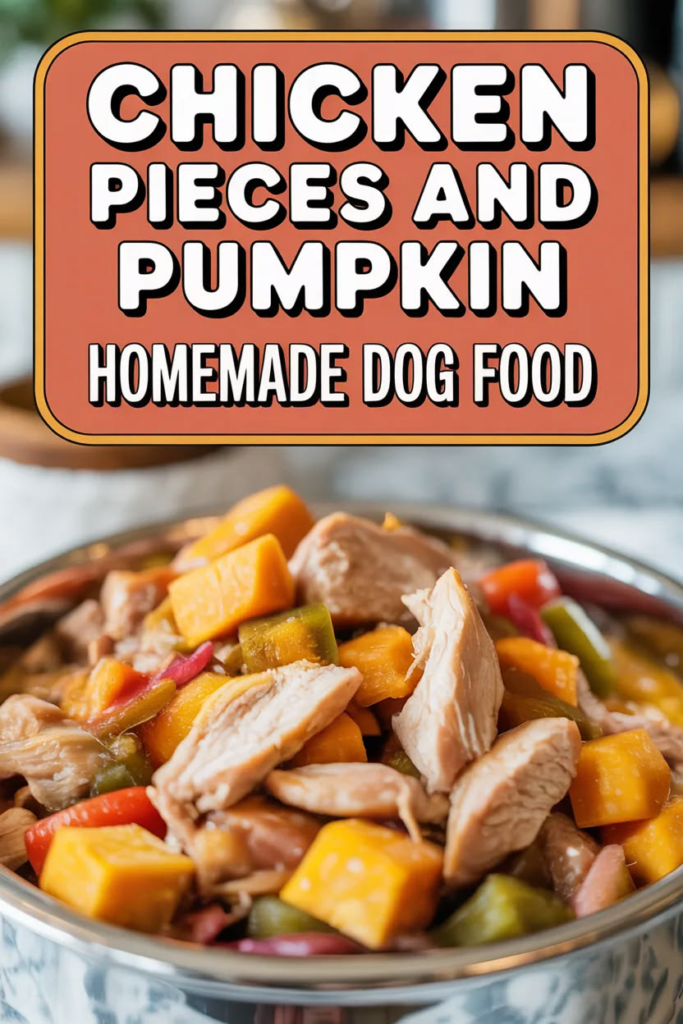
Chicken Pieces and Pumpkin Homemade Dog Food
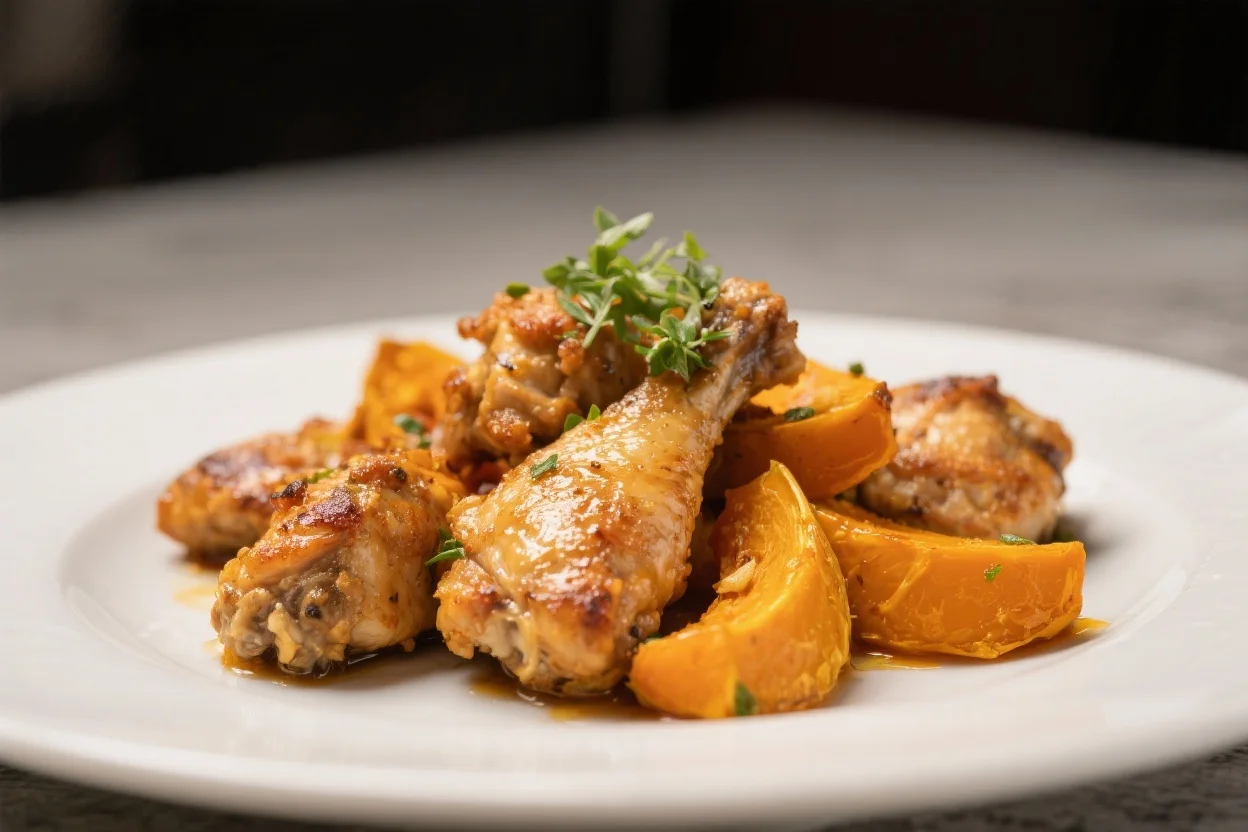
If your dog perks up at the mere scent of chicken, this recipe will become an instant favorite. It’s hearty, wholesome, and surprisingly simple to prepare using ingredients you likely already have in your kitchen. Pumpkin isn’t just for flavor—it brings gentle fiber that supports digestion and creates a creamy, soft texture that dogs absolutely love, without needing strong seasonings.
Save For Later
One of the best things about this recipe is how convenient it is. You can cook a big batch in under an hour and divide it into portions for the entire week. Whether you’re supplementing your dog’s regular commercial food or transitioning to a homemade diet under your vet’s guidance, this meal is a nourishing, safe, and easy starting point.
What Makes This Special
This dog food recipe keeps things simple while providing balanced nutrition. Chicken supplies high-quality lean protein that supports muscle growth and repair, pumpkin helps regulate digestion, and rice acts as a gentle carbohydrate source that is easy on sensitive stomachs.
Adding dog-safe vegetables like carrots or green beans introduces extra vitamins and fiber while giving the meal a pleasant texture. This recipe is budget-friendly, easy to scale up for multiple pets or larger dogs, and can be customized depending on your dog’s preferences and dietary needs.
The mild flavor of the ingredients also makes this recipe suitable for picky eaters, seniors, or dogs recovering from minor stomach issues (always with your vet’s approval). The texture is soft enough for older dogs but still satisfying for active, energetic pups. Ultimately, this is real, wholesome food designed around what dogs love most—meat.
What You’ll Need
- Chicken pieces: 1.5 lbs skinless, boneless chicken thighs or breasts, cut into small chunks
- Pumpkin: 1.5 cups plain pumpkin puree (not pie filling) or 2 cups peeled, cubed fresh pumpkin
- Rice: 1 cup white rice (or 3/4 cup brown rice if your dog tolerates it)
- Carrots: 1 cup diced (fresh or frozen)
- Green beans: 1 cup chopped (fresh or frozen)
- Oil: 1 tablespoon olive oil or canola oil
- Water or low-sodium chicken broth: 3–4 cups, as needed
- Optional add-ins: 1–2 tablespoons finely chopped parsley; 1 tablespoon ground flaxseed
- Vet-approved canine multivitamin/mineral supplement (follow your vet’s dosing)
- Optional calcium source: ground eggshell (about 1/2 teaspoon per cup of food) if not using a complete supplement
How to Make It
Prep the Rice
Rinse the rice until the water runs clear to remove excess starch. Cook it according to the package directions using water or low-sodium broth. Let it cool completely before adding to the mixture so it doesn’t become mushy.
Cook the Chicken
Heat the oil in a large skillet or pot over medium heat. Add the chicken pieces and cook until there is no pink left and the juices run clear, about 8–10 minutes. Avoid browning the chicken too heavily because you want tender, soft bites that are easy for your dog to chew.
Soften the Veggies
Add the carrots and green beans to the pot with the chicken. Pour in 2–3 cups of water or broth and simmer for 8–10 minutes until the vegetables are tender but not overcooked.
Add the Pumpkin
Stir in the pumpkin puree until the mixture is creamy and evenly combined. If you’re using fresh pumpkin cubes, add them earlier with the vegetables so they have time to soften thoroughly.
Combine with Rice
Fold in the cooked rice and adjust the liquid as needed to achieve a moist, scoopable texture. The consistency should be soft and slightly stew-like, not dry or crumbly.
Cool Completely
Remove the pot from heat and allow the food to cool to room temperature. Cooling helps the mixture set properly and makes portioning much easier.
Add Supplements
Once the food has cooled, stir in any vet-approved multivitamins or calcium sources. Avoid cooking supplements as heat can reduce their effectiveness.
Portion and Serve
Start with a small test portion to ensure your dog tolerates it well. Store the rest according to the instructions below.
Storage Instructions
- Refrigerator: Keep in airtight containers for up to 4 days. Dividing it into daily portions prevents repeated reheating.
- Freezer: Freeze meal-sized portions in containers or silicone trays for 2–3 months. Label with date and portion size.
- Thawing: Thaw overnight in the fridge. For quicker thawing, use the microwave on low power in short bursts, stirring frequently.
- Reheating: Warm gently until lukewarm, never hot. Stir well to prevent hot spots.
Health Benefits
- Lean Protein from Chicken: Supports muscle maintenance and repair, which is essential for both active and aging dogs.
- Pumpkin for Digestion: Rich in soluble fiber, pumpkin can firm up stools and soothe minor digestive issues.
- Gentle Carbohydrates: Rice provides steady energy without upsetting sensitive stomachs.
- Vitamins and Minerals from Veggies: Carrots offer beta-carotene, and green beans add fiber and plant nutrients.
- Healthy Fats: A small amount of oil helps with coat shine, skin health, and absorption of fat-soluble vitamins.
- Customization: Adding a vet-approved supplement ensures the diet covers all essential micronutrients.
Pitfalls to Watch Out For
- Skipping Supplements: Homemade meals often lack calcium, zinc, and iodine, so always include a vet-approved supplement.
- Seasoned Ingredients: Never add salt, garlic, onion, or spice blends. Many common seasonings are toxic to dogs.
- Wrong Pumpkin: Only use plain pumpkin. Pumpkin pie filling contains sugar and spices that are unsafe.
- Bone-in Chicken: Avoid cooked bones, which can splinter and cause harm. Stick to boneless pieces.
- Overfeeding: Dogs may beg for extra because it tastes so good. Stick to measured portions to maintain healthy weight.
- Too Rapid a Switch: Transition slowly over 3–5 days to prevent digestive upset.
Recipe Variations
- Turkey and Pumpkin: Substitute lean ground turkey or turkey breast for chicken.
- Oat or Quinoa Base: Swap rice with cooked oats or quinoa if your dog handles them well.
- Extra Veggies: Add peas, zucchini, or spinach, keeping total vegetable content to 20–30% of the recipe.
- Allergy-Friendly Options: If chicken triggers allergies, try lamb or pork loin with veterinary guidance.
- Higher-Calorie Version: Stir in a teaspoon of salmon oil per cup of food for omega-3s and extra calories, with vet approval.
Frequently Asked Questions
How much should I feed my dog?
Portions depend on your dog’s size, age, and activity level. A general starting point is about 2–3% of body weight per day, split into two meals. Adjust as needed based on your dog’s body condition and your veterinarian’s advice.
Is this a complete and balanced diet?
By itself, this meal is a strong base but not fully balanced. Dogs need specific vitamins and minerals in precise ratios. Always use a vet-approved supplement and consult a professional if feeding long-term.
Can I use canned pumpkin?
Yes, as long as it’s 100% pumpkin with no added sugar or spices. Fresh pumpkin should be cooked until soft and mashed or cubed small.
Can I cook everything in one pot?
Absolutely. Brown the chicken lightly, add the vegetables and liquid, simmer until tender, then fold in pre-cooked rice. One-pot cooking makes cleanup easier and keeps flavors consistent.
What if my dog has diarrhea or a sensitive stomach?
This recipe is gentle, but start with small portions, use plain white rice, and avoid extra fats. If symptoms continue beyond a day or two, consult your veterinarian.
Can I add eggs?
Yes. Scrambled or hard-boiled eggs provide extra protein. If you need additional calcium and aren’t using a complete supplement, finely ground eggshell can help—confirm dosage with your vet.
How long does it last in the fridge?
Stored properly in airtight containers, it lasts up to four days. For longer storage, freeze in single portions and thaw as needed.
Do I need to remove chicken fat?
Trim visible fat for most dogs. A small amount is okay, but too much can upset the stomach, especially in dogs prone to pancreatitis.
Can I use brown rice instead of white?
Yes, if your dog digests it well. Brown rice has more fiber, which can be harder for some sensitive stomachs. Switch back to white rice if stools become loose.
How do I transition from kibble?
Mix 25% homemade with 75% kibble for 1–2 days, then 50/50 for 1–2 days, and 75/25 for another day or two before moving fully to homemade. Watch stool consistency and energy levels carefully.
Wrapping Up
This Chicken Pieces and Pumpkin Homemade Dog Food recipe is comforting, adaptable, and loved by most dogs. With the right supplements and measured portions, it fits perfectly into a healthy routine. Using clean, simple ingredients and tailoring the texture or add-ins to your dog’s taste ensures every meal is eagerly enjoyed. Preparing this wholesome food allows you to give your dog a nourishing, flavorful meal they will run to the bowl for every time.
🐾 Reviewed & Approved by Our Pet Experts
Every recipe on Dogs Life Journey is carefully researched, reviewed, and written by experienced pet care specialists to ensure it is safe, nutritious, and pet-friendly.
Cat Care & Nutrition Specialist
Dog Health & Recipe Expert
Rabbit Care & Diet Expert