Simple Chicken & Rice Dog Treats (Like Comfort Food… in Snack Form)
Ever notice how your dog suddenly acts like they’ve never heard the word “sit” unless you’re holding food? You’re not imagining it. Most dogs are highly food-motivated, and honestly, we’ve all leaned into that at some point. Treats make training smoother, rewards feel meaningful, and communication clearer. But there’s always that small worry in the back of your mind — are these treats actually good for them?
That’s where simple, homemade options really shine. When you control what goes into your dog’s treats, you’re not guessing anymore. You know exactly what they’re eating, how it was prepared, and why it works for their body.
Chicken and rice treats are one of those combinations that just make sense. They’re gentle, familiar, and widely recommended for dogs with sensitive stomachs or recovery needs. Think of them as comfort food — not heavy, not complicated, just nourishing and reliable. They’re the kind of treat you can feel good about giving regularly, whether you’re training, rewarding calm behavior, or just showing a little love.
Why These Treats Are Top-Tier
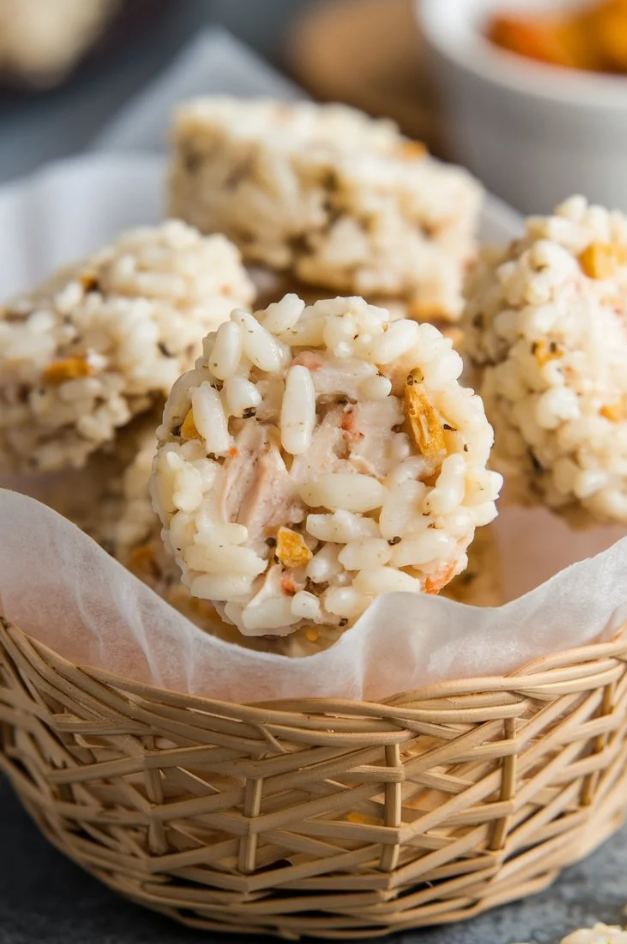
There’s a reason chicken and rice are often the first foods suggested when a dog isn’t feeling their best. Together, they’re easy to digest and gentle on the gut, making them suitable for dogs with food sensitivities, digestive upset, or aging stomachs. Chicken provides a lean, high-quality source of protein that supports muscle maintenance and overall energy, while white rice offers simple carbohydrates that are unlikely to irritate the digestive system.
Another major advantage is how clean the ingredient list is. These treats don’t rely on fillers, artificial flavors, preservatives, or mystery ingredients. What you put in is exactly what your dog eats. When dogs struggle with itching, loose stools, or frequent stomach issues, overly processed treats are often part of the problem. Keeping ingredients minimal helps reduce those risks.
Texture matters too. Soft, chewy treats are much easier for puppies who are still learning to chew, senior dogs with dental sensitivity, or dogs that simply prefer gentler foods. These treats don’t require hard chewing, making them practical for dogs of all ages.
They’re also incredibly convenient. You can make a large batch, store what you need for the week, and freeze the rest. That means fewer last-minute trips to the store and more consistency in what your dog eats. And while they’re simple to make, your dog will happily believe they’re something special.
What You’ll Need
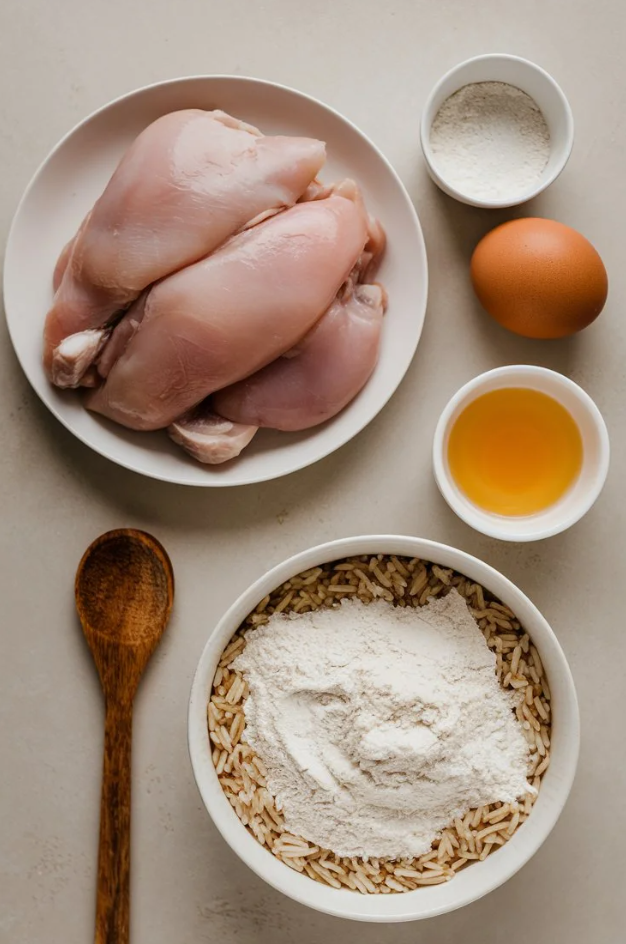
This recipe keeps things intentionally simple. You don’t need specialty products or hard-to-find ingredients. Everything used here is familiar, affordable, and easy to work with, which makes this recipe approachable even if you don’t cook often.
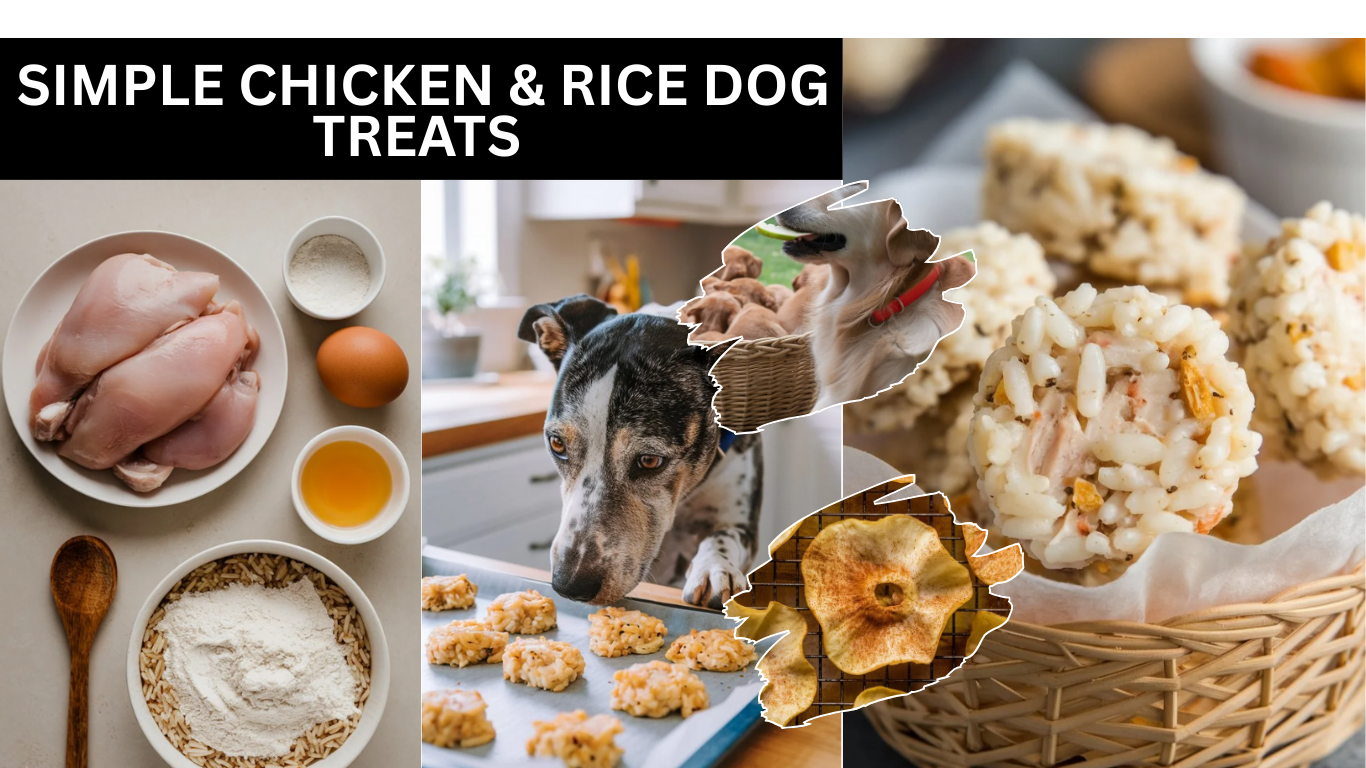
The base includes cooked chicken breast that’s finely chopped or shredded, plain cooked white rice, one egg to help everything bind together, a small amount of flour for structure, and either olive oil or chicken broth to improve moisture. Optional additions like parsley or turmeric can be included in very small amounts, but they’re not necessary for the treats to work well.
The most important rule here is keeping everything unseasoned. Dogs don’t need salt, spices, or flavor boosters. The natural taste and smell of chicken is more than enough to keep them interested.
Let’s Cook (Don’t Worry, It’s Easy)
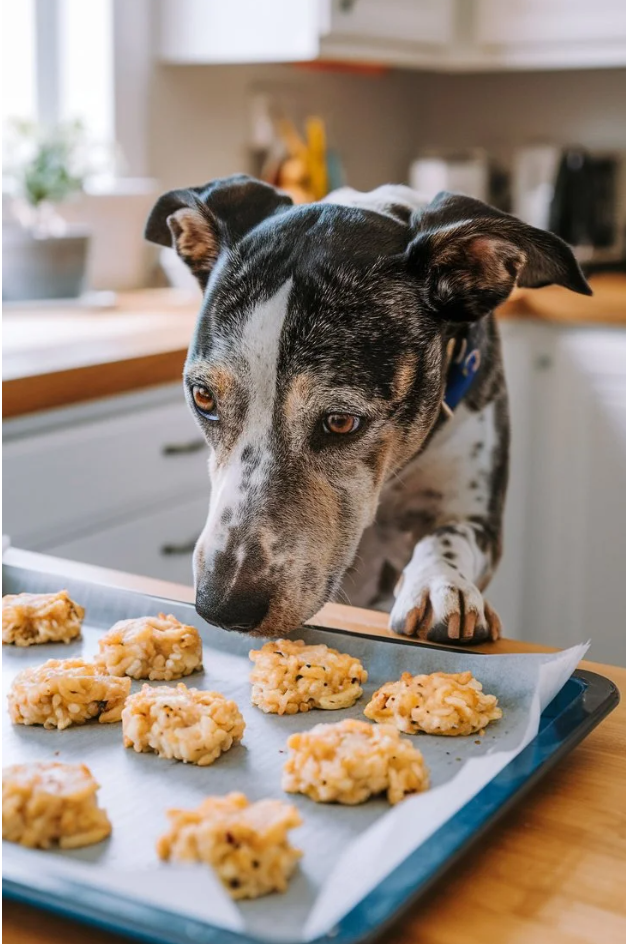
This process is straightforward and forgiving. You don’t need fancy equipment or precise techniques. If you can mix ingredients and set an oven timer, you’re more than capable of making these treats successfully.
Step 1: Preheat
Start by setting the oven to the correct temperature and lining a baking sheet. Preheating helps the treats cook evenly and keeps them from drying out too quickly. Lining the tray also makes cleanup easier and prevents sticking.
Step 2: Mix it all together
Add all ingredients to a bowl and mix until everything comes together into a sticky, cohesive mixture. The texture should hold when pressed but still feel soft. If it seems dry, adding a small splash of broth or water helps. If it’s too wet, a bit more flour balances it out. Small adjustments are normal and expected.
Step 3: Shape your treats
Form the mixture into small portions. Bite-sized treats work best, especially for training or frequent rewards. Perfect shapes aren’t necessary — uneven or rustic pieces work just as well. Your dog won’t judge the presentation.
Step 4: Bake
Place the treats in the oven and bake until they’re set and lightly golden. The goal is a soft texture rather than a crunchy one. Overbaking can make them too hard, so keeping an eye on them helps maintain the right consistency.
Step 5: Cool it
Once baked, let the treats cool completely before offering them to your dog. Serving them hot can cause discomfort, and cooling allows the texture to firm up properly.
Common Mistakes (AKA “Don’t Be That Dog Parent”)
One common mistake is using seasoned chicken or rice. Ingredients like garlic and onion are harmful to dogs and should always be avoided. Another issue is leaving the rice whole, which can cause treats to crumble. Lightly mashing the rice helps everything stick together.
Making treats too large is another frequent error. Smaller pieces are easier to chew, digest, and use for training. Finally, storage matters. These are real food, not shelf-stable snacks, so refrigeration or freezing is essential to keep them safe and fresh.
Customization Station 🎨
These treats are flexible, as long as changes stay dog-safe. Chicken can be swapped for turkey, shredded vegetables like carrot can be added for variety, or pumpkin can replace rice for a digestive-friendly alternative. Making smaller versions works well for training sessions where frequent rewards are needed.
Creativity is fine — seasoning is not. Keeping flavors simple ensures the treats remain safe and gentle.
Final Thoughts of Chicken & Rice Dog Treats
Chicken and rice treats are one of those rare options that check every box. They’re gentle, simple, and genuinely useful in everyday dog life. Whether you’re reinforcing training, filling puzzle toys, or rewarding calm behavior, these treats fit naturally into a healthy routine.
They help build trust, reinforce good habits, and give you confidence in what you’re feeding your dog. Your dog gets something comforting and delicious, and you get peace of mind knowing exactly what’s in every bite.