Chicken Tenders & Carrot Medley For Cats: Nutritious Treat
Feeding a cat the same dry kibble every single day can start to feel repetitive—for them and for you. Cats may not complain out loud, but many show boredom through half-eaten bowls, slow eating, or walking away altogether. Adding a fresh, homemade option once in a while can completely change how excited they feel about mealtime. That’s where this Chicken Tenders & Carrot Medley comes in.
This recipe is simple, comforting, and made with real ingredients you can recognize. It’s designed for cat owners who want to do a little more for their pets without turning the kitchen upside down. I’ve personally made variations of this meal for picky eaters, senior cats, and even kittens, and it consistently gets a positive reaction—licked bowls and waiting paws included.
Why Chicken and Carrots Work So Well for Cats
Chicken: A Clean, High-Quality Protein
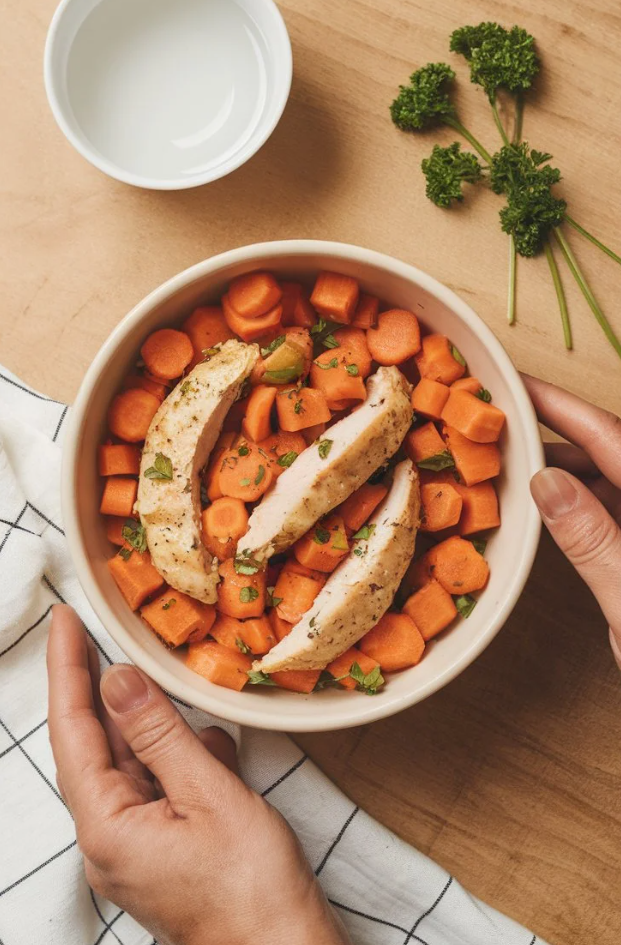
Cats thrive on animal protein. Chicken tenders are especially useful because they’re lean, soft when cooked, and easy to digest. When you cook chicken plainly—no salt, no seasoning—you’re giving your cat exactly what their body is built to use. Protein supports muscle strength, energy levels, immune health, and overall vitality. From experience, cats tend to prefer the texture of shredded chicken over chunks, especially when it’s moist and warm (not hot).
Carrots: Gentle Nutrition with Real Benefits
Carrots might not seem like a typical cat food ingredient, but when cooked properly, they can be a great addition. Soft, cooked carrots provide fiber, which can help support digestion and stool quality. They also contain vitamins that contribute to overall wellness. The key is texture—carrots must be fully cooked until soft enough to mash easily. Raw or crunchy vegetables are difficult for cats to process and should always be avoided.
A Balanced, Simple Combination
Together, chicken and carrots create a meal that feels hearty without being heavy. It’s not meant to replace a complete commercial diet, but it works beautifully as a topper, supplement, or occasional homemade meal. The simplicity is what makes it effective—no fillers, no unnecessary extras, just clean food your cat can enjoy.
Ingredients You’ll Need
This recipe keeps things intentionally minimal. You don’t need specialty products or complicated measurements.
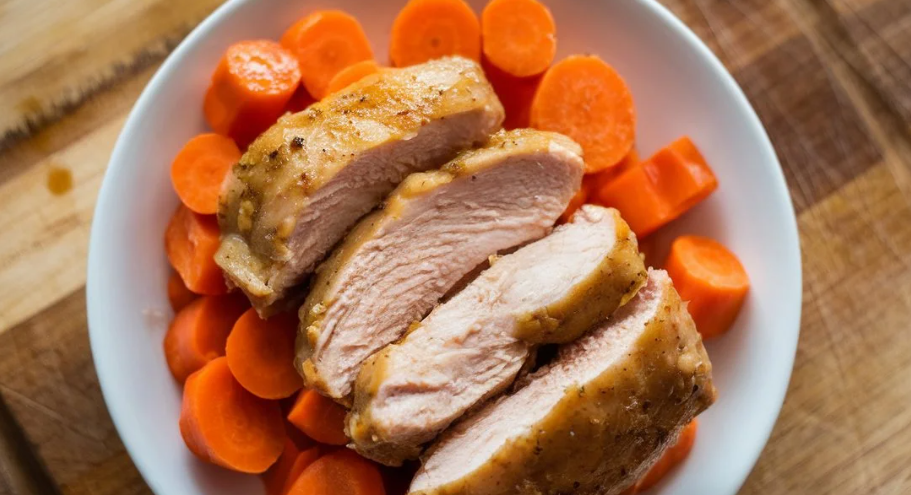
- 1 medium chicken tender, boneless and skinless
- ¼ cup carrot, diced and fully cooked until soft
- 1–2 tablespoons water or low-sodium chicken broth, just enough to add moisture
That’s all. When it comes to homemade pet food, fewer ingredients often mean fewer digestive issues.
How to Prepare Chicken Tenders & Carrot Medley

Cooking the Chicken Properly
Place the chicken tender in a pot of plain water. Do not add salt, oil, or spices. Bring it to a gentle boil and cook for about 8 to 10 minutes, until the chicken is completely white all the way through. Fully cooked meat is essential for cats—any pink or undercooked areas are unsafe.
Once cooked, remove the chicken and allow it to cool slightly so it’s safe to handle.
Preparing the Carrots
While the chicken cooks, peel and dice the carrot into small pieces. Boil or steam the carrot until it’s very soft. You should be able to mash it easily with a fork. This texture makes it much easier for cats to eat and digest.
Drain the carrots well before mixing.
Shredding for Cat-Friendly Texture
After the chicken cools a bit, shred it into very small pieces. Cats do best with fine shreds rather than chunks, especially kittens or older cats with sensitive teeth. Think small, soft, and manageable.
Mixing Everything Together
In a bowl, combine the shredded chicken and cooked carrots. Add a small amount of water or low-sodium broth to create a moist consistency. The mixture should be soft and slightly juicy, not soupy. Stir well so every bite has both chicken and carrot.
Cooling and Serving
Let the food cool completely to room temperature before serving. Cats are sensitive to temperature and may refuse food that’s too warm. Once cooled, serve a small portion and watch how your cat responds—you’ll usually know right away if it’s a hit.
Can Dogs Eat This Meal Too?
Yes, they absolutely can. Chicken and carrots are a classic combination for dogs as well. The main difference is portion size and texture. For dogs, especially medium or large breeds, you don’t need to shred the chicken as finely. This makes the recipe a convenient option for households with both cats and dogs, as long as portions are adjusted appropriately.
Common Mistakes to Avoid
Using Seasonings or Spices
Cats do not need added flavorings. Salt, pepper, garlic, onion, and spices can be harmful. Plain is always best.
Serving Undercooked Meat
Always double-check that the chicken is fully cooked. Raw or undercooked meat can cause serious digestive problems.
Skipping Vegetable Cooking
Raw carrots are hard for cats to digest. Cooking until soft isn’t optional—it’s necessary.
Serving Food While It’s Hot
Hot food can burn a cat’s mouth and will often be rejected anyway. Cooling is part of the process.
How to Store Leftovers Safely
If you make more than one serving, proper storage matters.
- Refrigerator: Store in an airtight container for up to 3 days. Reheat gently if needed, then let it cool to room temperature before serving.
- Freezer: Freeze individual portions for up to one month. Thaw in the refrigerator overnight before use.
Labeling containers helps avoid confusion, especially if you meal prep for yourself too.
Simple Variations You Can Try
Turkey Instead of Chicken
Turkey tenders are just as lean and nutritious and work the same way in this recipe.
Pumpkin in Place of Carrots
Cooked, mashed pumpkin is excellent for digestion and a great alternative for cats who don’t love carrots.
Adding Green Beans
Soft, diced green beans can be mixed in for cats that enjoy more texture and variety. Always cook them thoroughly.
How Often Should You Feed This to Your Cat?
This meal works best as an occasional addition—once or twice a week is ideal. It’s perfect as a treat, topper, or supplemental meal, but it shouldn’t replace a complete, balanced cat food that meets all nutritional requirements.
Conclusion on Chicken Tenders & Carrot Medley For Cats
Homemade meals don’t have to be complicated or stressful. This Chicken Tenders & Carrot Medley proves that with a few basic ingredients and a little care, you can give your cat something fresh, nourishing, and genuinely enjoyable. From personal experience, the ritual of preparing food for your pet creates a stronger bond—and those quiet purrs while they eat make the effort worth it.
Your cat may never say thank you, but an empty bowl and a satisfied nap right after usually say enough.