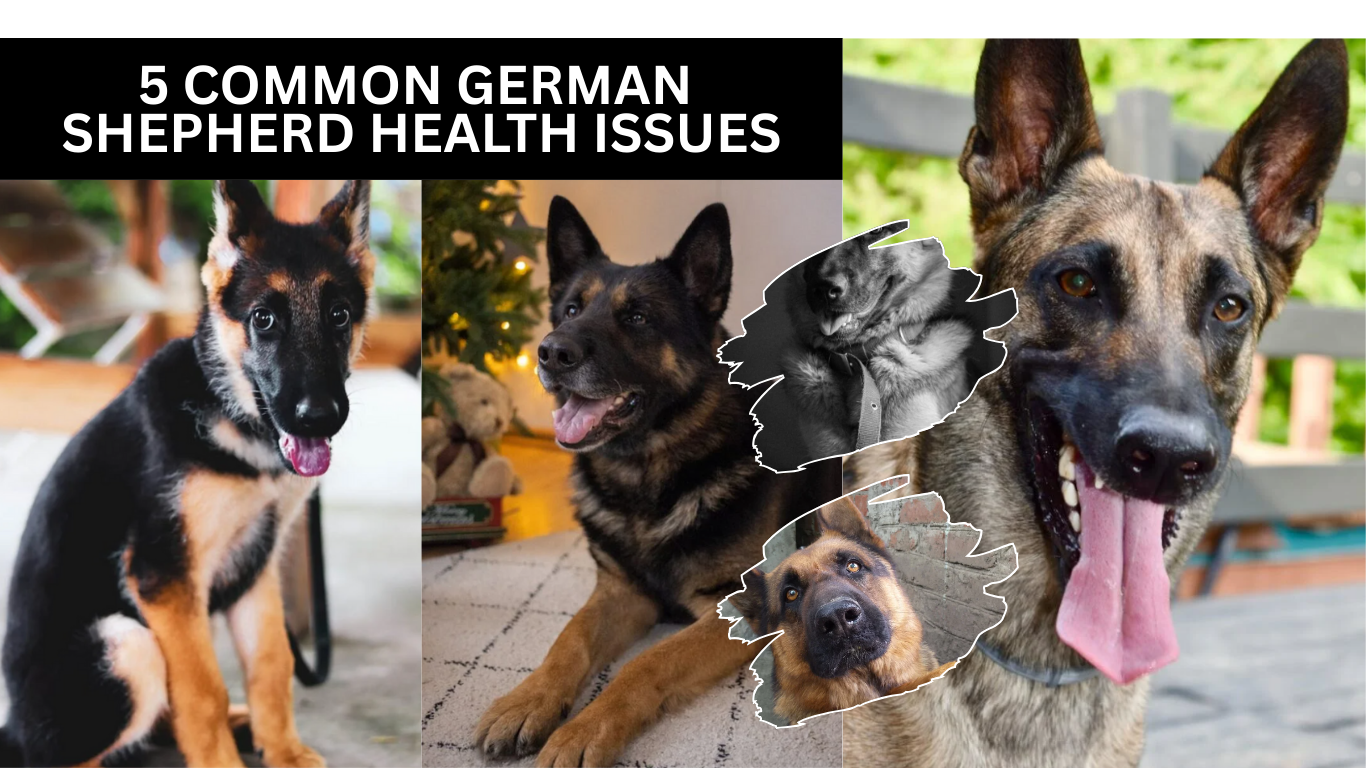
5 Common German Shepherd Health Issues and Prevention Tips
Ah, the German Shepherd. Strong, intelligent, fiercely loyal, and always alert. Living with one feels like having both a best friend and a protector rolled into one. They’re confident, athletic, and incredibly devoted to their people. But as impressive as they are, they aren’t invincible.
Like all large and active breeds, German Shepherds come with specific health vulnerabilities. Ignoring them doesn’t make them disappear—it usually makes them worse. The good news is that when you understand what these dogs are prone to and why, you can take meaningful steps to protect their quality of life. Caring for a German Shepherd isn’t just about love; it’s about awareness, prevention, and consistency.
1. Hip Dysplasia: The Bane of Big Dogs
Hip dysplasia is one of the most talked-about health concerns in German Shepherds—and for good reason. It develops when the hip joint doesn’t form correctly, causing instability that worsens over time. As the joint grinds instead of gliding smoothly, pain and inflammation slowly set in. Many dogs start out seeming fine, then gradually show stiffness, trouble standing, or reluctance to run and jump.
Living with a dog affected by hip dysplasia can be heartbreaking. You may notice them slowing down long before they should, struggling after rest, or avoiding activities they once loved. While genetics play a major role, daily care decisions can either protect the hips or put unnecessary strain on them.
Prevention Tips:
Keeping your dog lean is one of the most powerful tools you have. Extra weight adds constant pressure to already vulnerable joints, accelerating damage. Exercise matters too, but not all movement is equal. Gentle, controlled activities help maintain muscle without harming the joints, while repeated high-impact stress can do lasting harm. Nutrition also plays a role—feeding a balanced diet that supports joint health helps maintain mobility over the long term. When choosing a puppy, responsible breeding practices matter just as much as day-to-day care.
2. Bloat: The Silent Killer
Bloat is one of the most dangerous emergencies a German Shepherd can face. It strikes suddenly and escalates fast. When the stomach fills with gas and twists, blood flow is cut off, internal pressure rises, and the situation can become fatal within hours. Many owners don’t realize how serious it is until it happens.
What makes bloat so frightening is how unpredictable it can be. A dog may seem perfectly normal, then become restless, uncomfortable, and distressed in a short span of time. Waiting it out is never an option.
Prevention Tips:

Feeding habits matter more than many people realize. Eating too quickly increases the risk, as does intense activity right after meals. Breaking daily food intake into smaller portions reduces stress on the stomach. Knowing the early warning signs and acting immediately can be the difference between life and death. When it comes to bloat, hesitation costs time—and time matters.
3. Degenerative Myelopathy: The Sneaky Nerve Thief
Degenerative myelopathy is a slow, progressive disease that quietly attacks the spinal cord. It often begins subtly, with mild weakness or coordination issues in the hind legs. Over time, those small changes turn into significant mobility loss and eventual paralysis.
Watching a strong, confident German Shepherd lose control of their back legs is emotionally devastating. The disease doesn’t cause pain in the traditional sense, but it steadily takes away independence. Because symptoms develop gradually, they’re often mistaken for normal aging at first.
Prevention Tips:

Since this condition is genetic, responsible breeding is critical. Staying proactive with physical activity helps maintain muscle strength for as long as possible. Nutritional support aimed at nerve health may help slow decline when guided by a veterinarian. Early recognition allows for better management, adaptive care, and planning that preserves dignity and comfort.
4. Allergies: The Itchy, Scratchy Saga
German Shepherds are known for having sensitive skin, and allergies are a common struggle. Constant itching, chewing, and licking aren’t just annoying behaviors—they’re signs of real discomfort. Left untreated, skin irritation can turn into infections, hair loss, and ongoing misery.
Allergies don’t always have a single obvious cause. Environmental factors, diet, and seasonal changes can all play a role, making flare-ups frustratingly unpredictable.
Prevention Tips:
Managing allergies takes patience and observation. Identifying triggers helps reduce repeated exposure, while proper grooming keeps irritants from lingering on the skin. Nutritional support aimed at reducing inflammation can improve both comfort and coat condition. When itching becomes constant, it’s not something to brush off—it’s a signal that your dog needs help.
5. Exocrine Pancreatic Insufficiency (EPI): The Digestive Dilemma
EPI affects how the body processes food. When the pancreas doesn’t produce enough digestive enzymes, nutrients pass through without being properly absorbed. Dogs may eat eagerly yet lose weight, experience chronic diarrhea, and appear weak despite having a strong appetite.
This condition can be alarming at first, especially when a dog seems hungry all the time but continues to waste away. Without treatment, it quickly affects overall health and energy levels.
Prevention Tips:
Early recognition is key. Once diagnosed, enzyme supplementation becomes a lifelong necessity, but it’s highly effective when managed correctly. Feeding easily digestible, nutrient-dense food supports better absorption and stability. Regular veterinary monitoring ensures adjustments are made before complications arise, allowing affected dogs to live full, active lives.
Conclusion of Common German Shepherd Health Issues
German Shepherds give everything they have to their families—loyalty, protection, companionship, and trust. In return, they depend on informed care. Health challenges are part of the breed, but neglect doesn’t have to be. Staying attentive, feeding thoughtfully, exercising wisely, and working closely with a veterinarian can dramatically change outcomes.
These dogs aren’t just pets. They’re partners. And when their health is protected, they thrive in every role they’re born to fill.