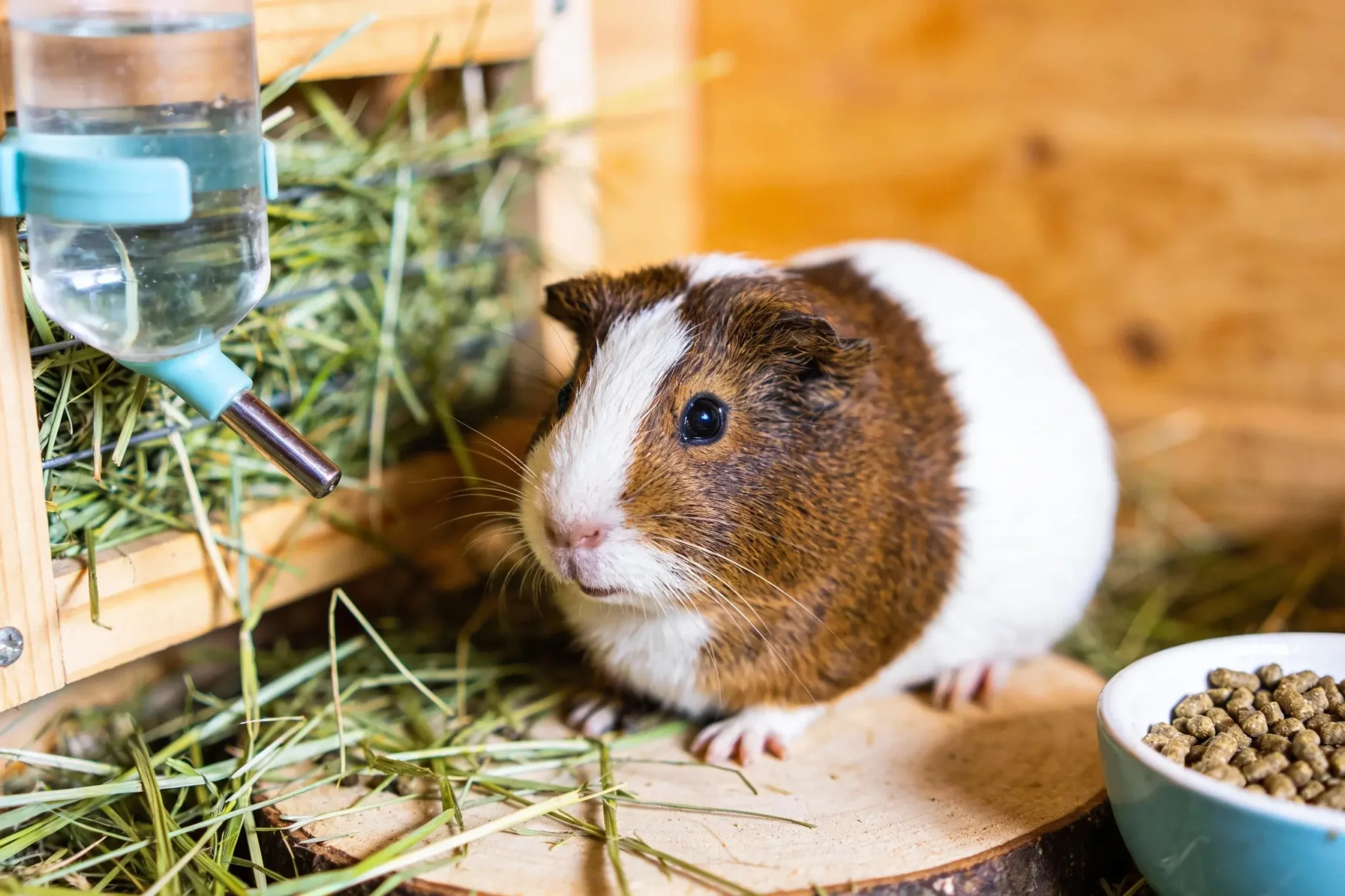
Common Guinea Pig Health Problems and How to Prevent Them
Guinea pigs are incredibly good at hiding discomfort. One day they look energetic and playful, and the next they may sit quietly in a corner refusing food. This happens because they naturally hide weakness, which means owners often notice problems later than they should. The key to keeping them healthy is watching small daily changes. When you learn their normal habits, you can catch issues early instead of facing sudden emergencies. Prevention, routine care, and quick action are what truly protect them in the long run.
Diet Drama: The Root of Most Problems
Food plays the biggest role in a guinea pig’s overall health. Many common illnesses start with an unbalanced diet or inconsistent feeding habits. Guinea pigs cannot produce their own vitamin C, so they depend entirely on what you provide every day. If they don’t get enough, they can develop joint pain, skin issues, weakness, and low energy. Good nutrition is not about fancy treats or variety for the sake of variety. It’s about consistency, balance, and feeding the right essentials daily.
Build a bulletproof menu
A proper daily diet should focus on simple staples that support digestion and long-term health:
- Unlimited grass hay such as timothy, orchard, or meadow for digestion and tooth wear
- Good-quality pellets with stabilized vitamin C and no unnecessary fillers
- Fresh vegetables daily, especially bell peppers and leafy greens
- Clean, fresh water available at all times
Hay is the most important part because it keeps the digestive system moving and naturally trims teeth. Vegetables add hydration and vitamins, while pellets help fill any nutritional gaps when chosen carefully.
Foods to avoid
Some foods seem harmless but can create problems over time or even be dangerous:
- Iceberg lettuce because it offers very little nutrition
- Onion, garlic, potato, and rhubarb due to toxicity
- Excess fruit because too much sugar can upset digestion
Keeping treats occasional helps maintain stable digestion and healthy weight.
Teeth: Constantly Growing, Sometimes Problematic
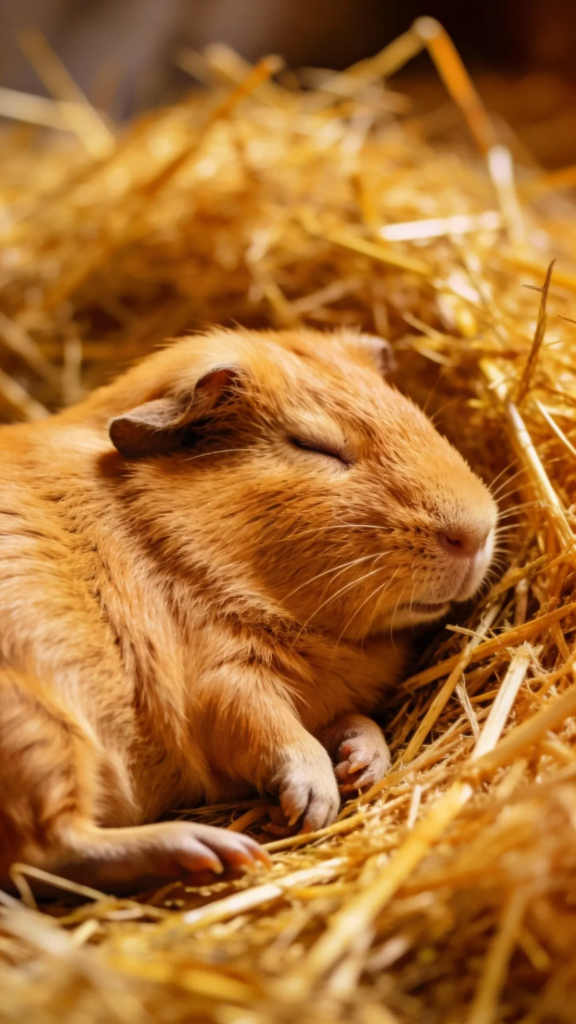
Guinea pig teeth grow continuously throughout life. If chewing doesn’t wear them down enough, they can become overgrown and painful. Dental problems often start slowly, so owners may not notice until eating becomes difficult. Once chewing hurts, weight loss follows quickly, which makes dental care extremely important.
Signs of dental trouble
Watch closely for early signs like:
- Drooling or a constantly wet chin
- Dropping food while trying to chew
- Eating slowly or avoiding hard foods
- Weight loss or messy front paws from wiping saliva
Even small changes in eating behavior can signal a developing issue.
Prevention like a pro
You can prevent most dental problems with consistent habits:
- Offer unlimited hay daily
- Provide crunchy vegetables for natural chewing
- Avoid hard treats and mineral blocks that can damage teeth
- Track weight weekly to spot issues early
Regular weight checks often reveal a problem before obvious symptoms appear.
Respiratory Infections: Tiny Lungs, Big Problems
Respiratory issues can become serious very quickly in guinea pigs. Their lungs are sensitive, and conditions like dusty bedding, stress, or poor airflow can lead to infections. These illnesses should never be ignored because they often worsen faster than expected.
Red flags
Symptoms that need attention include:
- Sneezing or nasal discharge
- Crusty or watery eyes
- Wheezing or heavy breathing
- Low energy and reduced appetite
If breathing changes, it’s important to act quickly.
Prevention tactics
Daily environment management makes a huge difference:
- Use low-dust bedding like paper or fleece
- Avoid strong-smelling wood shavings or smoke exposure
- Keep cages away from drafts
- Quarantine new guinea pigs before introducing them
- Clean regularly to reduce ammonia buildup
Small improvements in air quality can significantly reduce illness risk.
GI Stasis and Bloat: The Emergency No One Wants
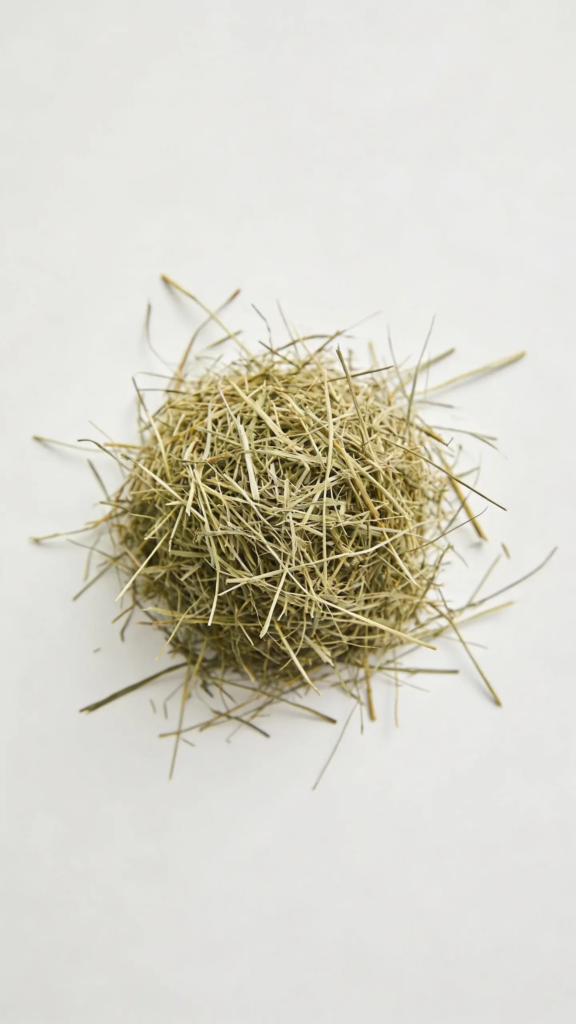
Digestive slowdowns are one of the most dangerous conditions for guinea pigs. Their digestive system relies on constant movement, and once eating stops, everything begins to slow down. This creates a painful cycle that can become life-threatening if ignored.
Recognize it early
Early warning signs include:
- Refusing food, even favorites
- Very few droppings or small dry pellets
- Hunched posture
- Teeth grinding or a swollen stomach
These symptoms require immediate attention rather than waiting to see if things improve.
Prevention and first steps
The best protection comes from routine:
- Provide constant hay access
- Avoid sudden food changes
- Reduce stress through gentle handling and stable housing
- Contact a vet immediately if eating stops
Having recovery supplies can help, but professional guidance is always necessary.
Skin and Parasites: Itch Now, Deal With Fallout Later
Skin problems may begin subtly but can quickly become severe if left untreated. Scratching, hair loss, and flaky skin are not normal and usually point to mites, fungal infections, or stress-related behaviors.
Common culprits
The most frequent causes include:
- Mites that cause intense itching
- Fungal infections that create bald, flaky patches
- Hair chewing linked to stress or dominance
Some skin conditions can spread, so quick attention is important.
Prevention and care
To reduce risk and support healing:
- Quarantine new guinea pigs
- Keep the cage clean and dry
- Wash hands between handling pets
- Seek proper veterinary diagnosis before treatment
- Wash bedding and disinfect habitats during recovery
Consistent hygiene helps prevent repeat infections.
Bladder Stones and Urinary Issues
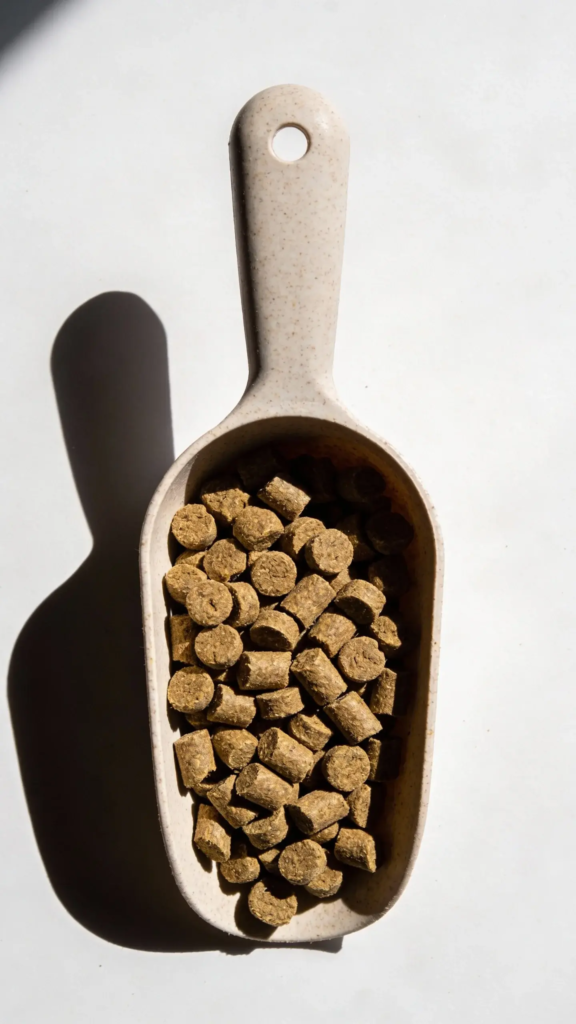
Urinary problems are uncomfortable and sometimes dangerous. Stones often form when diets contain too much calcium or when water intake is too low. In severe cases, they can block urination, which is an emergency.
Watch for
Signs that should never be ignored:
- Blood in urine or pink bedding
- Straining or squeaking while urinating
- Reduced activity or hunched posture
These symptoms usually indicate pain and need professional care.
Reduce the risk
Simple changes can lower the chance of stones:
- Encourage hydration with clean water and fresh greens
- Rotate vegetables instead of feeding only high-calcium options
- Avoid alfalfa for adult guinea pigs
- Provide enough space for movement
- Schedule regular checks for pigs with past urinary issues
Hydration and balanced feeding are the strongest preventative tools.
Weight, Nails, and General Upkeep
Basic weekly maintenance often prevents bigger health issues. These quick checks help you notice problems before they become serious.
Your mini health checklist
- Weigh weekly using a kitchen scale
- Trim nails every few weeks to prevent pain
- Check eyes, ears, and rear area for discharge
- Observe droppings for changes in size or shape
Small routine checks build confidence and help you understand your guinea pig’s normal patterns.
Habitat and Hygiene: Set Them Up to Thrive
The way you set up the cage directly affects health, stress levels, and behavior. A good environment supports both physical and mental wellbeing.
Do it right
Focus on these essentials:
- Provide enough floor space so they can move freely
- Use open, well-ventilated cages
- Spot clean daily and deep clean weekly
- Add hideouts, tunnels, and safe chew items
A clean, enriching space keeps guinea pigs active and comfortable.
When to Call the Vet (AKA Not Tomorrow)
Guinea pigs can decline quickly, so timing matters. Waiting too long often turns a manageable issue into an emergency. Immediate care is needed if your guinea pig stops eating for several hours, stops producing droppings, struggles to breathe, or shows blood in urine. Severe diarrhea or signs of bloat also require urgent attention. For weight loss, dental concerns, sneezing, or skin issues, schedule a vet visit within the same week.
FAQ
How much vitamin C does my guinea pig need daily?
Most adult guinea pigs need around 20–30 mg of vitamin C each day. This usually comes from quality pellets and fresh vegetables such as bell peppers. Supplements should be given directly when advised rather than mixed into water.
Can I prevent mites with routine treatment?
Mites cannot always be prevented completely. Clean housing, quarantine practices, and quick action when symptoms appear are the safest approaches.
Is alfalfa ever okay?
Alfalfa is suitable for young, pregnant, or nursing guinea pigs because they need extra calcium and protein. Adults should mainly eat grass hay to avoid urinary problems.
Do guinea pigs need annual vet checkups?
Yes, yearly exams help detect subtle dental, respiratory, or weight-related issues before they become serious. Older guinea pigs may need more frequent visits.
What temperature should I keep the room?
A comfortable range between 65–75°F (18–24°C) works best. Avoid extreme heat, direct sun, and cold drafts.
How can I tell if two pigs stress each other out?
Watch for constant chasing, blocked access to food, hair chewing, or weight loss in one pig. More space, multiple feeding areas, and extra hideouts usually help reduce tension.
Conclusion of Common Guinea Pig Health Problems and How to Prevent Them
Healthy guinea pigs are the result of consistent daily care, not luck. Good food, clean living conditions, regular monitoring, and fast action when something changes are the real foundations of long-term health. Once you get into the habit of observing them closely, you’ll notice that small signals tell you everything you need to know. With steady care and attention, your guinea pigs can live active, comfortable, and happy lives.