
Cooked Dog Food Recipes for Beginners: Easy, Healthy Homemade Meals
I know how confusing homemade dog food can feel at the start. Most recipes I found were long, complicated, and honestly unrealistic for daily life. I didn’t want to measure 20 ingredients or worry about getting everything perfect. I just wanted something simple and safe for my dog.
Save For Later
So I kept things practical and tested what actually works. In this guide, I’m sharing two easy cooked dog food recipes that I personally rely on. They are beginner-friendly, balanced, and don’t require special tools or expensive ingredients.
Complete Guide Summary (Above the Fold)
In this guide, I explain exactly how I make simple homemade dog food without stress. I cover what makes a recipe beginner-friendly, how to safely transition your dog, and how to store meals properly. You’ll get two complete recipes (chicken and beef-based), feeding guidelines by weight, and practical tips from real experience.
I also explain when supplements become important and how to avoid common nutrition gaps. Based on veterinary data, over 90% of homemade diets lack at least one essential nutrient if not balanced properly, so I’ve kept things realistic and safe.
Key Takeaways
- I stick to recipes with 5 ingredients or less to keep things simple
- Balanced meals always include protein, carbs, veggies, and fats
- Gradual transition over 7 days prevents digestive issues
- Homemade food improves coat, digestion, and energy in many dogs
- Supplements become necessary for long-term feeding
- Proper storage keeps food safe for up to 5 days (fridge) or 3 months (freezer)
What Beginner Dog Food Recipes Need
When I first started, I realized simple recipes are the only ones that stick long-term. If it’s too complicated, I won’t keep doing it.
I focus on recipes with five ingredients or fewer. This keeps cost low and reduces mistakes. Studies show simpler diets improve consistency, which is more important than complexity.
I also use common grocery items. If I can’t find ingredients easily, I know I’ll stop making it. Consistency matters more than perfection.
Balanced nutrition is key. Every bowl I prepare includes protein, carbs, vegetables, and healthy fats. This supports digestion, energy, and coat health.
Pro Tip: If you’re just starting, don’t overcomplicate nutrition. Focus on consistency first, then improve over time.
Important Notes Before You Start
Before I switched fully, I checked with my vet. This is important, especially if your dog has allergies, weight issues, or medical conditions.
I always transition slowly. Sudden changes can cause diarrhea or stomach upset. A gradual shift gives the digestive system time to adjust.
I also watch small signs. Energy levels, stool quality, and coat shine tell me if the food is working. These indicators are more reliable than guesswork.
For long-term feeding, I don’t ignore supplements. Homemade food is fresh, but it may miss key nutrients like calcium or vitamin D.
Pro Tip: I schedule a vet check after 2–3 months to confirm everything is balanced.
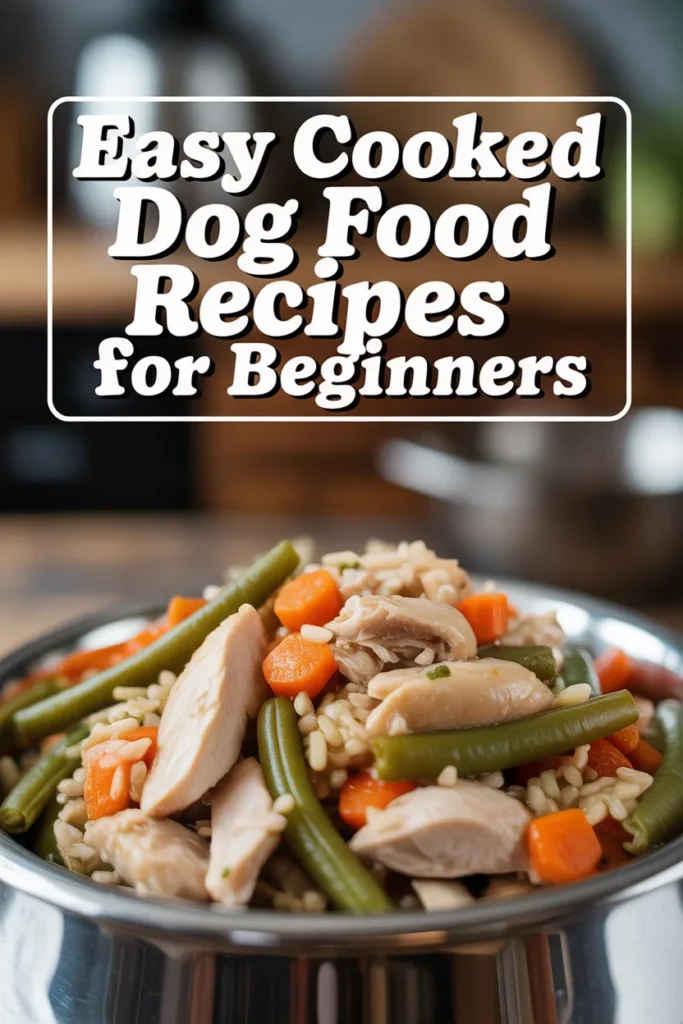
Recipe 1: Simple Chicken & Veggie Bowl
This is the first recipe I ever made, and I still use it weekly. It’s quick, affordable, and works for most dogs.
Ingredients
- 2 pounds boneless chicken
- 2 cups brown rice
- 2 cups mixed vegetables
- 2 tablespoons olive or coconut oil
- 4 cups water or broth
Why These Ingredients:
Chicken gives lean protein for muscle health. Brown rice provides steady energy and fiber. Vegetables support immunity with vitamins and antioxidants.
Healthy fats improve coat shine and help nutrient absorption. According to pet nutrition data, omega fats play a key role in skin health.
Equipment Needed
- Large pot
- Knife and cutting board
- Mixing bowl
- Storage containers
Step-by-Step Instructions
Step 1: Prepare the Chicken
I cut the chicken into small chunks so it cooks evenly and is easy to eat.
Step 2: Cook the Rice
I cook rice until soft and fully absorbed. I avoid opening the lid to keep cooking consistent.
Step 3: Cook the Chicken
I cook chicken until fully done with no pink inside. Safe temperature matters to avoid bacteria.
Step 4: Prepare the Vegetables
I add vegetables during the last 10 minutes so they stay nutritious but soft.
Step 5: Combine Everything
I mix everything together and add oil for fats and better taste.
Step 6: Cool and Store
I always cool food completely before storing. This prevents bacteria growth.
Serving Guidelines
- Small dogs: 1–1.5 cups
- Medium dogs: 2–3 cups
- Large dogs: 3–4 cups
- Giant dogs: 4–6 cups
I adjust portions based on activity level and weight changes.
Additional Tips
I batch cook to save time. Freezing portions makes feeding easy during busy days.
Some dogs prefer softer textures, so I adjust based on what mine likes.
Pro Tip: I save leftover broth and use it as a natural flavor boost.
Recipe 2: Beef & Sweet Potato Power Bowl
When my dog needed more energy, I switched to this recipe. It’s richer and great for active dogs.
Ingredients
- 2 pounds lean ground beef
- 3 sweet potatoes
- 2 cups spinach
- 2 tablespoons fish oil
- Optional pumpkin puree
Why These Ingredients:
Beef adds iron and B vitamins, which support energy levels. Sweet potatoes provide fiber and vitamin A.
Spinach supports immunity, while fish oil improves joints and coat. Omega-3 fats are proven to reduce inflammation.
Equipment Needed
- Large pan
- Baking tray
- Fork
- Mixing bowl
Step-by-Step Instructions
Step 1: Roast the Sweet Potatoes
I roast them until soft for better taste and digestion.
Step 2: Brown the Beef
I cook beef fully and break it into small pieces.
Step 3: Add the Spinach
I mix spinach in at the end so it keeps nutrients.
Step 4: Combine Ingredients
I mix everything evenly for balanced nutrition.
Step 5: Cool and Portion
I cool completely before storing in containers.
Serving Guidelines
- Small dogs: 1–2 cups
- Medium dogs: 2–3.5 cups
- Large dogs: 3.5–5 cups
- Giant dogs: 5–7 cups
This recipe is more calorie-dense, so I feed slightly less.
Additional Tips
If food feels dry, I add broth. If too wet, I mix in rice.
I often prep sweet potatoes in advance to save time.
Pro Tip: Always use high-quality meat—nutrition starts with ingredients.
Storage and Food Safety
I store food in airtight containers and use it within 5 days.
Freezing works well for long-term use. I label everything with dates to stay organized.
I never thaw food at room temperature. This reduces bacterial risk.
Food safety matters—poor storage can undo all the health benefits.
Making It Complete: The Supplement Question
From my experience, homemade food is great—but not always complete.
Commercial dog food follows strict standards, while homemade meals can miss key nutrients over time.
That’s why I add supplements when feeding homemade food regularly. Calcium, omega-3, and multivitamins are the most common gaps.
Pro Tip: Always add supplements after cooking to protect nutrients.
Transitioning to Homemade Dog Food
I follow a 7-day transition plan to avoid digestive problems.
- Days 1–2: 25% homemade
- Days 3–4: 50% homemade
- Days 5–6: 75% homemade
- Day 7: 100% homemade
Some dogs adjust faster, but I always watch for signs like loose stools.
Signs Your Dog Is Thriving
After a few weeks, I usually notice clear improvements.
Coat becomes shinier, stools get firmer, and energy levels improve.
Behavior also changes—better appetite and more excitement at mealtime.
If I notice negative changes, I adjust quickly or consult my vet.
Frequently Asked Questions
Is cooked dog food better than kibble?
In my experience, homemade food gives better ingredient control. But high-quality kibble is balanced and convenient. It depends on your lifestyle.
Do I need supplements?
If homemade food is more than 50% of meals, yes. Nutrient gaps can appear over time.
Can puppies eat homemade food?
Yes, but I always recommend vet guidance. Puppies need precise nutrition for growth.
How do I know it’s balanced?
I look at coat, weight, energy, and digestion. For accuracy, a vet check is best.
Final Words
I’ve learned that homemade dog food doesn’t need to be complicated. Keeping things simple made it sustainable for me.
These recipes helped me improve my dog’s diet without stress. I saw real changes in energy, digestion, and overall health.
Start small. Try one recipe and observe how your dog responds. Over time, you’ll build confidence and find what works best.
All content on this site is written and reviewed by our experienced team to ensure it is accurate, reliable, and helpful for our readers. Our Our Process page explains how we carefully research and create high-quality content, while our Team page introduces the professionals behind our work. We also provide clear guidelines for content or image concerns on our Image Removal page, so you can trust that we prioritize transparency, quality, and reader safety.