
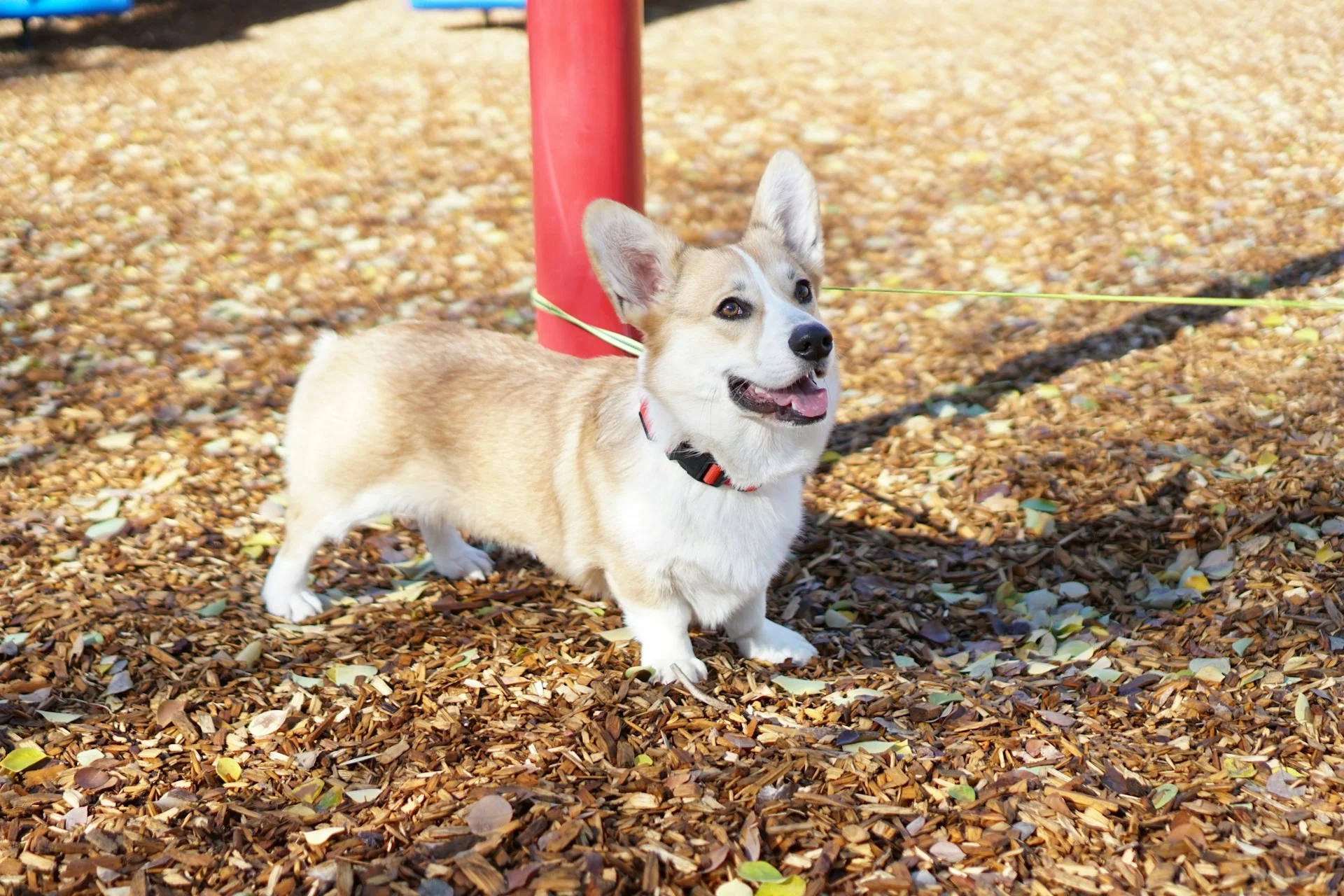
7 Mistakes Every Corgi Owner Makes (And How to Avoid Them!)
So, you’ve got a corgi—or maybe you’re planning on getting one. Congrats! You’ve just signed up for a life full of short legs, big ears, and a whole lot of personality.
I’ve spent over 20 years grooming, training, feeding, and living with dogs of all breeds, and I can tell you from real experience: corgis are unforgettable. But they’re also not “easy mode” dogs. Behind those adorable faces is a herding powerhouse with strong instincts and even stronger opinions.
Key Takeaways
- Corgis are high-energy herding dogs that require daily physical and mental stimulation.
- Without structure, they will try to take control of the household.
- Overfeeding is dangerous due to their long backs and IVDD risk.
- Early socialization prevents reactivity and excessive barking.
- Consistent grooming reduces heavy shedding and prevents skin issues.
- Corgis thrive when treated like working dogs—not decorative pets.
According to the American Kennel Club, both the Pembroke Welsh Corgi and the Cardigan Welsh Corgi were originally bred for herding cattle. That means stamina, intelligence, and independence are built into their DNA.
Let’s talk about the seven most common mistakes I see corgi owners make—and how you can avoid them.
Mistake #1: Underestimating the Energy Levels
Think those tiny legs mean your corgi is a couch potato? Not even close.
Corgis were bred to herd cattle by nipping at heels and moving livestock across fields. That job requires speed, agility, and endurance. In my experience, many corgis need 60–90 minutes of structured activity daily.
What Happens When You Slack Off?
I’ve seen it too many times:
- Destructive chewing
- Excessive barking
- Obsessive behaviors
- Zoomies at midnight
A bored corgi becomes a problem-solver—and you probably won’t like the problems they choose to solve.
The Fix:

Daily walks are non-negotiable. Add:
- Fetch sessions
- Agility-style obstacle courses
- Structured tug games
- Herding ball exercises
Physical activity should be paired with obedience work to burn mental energy too.
Mistake #2: Ignoring Their Need for Mental Stimulation
Corgis are extremely intelligent. In fact, herding breeds consistently rank among the top working intelligence categories.
When their brains aren’t engaged, they create their own entertainment.
Signs You’re Failing:
- Opening cabinets
- Escaping crates
- Barking at every movement
- Herding children or other pets
I’ve worked with clients who thought their corgi was “naughty,” when really the dog was under-stimulated.
The Fix:

- Puzzle feeders
- Scent games (hide treats around the house)
- 10-minute daily training refreshers
- Teaching advanced tricks like “place” or directional commands
Training builds confidence and strengthens your leadership position.
Mistake #3: Letting Them Boss You Around
Corgis may weigh under 30 pounds, but they carry themselves like royalty.
Because they were bred to make quick decisions while herding cattle, they tend to test authority.
Common Power Moves:
- Ignoring recall
- Demand barking
- Heel nipping
- Guarding furniture
If you give in once, they remember.
The Fix:

Set boundaries early. I always recommend:
- Clear house rules
- Consistent command cues
- Reward-based training
- No free feeding (structured meals reinforce leadership)
Positive reinforcement works far better than punishment—but consistency is everything.
Mistake #4: Overfeeding Them (Because Chubby Corgis Are Cute, Right?)
This is one of the most serious mistakes.
Corgis are prone to weight gain. Their long backs and short legs make them especially vulnerable to spinal problems like intervertebral disc disease (IVDD).
Even 2–3 extra pounds can significantly increase strain on their spine.
Why It’s a Big Deal:
Excess weight increases:
- Joint stress
- Arthritis risk
- Back injury likelihood
- Mobility decline
The Fix:
- Measure food precisely.
- Limit treats to 10% of daily calories.
- Choose high-quality protein-focused diets.
- Maintain visible waist definition.
I always tell owners: you should be able to feel ribs without pressing hard. If you can’t, it’s time to adjust portions.
Mistake #5: Skipping Socialization
Corgis are confident—but that confidence can turn reactive without proper exposure.
Early socialization between 8–16 weeks is critical. Dogs not properly socialized during this window are statistically more likely to develop fear-based behaviors later in life.
Why This Happens:
Herding breeds are alert and naturally suspicious of changes in their environment.
Without positive exposure, that alertness becomes:
- Excessive barking
- Lunging
- Overprotective behavior
The Fix:

- Puppy classes
- Controlled dog park visits
- Exposure to different sounds and surfaces
- Calm introductions to guests
Reward calm behavior immediately. Socialization should always feel safe—not overwhelming.
Mistake #6: Neglecting Grooming (Spoiler: They Shed… A Lot)
Corgis have a double coat. That means heavy shedding year-round and intense seasonal coat blows in spring and fall.
I’ve groomed corgis for two decades, and I can confirm: brushing once a week is not enough.
Signs You’re Slacking:
- Fur tumbleweeds across your floors
- Matted undercoat
- Dry or flaky skin
- Strong dog odor
The Fix:

- Brush 3–4 times per week.
- Use an undercoat rake during shedding season.
- Bathe every 6–8 weeks (not too frequently).
- Trim nails every 3–4 weeks.
- Clean ears weekly.
Regular grooming reduces shedding by up to 60% and keeps skin healthy.
Mistake #7: Thinking Corgis Are “Just Dogs”
Corgis are working dogs in compact bodies. When treated like decorative pets, they become frustrated.
What This Looks Like:
- Skipping training
- Ignoring structure
- Laughing off stubborn behavior
- Treating sass as harmless
It’s cute—until it’s not.
The Fix:

Treat your corgi like an athlete with a job.
Give them:
- Structure
- Daily tasks
- Clear expectations
- Mental challenges
When their needs are met, they become loyal, affectionate, hilarious companions.
Final Thoughts: Love Your Sassy Loaf
Corgis are extraordinary. They’re bold, funny, intelligent, and deeply loyal. But they require leadership, structure, and commitment.
After 20 years of hands-on experience with dogs, I can say this confidently: corgis thrive when owners respect their instincts instead of fighting them.
Avoid these mistakes, and you’ll raise a healthier, happier, and more balanced companion.
They may test you. They may herd your guests. They may steal your socks.
But they’ll also fill your home with more personality than you ever imagined.
And honestly? I wouldn’t have it any other way.