Cottage Cheese Dog Treats: 2 Easy Recipes Your Dog Will Lose It Over
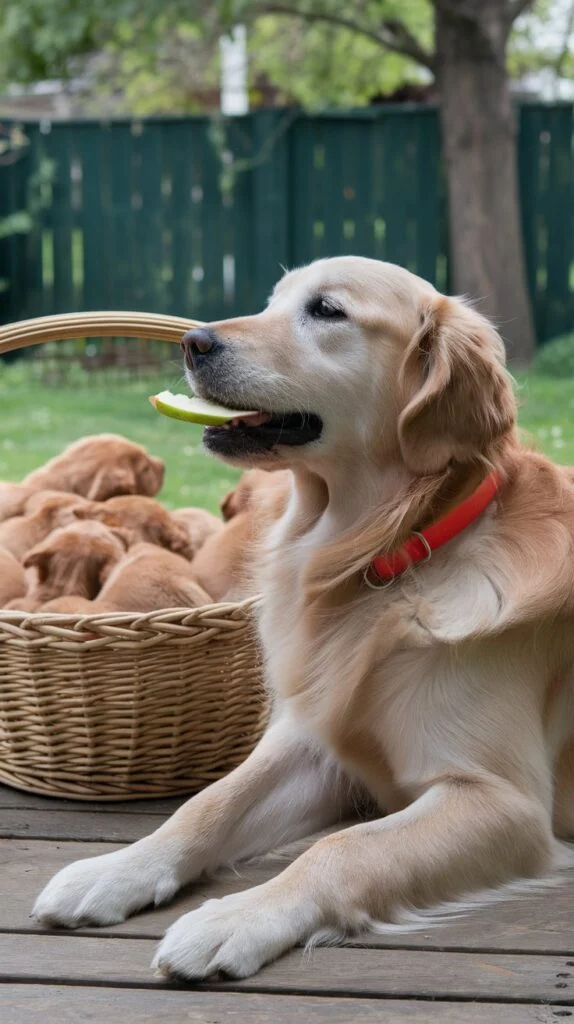
Last Tuesday night, Snickers was sitting next to me on the couch, giving me those big puppy eyes while I ate cottage cheese straight from the tub.
Save For Later
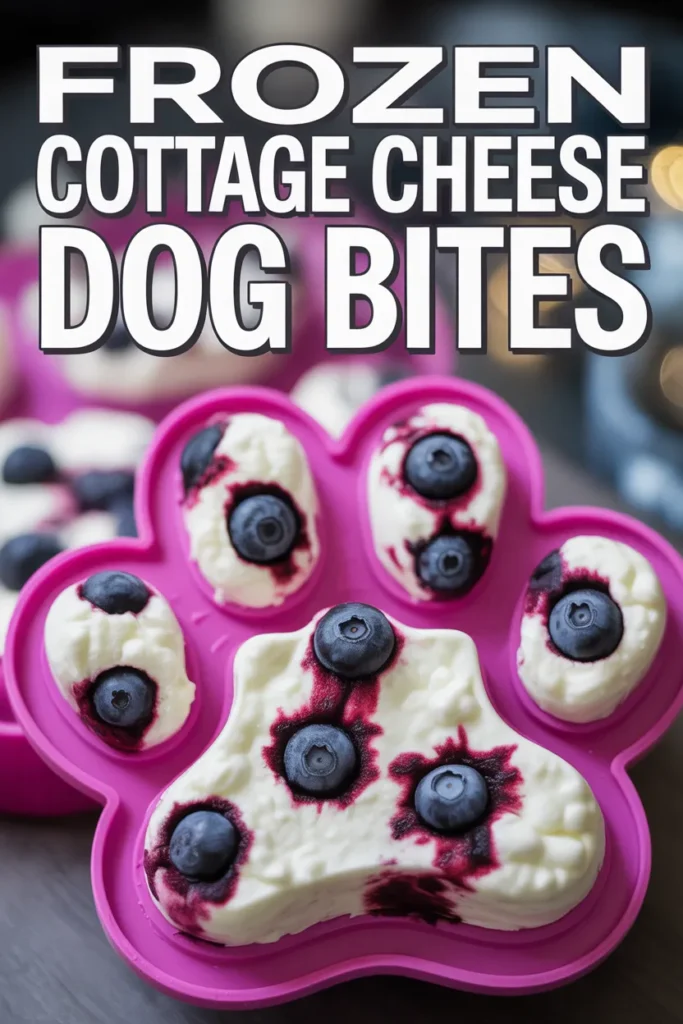
That got me thinking—could dogs safely enjoy this? After a little research and experimentation, I found out that not only is cottage cheese safe for most dogs, it’s actually a fantastic base for homemade treats. Low in lactose, high in protein, and easy on sensitive stomachs, it became my go-to ingredient for Snickers’ new favorite snacks.
I ended up creating two simple recipes: quick frozen bites for instant gratification and baked biscuits that are perfect for walks. Both are budget-friendly, easy to make, and Snickers can’t get enough of them.
Why Cottage Cheese Works So Well in Dog Treats
Cottage cheese isn’t just tasty for dogs—it’s packed with nutritional benefits. A half cup of low-fat cottage cheese has around 14 grams of protein and only 1–2 grams of fat, making it leaner than most store-bought treats. Its lower lactose content also means it’s gentler on the stomach than milk or regular cheese.
Plus, it’s a good source of calcium, which supports bone and joint health, especially for breeds prone to joint issues. And from experience, dogs absolutely love the taste—it’s like giving them a mini celebration in each bite.
Pro Tip: Stick to plain, low-fat cottage cheese without added flavors or sodium to keep it safe for your pup.
Recipe 1: Frozen Cottage Cheese Bites
These frozen bites are my lazy-day lifesaver. They’re quick to prepare, and the texture keeps Snickers engaged longer than softer treats.
Ingredients:
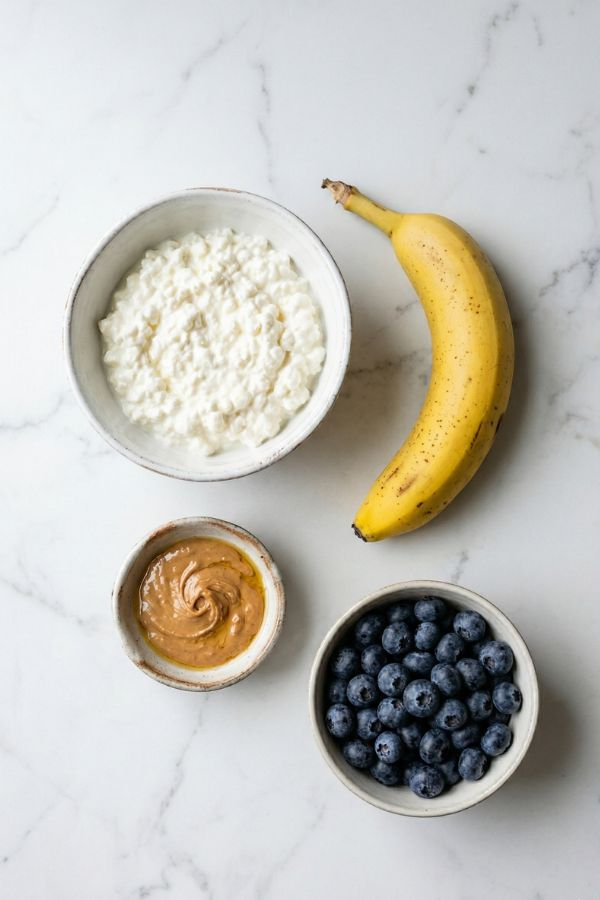
- 1 cup low-fat cottage cheese (small curd)
- 1 medium ripe banana
- 1 tbsp xylitol-free peanut butter
- 1/4 cup blueberries (fresh or frozen)
Instructions:
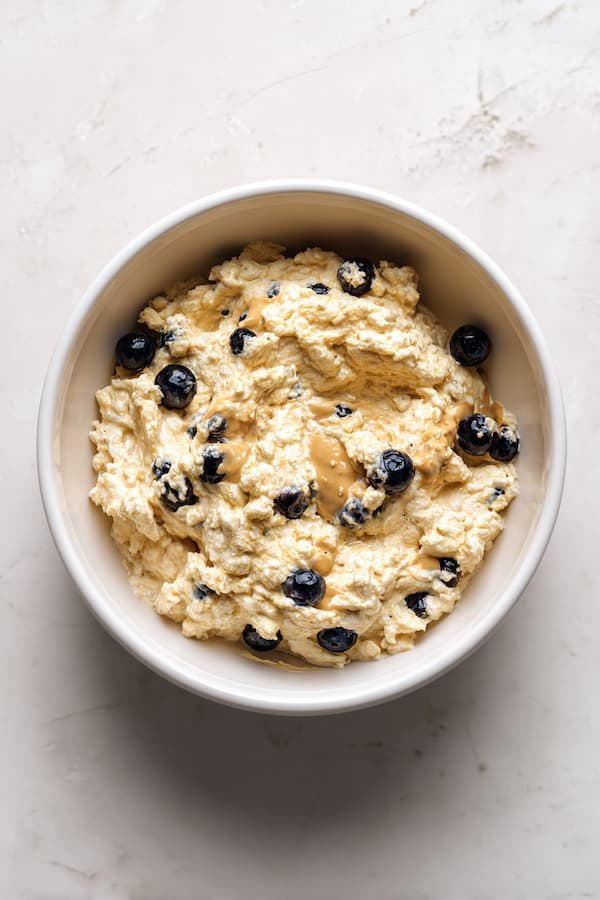
- Mash the banana until mostly smooth.
- Mix in cottage cheese and peanut butter until combined.
- Fold in blueberries gently.
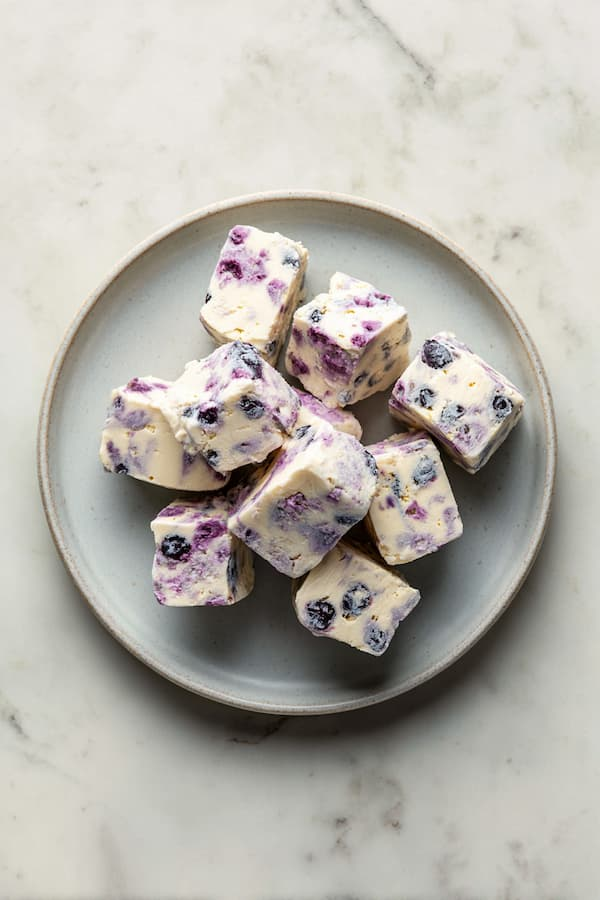
- Spoon mixture into silicone molds or an ice cube tray.
- Freeze at least 3 hours, preferably overnight.
Storage: Freeze in an airtight bag for up to 3 months.
Serving Guidelines:
- Under 10 lbs → 1 bite
- 10–25 lbs → 1–2 bites
- 25–50 lbs → 2–3 bites
- Over 50 lbs → 3–4 bites
Pro Tip: Cottage cheese curds give a chunkier texture, which slows your dog down and makes the treat last longer.
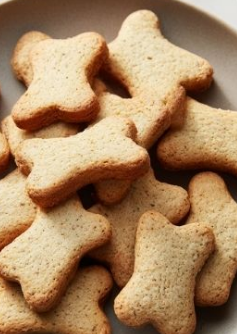
Recipe 2: Baked Cottage Cheese and Oat Biscuits
These biscuits are my weekend project. Crunchy, portable, and long-lasting, they’re perfect for walks or training sessions.
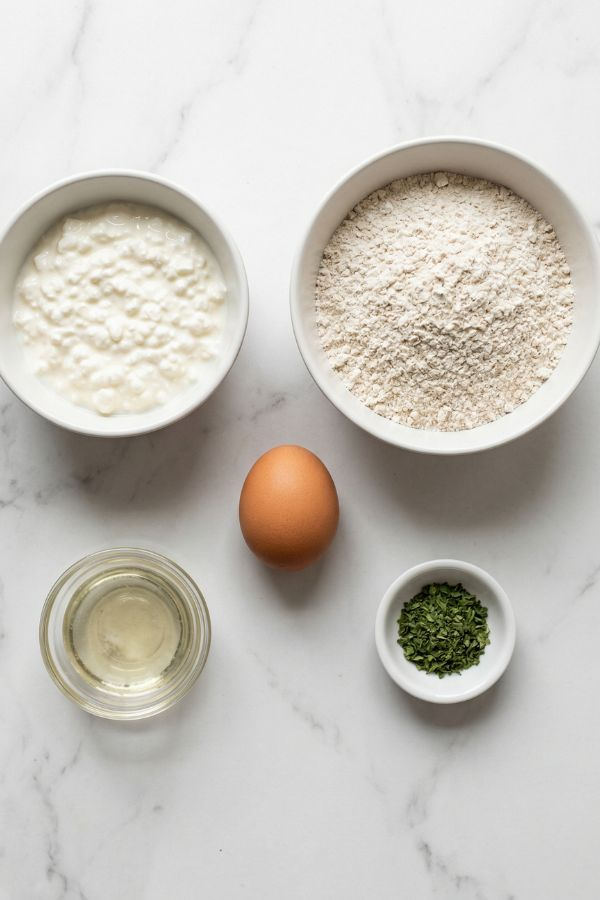
Ingredients:
- 3/4 cup low-fat cottage cheese (small curd, slightly drained)
- 1 1/2 cups oat flour
- 1 large egg (room temperature)
- 1 tbsp melted coconut oil
- 1 tsp dried parsley (optional, freshens breath)
Instructions:
- Preheat oven to 325°F (165°C) and line a baking sheet with parchment.
- Blend cottage cheese until smooth.
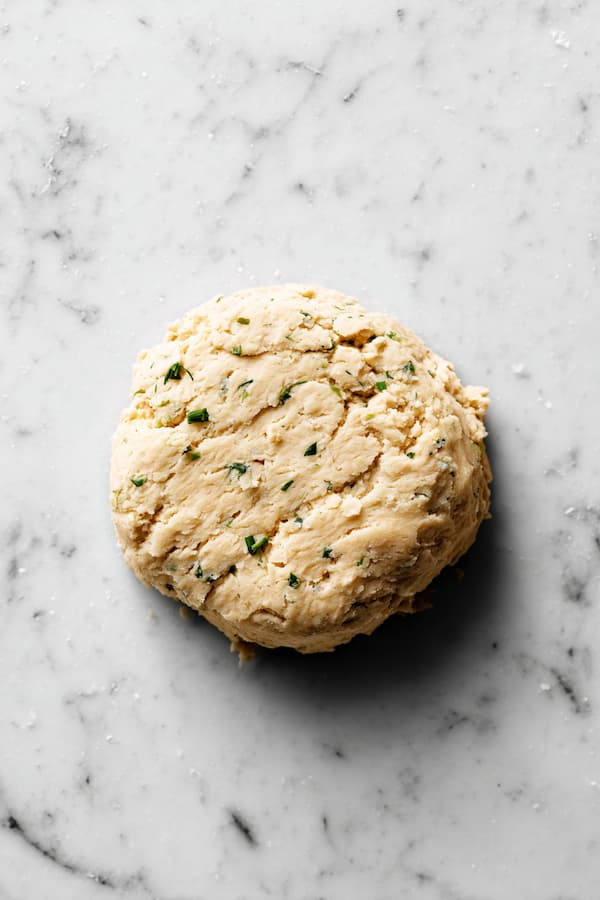
- Mix oat flour, egg, coconut oil, and parsley until combined.
- Add blended cottage cheese to form a slightly sticky dough. Adjust with flour or water if needed.
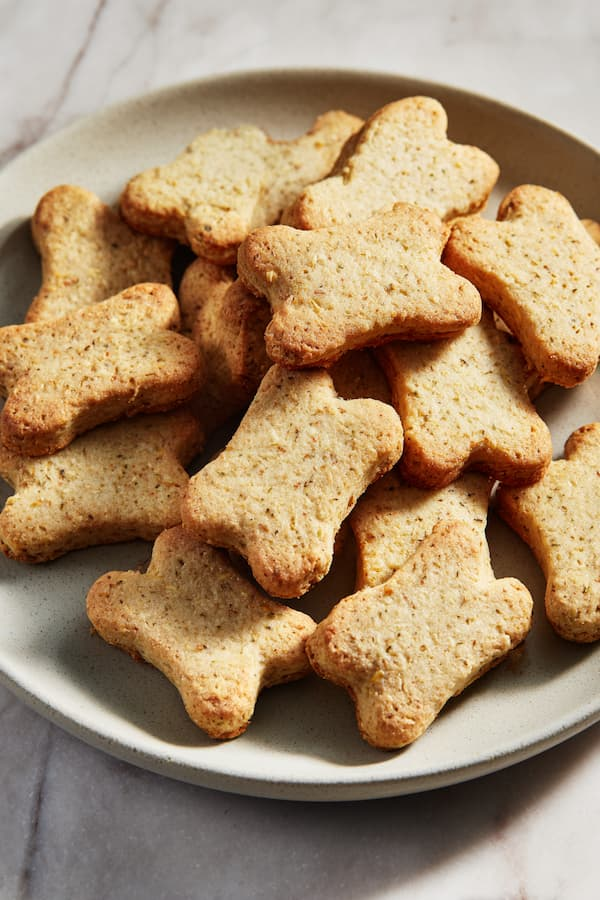
- Roll dough to 1/4 inch thick and cut into small pieces.
- Bake 22–25 minutes until golden on edges; optionally leave in oven with door slightly open for extra crunch.
- Cool completely on a wire rack before storing.
Storage: Room temperature up to 5 days, fridge 2 weeks, freezer 3 months.
Serving Guidelines:
- Under 10 lbs → 2–3 biscuits
- 10–25 lbs → 3–4 biscuits
- 25–50 lbs → 4–6 biscuits
- Over 50 lbs → 6–8 biscuits
Pro Tip: Drain cottage cheese slightly before blending to avoid overly sticky dough.
Important Notes
Not all dogs handle dairy the same. Start with a small amount—about a teaspoon—and monitor for any digestive upset. Only use low-fat, plain cottage cheese, and avoid flavored or high-sodium options. Puppies under 12 weeks should skip these treats, and dogs with lactose intolerance may need alternative recipes. Always check with your vet when introducing new foods into your dog’s diet.
Key Takeaways
- Cottage cheese is high in protein, low in fat, and gentle on most dogs’ stomachs.
- Frozen bites are quick, easy, and highly engaging for your dog.
- Baked oat biscuits are portable, crunchy, and last longer.
- Treats should make up no more than 10% of daily calories.
- Start slow with new foods and monitor your dog for digestive reactions.
All content on this site is written and reviewed by our experienced team to ensure it is accurate, reliable, and helpful for our readers. Our Our Process page explains how we carefully research and create high-quality content, while our Team page introduces the professionals behind our work. We also provide clear guidelines for content or image concerns on our Image Removal page, so you can trust that we prioritize transparency, quality, and reader safety.