10 Creative Designs for Dog Stations
Walking Creative Designs for Dog your dog shouldn’t feel repetitive or dull, and neither should the spaces designed for them. A well-planned dog station can turn an ordinary stop into something your dog genuinely looks forward to. Whether it’s a quick water break, a cleanup moment, or a short play pause, thoughtful design makes a difference for both dogs and the people who care for them.
Dog stations work best when they blend practicality with creativity. When designed with intention, they become small pockets of comfort, fun, and community rather than just functional stops.
Interactive Canine-Friendly Stations
Interactive stations create an environment where dogs can engage naturally while owners feel comfortable and relaxed. These spaces aren’t just about providing supplies — they’re about encouraging movement, curiosity, and connection.
Using smart layouts, durable materials, and visual appeal helps stations feel welcoming instead of purely utilitarian. When dogs enjoy being there, everything else becomes easier.
1. Sustainable Material Choices
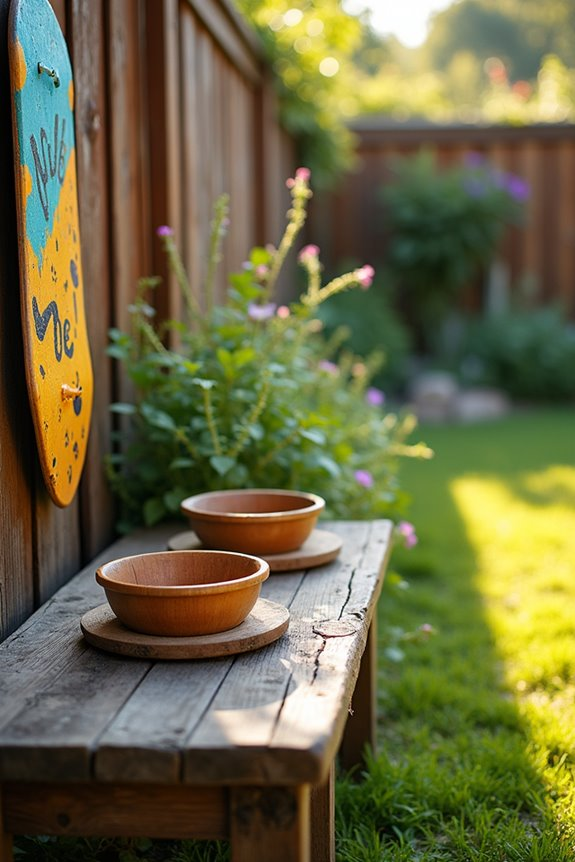
Choosing eco-conscious materials is one of the smartest ways to design a dog station that lasts. Reclaimed wood, recycled plastics, and responsibly sourced composites hold up well outdoors while reducing environmental impact.
From personal experience, reclaimed wood adds warmth and character that new materials often lack. It feels sturdy, grounded, and visually blends into parks, yards, and walking trails without looking industrial. Bamboo bowls and recycled plastic feeding bases are lightweight, durable, and easy to clean — all things you appreciate after daily use.
Sustainable choices aren’t just about the planet; they also tend to age better, requiring fewer replacements over time.
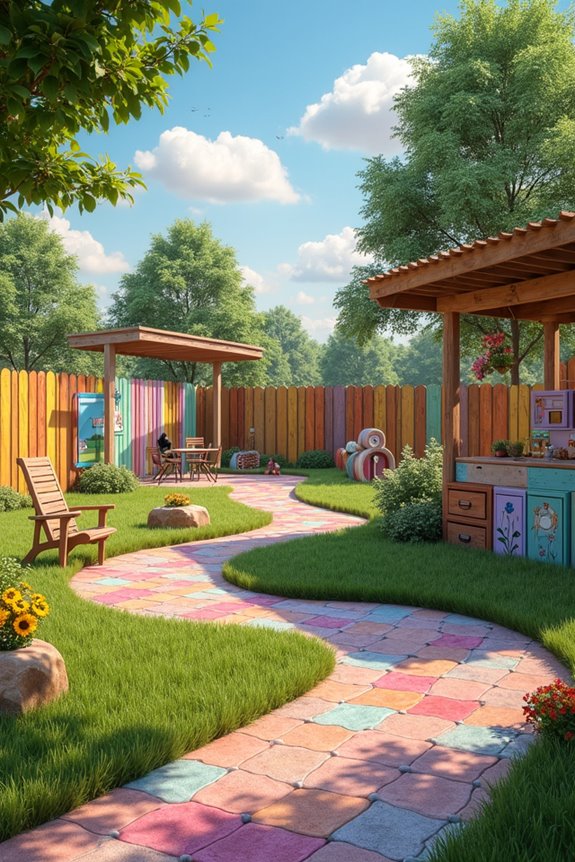
2. Colorful Aesthetics for Stations
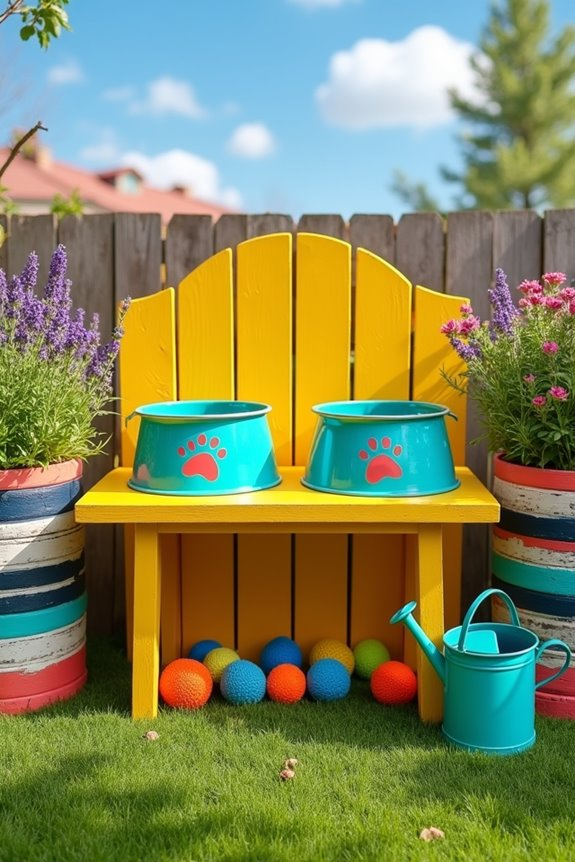
Color plays a bigger role than most people expect. Bright, cheerful tones help stations stand out visually while also creating a positive emotional response — for both dogs and humans.
High-visibility colors make bowls, hooks, and waste stations easy to locate quickly, especially during busy walks. Adding painted accents, paw motifs, or subtle patterns gives the station personality without overwhelming the space.
From experience, dogs often linger longer in spaces that feel open and visually engaging, especially when paired with nearby plants or shaded areas.
3. Customizable Signage Options
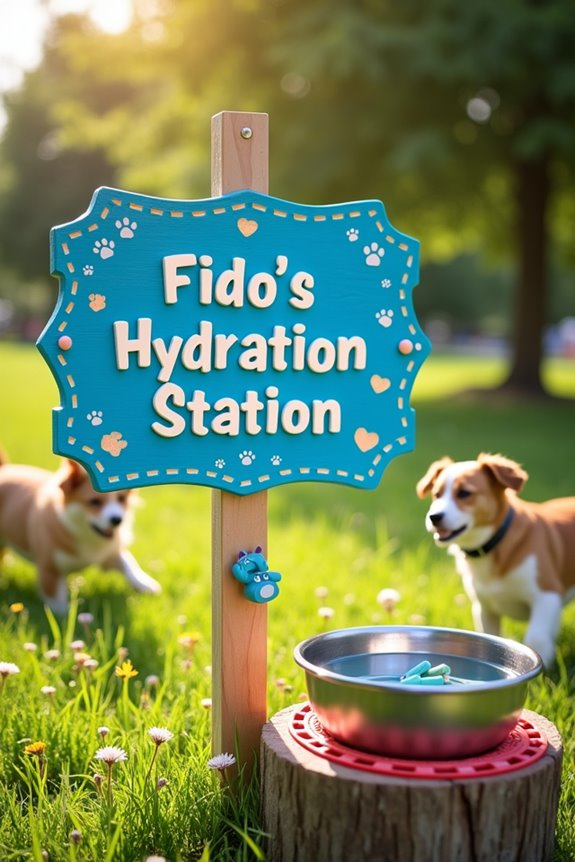
Signage does more than label a station — it gives it identity. Clear, friendly signs help people understand how to use the space while adding charm and character.
Weather-resistant wood or metal signs hold up best outdoors. Simple messages, playful wording, or even rotating chalkboard signs keep things lighthearted. Custom names make stations feel cared for, not generic.
Good signage also subtly encourages respectful use, which keeps stations cleaner and more enjoyable for everyone.
4. Ergonomic Layout for Accessibility
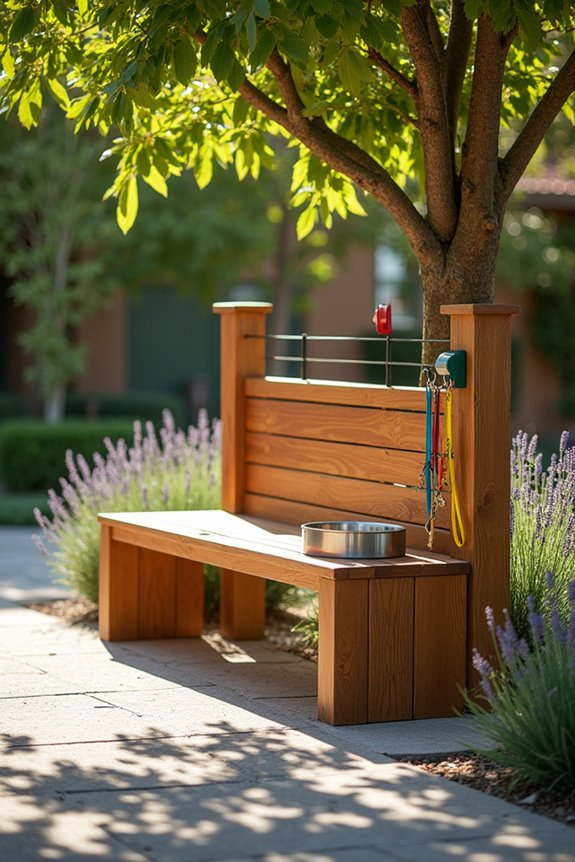
A thoughtful layout changes everything. Stations should feel effortless to use, not awkward or cramped. Bowls placed too low strain backs. Supplies placed too high frustrate users.
An ergonomic setup keeps water bowls, waste bags, hooks, and seating within easy reach. A small bench or ledge gives owners a place to pause while dogs drink or settle. Open spacing allows dogs to move freely without tangling leashes or bumping into people.
Non-slip surfaces are essential. Smooth but grippy ground materials prevent slips and make the space safer during rain or high activity.
5. Pet-Friendly Interactive Features
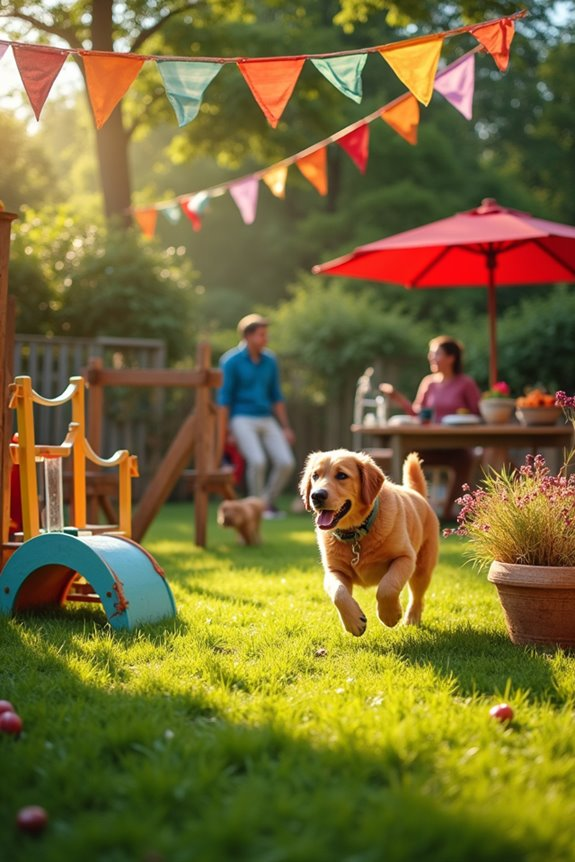
Interactive elements turn a station into an experience. Simple additions like treat puzzles, textured panels, or scent stations engage dogs mentally as well as physically.
Dogs love problem-solving. Even small challenges — nudging a lever, sniffing hidden scents, or activating a water fountain — keep them focused and happy. Watching dogs figure things out never gets old, and it strengthens the bond between dog and owner.
These features also reduce boredom, especially for high-energy breeds.
6. Theme-Based Station Concepts
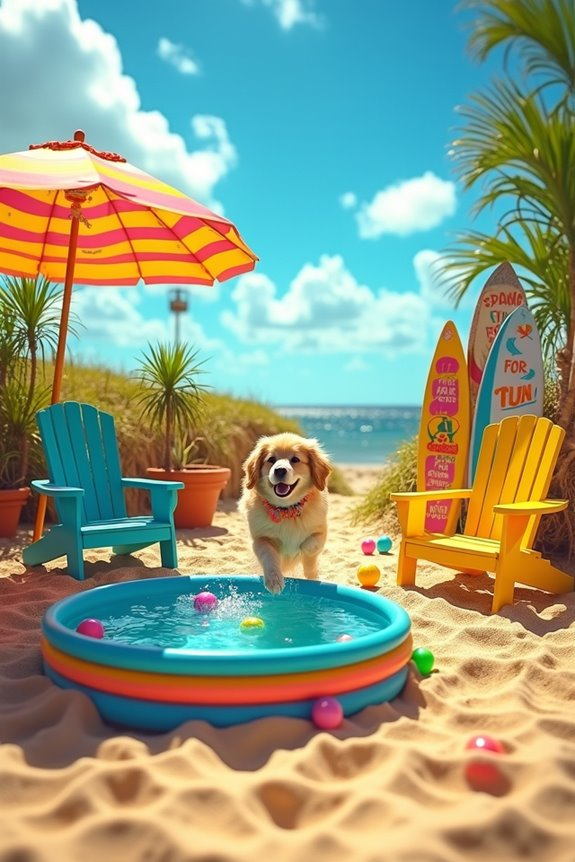
Themed stations bring personality and excitement into everyday walks. A beach-inspired station with water play, an adventure-themed stop with logs and pathways, or a festival-style setup with color and movement can transform routine outings.
Themes give dogs variety and create landmarks owners remember. They also encourage social interaction among people who stop to talk, share tips, or watch dogs play.
Dogs respond strongly to novelty, and themed stations provide that without overwhelming them.
7. Dog Waste Management Solutions
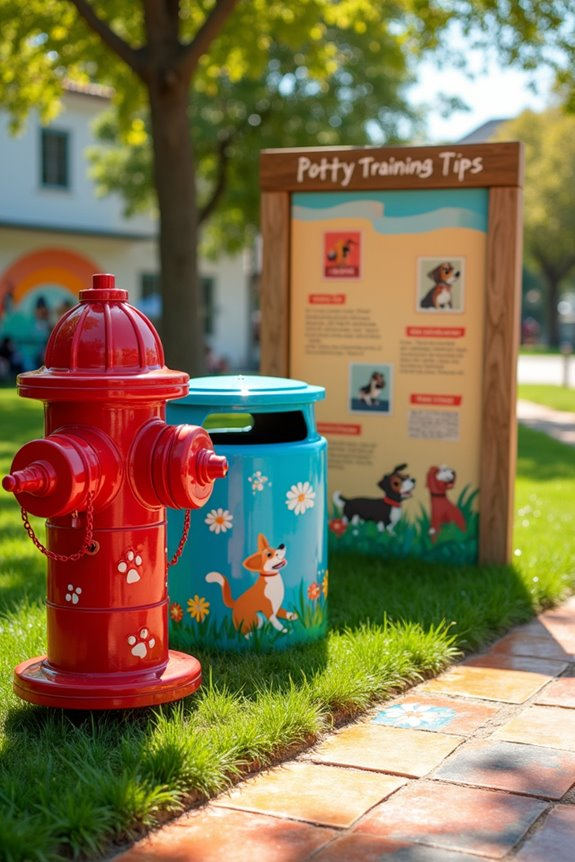
Cleanliness matters, but it doesn’t have to feel unpleasant. Well-designed waste stations make cleanup quick, discreet, and even visually appealing.
Easy-access bag dispensers, clearly marked disposal bins, and thoughtful placement reduce mess and frustration. When cleanup tools are obvious and convenient, people are far more likely to use them consistently.
Adding light design elements or artwork helps normalize the process and keeps the environment positive instead of clinical.
8. Multi-Functional Station Elements
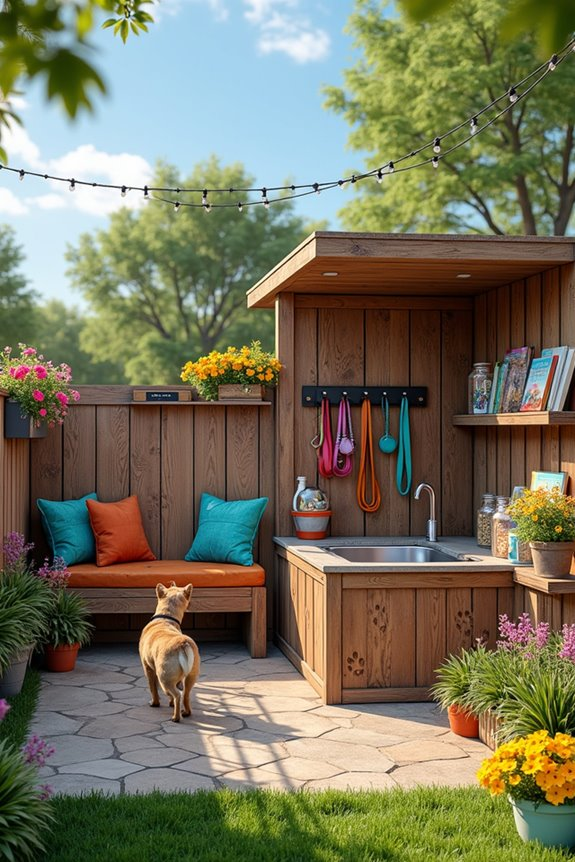
Multi-purpose stations maximize value in small spaces. Combining washing areas, seating, storage, and play features creates a hub rather than a single-use stop.
A rinse station for muddy paws saves time and keeps homes and cars cleaner. Seating allows owners to relax while dogs explore. Hooks, shelves, or small storage compartments keep essentials organized.
From experience, these stations naturally become gathering points, strengthening community connections among dog owners.
9. Weather-Resistant Design Elements
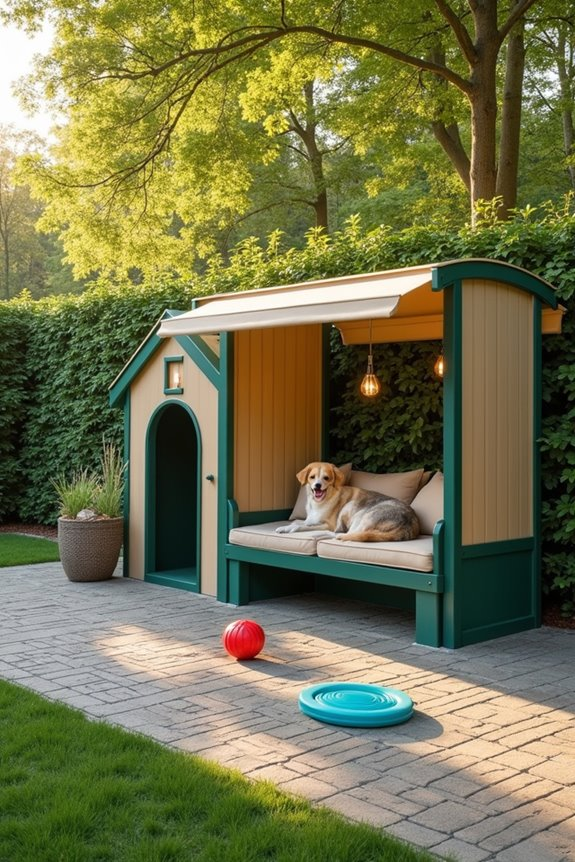
Outdoor stations must withstand heat, rain, wind, and constant use. Weather-resistant materials protect the structure and ensure year-round usability.
Covered areas provide shade and shelter. UV-resistant finishes prevent fading. Non-corrosive hardware holds up through seasons of use.
When stations remain reliable in all conditions, people trust and use them more often.
10. Artistic Station Framework
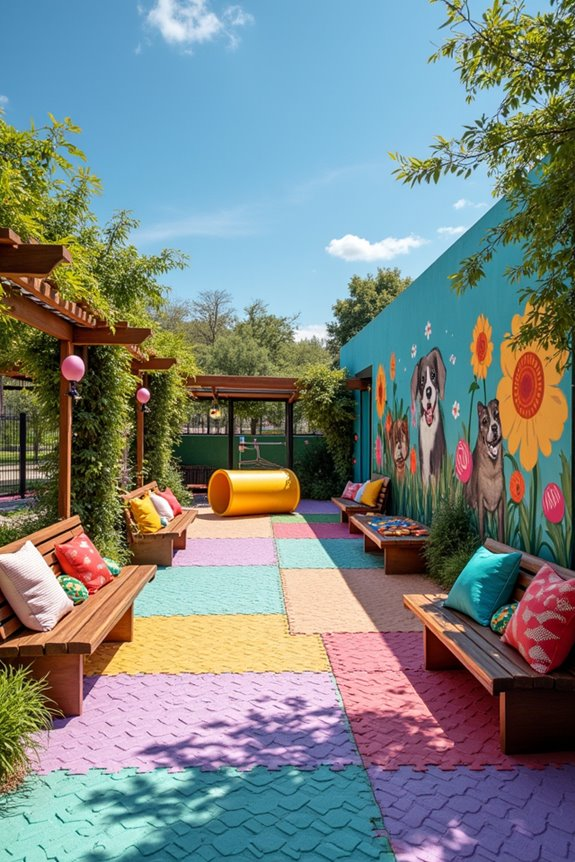
Art transforms function into joy. Murals, sculptural elements, agility structures, and playful installations turn dog stations into visual highlights.
Interactive art encourages movement and curiosity. Bright backdrops create memorable spaces that people photograph and share. Dogs engage naturally with textured paths, ramps, and obstacles.
These artistic touches don’t just look good — they make the station feel alive.
Maintenance and Care Guidelines
A well-maintained dog station stays inviting and safe. Regular cleaning prevents buildup and odors. Weekly checks catch loose hardware or worn components early.
Wood benefits from occasional sanding and sealing. Bowls and hooks should be replaced as needed. Keeping supplies stocked shows care and encourages responsible use.
Maintaining a dog station isn’t just upkeep — it’s stewardship. When dogs and owners feel welcome, respected, and comfortable, the space does exactly what it was meant to do.