
Dachshund Care Guide: Health, Grooming, and Owner Mistakes
Dachshunds—often called wiener dogs, sausage dogs, or simply Doxies—are one of the most recognizable and entertaining dog breeds in the world. With their long bodies, short legs, and bold personalities, they bring a huge amount of joy into a home. As someone who has spent more than 20 years living with dogs, grooming them, and helping owners improve their care routines, I can confidently say Dachshunds are unforgettable companions. But they also require specific care to stay healthy and happy. Their unique body structure and strong personality mean owners need to pay attention to health, grooming, training, and daily habits.
Key Takeaways
- Dachshunds are prone to back problems, especially intervertebral disc disease (IVDD) due to their long spine.
- Maintaining a healthy weight is one of the most important ways to protect their back.
- Daily exercise of around 30–45 minutes helps prevent obesity and boredom.
- Grooming needs vary depending on whether the dog has a smooth, long, or wire coat.
- Early training and socialization reduce stubborn and bossy behavior.
- Dental care is essential because small breeds are prone to tooth problems.
- Many health issues in Dachshunds come from owner mistakes such as overfeeding or allowing jumping.
According to canine health studies, about 20–25% of Dachshunds experience IVDD during their lifetime, which makes proper care especially important for this breed.
1. Health: The Back Problem Everyone Warns You About

If you’ve ever talked to a Dachshund owner, you’ve probably heard about back problems. Their long spine and short rib cage make them vulnerable to intervertebral disc disease (IVDD), a condition where spinal discs can slip or rupture.
Over the years, I’ve seen several Dachshunds develop back injuries simply from repeated jumping off furniture. Preventing these injuries is much easier than treating them.
How to protect their backs:
Avoid letting them jump on or off furniture. Using small ramps or pet stairs can dramatically reduce stress on their spine.
Always support both their chest and back when picking them up. Never lift them from the front legs alone.
Maintain a healthy weight. Even one or two extra pounds can put serious pressure on their spine.
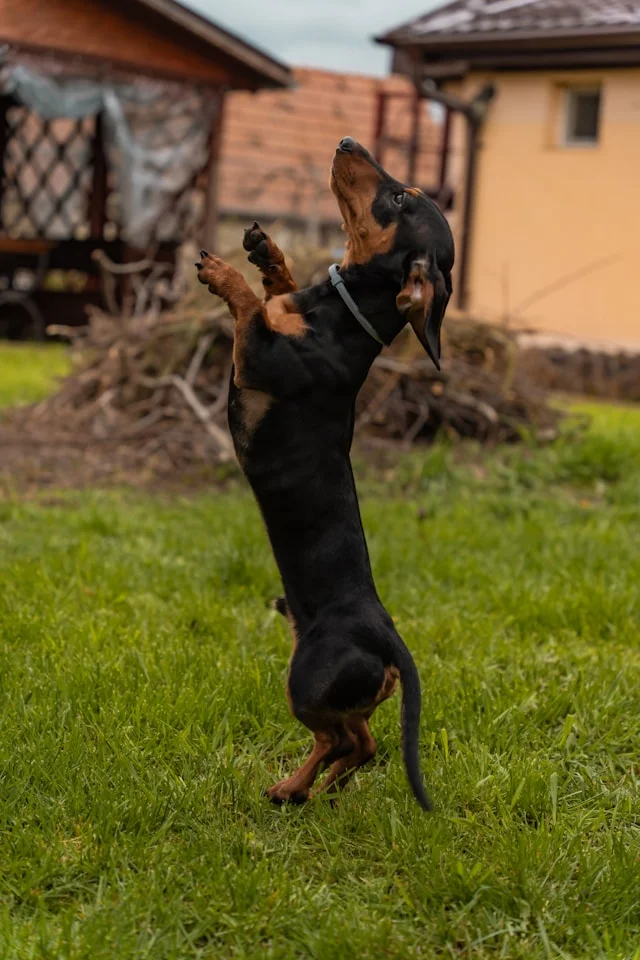
Dachshunds are fearless and often act like stunt performers. They will attempt risky jumps if allowed, so it’s the owner’s job to create a safe environment.
Other common Dachshund health issues include:
Dental disease caused by crowded teeth
Obesity due to overeating
Heart disease in older dogs
Eye problems such as cataracts
Regular veterinary visits and preventative care can catch many of these problems early.
2. Exercise: Tiny Legs, Big Energy

One mistake I often see new owners make is assuming Dachshunds don’t need much exercise because of their short legs. In reality, these dogs were originally bred in Germany to hunt badgers, which required courage, stamina, and determination.
Even today, they still carry that hunting instinct.
Exercise guidelines:
Aim for 30 to 45 minutes of activity each day.
Combine walks with play sessions to keep them mentally stimulated.
Provide a safe digging area in the yard if possible. Dachshunds love digging—it’s part of their natural behavior.
Avoid excessive stair climbing or high-impact activities to protect their spine.
Watching a Dachshund run around the house during a burst of energy—often called “zoomies”—is both hilarious and impressive. Despite their small size, they can be surprisingly fast and energetic.
3. Diet: Portion Control Is Everything
In my experience, Dachshunds are enthusiastic eaters. If food is available, they will likely try to eat it.
Unfortunately, their small frame means even minor weight gain can lead to serious health problems.
Veterinary studies show that over 50% of dogs in many countries are overweight, and Dachshunds are particularly vulnerable.
Feeding tips:
Use a measuring cup for every meal rather than estimating portions.
Feed two or three small meals per day instead of one large meal.
Limit treats and avoid fatty table scraps.
Choose high-quality dog food that supports joint health and lean muscle.

A slightly overweight Dachshund might look adorable online, but in reality it puts dangerous pressure on their spine and joints.
4. Grooming: Depends on the Coat Type
Dachshunds come in three coat varieties, and each requires slightly different grooming routines. Over the years, I’ve groomed all three types and the differences are noticeable.
Smooth coat Dachshunds have short hair that requires minimal grooming. A weekly brush and occasional bath are usually enough.
Long-haired Dachshunds need more attention. Their silky fur tangles easily, so brushing three to four times per week helps prevent mats.
Wire-haired Dachshunds have a rough coat that benefits from brushing and occasional hand-stripping to maintain texture.
Regardless of coat type, there are a few grooming basics every Dachshund needs.
Trim nails every few weeks to prevent discomfort and posture problems.
Clean ears regularly since their floppy ears can trap moisture and bacteria.
Brush teeth frequently because small breeds are prone to dental disease.
From my experience grooming dogs over the years, dental care is one of the most overlooked parts of dog health, yet it can add years to a dog’s life when done consistently.
5. Training: Stubborn but Smart
Dachshunds are intelligent, but they’re also famous for their stubborn streak. Training them can sometimes feel like a negotiation.
However, with the right approach, they learn quickly.
Training tips:
Use positive reinforcement such as treats, praise, or toys.
Keep training sessions short—around 5 to 10 minutes works best.
Stay consistent with rules and expectations.
House training may take longer compared to some other breeds. Patience is important, and consistency is key.
Over time, most Dachshunds respond well when they understand that good behavior leads to rewards.
6. Socialization: Early and Often
Dachshunds can become protective and territorial if they are not properly socialized.
Early exposure to new experiences helps prevent behavioral issues later in life.
Introduce them gradually to:
Different people
Other dogs of various sizes
New environments
Everyday household sounds like vacuums or doorbells
Without socialization, some Dachshunds develop what many owners jokingly call a “Napoleon complex,” where a small dog behaves like it’s in charge of the entire neighborhood.

Proper socialization builds confidence and reduces anxiety.
7. Common Owner Mistakes (And How to Avoid Them)
After working with dogs for decades, I’ve noticed that many Dachshund health problems are caused by simple owner mistakes.
Mistake 1: Allowing them to jump off furniture.
Solution: Use ramps or small stairs to protect their back.
Mistake 2: Overfeeding because they always seem hungry.
Solution: Measure meals carefully and limit treats.
Mistake 3: Skipping training due to stubborn behavior.
Solution: Use short sessions and consistent positive reinforcement.
Mistake 4: Ignoring dental care.
Solution: Begin brushing their teeth early so they become comfortable with it.
Mistake 5: Assuming short legs mean low exercise needs.
Solution: Provide daily walks and playtime to keep them fit.
Avoiding these mistakes can significantly improve your Dachshund’s quality of life.
8. Dachshund Personality: Big Dog Energy in a Small Body
One of the reasons people fall in love with Dachshunds is their personality. These dogs are brave, curious, and surprisingly confident.
In my experience, they often behave like much larger dogs trapped in a small body.
They are extremely loyal and tend to form strong bonds with their owners. Many Dachshunds follow their favorite person everywhere in the house, acting like a tiny shadow.
At the same time, they are playful and often quite funny. Their expressive faces and mischievous behavior make them natural entertainers.
Despite their stubborn streak, their affectionate nature makes them wonderful companions.
Final Thoughts
Living with a Dachshund is a unique and rewarding experience. They are loving, energetic, and full of personality, but they do require thoughtful care.
The most important things every Dachshund owner should remember are:
Protect their back from jumping injuries
Maintain a healthy weight through portion control
Provide daily exercise and mental stimulation
Follow grooming routines based on coat type
Train patiently and consistently
Socialize them early to prevent behavioral problems
Avoid common owner mistakes that lead to health issues
With proper care, Dachshunds can live 12 to 16 years or even longer, bringing joy and companionship to their families for many years.
In my two decades of caring for dogs, one thing is certain—once someone experiences life with a Dachshund, it’s very hard not to fall in love with the breed.