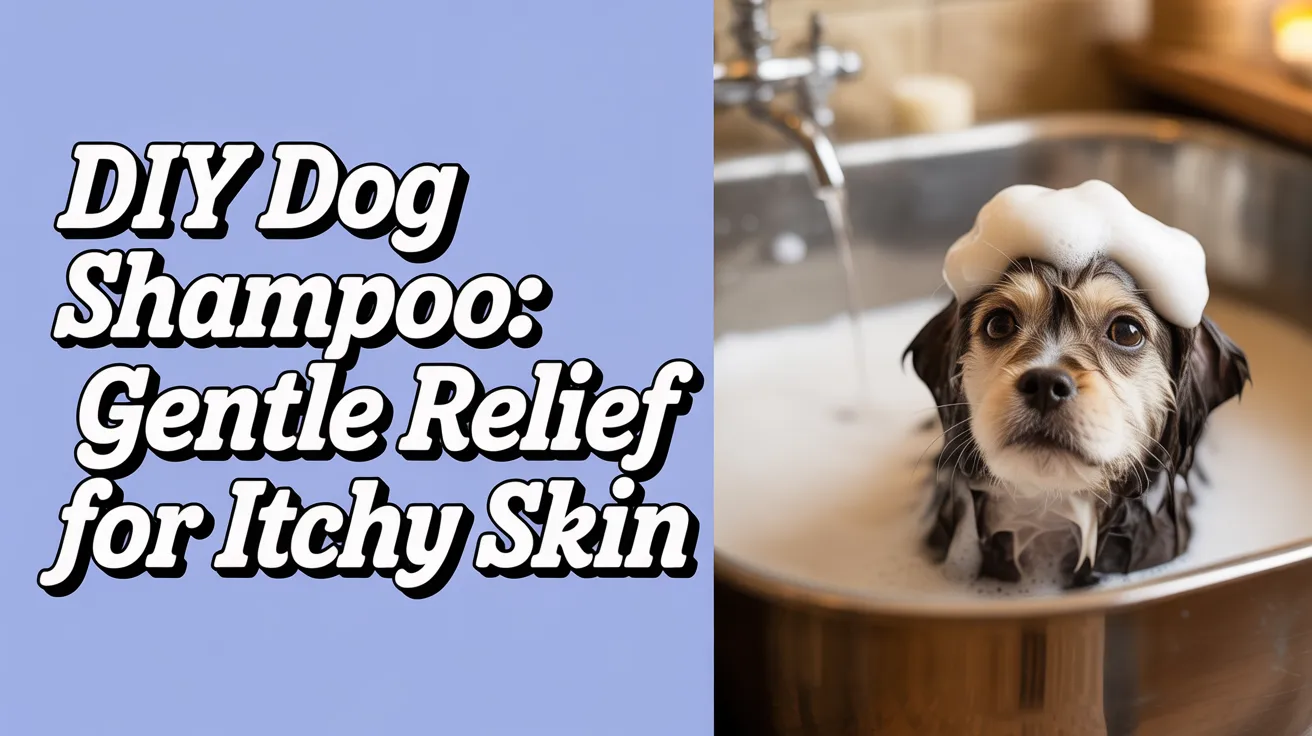
DIY Dog Shampoo: Gentle, Effective, and Natural
I’ve been there—watching my dog scratch and scratch, over and over, and feeling helpless. Their skin looks dry, red, maybe flaky, and I just want to help without adding harsh chemicals or mystery ingredients. That’s why I started making my own DIY dog shampoo. It’s simple, safe, and actually works. I can customize it for my dog’s skin type, and it’s gentle enough for sensitive pups, all while being budget-friendly.
Save For Later
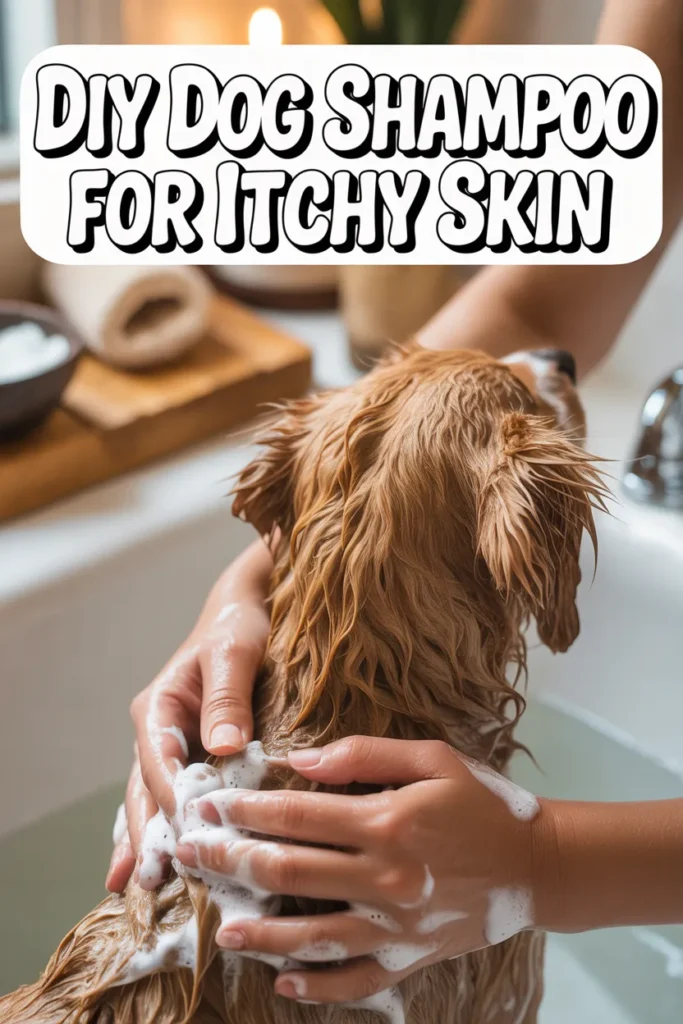
This shampoo soothes itchy skin, avoids harsh chemicals, and is safe for frequent use. I keep it on hand for flare-ups, dry seasons, or just when my dog needs some extra TLC.
Key Takeaways: This homemade shampoo is effective, safe, customizable, and budget-friendly. It’s ideal for dogs with dry, flaky, or sensitive skin and can be enhanced with natural boosters.
Why You’ll Love This DIY Dog Shampoo
I love this shampoo because it actually addresses the itch and irritation. It uses gentle, anti-inflammatory ingredients that I trust. I don’t have to worry about artificial fragrances or chemicals, and I can tweak it for my dog’s needs—extra dryness, extra flakes, or simple sensitivity. Plus, it’s something I can make in my kitchen without breaking the bank. Frequent use is fine, which makes it a go-to for seasonal dryness or allergies.
The Key Ingredients and What They Actually Do
Every ingredient has a purpose, and I know exactly what goes on my dog’s skin:
Oatmeal (Colloidal or Ground) – This is my go-to for soothing irritated skin. It’s packed with avenanthramides and beta-glucans that calm redness and lock in moisture. I grind it fine so it forms a gentle coating that can even be used daily.
Baking Soda – Simple, yet powerful. It balances pH, neutralizes odors, and gently exfoliates. I only use a little to avoid overdoing it.
Coconut Oil (Optional) – For flaky or crusty skin, I add coconut oil. Its lauric acid fights fungi, bacteria, and yeast, and adds lasting moisture.
Aloe Vera (Optional) – For hot or inflamed spots, a few drops of pure aloe can cool and soothe. I always check it’s alcohol-free.
Apple Cider Vinegar (Optional Rinse) – Diluted with water, it restores pH, controls yeast and bacteria, and helps with lingering doggy odors. I never use it on open wounds.
What You’ll Need
I keep my ingredients and tools simple—most are already in my kitchen.
Ingredients:
- 1 cup plain, uncooked oats
- 1 cup baking soda
- 4 cups warm water
- (Optional) 1–2 tbsp coconut oil
- (Optional) 1–2 tsp aloe vera gel
- (Optional) Apple cider vinegar rinse (1:3 vinegar to water)
Tools: Blender or grinder, mixing bowl, measuring cups, spoon/whisk, storage container.
How to Make the Shampoo (Step-by-Step)
Step 1: Grind the Oats
I grind oats into a fine powder—flour-like—so it mixes evenly. Colloidal oats work too.
Step 2: Mix Dry Ingredients
Oatmeal + baking soda in a bowl, stirred gently.
Step 3: Add Warm Water
Pour in 4 cups warm water slowly while stirring. It thickens naturally.
Step 4: Optional Soothers
Add coconut oil and aloe vera for extra dry or inflamed spots. Essential oils like lavender are optional, but I skip them for sensitive dogs.
Step 5: Store It
I keep the shampoo in a container in the fridge for up to a week. Warm slightly before use.
How to Use It On Your Dog
Step 1: Prep Your Pup
I brush first, remove debris, and wet the coat with warm water.
Step 2: Apply Shampoo
Massage the mixture into itchy areas. I focus on belly, underarms, and tail base. Calm voice and treats help keep my dog relaxed.
Step 3: Let It Sit
3–5 minutes is enough for ingredients to work. I use this time for gentle petting.
Step 4: Rinse Thoroughly
I rinse until water runs clear—leftover shampoo can irritate.
Step 5: Optional ACV Rinse
Diluted ACV rinse helps with odor or yeast. I pour gently, avoid eyes and raw skin, and rinse again.
Step 6: Dry & Moisturize
Towel dry gently, optionally use low-heat blow dryer. I rub a bit of coconut oil on dry patches for hydration.
Optional Add-Ons and When to Use Them
- Apple Cider Vinegar Rinse: Weekly use for yeast issues.
- Coconut Oil Post-Bath: Moisturizes and protects skin.
- Dog-Safe Essential Oils: Lavender, chamomile, or copaiba, but only 1–2 drops per batch and never undiluted.
Common Mistakes to Avoid
- Using human shampoo—even baby shampoo—it can disrupt dog skin pH.
- Not rinsing thoroughly—residue causes itchiness.
- Unsafe essential oils like tea tree, eucalyptus, or citrus.
- Bathing too often—overbathing strips natural oils.
- Ignoring persistent symptoms—open sores or constant scratching require vet care.
When to Call the Vet
If scratching persists despite treatments, or if there are open sores, hair loss, odor, or patchy fur, it’s time to get professional advice. Natural remedies are great for mild itchiness, but vets are essential for infections or allergies.
Final Thoughts of DIY Dog Shampoo
Watching my dog itch is stressful, but I’ve learned that relief doesn’t require expensive, chemical-laden products. This DIY shampoo is simple, effective, and gentle. It’s a loving way to soothe their skin and improve their comfort, while giving me peace of mind. Sometimes small steps make the biggest difference.
All content on this site is written and reviewed by our experienced team to ensure it is accurate, reliable, and helpful for our readers. Our Our Process page explains how we carefully research and create high-quality content, while our Team page introduces the professionals behind our work. We also provide clear guidelines for content or image concerns on our Image Removal page, so you can trust that we prioritize transparency, quality, and reader safety.