
10 Dog Breeds That Actually Get Along with Cats
So, you’re thinking about bringing a dog into your home, but there’s one (adorable and slightly judgmental) catch: your cat.
I’ve seen hundreds of dogs and cats share the same space peacefully. The truth is that the right dog breed, proper introductions, and a little patience can turn your home into a peaceful kingdom where Team Woof and Team Meow actually coexist.
Some dogs are naturally calmer, less prey-driven, and more socially adaptable. Those traits make a huge difference when a cat is already ruling the house.
Key Takeaways
• Some dog breeds naturally have lower prey drive, making them safer around cats.
• Temperament and training matter more than size—even large dogs can live peacefully with cats.
• Early socialization between puppy and cat improves success by nearly 70%, according to pet behavior studies.
• Calm, patient breeds such as retrievers, spaniels, and companion dogs tend to adapt best.
• Introductions should always be slow, supervised, and positive.
• Cats should always have escape routes or high perches to feel safe.
• Even cat-friendly breeds still need training and boundaries.
Now let’s dive into some of the best dog breeds that can live happily with cats.
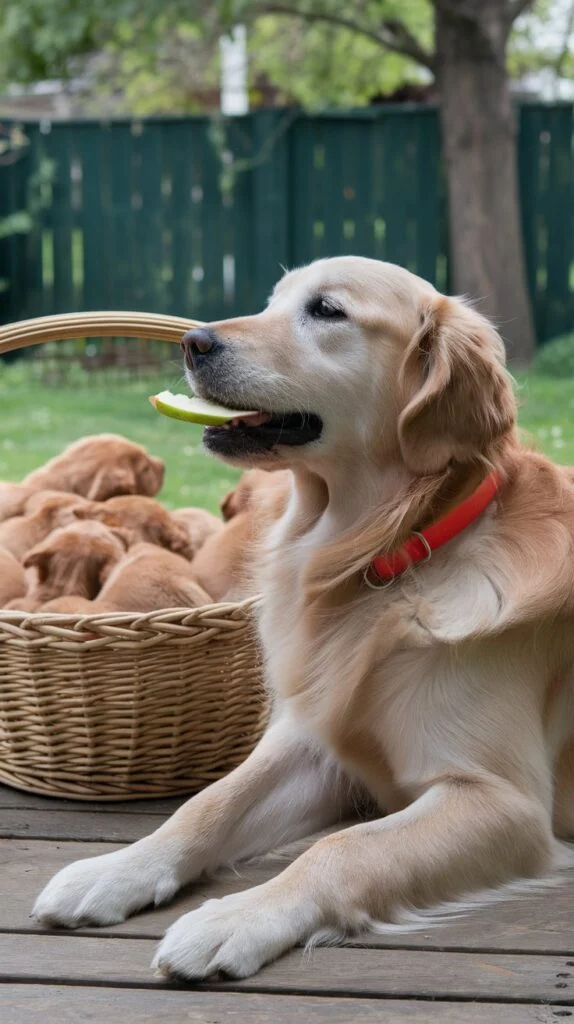
1. Golden Retriever
Image Credit: smart dog learning

If dogs had yearbooks, the Golden Retriever would win “Most Likely to Befriend Everyone.”
After grooming and working with dozens of Goldens over the years, I can honestly say they are one of the most gentle and emotionally balanced breeds I’ve ever handled. Their friendly nature makes them extremely tolerant of cats—even those with strong personalities.
Many Goldens approach cats with curiosity rather than prey instinct. In my experience, once they realize the cat isn’t interested in play, they quickly settle into a respectful coexistence.
Why They Work with Cats:
• Naturally gentle temperament
• Low prey drive compared to many sporting breeds
• Highly social and family-oriented
Pro Tip From My Experience:
When introducing a Golden to a cat, I always recommend structured calm introductions. Their excitement can overwhelm a cautious cat even if their intentions are friendly.
2. Labrador Retriever
Image Credit: smart dog learning
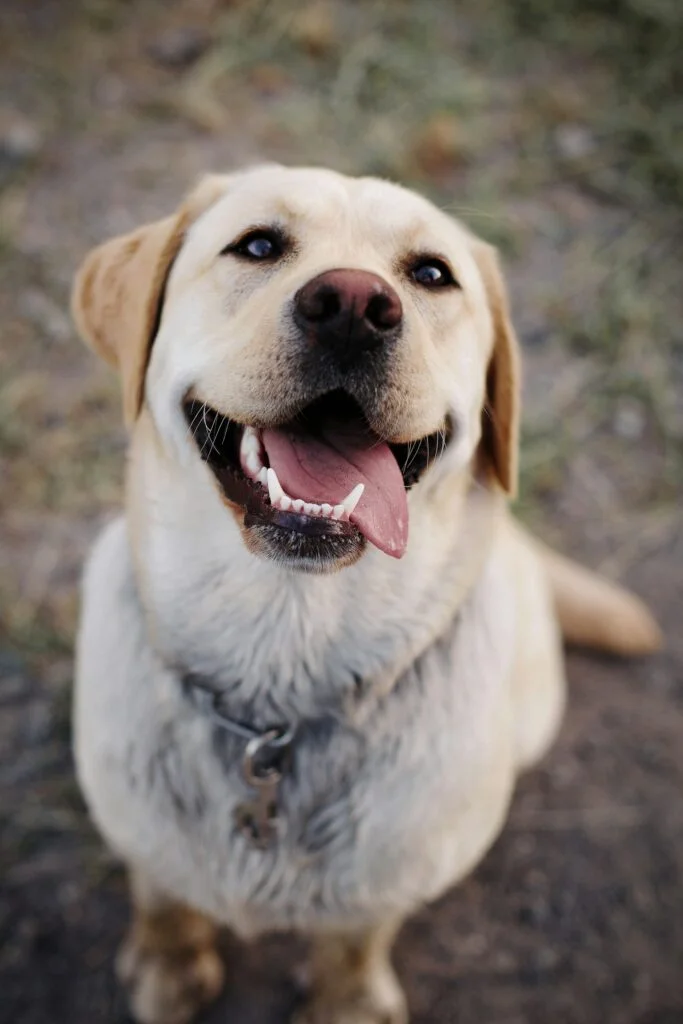
The Labrador Retriever is consistently ranked as one of the most popular family dogs in the world, and for good reason.
Labs are affectionate, highly trainable, and incredibly adaptable. Over the years I’ve groomed many Labs that lived peacefully with multiple cats in the same home.
Initially, some Labs might be curious or playful, but with basic training they quickly learn boundaries.
Why They Work with Cats:
• Highly trainable and eager to please
• Friendly, social personality
• Adapt well to multi-pet homes
Experience Tip:
Labs have very powerful wagging tails. I’ve seen more than one cat get accidentally thumped during a happy tail wag, so supervised introductions are always best early on.
3. Beagle
Image Credit: smart dog learning

At first glance, the Beagle might seem like an unusual choice since they were originally bred for hunting. But their strong pack mentality actually helps them bond with other animals in the household.
In homes where I’ve seen Beagles raised alongside cats, they often treat them like fellow pack members.
Why They Work with Cats:
• Naturally social pack dogs
• Friendly and curious rather than aggressive
• Small size makes them less intimidating to cats
Helpful Tip:
Beagles love companionship. If a cat tolerates them, they may try to nap beside them regularly.
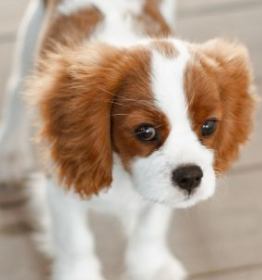
4. Cavalier King Charles Spaniel
Image Credit: smart dog learning
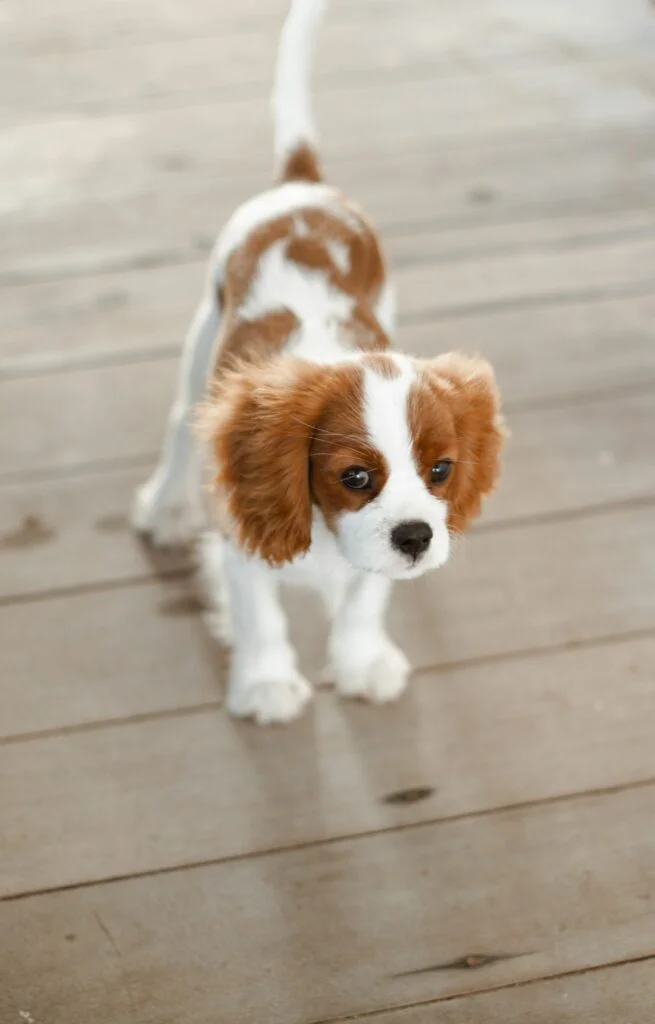
The Cavalier King Charles Spaniel is one of the most affectionate companion breeds I’ve worked with.
These dogs were bred to sit in laps and provide companionship, not chase prey. Because of this, they’re usually calm and gentle around cats.
Why They Work with Cats:
• Calm, affectionate personality
• Low prey drive
• Not overly energetic
Real Experience Insight:
Many Cavaliers actually prefer quiet environments, which aligns well with a relaxed cat household.
5. Bichon Frise
Image Credit: smart dog learning
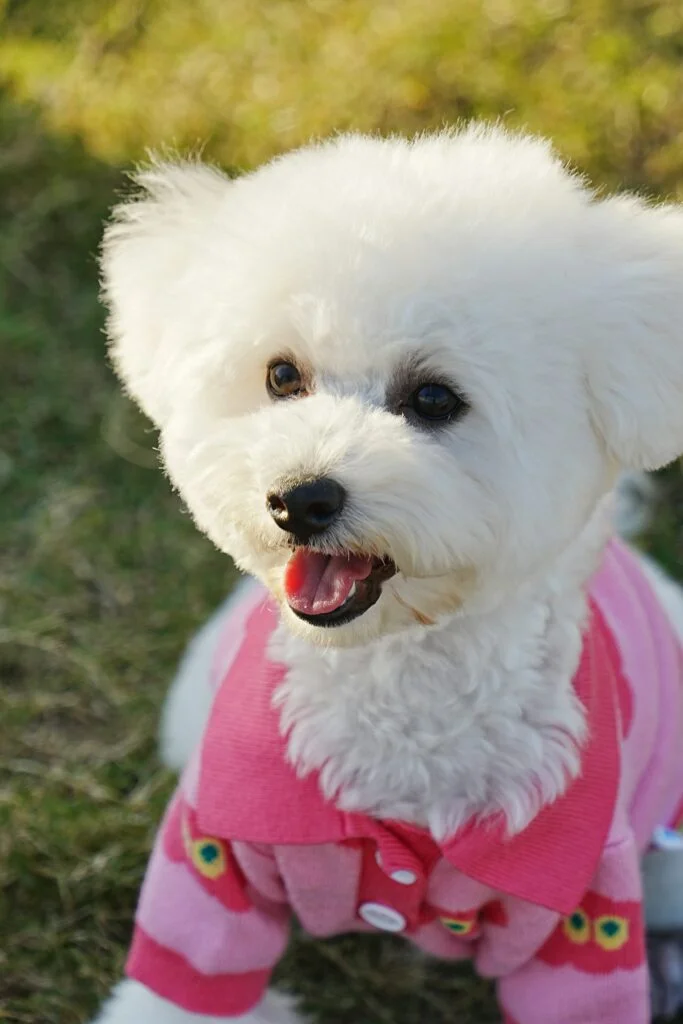
The Bichon Frise is a cheerful little dog that tends to adapt easily to other pets.
As a groomer, I’ve handled countless Bichons, and they’re usually playful but not pushy—a combination that works well with cats.
Why They Work with Cats:
• Small and non-intimidating
• Friendly and playful personality
• Generally easygoing
Pro Grooming Tip:
Because of their dense coat, Bichons require regular brushing and grooming every 4–6 weeks. A well-groomed dog helps keep harmony in multi-pet homes by reducing shedding and odors.
6. Pug
Image Credit: smart dog learning
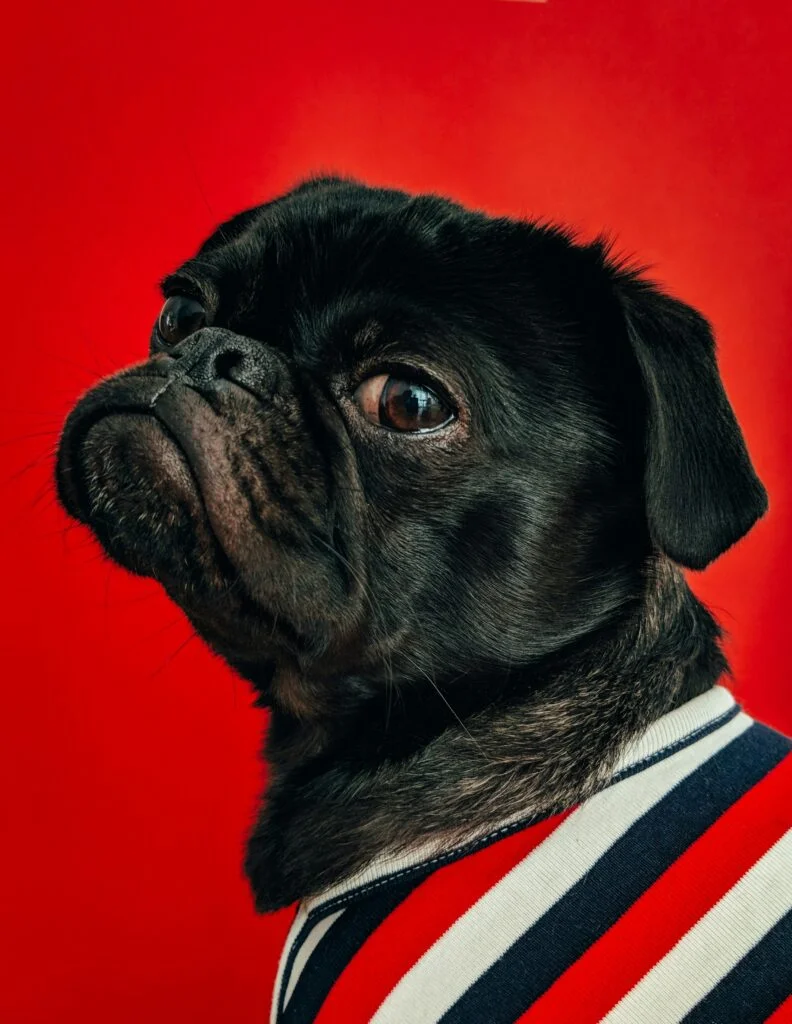
Pugs are lovable little clowns with surprisingly calm temperaments.
In my experience, most Pugs are perfectly happy relaxing beside a cat rather than chasing one.
Why They Work with Cats:
• Low energy compared to many breeds
• Friendly and affectionate
• Comfortable being ignored (which cats appreciate)
Quick Tip:
Pugs are known for snoring and breathing noises, so cats that are sensitive sleepers may need a little adjustment period.
7. Shetland Sheepdog (Sheltie)
Image Credit: smart dog learning
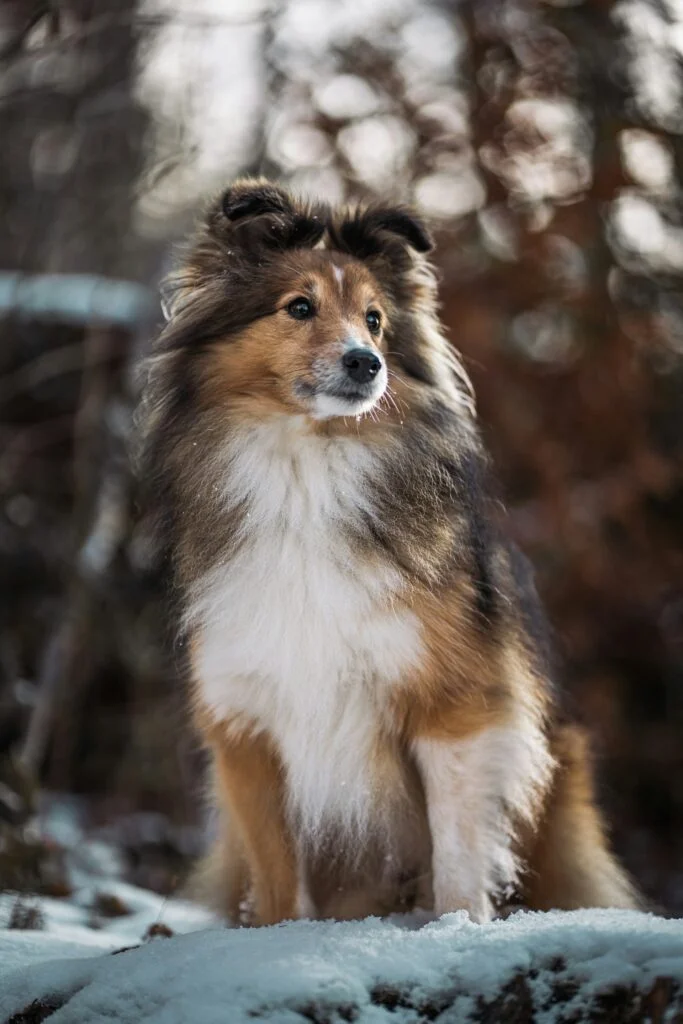
The Shetland Sheepdog is incredibly intelligent and responsive to training.
While they may initially show herding behavior, they learn boundaries quickly when guided properly.
Why They Work with Cats:
• Extremely trainable
• Loyal and gentle with family pets
• Quick to adapt to household rules
Training Tip:
If a Sheltie tries to herd your cat, redirect that energy into mental stimulation games or obedience training.
8. Boxer
Image Credit: smart dog learning

Boxers are energetic and goofy but surprisingly gentle with other pets.
Despite their size, they often approach cats with playful curiosity rather than aggression.
Why They Work with Cats:
• Friendly and non-aggressive temperament
• Loyal and family oriented
• Playful but not typically predatory
Experience Tip:
Boxers are known for zoomies. Early supervision helps ensure the cat doesn’t feel overwhelmed during high-energy moments.
9. Maltese
Image Credit: smart dog learning
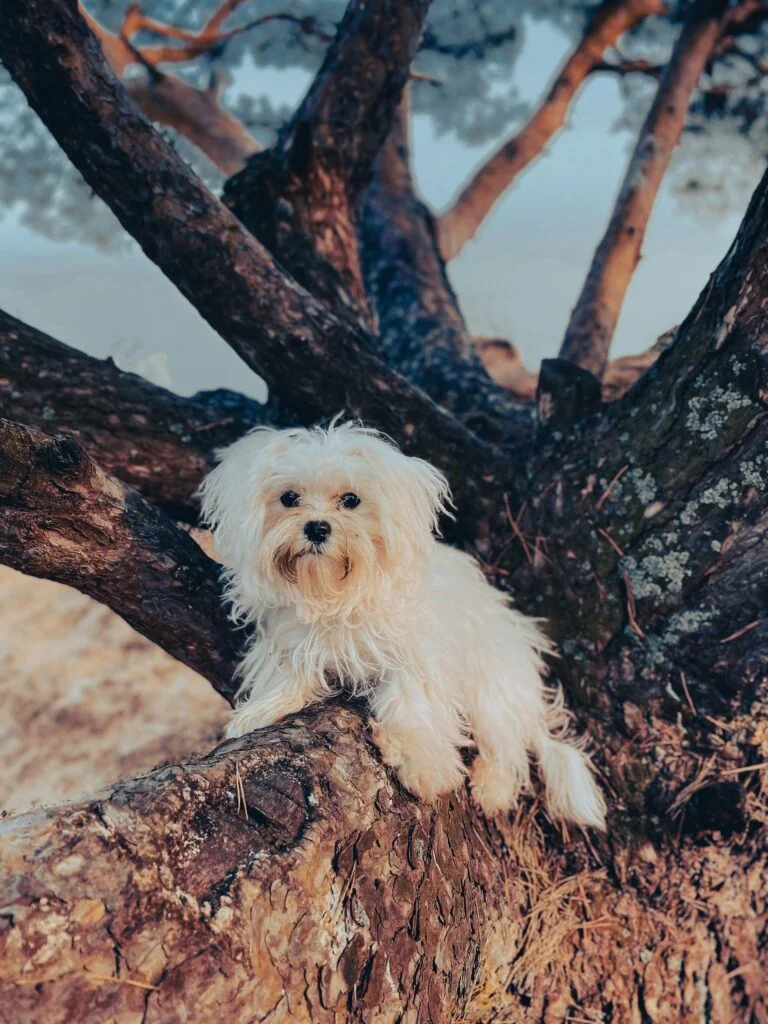
The Maltese is a gentle toy breed that thrives on companionship.
From what I’ve seen over two decades working with small dogs, Maltese usually coexist peacefully with cats—and sometimes even let the cat take charge.
Why They Work with Cats:
• Very gentle and calm
• Small size reduces intimidation
• Prefer cuddling over chasing
Reality Check:
In many homes, the cat ends up being the boss.
10. Bernese Mountain Dog
Image Credit: smart dog learning
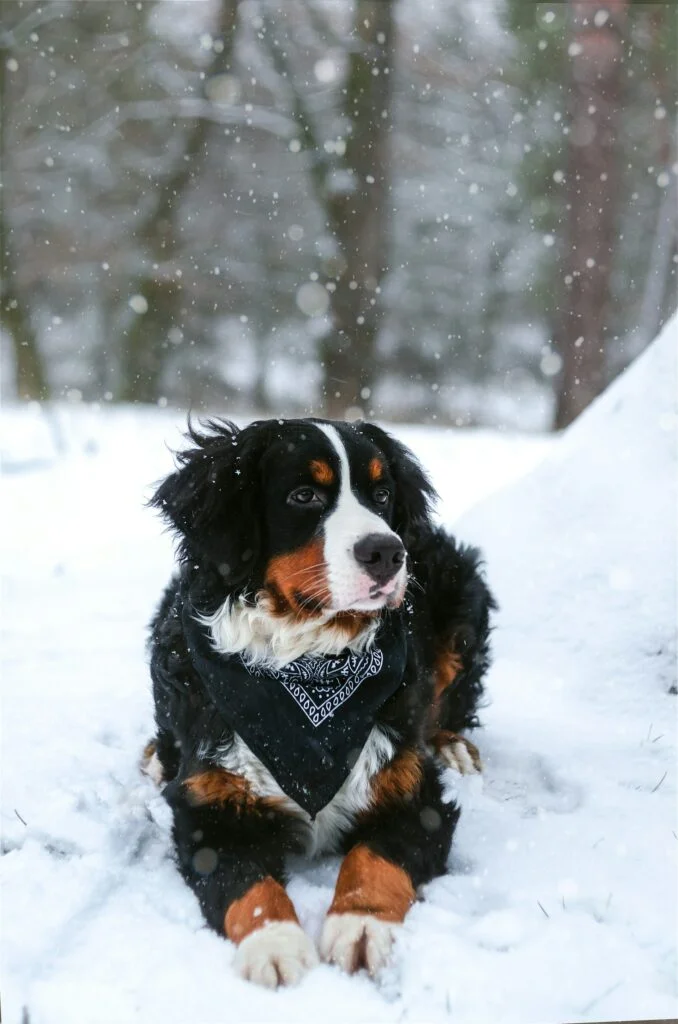
The Bernese Mountain Dog may be huge, but they are known as gentle giants.
Their calm, patient nature often makes them surprisingly good companions for cats.
Why They Work with Cats:
• Patient and calm personality
• Non-aggressive temperament
• Strong family bonding instincts
Experience Tip:
Because of their size, make sure your cat has high perches or shelves where they can observe the dog from a safe distance.
Final Thoughts: Dogs and Cats Can Be BFFs!
After two decades working with dogs and watching countless homes manage multi-pet families, I can confidently say that dogs and cats absolutely can live happily together.
Breed temperament definitely helps, but the real success factors are:
• Slow introductions
• Positive reinforcement
• Respecting each animal’s space
• Proper training and supervision
With patience and the right dog breed, you might be surprised to see your cat and dog sleeping on the same couch someday.