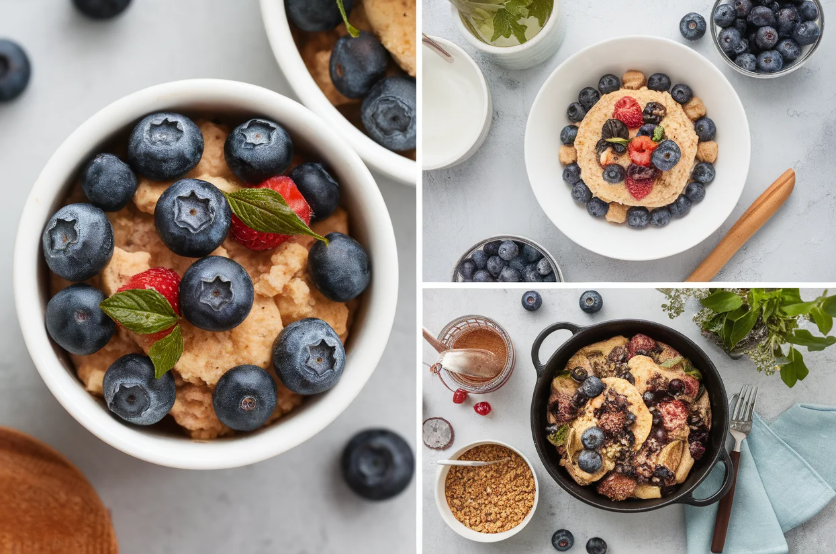
7 EASY Dog Food Recipes With Blueberries
If you’ve ever stood in your kitchen watching your dog eat the same dry food day after day, you’ve probably wondered if there’s a better option. Dogs may not complain, but that doesn’t mean their meals have to be repetitive or overly processed. Fresh food brings excitement back into mealtime and gives you confidence about what’s actually going into your dog’s body.
Homemade dog food doesn’t have to be complicated. When you start with simple, safe ingredients and build from there, you can create meals that support digestion, energy, and overall health. One ingredient that fits perfectly into homemade dog food is blueberries. They’re small, easy to use, and loaded with nutrients that benefit dogs of all ages.
Blueberries provide antioxidants that help protect cells, support brain health, and strengthen the immune system. They’re also naturally low in calories, which makes them suitable for daily use in appropriate portions. When paired with proteins, grains, and vegetables, blueberries enhance both nutrition and flavor without overwhelming your dog’s stomach.
The recipes below focus on balance, simplicity, and real nourishment rather than trends or gimmicks.
Why Blueberries Work So Well in Dog Food
Blueberries are one of the safest fruits you can add to a dog’s diet. They’re rich in fiber, vitamin C, and phytonutrients that help reduce inflammation. For senior dogs, antioxidants can support cognitive function. For younger dogs, fiber aids digestion and promotes healthy gut bacteria.
Another advantage is how easy blueberries are to incorporate. They can be served fresh, blended, cooked, or frozen. Even dogs who aren’t big fruit lovers often accept blueberries when they’re mixed into meals or lightly mashed.
Blueberry Oatmeal Breakfast Bowl
A Gentle and Nourishing Morning Meal
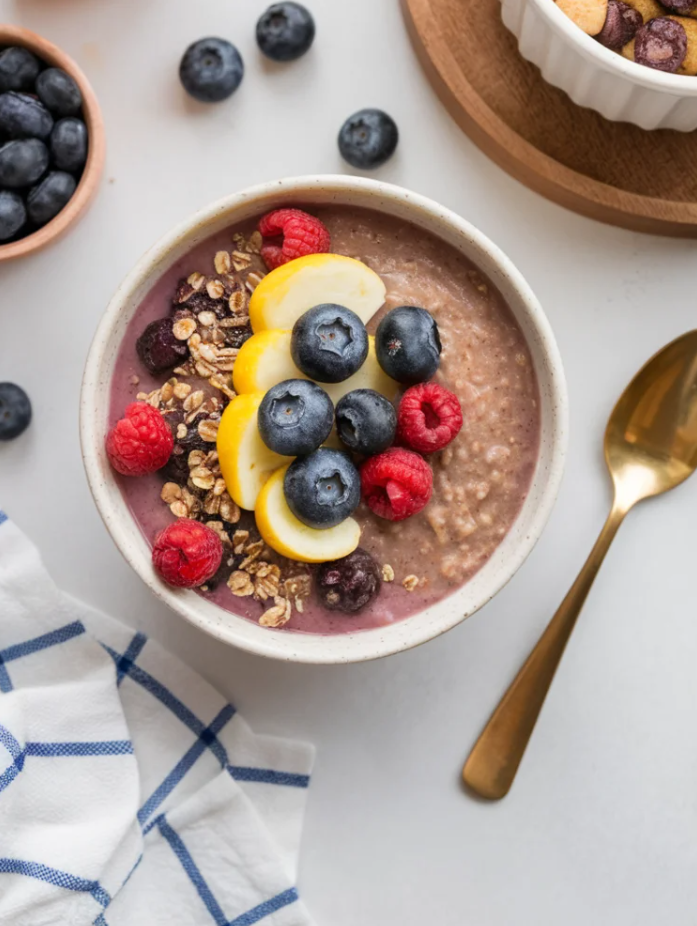
Oatmeal is one of the most digestible grains for dogs when cooked properly. It provides steady energy without spiking blood sugar, which makes it ideal for morning meals. When blueberries are added, the bowl becomes richer in nutrients while still being easy on the stomach.
This recipe works well for dogs with sensitive digestion or those transitioning from kibble to fresh food. Letting the oats cool fully before serving is important, and the texture can be adjusted depending on your dog’s preference. Some dogs enjoy it slightly warm, while others prefer it completely cooled.
Blueberry Banana Pupcakes
A Wholesome Treat That Still Feels Special
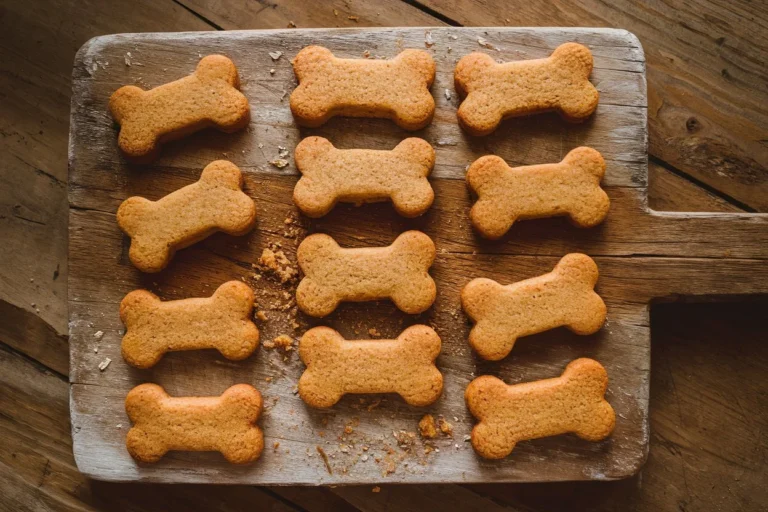
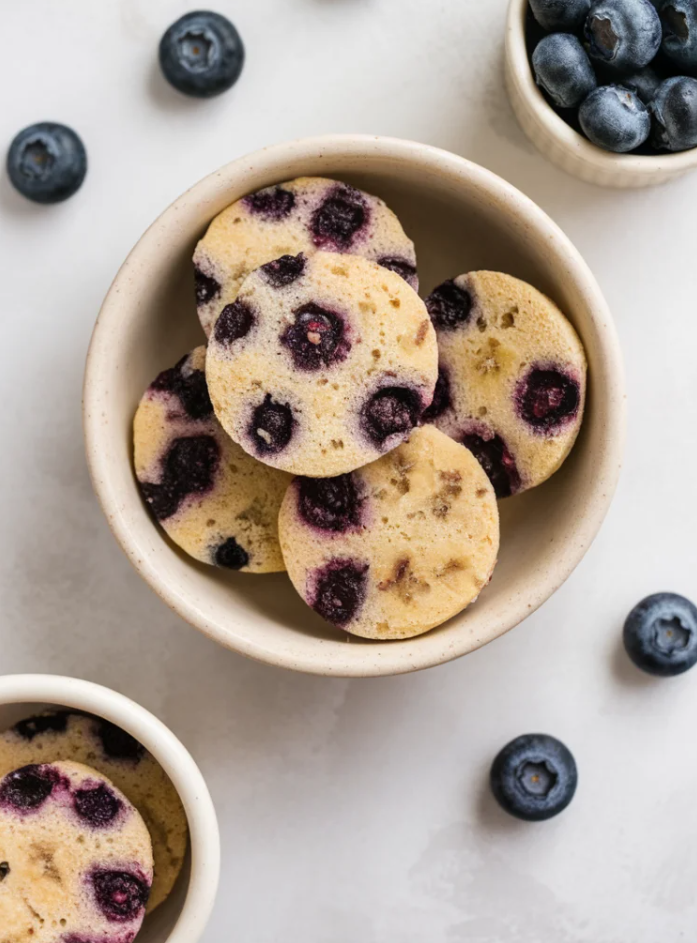
Celebrations don’t need artificial colors or sugar to feel meaningful. Homemade pupcakes offer a healthier way to treat your dog while keeping ingredients simple and safe. Bananas bring natural sweetness and potassium, while blueberries add moisture and antioxidants.
These baked treats are soft enough for senior dogs and sturdy enough to hold their shape. Because you’re using whole ingredients, you avoid unnecessary fillers and preservatives that can cause digestive issues. They’re easy to portion, store, and serve throughout the week.
Blueberry Chicken Stew
A Comforting, Complete Meal
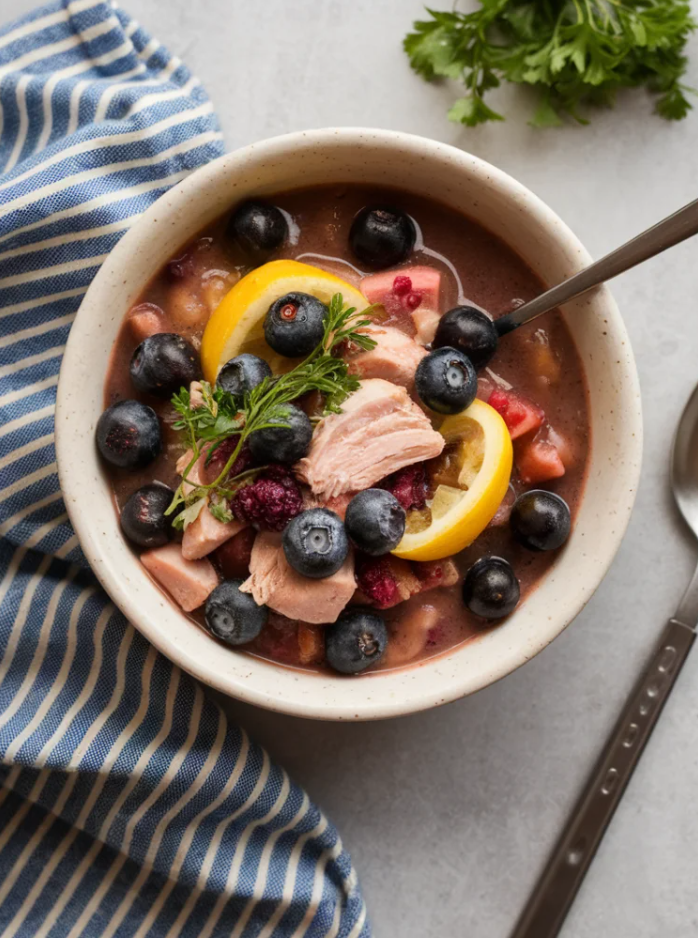
A warm stew is one of the easiest ways to provide hydration and nutrition in a single bowl. Lean chicken supplies essential protein, while vegetables add vitamins and fiber. Blueberries are stirred in after cooking to preserve their nutrients and prevent them from breaking down too much.
This meal is especially useful for dogs who struggle with dry food, have dental issues, or need softer textures. It also works well as a rotational meal if you don’t want to replace kibble completely. Preparing larger batches saves time and keeps feeding consistent.
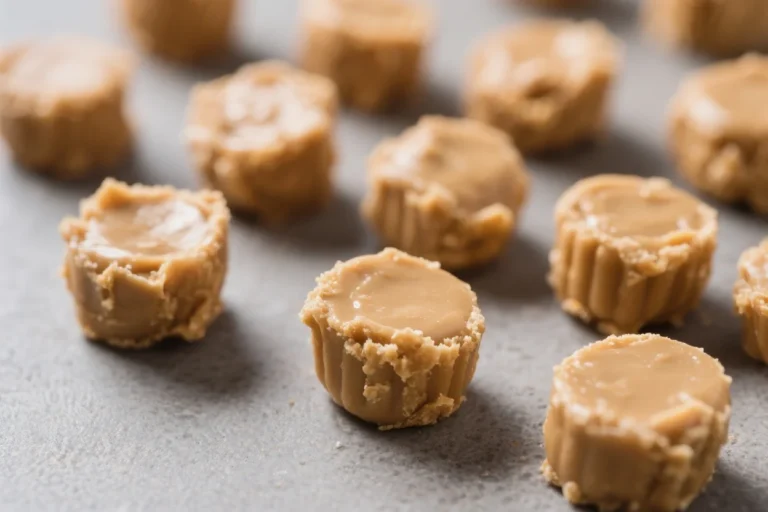
Blueberry Peanut Butter Frozen Treats
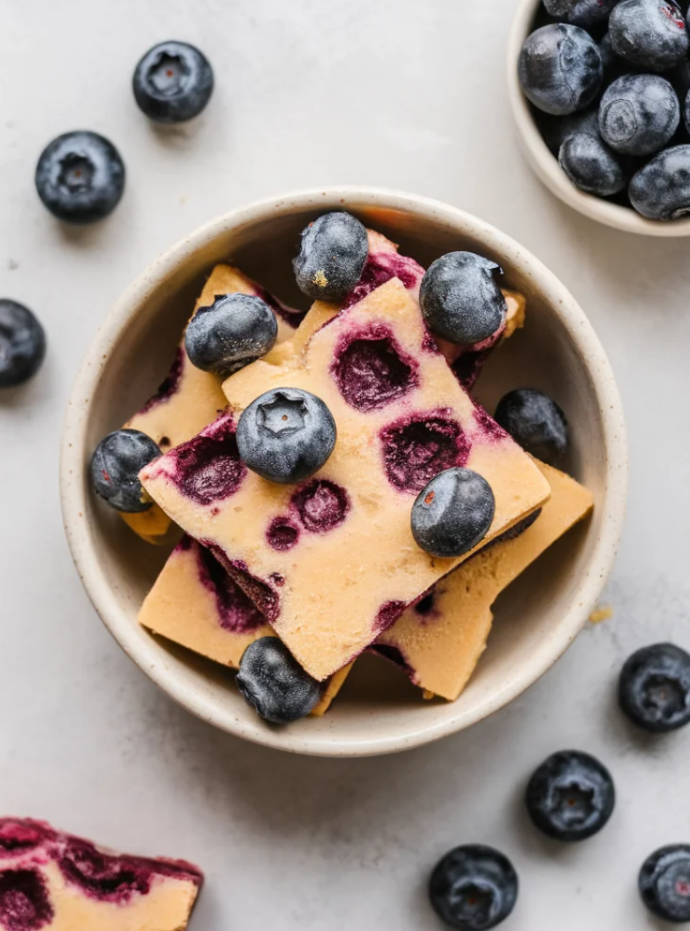
Cooling Nutrition for Warm Days
Frozen treats aren’t just a luxury. They help regulate body temperature and provide mental enrichment through licking and chewing. Blending blueberries with plain yogurt and dog-safe peanut butter creates a smooth texture that freezes well and stays appealing.
These treats are helpful during hot weather, after walks, or for puppies who are teething. Because there’s no cooking involved, preparation is quick and cleanup is minimal. Portion size matters here, especially for smaller dogs.
Blueberry Sweet Potato Mash
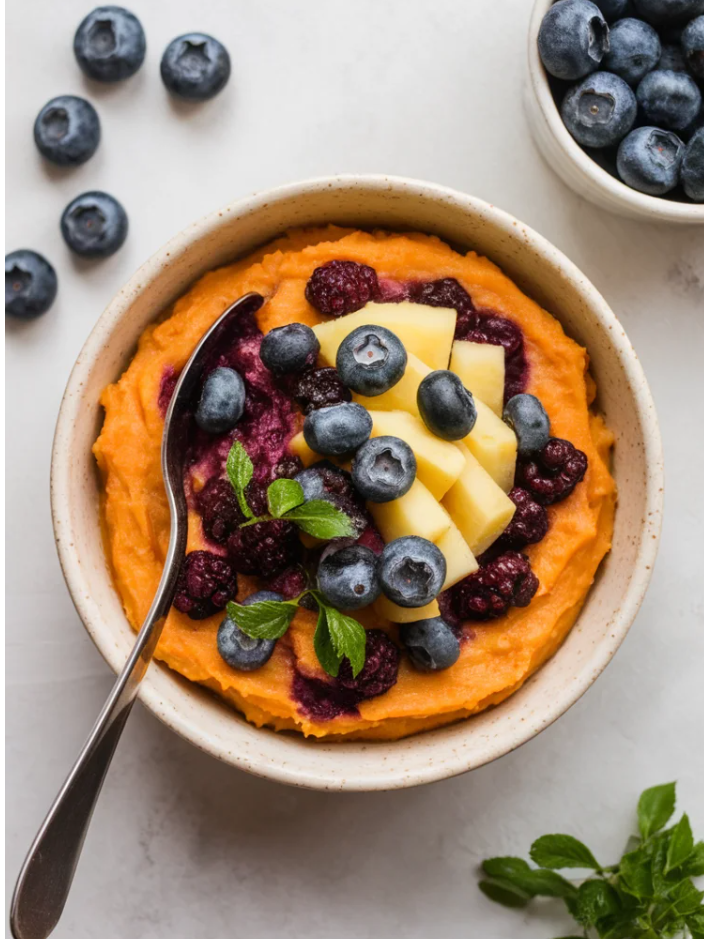
A Fiber-Rich Addition to Any Meal
Sweet potatoes are one of the most reliable carbohydrates for dogs. They’re packed with fiber and beta-carotene, which supports digestion and immune health. When mashed and combined with blueberries, they create a flavorful topper that enhances both nutrition and taste.
This mash is especially useful for picky eaters or dogs who need encouragement to finish their meals. It blends easily with other foods and can be served warm or at room temperature depending on your dog’s preference.
Blueberry Quinoa Salad

A Light Option for Sensitive Dogs
Quinoa is a complete protein and naturally gluten-free, making it suitable for dogs with grain sensitivities. When fully cooked, it’s light and easy to digest. Pairing it with shredded meat and blueberries creates a balanced meal that doesn’t feel heavy.
This recipe works well for dogs who experience bloating or frequent stomach upset. It can be prepared ahead of time and stored safely for short periods, which makes feeding easier on busy days.
Blueberry Coconut Bites
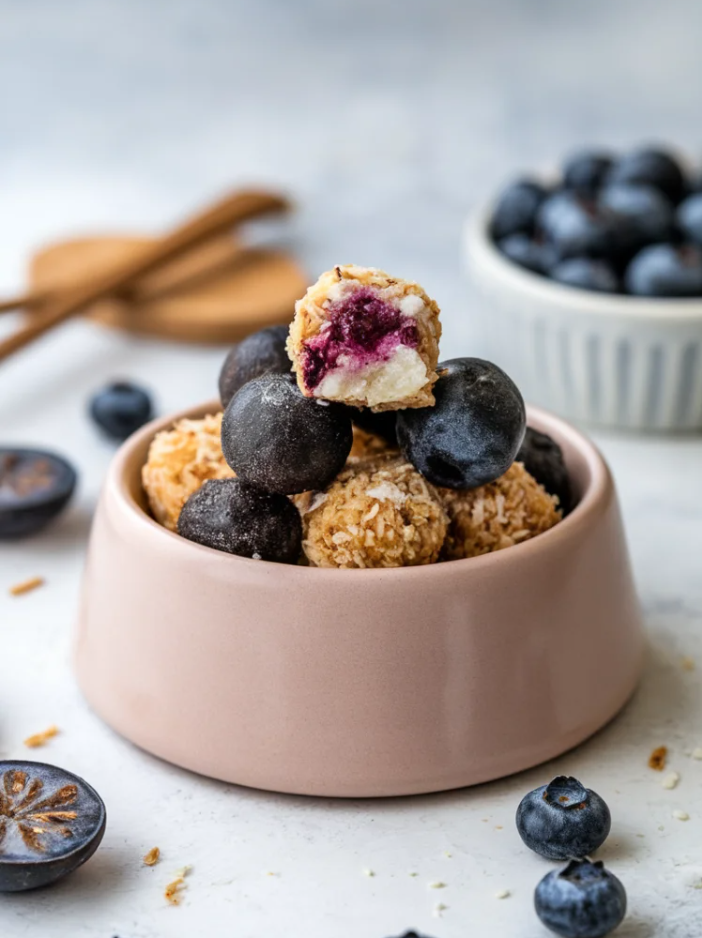
No-Bake Snacks With Lasting Energy
Coconut provides healthy fats that support skin and coat health, while blueberries contribute antioxidants and flavor. These no-bake bites are chewy, satisfying, and simple to prepare without using an oven.
Because they’re calorie-dense, smaller portions are ideal. Refrigeration firms them naturally and keeps the texture consistent. They work well as occasional treats rather than daily snacks.
How Often Blueberries Should Be Fed
Blueberries are safe for regular use, but moderation is key. A few berries per serving is enough to deliver benefits without causing digestive upset. Frozen blueberries are just as safe as fresh ones and can even be offered on their own as treats.
Dried blueberries are best avoided, as they often contain added sugars or preservatives that aren’t suitable for dogs.
When a Dog Doesn’t Like Blueberries
Taste preferences vary, and not every dog enjoys fruit. Blueberries can be mashed, blended, or mixed into meals to reduce texture issues. If your dog consistently avoids them, other dog-safe fruits can be used instead without sacrificing nutrition.
Conclusion of Dog Food Recipes With Blueberries
Feeding your dog fresh food changes more than just their bowl. You begin to notice better digestion, shinier coats, improved energy, and genuine excitement at mealtime. Blueberries add nutritional value without making preparation complicated, which makes them one of the easiest upgrades you can introduce.
Homemade meals allow you to control quality, portions, and ingredients with confidence. When dogs eat better, they feel better, and that difference shows every single day.
If you want, I can now adapt this for SEO publishing, Pinterest traffic, breed-specific feeding, or age-based dog nutrition without changing the tone or authority.