How to Get Dog Poop Stains Out of Carpet
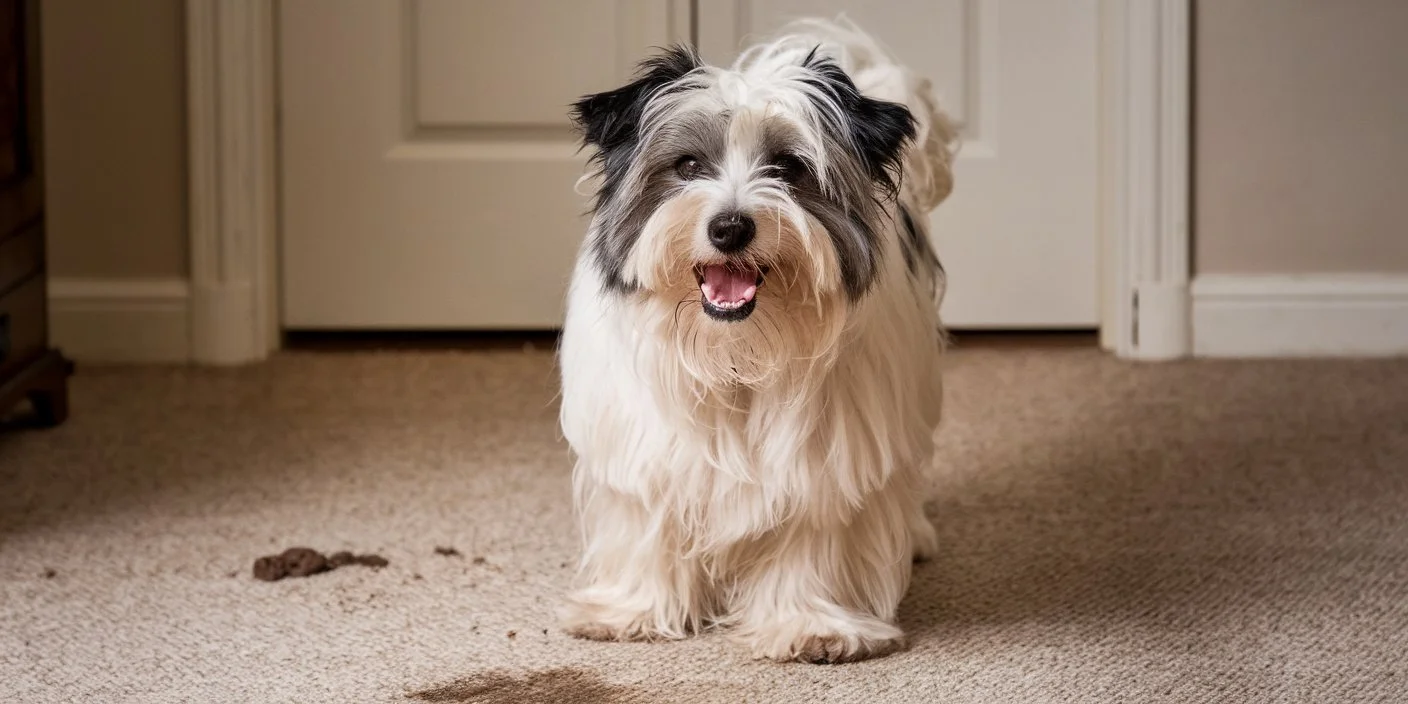
A poop accident on the carpet can turn a normal afternoon into a cleanup mission in about three seconds.
The good news is that you don’t need to attack the stain with every cleaning product under your sink. The cleanup is much easier when you deal with the mess in stages: remove the solid material, lift the remaining residue, treat the fibers, and deal with the odor separately.
There’s also an important distinction between a visible stain and a lingering smell. You can make the carpet look clean while organic residue remains underneath, which is why a pet-specific enzymatic cleaner can be useful when ordinary cleaning doesn’t completely solve the problem.
Below is a practical method for handling both fresh and stubborn dog-poop accidents while being careful with your carpet.
Step 1: Scoop Up the Solid Matter (ASAP)
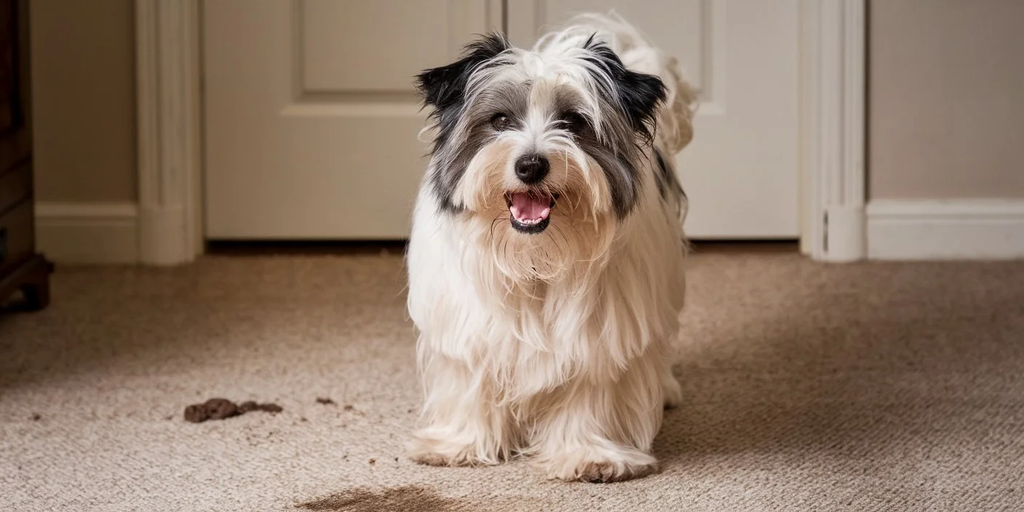
Don’t reach for a spray bottle yet. The first job is simply getting the bulk of the mess away from the carpet.
Put on disposable gloves and carefully lift the waste rather than pressing down on it. For firmer stool, a plastic bag or several paper towels may be enough. If the accident is soft or smeared, use something with a flat edge to gently lift the residue from the carpet.
The goal is to remove as much material as possible before adding moisture. Pushing or scrubbing at this stage can drive the mess farther into the fibers.
Once you’ve picked everything up, seal the waste in a bag and wash your hands thoroughly.
Step 2: Blot the Area (Don’t Rub!)
Now you’re dealing with whatever moisture and residue remain behind.
Take a clean, absorbent cloth or several paper towels and press down on the spot. Lift the towel, move to a clean section, and repeat.
Avoid the temptation to scrub back and forth. That can spread the contamination over a larger area and work it deeper into the carpet.
If the accident was particularly wet, keep blotting until the towel is picking up much less moisture.
Step 3: Use a Carpet Cleaner or Dish Soap Solution
Once you’ve removed the bulk of the mess, you can work on the remaining stain.
First, check your carpet manufacturer’s cleaning instructions and test any homemade solution on an inconspicuous area.
For a small spot, a simple mild cleaning mixture can be made with:
- 2 cups of lukewarm water
- 1 tablespoon of mild dish soap
Dampen a clean cloth with the mixture rather than pouring it directly onto the carpet.
Then gently blot the affected area, working from the outer edge toward the center. This helps keep the stain contained instead of creating an even bigger wet patch.
Don’t saturate the carpet. Too much liquid can travel into the backing and padding, making the area harder to dry.
Step 4: Rinse with Clean Water
After treating the stain, remove the leftover soap.
Use another clean cloth dampened with plain water and gently blot the area. You don’t need to flood the carpet—just use enough moisture to pick up the cleaning residue.
Follow with dry towels and press firmly to pull out as much water as possible.
Leaving cleaning solution behind can attract dirt, so this small rinse is worth doing.
Step 5: Baking Soda for Odor Control
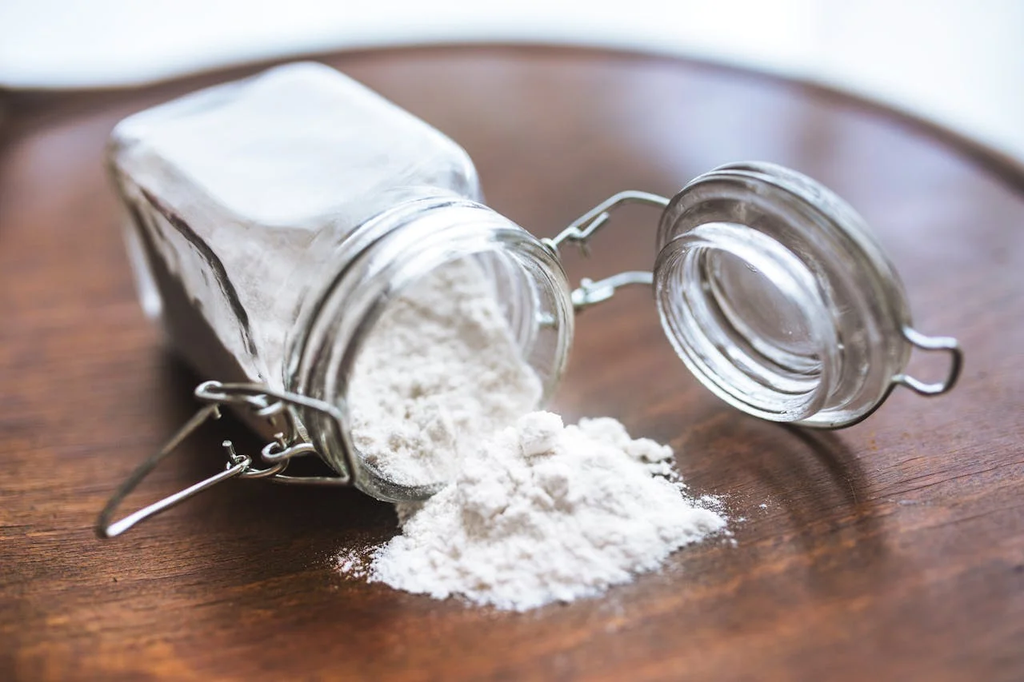
Once you’ve cleaned the visible mess, you can deal with any remaining smell.
A light layer of baking soda can be used as a simple deodorizing step once the area is no longer heavily wet. Let it sit for several hours, provided your carpet-care instructions allow it, then vacuum thoroughly.
Just remember that baking soda is an odor-control step, not a replacement for actually removing the waste.
If the carpet still smells after cleaning, especially after an older accident, move on to an enzymatic pet cleaner rather than simply adding more baking soda.
Step 6: Use an Enzymatic Cleaner (If Needed)
This is the step I’d prioritize when you’re still dealing with a stubborn poop smell.
Pet-specific enzymatic cleaners are designed to break down organic residues left behind by accidents. Follow the product’s instructions carefully because different formulas require different contact times and application methods.
Before applying one:
- Check that the product is suitable for your carpet.
- Test it somewhere hidden first.
- Don’t combine it with other cleaning chemicals.
- Use enough product to treat the contaminated area without unnecessarily soaking the carpet.
- Follow the manufacturer’s recommended dwell time.
If the accident reached the carpet padding, surface treatment may not completely eliminate the odor. Deep contamination can require repeated treatment or professional cleaning.
Step 7: Dry the Area Completely
Don’t rush this final step.
Press clean towels over the area to remove excess moisture, then improve airflow with a fan or open windows when practical.
Keep your dog away from the spot while it’s wet and until any cleaning product has been used according to its label.
A carpet that remains damp for too long can develop additional problems, so getting air moving around the area is an important part of the cleanup.
FAQs
Q: What if the dog poop has already dried?
Start by carefully breaking away and lifting the dried material. A blunt scraper or similar tool can help, but work gently so you don’t damage the carpet fibers or grind the waste deeper into them.
After removing the solid residue, clean the remaining stain and use an enzymatic pet cleaner if odor persists.
Older accidents may need more than one treatment.
Q: Can I use bleach to clean dog poop stains?
I wouldn’t use chlorine bleach on carpet.
It can discolor many carpets and damage certain fibers, and household chemicals can also create a pet-safety issue if residue remains where your dog can access it.
Use a carpet-compatible cleaner or a pet-specific enzymatic product instead.
Q: How do I stop my dog from pooping on the carpet again?
The answer depends on why the accidents are happening.
For a puppy, review the potty-training routine and make outdoor bathroom opportunities frequent enough for their age and development.
If an adult dog that was previously reliable suddenly starts having indoor accidents, don’t automatically assume it’s behavioral. A change in bathroom habits can sometimes warrant a veterinary check.
Also clean previous accident areas thoroughly. Dogs can be drawn back to locations where traces of previous waste odors remain.
Final Thoughts
The trick to dealing with dog poop on carpet isn’t attacking the stain with the strongest product you can find.
It’s removing the mess first, cleaning without spreading it, controlling the remaining odor, and giving the carpet enough time to dry.
For fresh accidents, quick cleanup makes the job much easier. For older or stubborn odors, an enzymatic pet cleaner can be more useful than repeatedly masking the smell.
And if your dog suddenly starts using the carpet as a bathroom after being reliably house-trained, look beyond the carpet. The accident may be telling you something about your dog’s routine, behavior, or health.
Hopefully, your next cleanup is a little less dramatic—and your carpet gets to return to its original purpose. 🐶