Designing Dog Spaces in House Design Ideas
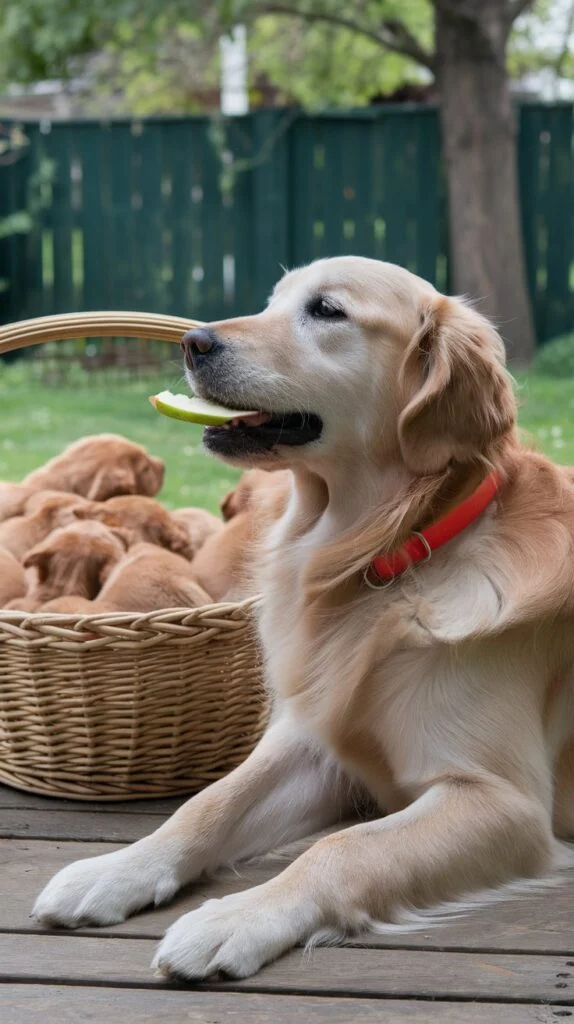
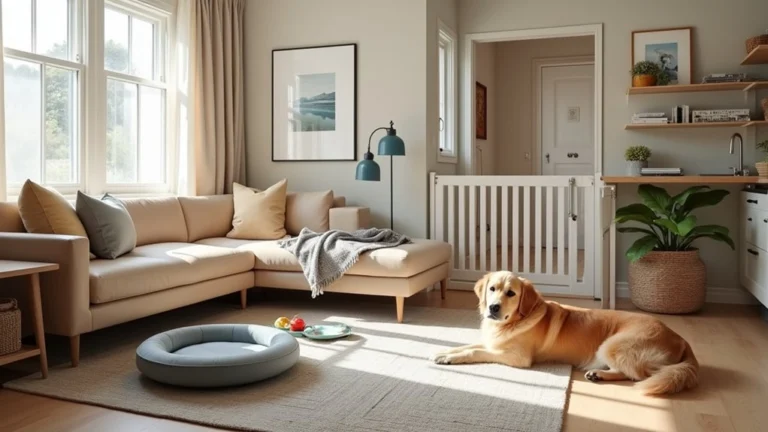
Creating a home that works for both me and my dog goes beyond just adding a bed in the corner. I’ve learned that thoughtful design can make a huge difference in how comfortable, safe, and included my dog feels every day.
By combining style with durability and function, I can make daily routines smoother and strengthen the bond I share with my furry friend. Even small design tweaks can turn a regular house into a space where my dog is happy, active, and calm.
Save For Later
Key Takeaways:
- Thoughtful spaces make dogs feel safe and included
- Design can reduce mess while enhancing comfort
- A dog-friendly home balances style, function, and durability
Essential Dog-friendly Features
I focus on features that support my dog’s habits without compromising my home’s design. Durable floors that handle muddy paws, clear pathways for movement, and designated rest areas make everyday life easier. Planning these features during the design phase, rather than adding them later, keeps my home organized, welcoming, and comfortable for everyone.
1. Built-In Pet Feeding Stations
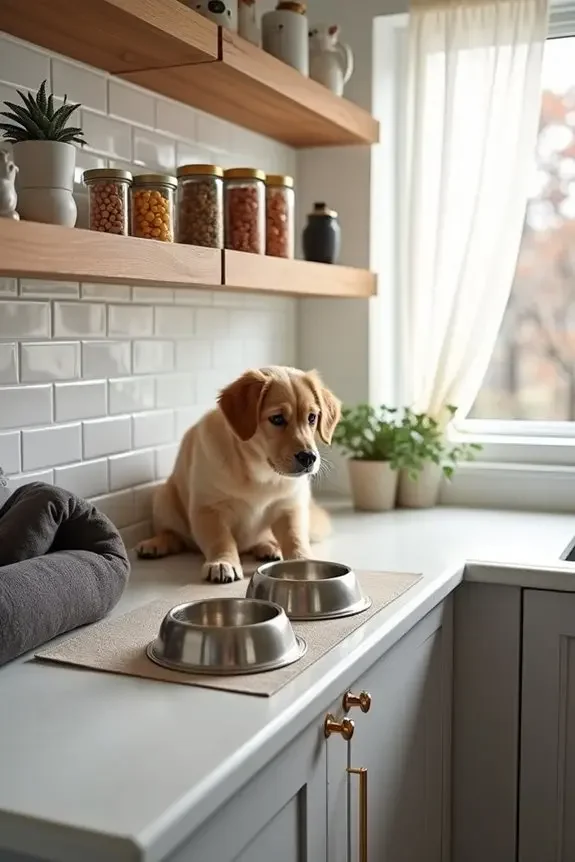
Adding a built-in feeding station has completely changed our mealtimes. By giving bowls a permanent spot, I cut down on spills and clutter. Elevated bowls work great for larger dogs and help with digestion, while fitted bowls reduce noise and sliding. Extra storage above the station keeps food, treats, and accessories organized, turning feeding time into a calm and predictable routine.
Pro Tip: Choose materials that are easy to clean and resistant to scratches for long-term use.
2. Cozy Dog Nooks
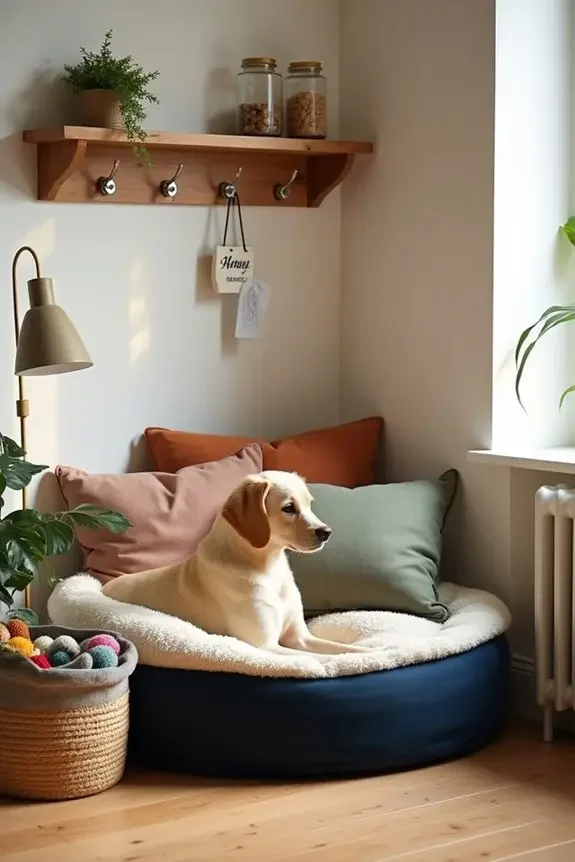
I noticed that having a quiet nook gives my dog a sense of security. A tucked-away corner with soft bedding and warm textures becomes their personal retreat. Adding familiar toys or blankets makes the space feel personal, so my dog goes there naturally when they want to relax.
Fact: Dogs sleep 12–14 hours daily on average, so a cozy nook can support their health and behavior.
3. Dog Wash Stations
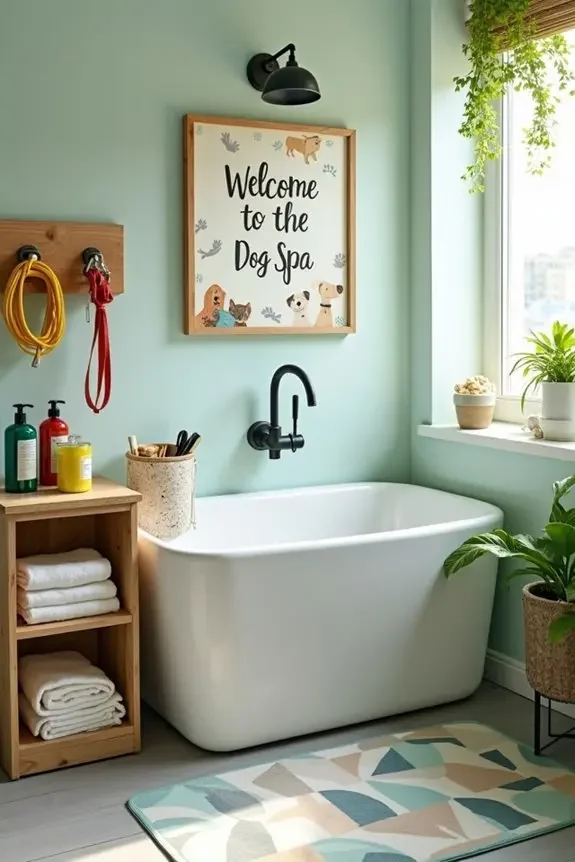
Installing a dedicated wash station was a game-changer. No more struggling in the bathtub with muddy paws. A deep basin, handheld sprayer, and non-slip flooring make washing safer and easier for both of us. Keeping towels and shampoo nearby saves time and stress, making grooming a smooth routine rather than a chore.
4. Dog-friendly Outdoor Enclosures
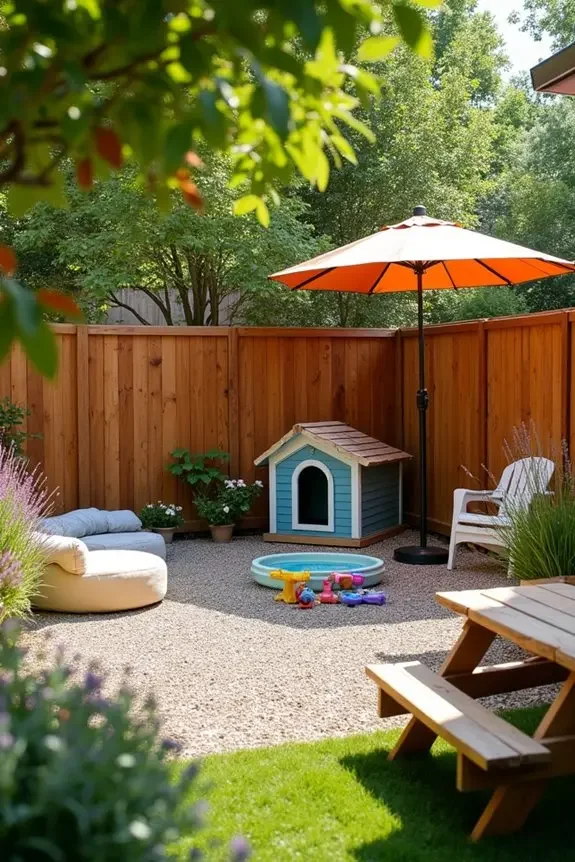
Our outdoor enclosure lets my dog explore safely and enjoy fresh air. I made sure it has durable fencing, proper drainage, and shaded spots for comfort. Adding soft surfaces and toys creates a stimulating space that feels like an extension of our home rather than a confined area.
Stat: Dogs need at least 30–60 minutes of exercise daily for optimal health. Outdoor enclosures help meet that need safely.
5. Under-stair Dog Hideaway
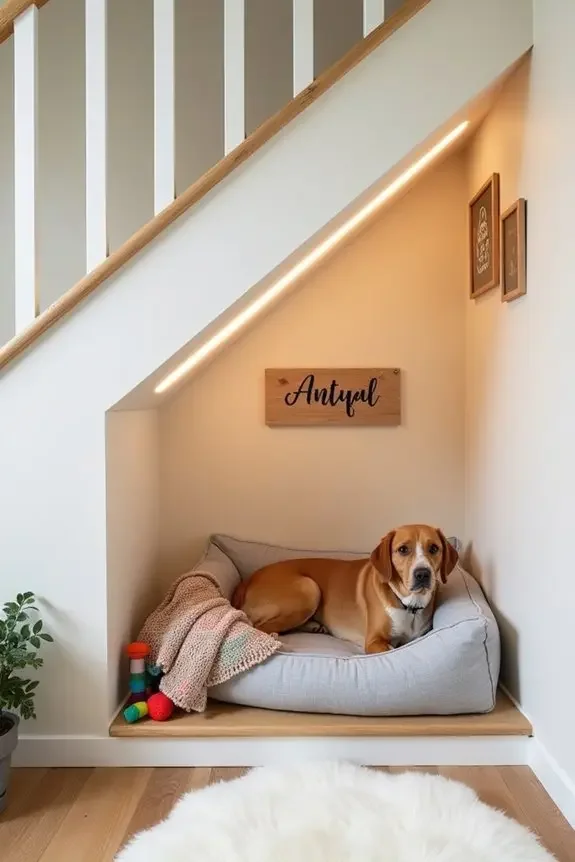
I turned unused space under the stairs into a den-like hideaway for my dog. Proper lighting, ventilation, and soft bedding make it inviting instead of dark and dusty. Personal touches like nameplates or small shelves for toys give it a special feel, giving my dog a space they can truly call their own.
Related Posts:
6. Sliding Door Pet Access
Sliding doors have given my dog freedom to move between indoor and outdoor areas independently. It reduces interruptions and allows my dog to exercise and explore safely. Proper installation keeps the space secure and energy-efficient while maintaining the home’s style.
Pro Tip: Train your dog gradually to use the door to build confidence and prevent accidents.
7. Sunlit Dog Relaxation Area
Dogs love warmth, so I created a sunlit corner with comfortable bedding near a window. The natural light keeps my dog happy and relaxed, while breathable fabrics and light-filtering curtains ensure the space stays comfortable throughout the day.
8. Indoor Dog Play Areas
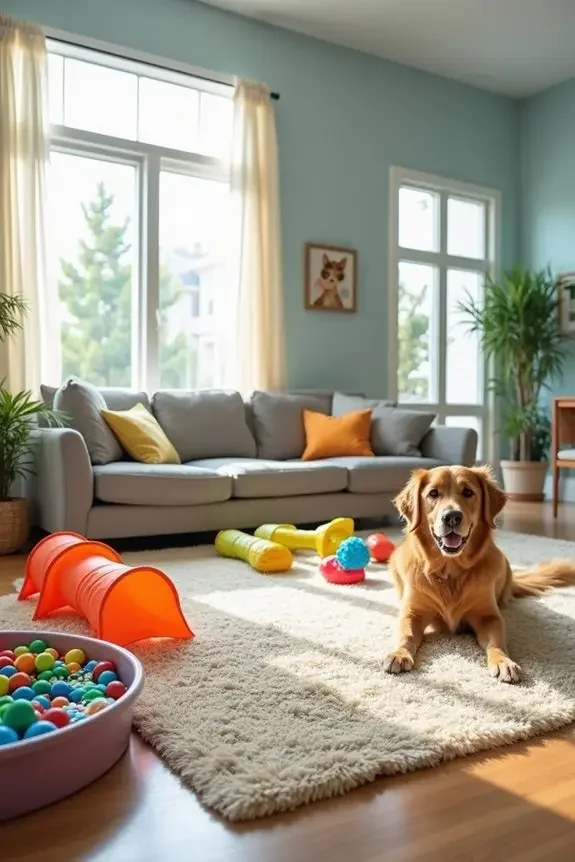
Indoor play spaces are lifesavers during bad weather. I set up a safe area with soft flooring, toys, and open layouts to keep my dog active and mentally stimulated. Rotating toys and adding interactive elements keeps playtime fresh and prevents boredom.
Fact: Mental stimulation is as important as physical exercise to prevent destructive behaviors.
9. Hidden Dog Toy Storage
Hidden storage keeps toys organized without cluttering the home. I integrated storage into furniture, so my dog can access toys easily, and cleanup is quick. It’s a small change that has made daily life much more manageable.
10. Safety-Proofing Your Home
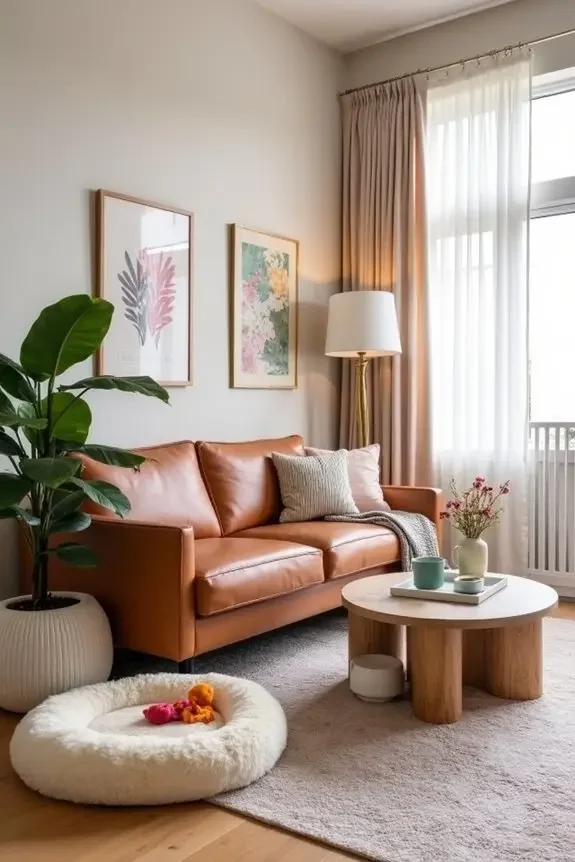
I make sure my home is safe for exploration by securing cords, using durable materials, and checking for hazards regularly. Stable furniture, designated safe zones, and removing toxic plants give me peace of mind and let my dog explore freely. Proactive pet-proofing helps prevent accidents and keeps the home functional as my dog grows.
Pro Tip: Reassess safety measures periodically as your dog ages or as new furniture and decorations are added.
Key Takeaways:
- Integrated features reduce mess and improve routines
- Dedicated spaces support dog comfort and mental health
- Safety-proofing protects your dog and your home
- Design with your dog in mind enhances both lifestyle and bond
All content on this site is written and reviewed by our experienced team to ensure it is accurate, reliable, and helpful for our readers. Our Our Process page explains how we carefully research and create high-quality content, while our Team page introduces the professionals behind our work. We also provide clear guidelines for content or image concerns on our Image Removal page, so you can trust that we prioritize transparency, quality, and reader safety.