Dog vs. Wolf: A Battle of Paws, Teeth, and History
After 20 years of living with, grooming, training, and cooking for dogs, I still get this question all the time: Are dogs basically just tame wolves?
On the surface, I understand the confusion. Some breeds look almost identical to wolves. But after working hands-on with hundreds of dogs—from anxious rescues to high-drive working breeds—I can confidently say the differences go far beyond appearance.
Dogs and wolves share over 99% of their DNA. Yet behaviorally, physically, and emotionally, they are worlds apart. Let’s break it down clearly, responsibly, and with real-world insight.
Key Takeaways
- Dogs descended from wolves, but domestication changed their brains, bodies, and behavior.
- Wolves are apex predators built for survival; dogs evolved to live alongside humans.
- Wolves have stronger bite force (around 400 PSI) and greater endurance.
- Dogs are better at reading human emotions and cues than wolves.
- Wolves are not suitable pets, and wolf-dog hybrids are unpredictable.
- Physical differences include skull size, tail carriage, chest shape, and stamina.
- Domestication began roughly 20,000–40,000 years ago.
- Choosing between admiring wolves and loving dogs depends on lifestyle—not preference alone.
The Basics: Doggos and Wolves 101
Dogs: Man’s Best Friend (With a Side of Belly Rubs)

Dogs were domesticated from gray wolves between 20,000 and 40,000 years ago. Over thousands of years, humans selectively bred dogs for temperament, cooperation, and specific tasks like hunting, guarding, herding, and companionship.
Today, the domestic dog—scientifically known as Canis lupus familiaris—comes in over 340 recognized breeds worldwide. From giant working dogs to toy companions, dogs are incredibly diverse because humans shaped them to be.
In my grooming and training experience, one thing stands out clearly: dogs are biologically wired to bond with humans. Studies show dogs release oxytocin (the bonding hormone) when making eye contact with their owners. Wolves do not show this same response pattern.
That emotional attachment? It’s not accidental. It’s the result of thousands of years of co-evolution.
Wolves: The OG Wild Ones
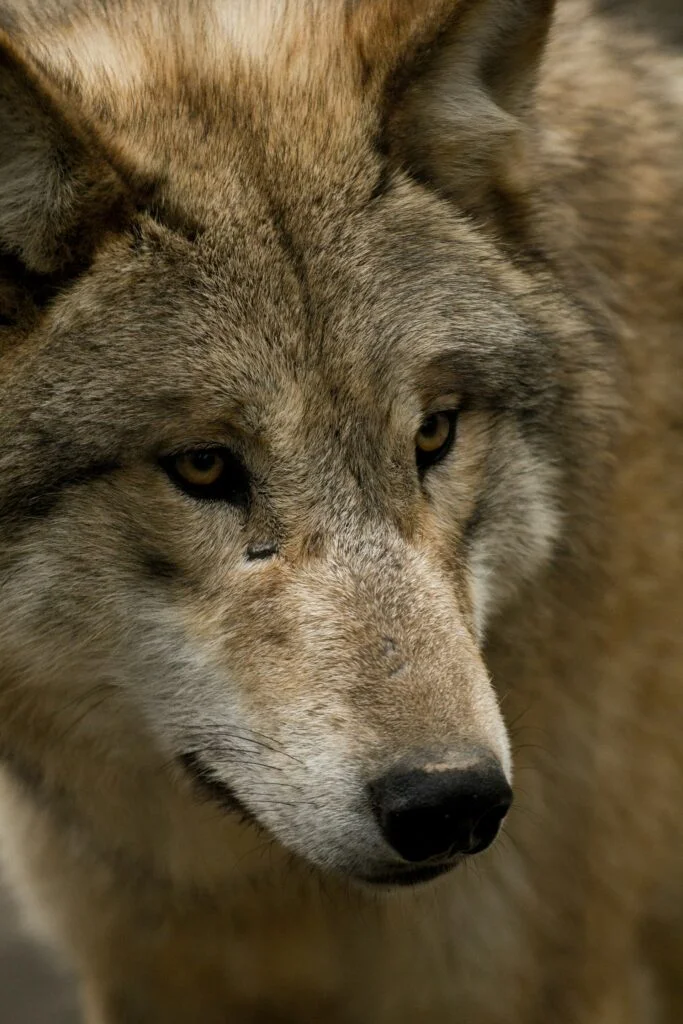
The gray wolf (Canis lupus) is a true apex predator. Wolves evolved for survival, endurance, and pack-based hunting. They roam vast territories that can span 50–1,000 square miles depending on prey availability.
Wolves live in highly structured packs with cooperative hunting strategies. Their intelligence is extraordinary—but it’s tuned for survival in the wild, not coexistence with humans.
I’ve worked with high-content wolf-dog hybrids before, and even at a young age, their independence and prey drive are dramatically stronger than typical domestic dogs. It’s not aggression—it’s instinct.
Wolves are not built for cuddles. They are built for survival.
Looks: Can You Tell Them Apart?
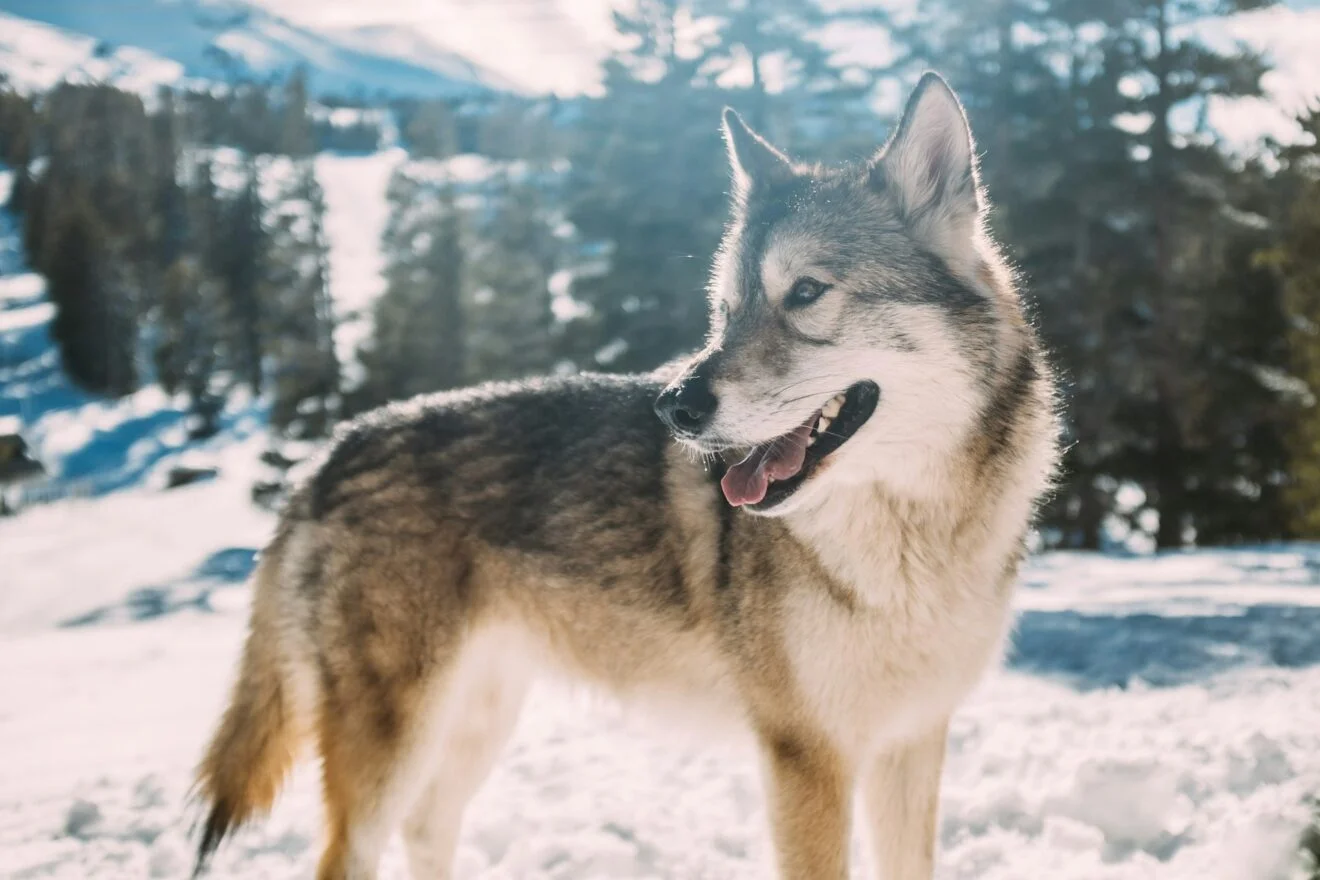
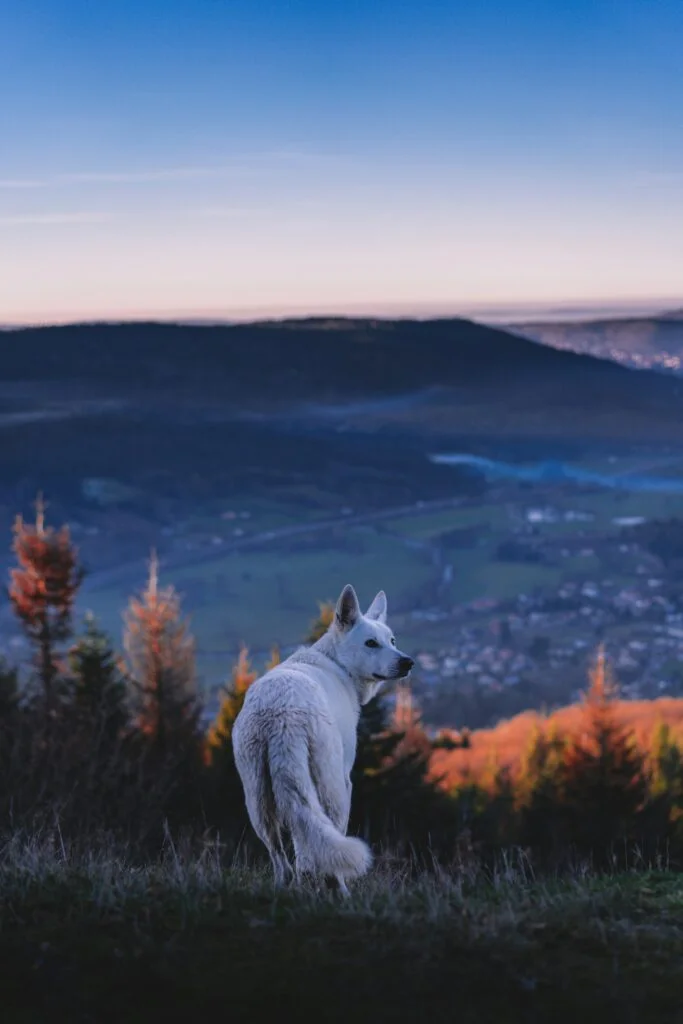
Some breeds—like the Siberian Husky and Alaskan Malamute—closely resemble wolves. But structurally, there are clear differences.
Size and Build
Wolves
- Longer legs
- Narrow chest
- Lean, endurance-based frame
- Built to travel up to 30 miles per day
Dogs
- Wide variation in body types
- Many breeds have shorter legs and broader chests
- Selectively bred for specific roles, not survival stamina
I’ve groomed athletic breeds that can sprint beautifully—but very few dogs can match a wolf’s sustained endurance.
Heads and Faces
Wolves have:
- Larger skulls
- Longer, narrower snouts
- Straighter, shorter ears
- Amber or gold eyes
Dogs display huge variation:
- Floppy ears
- Shortened snouts (brachycephalic breeds)
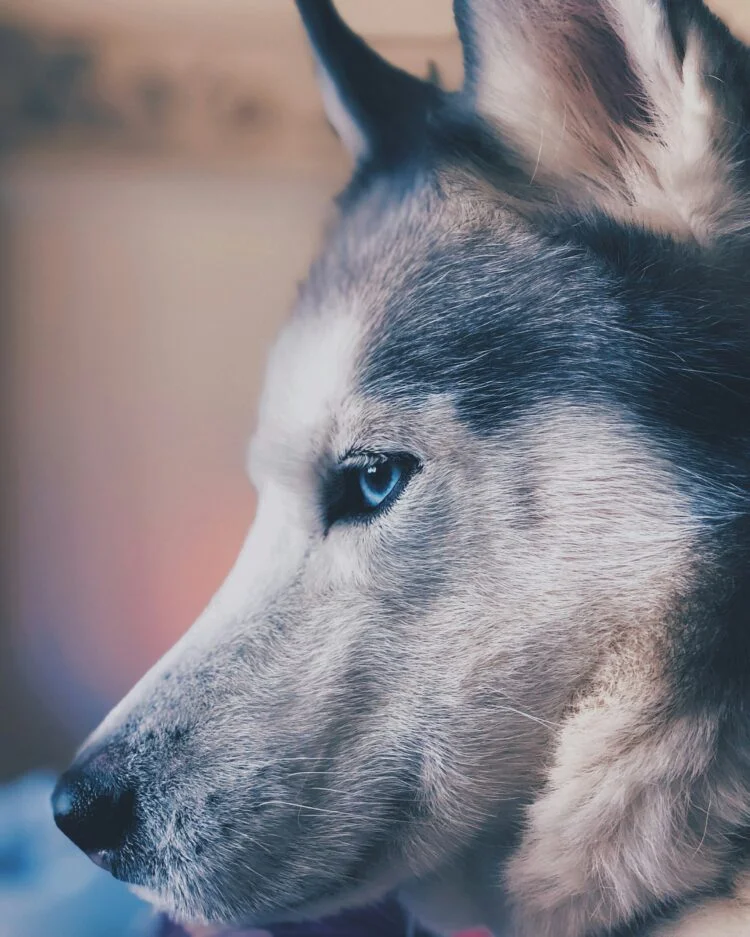
- Wide range of eye colors, including blue
Selective breeding dramatically altered canine skull shape over time.
Tails
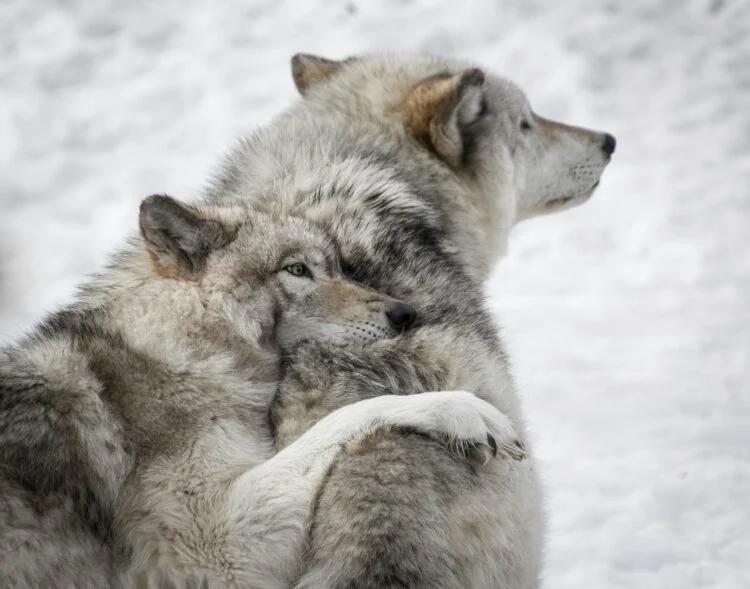
Wolves typically carry their tails straight and low.
Dogs? Tail carriage varies by breed, but most use their tails actively for communication. After two decades reading canine body language, I can tell you—a wag does not always mean happy. Context matters.
Behavior: Wild Instincts vs. Couch Potatoes
Social Life
Wolves live in structured packs with breeding pairs and defined roles. Cooperation ensures survival.
Dogs replaced wolf packs with human families. Research shows dogs look to humans for guidance when solving problems, while wolves rely more on independent problem-solving.
In training sessions, I consistently see dogs seeking eye contact for reassurance. Wolves generally do not.
Communication
Wolves howl to coordinate over long distances—sometimes up to 6 miles in open terrain.
Dogs bark far more frequently than wolves. Interestingly, barking as a primary communication method is believed to be a domestication trait.
As someone who’s trained everything from vocal terriers to quiet guardians, I can confirm: barking frequency varies dramatically by breed and stimulation level.
Trainability
Dogs are highly responsive to positive reinforcement training. Their brain chemistry favors cooperation.
Wolves are intelligent—but not domesticated for obedience. Even wolf-dog hybrids can struggle with impulse control and predictable responses.
This difference is neurological, not just behavioral.
Diet: What’s on the Menu?
Wolves: The Meat Lovers
Wolves are carnivores. Their diet consists primarily of large ungulates such as deer, elk, and moose. A single wolf can consume up to 20 pounds of meat in one sitting after a successful hunt.
Their digestive systems are optimized for raw meat consumption.
Dogs: Not Picky (Most of the Time)
Dogs are classified as facultative carnivores—meaning they thrive on meat but can digest starches due to increased amylase gene copies developed during domestication.
In my 20 years preparing balanced meals and consulting with veterinarians, I’ve seen firsthand how dogs can safely digest properly prepared vegetables, grains, and proteins.
However, I always recommend:
- High-quality protein as the foundation
- Avoiding excessive fillers
- Consulting your vet before dietary changes
Every dog’s metabolism is unique.
Personality: Who’s More Fun?
Wolves: The Lone Ranger (Kinda)
Wolves are majestic and intelligent. But they are not pets.
Their prey drive, territorial instincts, and need for vast space make them unsuitable for domestic environments. Even wolf-dog hybrids can show unpredictable behavior, especially during maturity (around 2–3 years old).
Dogs: The Life of the Party
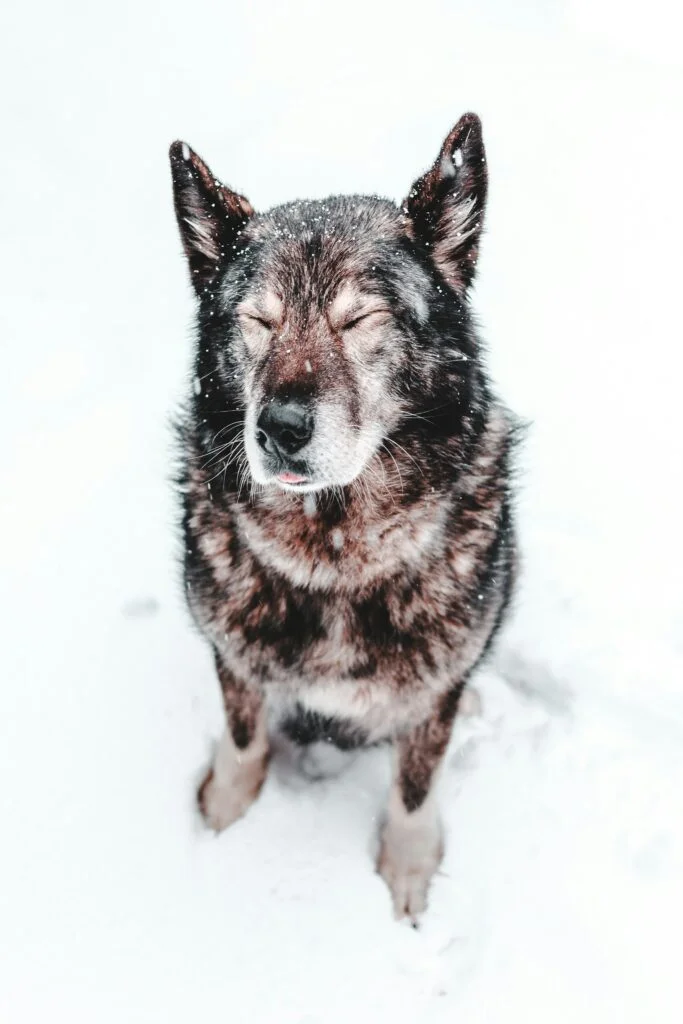
Dogs evolved to read human emotions. Studies show dogs outperform wolves in interpreting human pointing gestures.
After thousands of client sessions, I can confidently say: dogs mirror our energy. Calm owner, calm dog. Anxious owner, reactive dog.
That emotional synchronization is one of the most beautiful results of domestication.
Fun Facts: Did You Know?
- Wolf bite force averages around 400 PSI; most domestic dogs range between 150–250 PSI.
- Wolves can reach speeds of 35–40 mph during pursuit.
- Domestic dogs show greater variation in coat color than wolves due to selective breeding.
- Wolves typically breed once per year; many dogs can cycle twice annually.
These biological differences reflect adaptation—not superiority.
Can You Own a Wolf?
Short answer: In most places, no—and you shouldn’t.
Wolf ownership is restricted or illegal in many regions due to safety and welfare concerns. Even where legal, wolves require specialized containment, enrichment, and handling expertise.
Wolf-dog hybrids are particularly challenging. Their temperament can be unpredictable, especially in adolescence.
If you love the wolf aesthetic, consider responsibly bred northern breeds instead—but understand they still require experienced handling and significant exercise.
Why Are They So Different?
Domestication reshaped dogs genetically and neurologically.
Key changes include:
- Reduced fear response toward humans
- Increased sociability
- Altered stress hormone regulation
- Greater tolerance for varied diets
Essentially, dogs evolved to cooperate with us.
Wolves remained wild because their survival depended on it.
So, Who Wins: Dog or Wolf?
There’s no real competition.
If you want a loyal companion who thrives in your home, a dog is unmatched.
If you admire wild strength and natural ecosystems, wolves deserve deep respect—from a safe distance.
After 20 years of hands-on experience, I can say this confidently: dogs are not lesser wolves. They are a different branch of the same ancestral tree—one shaped by partnership.
And that partnership changed both species forever.
So tell me—are you Team Dog or Team Wolf?