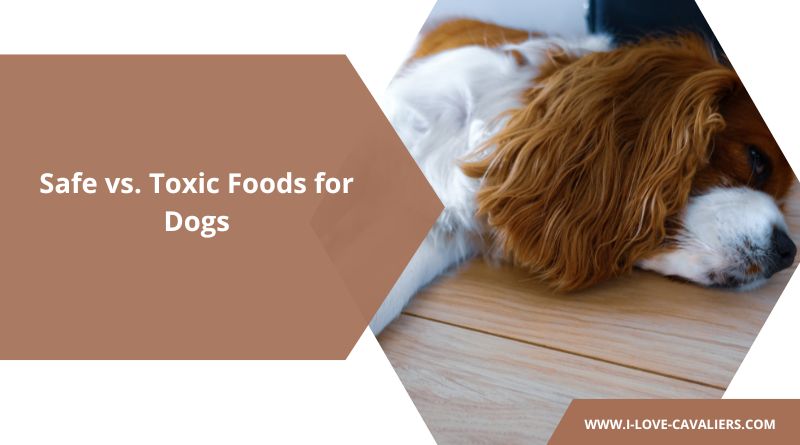
Foods Dogs Can Eat vs. Foods Dogs Can’t Eat (Safe and Toxic)
I can’t count how many times I’ve been eating something and felt my dog’s eyes locked on me—hopeful, patient, and quietly begging for a bite. I’ve given in a few times in the past, but I quickly realized that not all human foods are safe. Some are actually dangerous, even in small amounts. That’s when I started paying closer attention to what’s truly safe to share.
Key Takeaways
- Not all human foods are safe—some can cause severe toxicity or even death
- Safe foods should only make up 10% or less of your dog’s daily diet
- Dogs metabolize foods differently—what’s safe for humans may be toxic for dogs
- Chocolate, grapes, onions, and garlic are among the most dangerous foods
- Around 1 in 4 pet poisoning cases involve human food ingestion
- Always serve food plain—no salt, spices, or oils
- When in doubt, it’s always safer to skip sharing
From my experience, learning these basics has helped me avoid risky mistakes and keep my dog healthy while still offering safe treats occasionally.
Safe Foods For Dogs

Carrots
Benefits:
Rich in beta-carotene, fiber, and vitamins. I’ve noticed carrots also help naturally clean my dog’s teeth due to their crunch.
How to serve:
Raw, steamed, or frozen
Portion guide:
Small dogs: 1–3 baby carrots
Large dogs: up to 1 full carrot daily
Plain Bread
Benefits:
Provides quick energy through carbohydrates
How to serve:
Plain only—no seeds, nuts, or additives
Portion guide:
Small pieces occasionally
Tip: I rarely use this since it offers limited nutritional value compared to other options.
Cantaloupe
Benefits:
High in vitamins A and C, plus hydration support
How to serve:
Remove seeds and rind
Portion guide:
Small dogs: 1–2 pieces
Large dogs: up to ¼ cup
Banana (without peel)
Benefits:
Great source of potassium and fiber
How to serve:
Slice or mash
Portion guide:
Small dogs: 2–3 slices
Large dogs: up to half a banana
Note: I use bananas sparingly due to natural sugar content.
Cucumber
Benefits:
Low-calorie and hydrating—perfect for hot days
How to serve:
Slice into rounds
Portion guide:
Small dogs: 2–4 slices
Large dogs: up to half a cucumber
Watermelon
Benefits:
Contains about 92% water—excellent for hydration
How to serve:
Remove seeds and rind
Portion guide:
Small dogs: 1–2 pieces
Large dogs: up to 1 cup
Rice
Benefits:
Easily digestible and great for upset stomachs
How to serve:
Plain, cooked, no seasoning
Portion guide:
Small amounts mixed with food
Oatmeal
Benefits:
Supports digestion and provides fiber
How to serve:
Cooked with water only
Portion guide:
Small dogs: 1–2 tablespoons
Large dogs: up to ¼ cup
Salmon
Benefits:
Rich in omega-3 fatty acids for skin, coat, and brain health
How to serve:
Fully cooked, no bones, no seasoning
Portion guide:
Occasional servings (2–3 oz for large dogs)
Strawberries
Benefits:
High in vitamin C and antioxidants
How to serve:
Remove tops and slice
Portion guide:
Small dogs: 1–2
Large dogs: 4–5
Pumpkin
Benefits:
Excellent for digestion—helps with both diarrhea and constipation
How to serve:
Plain cooked or canned (not pie filling)
Portion guide:
Small dogs: 1 teaspoon
Large dogs: up to 2 tablespoons
Toxic Foods – Never Give to Dogs
Chocolate
Why it’s dangerous:
Contains theobromine and caffeine, which dogs cannot process
Toxic amount:
Even small amounts can be dangerous, especially dark chocolate
Emergency signs:
Vomiting, seizures, rapid heart rate
Grapes & Raisins
Why it’s dangerous:
Can cause sudden kidney failure
Toxic amount:
Even 1–2 grapes can harm small dogs
Emergency signs:
Vomiting, lethargy, loss of appetite
Garlic
Why it’s dangerous:
Damages red blood cells and can cause anemia
Emergency signs:
Weakness, pale gums, breathing issues
Onions
Why it’s dangerous:
Similar to garlic—can lead to severe anemia
Emergency signs:
Vomiting, fatigue, breathing difficulty
Cherries
Why it’s dangerous:
Contain cyanide compounds in pits and stems
Emergency signs:
Breathing issues, digestive distress
Mushrooms
Why it’s dangerous:
Wild mushrooms can be highly toxic
Emergency signs:
Vomiting, seizures, organ failure
Avocado
Why it’s dangerous:
Contains persin, which can cause digestive upset
Emergency signs:
Vomiting, breathing difficulty
Emergency Action Plan
If Your Dog Eats Something Toxic
Immediate Steps:
Stay calm and act quickly
Remove access to the food
Note time and amount consumed
Contact a veterinarian immediately
Do not induce vomiting unless instructed
Important Phone Numbers:
Keep your local vet and emergency clinic contact saved
Information to Have Ready:
Dog’s weight and breed
Food consumed and amount
Time of exposure
Symptoms observed
Never Do These Things:
Don’t try home remedies
Don’t give milk or salt
Don’t wait for symptoms
Special Considerations
Puppies (Under 12 Months)
I’ve noticed puppies have much more sensitive stomachs.
Stick to small portions and prioritize proper puppy nutrition
Senior Dogs (7+ Years)
Older dogs may have weaker digestion and organ function
Softer foods and antioxidant-rich options work best
Dogs with Health Conditions
Diabetic dogs: avoid high-sugar foods
Kidney issues: avoid high-mineral foods
Overweight dogs: choose low-calorie options like cucumber
Always consult a vet for specific dietary needs
Quick Reference Emergency Signs
Call your vet immediately if you notice:
Persistent vomiting or diarrhea
Difficulty breathing
Excessive drooling
Loss of coordination
Seizures or tremors
Pale gums
Extreme lethargy
Conclusion
From my experience, it’s always tempting to share food with your dog—but safety has to come first. Knowing which foods are safe and which are toxic can literally save your dog’s life.
The best approach is simple: stick to safe foods, serve them in moderation, and when you’re unsure, don’t take the risk. Your dog’s health is always worth more than a quick treat.