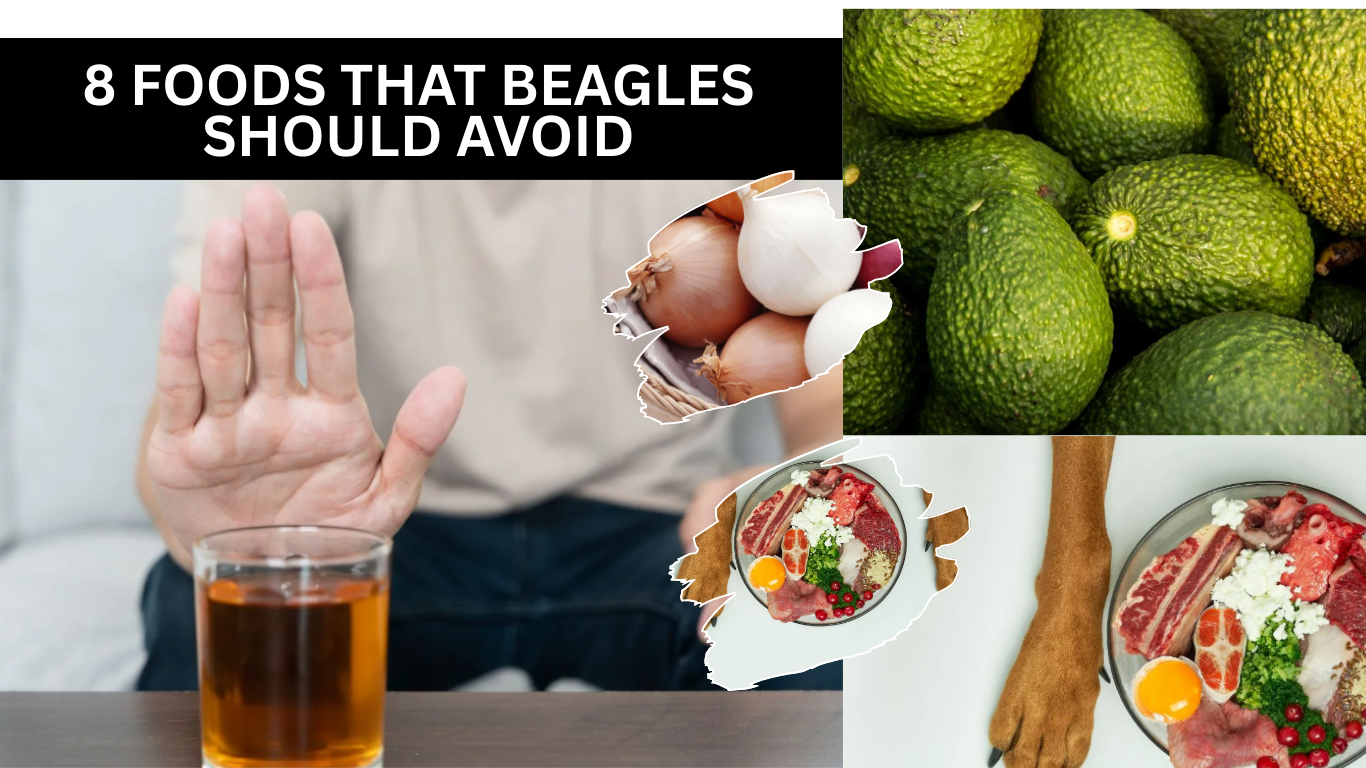
8 Foods That Beagles Should Avoid
Beagles are famous for their friendly personality, endless curiosity, and strong sense of smell. If you live with one, you already know that food is never just food to a Beagle — it’s a mission. They explore with their nose first and their mouth second, which is why food safety matters so much with this breed. Many common household foods that seem harmless to humans can cause serious harm to a Beagle’s body, sometimes within hours.
Understanding which foods are unsafe is one of the most important responsibilities of being a Beagle owner. Preventing accidental exposure doesn’t just avoid vet visits; it can save your dog’s life. Below are the foods that should never be part of a Beagle’s diet, along with clear explanations of why they are dangerous and what can happen if your dog eats them.
Chocolate

Chocolate is one of the most dangerous foods for Beagles, and even experienced dog owners sometimes underestimate just how serious it is. Chocolate contains two stimulants — theobromine and caffeine — that dogs cannot break down efficiently. A Beagle’s body processes these compounds very slowly, allowing them to build up to toxic levels.
Even a small amount can upset the digestive system, causing vomiting and diarrhea. As toxicity increases, the nervous system and heart become affected. You may notice rapid breathing, restlessness, shaking, or an unusually fast heartbeat. In severe situations, seizures or collapse can occur, and without fast treatment, the outcome can be fatal.
Dark chocolate and baking chocolate are especially dangerous because they contain much higher concentrations of theobromine. Because Beagles are smaller dogs with fast metabolisms, the margin for error is extremely small. Any suspected chocolate ingestion should be treated as an emergency.
Grapes and Raisins
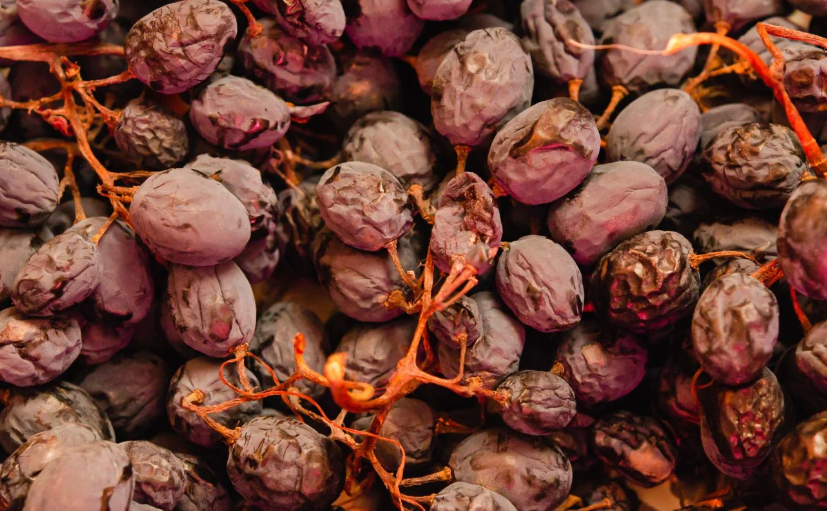
Grapes and raisins are deceptively dangerous. They look like simple fruit snacks, but for Beagles, they are one of the most unpredictable and severe toxins. What makes them especially concerning is that no safe amount has ever been identified. One dog may eat several grapes and show mild symptoms, while another may suffer kidney failure after only one or two.
After ingestion, early signs often include vomiting, diarrhea, loss of appetite, and extreme lethargy. As the condition progresses, the kidneys can begin to fail, preventing the body from filtering waste properly. Once kidney failure sets in, the situation becomes life-threatening very quickly.
Because the toxic compound in grapes and raisins is still unknown, prevention is the only reliable protection. If a Beagle has access to these foods, immediate veterinary care is essential.
Onions and Garlic
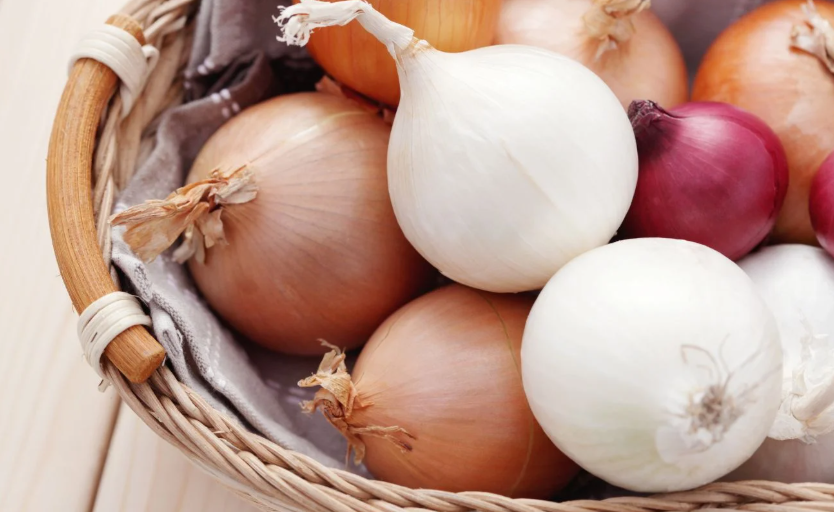
Onions and garlic are dangerous to Beagles in every form — raw, cooked, dried, or powdered. They contain compounds that damage red blood cells, reducing the body’s ability to transport oxygen. Over time, this can lead to hemolytic anemia, a serious and sometimes delayed condition.
Symptoms don’t always appear immediately. Weakness, pale gums, vomiting, rapid breathing, and fatigue may develop over several days. Because Beagles are food-motivated, they often consume leftovers, soups, sauces, or seasoned meats that contain onion or garlic without anyone noticing.
The risk is cumulative. Small amounts eaten repeatedly can be just as harmful as a single large exposure. For safety, any food seasoned with onion or garlic should never be shared with a Beagle.
Avocado
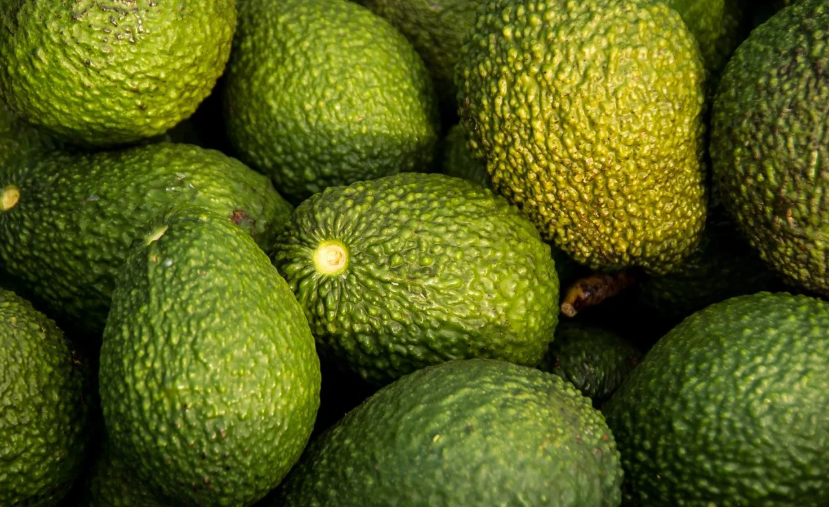
Avocado contains a natural compound called persin, which dogs tolerate poorly. While the flesh contains lower levels, the skin, leaves, and pit are much more concentrated and pose significant risks.
Digestive upset is the most common reaction, including vomiting, diarrhea, and abdominal discomfort. The pit is an additional hazard, especially for Beagles, who are known to swallow objects without chewing thoroughly. A swallowed pit can cause choking or intestinal blockage, often requiring surgical intervention.
Because avocado offers no nutritional benefit to dogs and carries multiple risks, it’s safest to keep it completely out of reach.
Alcohol
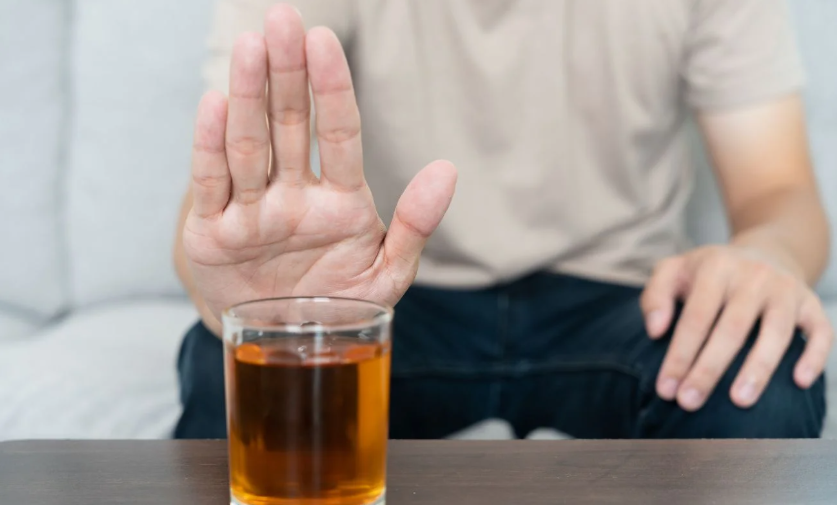
Alcohol affects dogs far more intensely than humans. Even a small amount can overwhelm a Beagle’s system due to their size and sensitivity. Alcohol depresses the nervous system, interferes with breathing, and disrupts blood sugar and body temperature regulation.
Signs of alcohol exposure include vomiting, loss of coordination, tremors, slow or labored breathing, and extreme weakness. In severe cases, alcohol poisoning can lead to coma or death.
Alcohol can appear in unexpected places, including desserts, fermented foods, and spilled drinks. Any exposure should be treated as an emergency requiring immediate veterinary care.
Xylitol
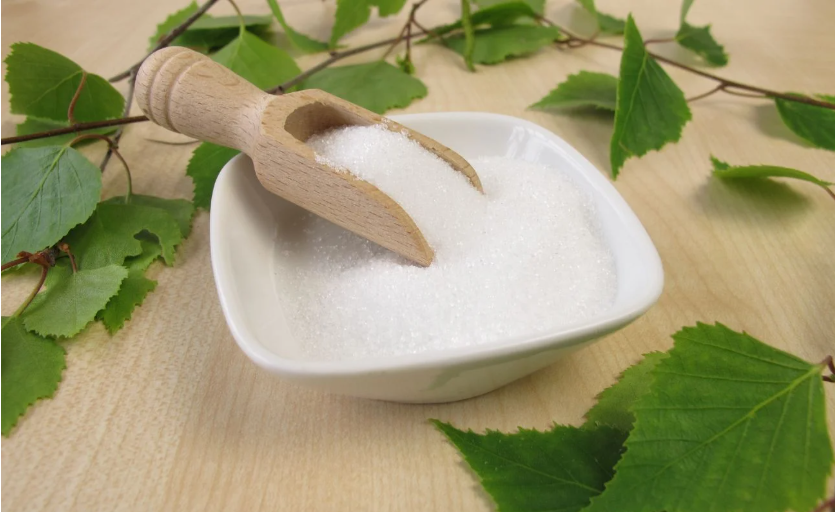
Xylitol is one of the most dangerous substances a Beagle can ingest. This artificial sweetener is commonly found in sugar-free gum, mints, baked goods, dental products, and some peanut butter brands.
When a dog eats xylitol, the body releases a massive amount of insulin, causing blood sugar to drop rapidly. This can happen within minutes. Early symptoms include vomiting, weakness, disorientation, and difficulty standing. As toxicity progresses, seizures and liver failure may develop.
The most alarming part is how little it takes. Even trace amounts can be fatal. Reading labels and storing xylitol-containing products securely is non-negotiable for Beagle owners.
Cooked Bones

Cooked bones may seem like a natural treat, but they are extremely unsafe. Cooking changes the structure of bones, making them brittle and prone to splintering. When a Beagle chews on a cooked bone, sharp fragments can break off and cause severe internal injuries.
These splinters can lodge in the mouth or throat, puncture the stomach or intestines, or cause blockages that stop digestion completely. These injuries often require emergency surgery and can become life-threatening.
If bones are offered at all, they must be raw, appropriately sized, and always supervised — but cooked bones should never be an option.
Fatty Foods

Beagles are especially prone to digestive sensitivity and weight gain, making fatty foods particularly risky. Foods like bacon, sausage, fried items, and greasy leftovers can trigger pancreatitis, a painful inflammation of the pancreas.
Pancreatitis causes intense abdominal pain, vomiting, diarrhea, dehydration, and lethargy. In severe cases, it can lead to organ failure and requires hospitalization. Even a single fatty meal can be enough to trigger an episode.
Keeping fat intake controlled is essential not just for digestion, but also for long-term joint health and weight management.
Feeding a Beagle the Right Way
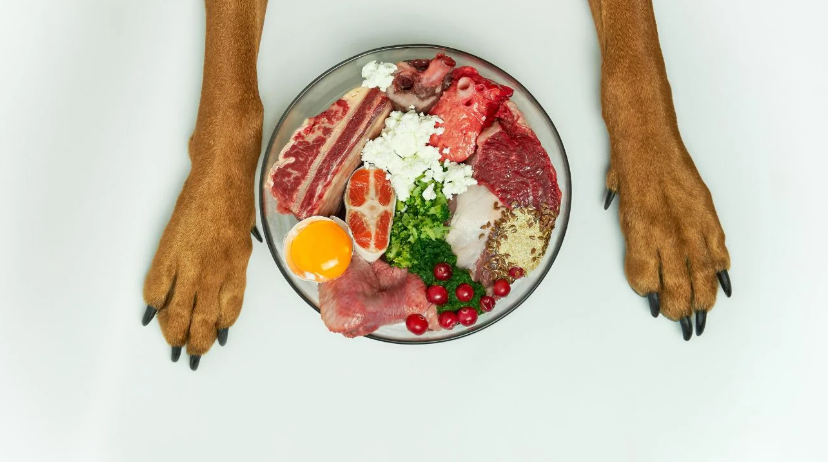
A Beagle thrives on consistency, balance, and quality nutrition. Their diet should support their active nature without encouraging overeating, which this breed is especially prone to.
High-quality dog food with real protein sources should form the foundation of their meals. Protein supports muscle strength and energy, while controlled portions help prevent obesity. Healthy fats contribute to skin and coat health when provided in appropriate amounts.
Complex carbohydrates such as rice, oats, and sweet potatoes provide steady energy without causing sharp blood sugar spikes. Safe fruits and vegetables add fiber, vitamins, and antioxidants, offering nutritional variety without unnecessary calories.
Fresh water should always be available. Hydration plays a major role in digestion, circulation, and temperature regulation.
Final Thoughts of 8 Foods That Beagles Should Avoid
Living with a Beagle means accepting that food safety is a daily responsibility. Their curiosity, appetite, and determination make them more vulnerable to dietary dangers than many other breeds. Knowing what foods to avoid — and why — gives you the power to protect them every single day.
When in doubt, caution is always the better choice. If something isn’t clearly safe, it doesn’t belong in a Beagle’s bowl. Consistent nutrition, careful food handling, and regular veterinary checkups work together to keep your Beagle healthy, active, and thriving for years to come.