6 Foods Your Vet Wishes You Would Add to Your Dog Bowl
Snickers, my little four-legged food critic, has always made mornings interesting. Picture him sprawled belly-up on the kitchen floor, one ear flopped inside out, while I chop chicken like I’m preparing a Michelin-star meal. I’ve been cooking his meals from scratch for a while—chicken, rice, occasional sweet potato mash. It worked, but his coat seemed dull and energy a bit off.
Save For Later
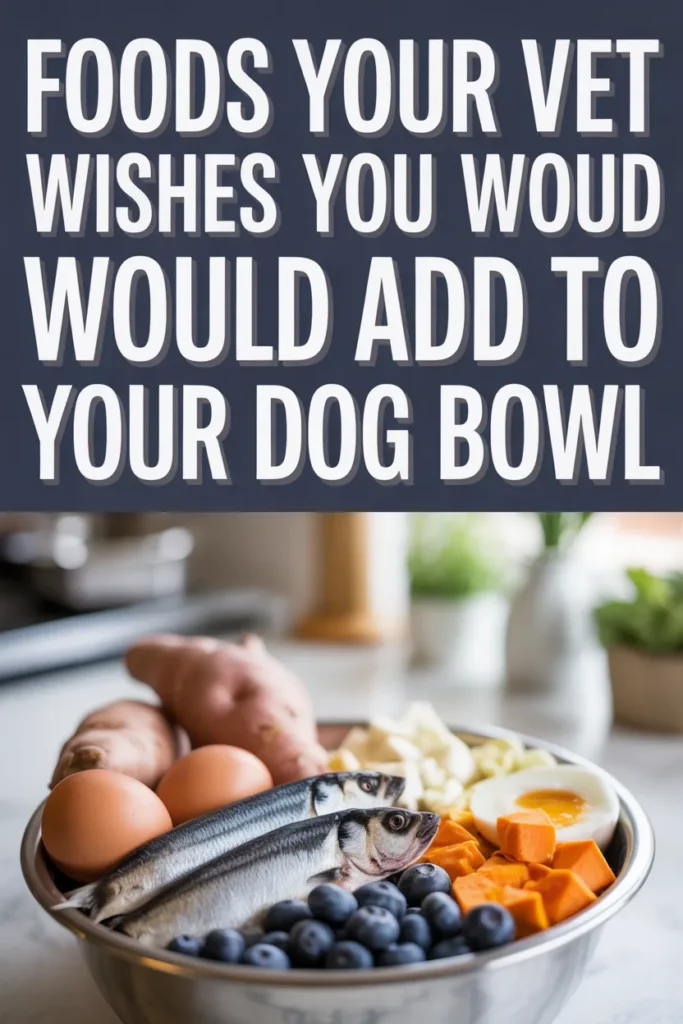
During his annual checkup, my vet asked if I was adding anything beyond the basics. I wasn’t. She suggested a handful of whole foods I could mix into his meals—no pricey supplements, just real, everyday ingredients. Adding them changed everything: his coat shines, energy is up, and I barely spent extra time prepping.
Key Takeaways:
- Six whole foods can dramatically boost your dog’s nutrition.
- Most are affordable, easy to serve, and loved by dogs.
- Supports coat health, heart, joints, digestion, and antioxidants.
Why These 6 Foods Matter
These aren’t random “trendy” ingredients. They came straight from veterinary guidance and research.
- Nutritional gaps: Homemade meals are great but often miss essential micronutrients. These foods fill those gaps naturally.
- Breed-specific support: Heart health, joints, weight management—these foods target weak spots for many breeds.
- Easy and affordable: No specialty stores or complicated prep. Most cost just a few dollars and last weeks.
- Dogs love them: No fighting to get your dog to eat these—they inhale them.
1. Sardines
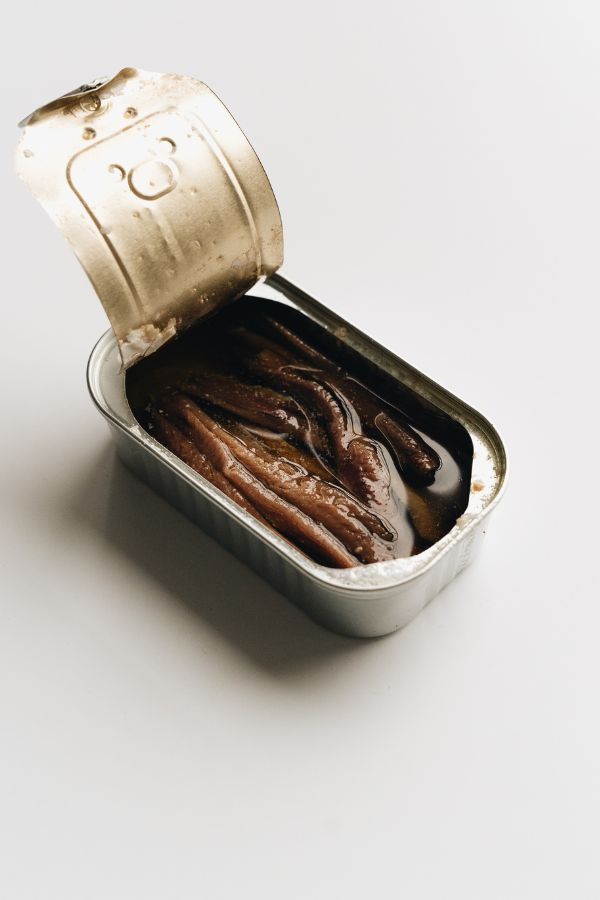
Sardines blew me away. My vet didn’t suggest fish oil capsules—just the actual fish. A small can packed in water has about 1,800 mg of omega-3s (EPA + DHA), vitamin B12, vitamin D, selenium, and CoQ10.
A 2021 PLOS One study on 29 dogs with heart conditions found those getting omega-3s had nearly three times lower risk of arrhythmias. Forty percent of the control group worsened, while 40% of the omega-3 group stayed stable. Sardines provide natural, easily absorbed omega-3s with minimal mercury risk.
Pro Tip: Freeze individual sardines in small portions and use them as meal toppers—this keeps them fresh, controls portions, and makes it easy to add omega-3s without overfeeding.
Serving Tips:
- Use canned sardines in water, drained, no seasonings.
- Feed 1-2 times per week: small dogs 1-2 sardines, medium 2-3, large 4-5.
- Store leftovers in the fridge up to 4 days or freeze for months.
2. Blueberries
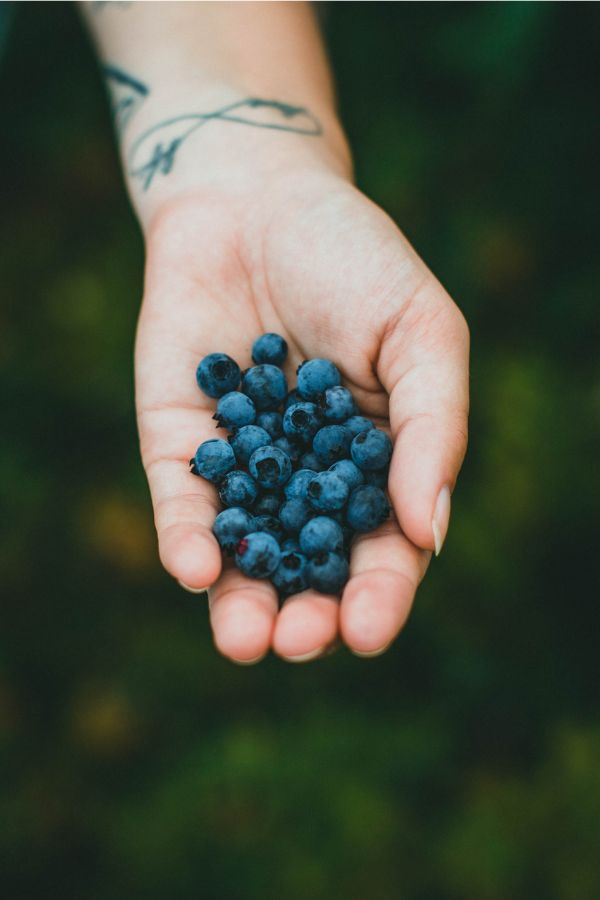
I always thought blueberries were just cute snacks. Turns out they’re powerful antioxidants. Anthocyanins neutralize free radicals, slowing aging and supporting cellular health. A 2025 study showed dogs fed blueberries had improved overall wellness without nutrient absorption issues.
They’re almost calorie-free—1 per berry—and perfect for weight-conscious dogs. Frozen or fresh works; Snickers crunches them like candy.
Serving Tips:
- Wash thoroughly; cut for small dogs.
- Small dogs: 2-3 berries, medium: 5-10, large: 10-15.
- Can serve daily. Start small and monitor stools.
3. Pumpkin
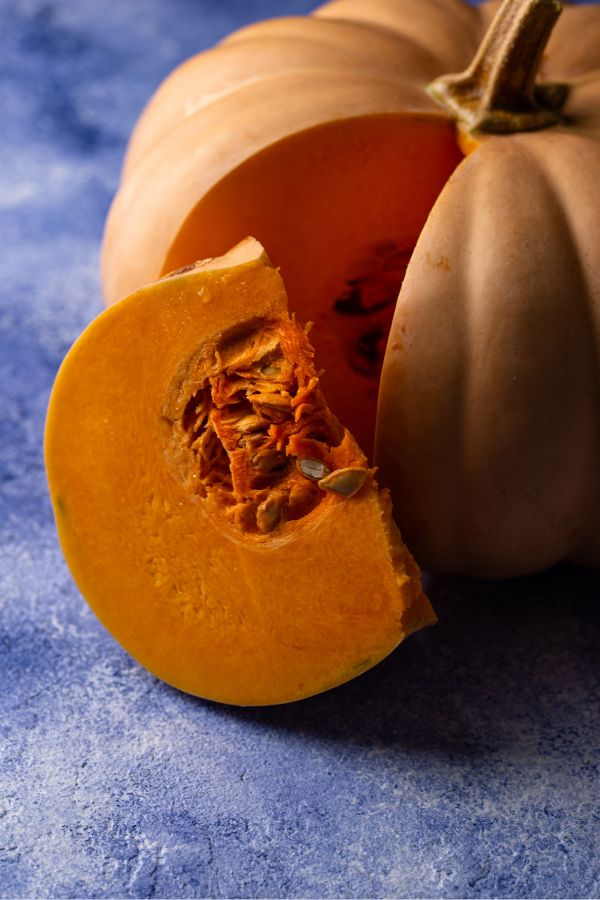
Pumpkin isn’t just for upset tummies. Its soluble fiber balances digestion: soothes diarrhea, eases constipation, and feeds gut bacteria. It also has beta-carotene, vitamins A, C, E, potassium, iron, and folate—all for ~26 calories per 100 grams.
Serving Tips:
- Use 100% pure canned pumpkin, not pie filling.
- Small dogs: 1 tsp, medium: 1 tbsp, large: 1-2 tbsp.
- Safe daily; freeze leftovers in cubes for up to 3 months.
4. Eggs
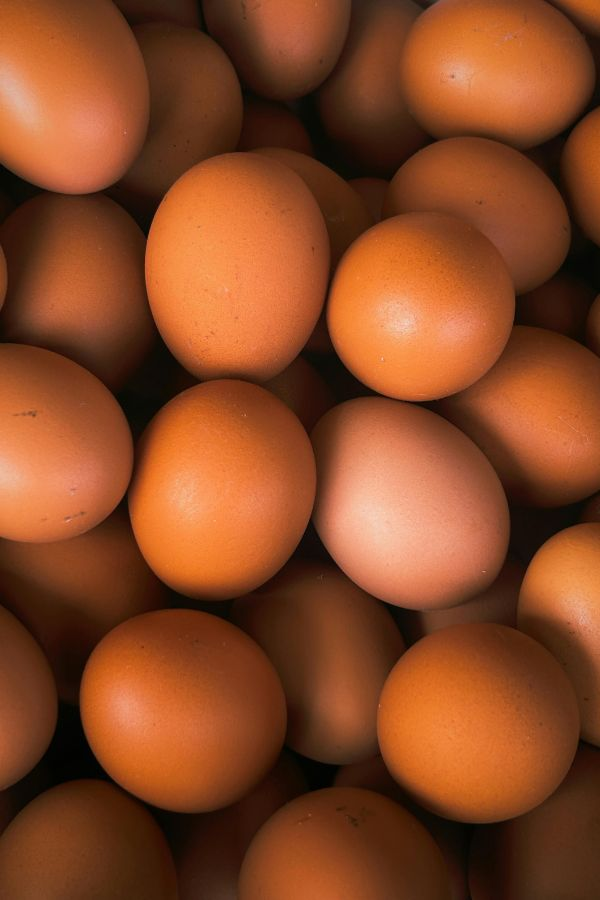
Eggs are protein powerhouses—6 grams of complete protein per large egg. They provide highly absorbable selenium, choline, lutein, and vitamins A, D, and B. Dogs absorb nutrients from whole eggs better than synthetic versions.
Serving Tips:
- Always cook: boiled or scrambled, no oil, butter, or salt.
- Feed 2-3 times/week: small 1/4–1/2 egg, medium 1/2–1 egg, large 1 whole egg.
- Avoid raw eggs due to Salmonella and biotin issues.
5. Bone Broth
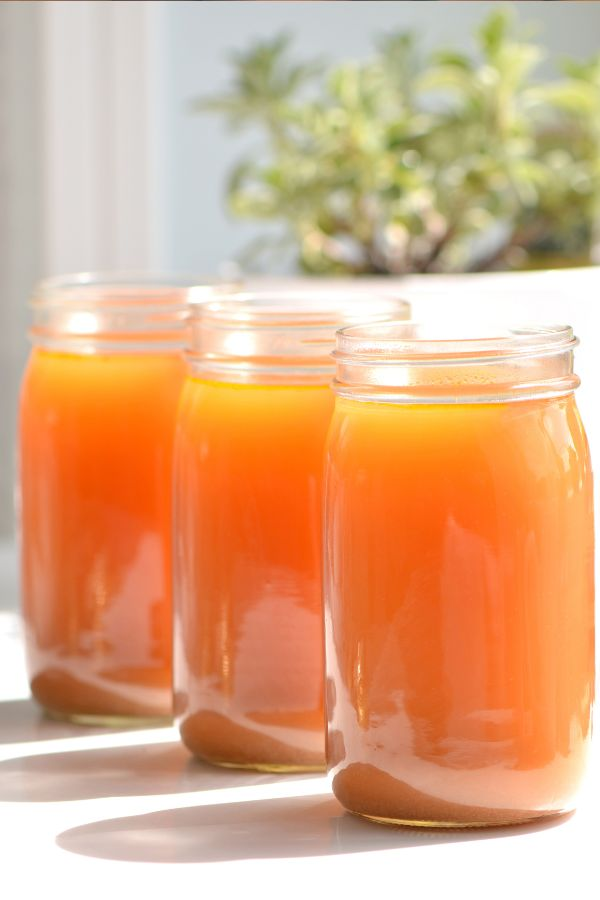
Bone broth is liquid gold. Simmer bones 12-24 hours, and you get collagen, glucosamine, chondroitin, hyaluronic acid, and glycine—supporting joints, liver, and gut. Homemade is essential; human broth is too salty and toxic.
Serving Tips:
- Simmer bones with water and apple cider vinegar, no salt or seasoning.
- Strain and cool, removing fat.
- Serve small dogs 2-4 tbsp, medium 1/3–1/2 cup, large 3/4–1 cup.
- Freeze in cubes for up to a year.
6. Sweet Potatoes
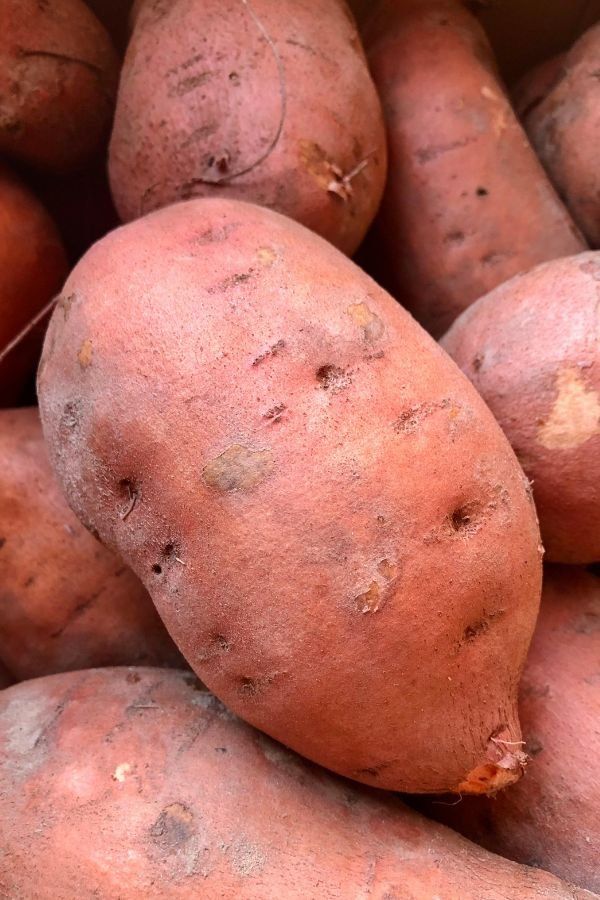
Sweet potatoes are rich in beta-carotene, converted to vitamin A as needed—safer than supplements. They also provide vitamin C, B6, manganese, potassium, and fiber. Bake, mash, and mix into meals.
Serving Tips:
- Cook fully; remove skin.
- Small dogs 1-2 tsp, medium 1-2 tbsp, large up to 1/4 cup.
- Feed a few times per week due to natural sugars.
Quick Reference: Serving Guide
| Food | Small Dog | Frequency | Benefits |
|---|---|---|---|
| Sardines | 1-2 fish | 1-2x/week | Heart, coat, joints |
| Blueberries | 2-3 berries | Daily | Antioxidants, brain |
| Pumpkin | 1 tsp | Daily | Digestion, weight |
| Eggs | 1/4–1/2 egg | 2-3x/week | Protein, coat, eyes |
| Bone Broth | 2-4 tbsp | Daily | Joints, gut, hydration |
| Sweet Potatoes | 1-2 tsp | Few times/week | Vitamin A, fiber |
Back to the Kitchen Floor
Snickers still judges my every chop, but now his coat shines, energy is high, and bloodwork looks great. Six simple foods, minimal effort, big results. My favorite part? Seeing him nudge his empty bowl, happy and healthy.
I’m a dog lover and home cook, not a vet. Always check with your veterinarian before starting a long-term homemade diet.
All content on this site is written and reviewed by our experienced team to ensure it is accurate, reliable, and helpful for our readers. Our Our Process page explains how we carefully research and create high-quality content, while our Team page introduces the professionals behind our work. We also provide clear guidelines for content or image concerns on our Image Removal page, so you can trust that we prioritize transparency, quality, and reader safety.