
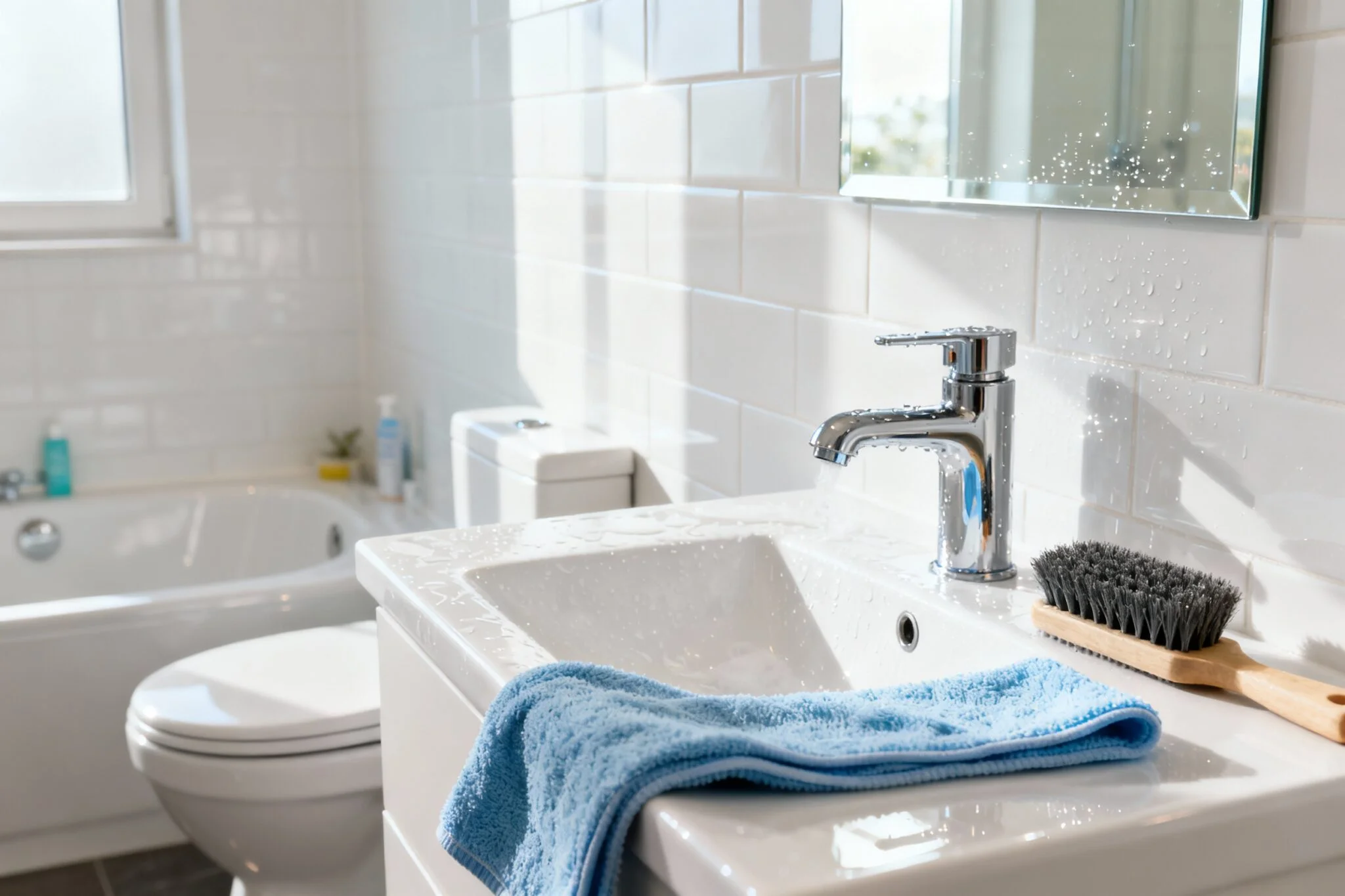
Genius Bathroom Cleaning Hacks For A Fresher Home
A bathroom can either feel like a relaxing spa or like the inside of a gym locker bag—and the difference usually comes down to a few smart cleaning habits. Over the years, while most of my professional experience has been working with dogs and maintaining extremely clean grooming areas, I learned that bathroom hygiene and grooming hygiene follow the same rule: control odors, remove buildup, and clean in the right order.
When you work around dogs for more than 20 years like I have, you develop a sharp nose for cleanliness. Grooming stations, washing tubs, and drying areas must stay spotless every day, otherwise smells build up quickly. The same approach works perfectly in a home bathroom.
Key Takeaways
• Start with air circulation and odor removal before deep cleaning
• Baking soda and vinegar are powerful natural cleaners for drains and surfaces
• Always clean top to bottom to avoid spreading dirt
• Microfiber cloths reduce streaks and remove more bacteria than paper towels
• Bathrooms should get a quick daily reset and a deeper weekly clean
• Proper ventilation helps prevent mold and mildew growth
• Simple habits like wiping sinks daily can reduce cleaning time by up to 60%
Start With the Air: Odor Control That Actually Works
Most bathroom odors don’t come from where people expect. In my experience, smells often hide in drains, damp fabrics, and areas that stay humid.
Before deep cleaning, improving airflow makes a huge difference.
Vent, then deodorize
Open a window or run the exhaust fan for about 10 minutes before cleaning. Fresh air reduces moisture and allows cleaning products to work more effectively.
Refresh shower curtains and mats
Fabric shower curtains and bath mats trap moisture and bacteria. Wash them in the machine with a cup of white vinegar to remove odors and residue. Hang them up immediately after washing so they dry completely.
Drain detox
Drains are one of the biggest odor sources. Pour half a cup of baking soda followed by half a cup of white vinegar down the drain. Let it fizz for about 10 minutes, then rinse with hot water. This reaction helps break down grease, soap residue, and bacteria.
Quick Fix: Overnight Odor Trap
Sometimes the easiest cleaning tricks are the most effective.
Place a small bowl of baking soda behind the toilet overnight. Baking soda naturally absorbs odors from the air.
I’ve used this trick in grooming rooms where dogs are bathed daily, and it works surprisingly well for controlling lingering smells.
By morning, the air usually feels noticeably fresher.
Conquer the Toilet (Without Tears)
The toilet is often the most intimidating part of bathroom cleaning, but the process becomes simple when done in the right order.
Dry dust first
Use a dry cloth or microfiber towel to wipe the tank and lid. Hair and dust stick easily to bathroom surfaces, and wiping them dry first prevents smearing when liquid cleaners are applied.
Bowl treatment
Add toilet bowl cleaner or a simple mixture of vinegar and water. Swirl it around the bowl and allow it to sit while you clean the exterior surfaces.
Outside-in wipe-down
Use disinfectant wipes or a microfiber cloth with a disinfectant spray. Start with the tank, then move to the lid, seat, hinges, and finally the base and floor area around the toilet.
Cleaning from top to bottom prevents spreading bacteria.
Final scrub
Scrub under the rim of the bowl where mineral buildup and bacteria tend to hide. Flush afterward. For stubborn mineral stains, a pumice stone designed for toilets can help remove hard water lines.
Pro Hack: Brush Drying
One small detail many people overlook is the toilet brush itself.
After scrubbing, place the brush under the toilet seat so it hangs over the bowl and drips dry for about 10 minutes.
Then spray it lightly with disinfectant before placing it back in the holder.
This prevents that unpleasant smell that sometimes develops in damp brush containers.
Zero-Streak Glass and Mirrors
Clean mirrors and glass instantly make a bathroom feel brighter and larger.
Pre-clean spots
Remove toothpaste splatters or soap spots first using a damp microfiber cloth. This prevents spreading residue during the main cleaning.
Use the right mix
A simple solution works extremely well:
1 cup water
1 cup white vinegar
1 teaspoon dish soap
The soap cuts grease while vinegar removes mineral residue.
Wipe like a pro
Use a microfiber cloth and clean in an S-shaped motion from top to bottom. Finish with a dry section of the cloth to remove any streaks.
Shower Doors That Don’t Spot
Hard water spots are one of the most common bathroom frustrations.
The simplest solution is consistency.
After every shower, run a small squeegee over the glass while it’s still wet. It only takes about 5 seconds but prevents mineral deposits from forming.
In grooming rooms where water splashes constantly, this habit alone dramatically reduces cleaning time.
Shower and Tub: Soap Scum vs. Science
Soap scum forms when soap mixes with minerals found in hard water.
Acidic cleaners break it down effectively.
Two-ingredient powerhouse
Warm one cup of white vinegar and mix it with one cup of dish soap in a spray bottle. Spray the solution onto tiles, shower glass, and fixtures.
Let it sit for about 10 minutes before scrubbing with a non-scratch sponge.
For extra dirty grout
Make a paste with baking soda and water, apply it to grout lines, and then spray lightly with vinegar. The foaming action helps loosen grime.
Mineral stains
For stubborn stains, place vinegar-soaked paper towels directly on the affected area for about 20 minutes before scrubbing.
Showerhead Rescue
Mineral buildup inside showerheads can reduce water pressure.
Fill a plastic bag with vinegar and secure it around the showerhead using a rubber band.
Let it soak for 30–60 minutes, remove the bag, and run hot water through the showerhead. A toothbrush can help clear any remaining buildup from the nozzles.
In many cases, this simple fix restores water pressure immediately.
Sink, Counter, and Fixtures: The Shine Zone
Bathroom sinks collect toothpaste residue, soap, cosmetics, and dust every day.
Clearing clutter first makes cleaning faster.
Clear the counter
Remove everything before spraying cleaners so every surface can be wiped thoroughly.
Vacuum the crumbs
Using a small handheld vacuum around the faucet and drain removes hair and debris quickly.
Spray and dwell
Apply an all-purpose cleaner or a vinegar-water mix and allow it to sit for two to three minutes before wiping.
Detail the faucet
Wrap a vinegar-soaked paper towel around the faucet base to dissolve mineral buildup. Use a toothbrush to clean tight corners.
Rinse and buff
Rinse the sink and polish the fixtures using a dry microfiber cloth to achieve a polished finish.
If You Have Stone Countertops
Natural stone surfaces require different care.
Avoid acidic cleaners like vinegar or lemon juice because they can damage the stone.
Instead, use a pH-neutral stone cleaner and wipe surfaces dry after cleaning.
Sealing granite or marble about twice per year helps protect against stains and water marks.
Floors and Baseboards: The Forgotten Dirt
Dust, hair, and debris eventually settle on bathroom floors.
Dry sweep or vacuum first
Focus on corners, behind the toilet, and under cabinets where dust tends to collect.
Micro-mop with the right mix
Warm water with a small amount of dish soap works well for tile or vinyl floors. For deeper cleaning, oxygen bleach can help brighten grout.
Baseboard hack
Wiping baseboards with a dryer sheet removes dust and leaves a light anti-static coating that helps reduce future buildup.
Make It Stick: Tiny Habits That Keep It Fresh
From years of maintaining busy grooming spaces, I learned that small daily habits prevent large cleaning jobs later.
Two-minute rule
After brushing your teeth, wipe the sink and faucet quickly with a microfiber cloth.
Shower squeegee and fan
Squeegee glass after showering and run the exhaust fan for about 15 minutes to reduce humidity.
Weekly refresh kit
Keep a small cleaning caddy in the bathroom with basic supplies so cleaning never requires searching through the house.
Laundry rotation
Replace hand towels every 2–3 days and bath towels every 3–4 uses. Towels trap moisture and bacteria quickly.
Mildew Prevention 101
Bathrooms are naturally humid environments, which makes them ideal places for mildew growth.
Leaving the bathroom door slightly open after hot showers improves airflow.
Avoid storing bottles tightly together in corners where water collects.
If mildew appears on caulk, apply a paste of oxygen bleach and water, allow it to sit for 15 minutes, then rinse and dry the surface.
If the caulk is badly stained, replacing it may be the best solution.
Eco and Budget-Friendly Swaps
Effective cleaning doesn’t require expensive products.
DIY all-purpose cleaner
Mix two cups of water, one cup of vinegar, and one teaspoon of dish soap. Optional essential oils like tea tree or lemon can add fragrance.
Reusable tools
Microfiber cloths capture more dirt and bacteria than paper towels and can be washed hundreds of times.
Targeted splurges
If you invest in anything, choose a quality squeegee and a toilet pumice stone. These tools dramatically reduce cleaning time.
FAQ
How do I get rid of that persistent urine smell around the toilet?
Clean the floor and baseboards around the toilet thoroughly, including the hinges and underside of the seat. Enzyme-based cleaners are especially effective for breaking down odor-causing bacteria. If smells persist, the wax ring under the toilet may need replacement.
What’s the safest way to clean if I have natural stone surfaces?
Use a pH-neutral stone cleaner with a soft cloth. Avoid acidic products such as vinegar or lemon. Sealing stone surfaces twice per year helps prevent staining.
Can I mix vinegar and bleach for extra power?
No. Mixing vinegar and bleach produces toxic chlorine gas, which can be dangerous. Always use these products separately with good ventilation.
How often should I deep-clean the bathroom?
A quick daily wipe-down combined with a weekly 20–30 minute cleaning session keeps most bathrooms in excellent condition. A deeper clean once a month can focus on grout, vents, and hidden areas.
What’s the best way to clean grout without wrecking it?
Use oxygen bleach or a baking soda paste with a soft brush. Avoid metal brushes or strong acids that may damage grout lines. Sealing grout every 6–12 months helps prevent stains.
How do I stop mold on the shower ceiling?
Run the exhaust fan during showers and for at least 15 minutes afterward. Wipe away condensation when it appears. If mold develops, clean the area with a diluted bleach solution and repaint using mildew-resistant paint.
Wrap-Up: A Fresher Bathroom Without the Drama
A clean bathroom doesn’t require hours of scrubbing or expensive tools.
The key is to tackle odors first, clean surfaces from top to bottom, and maintain small daily habits that stop grime from building up.
After decades of maintaining clean environments around dogs and grooming stations, I’ve learned that consistent small efforts always beat occasional deep cleaning marathons.
With these simple cleaning hacks, your bathroom can stay fresh, bright, and comfortable every day.