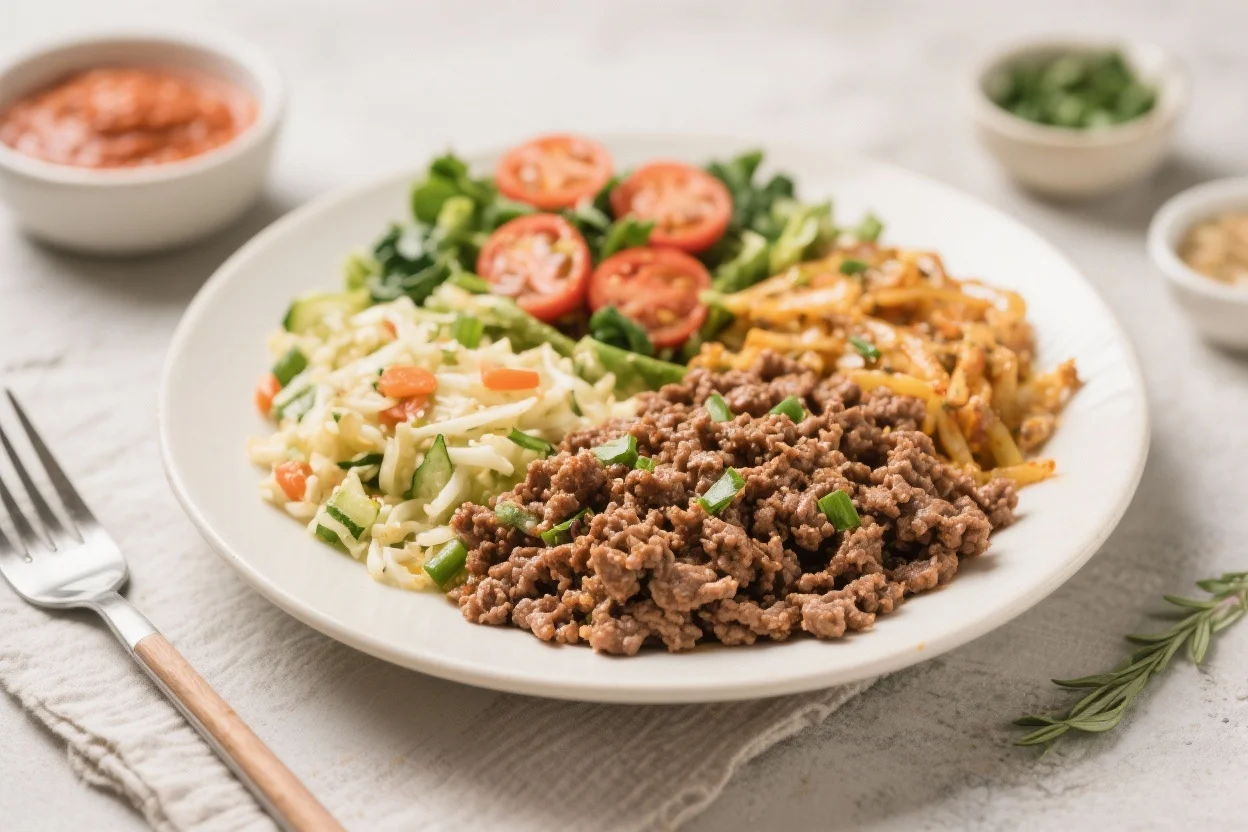
Ground Beef Protein DIY Dog Meal
If you’ve ever stood in your kitchen holding a scoop of kibble and wondered what’s really inside it, you’re not alone. I’ve been there too. You read the back of the bag, try to decode long ingredient lists, and still feel unsure. That’s usually the moment when making food at home starts to make sense. When you cook for your dog yourself, you see every ingredient go into the bowl. You know the quality. You control the freshness. And honestly, there’s something incredibly satisfying about watching your dog get excited over a meal you made with your own hands.
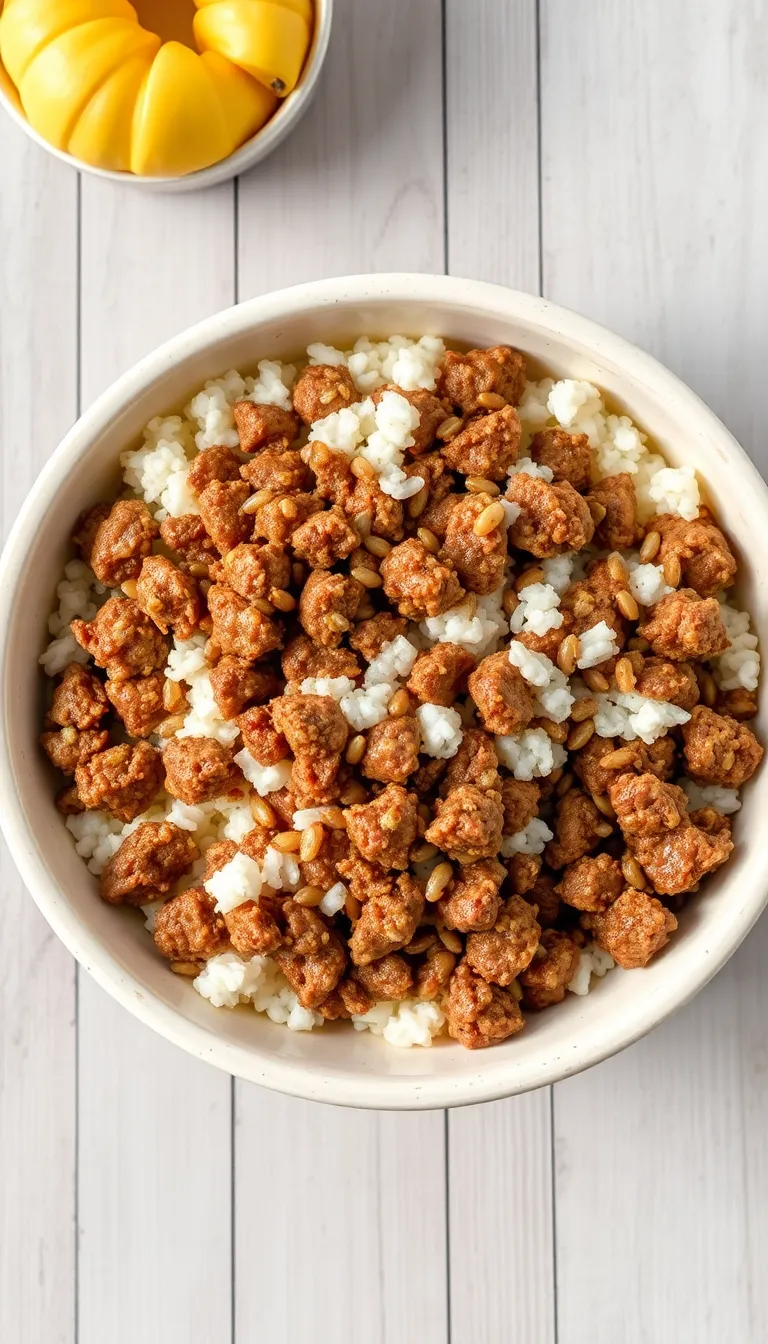
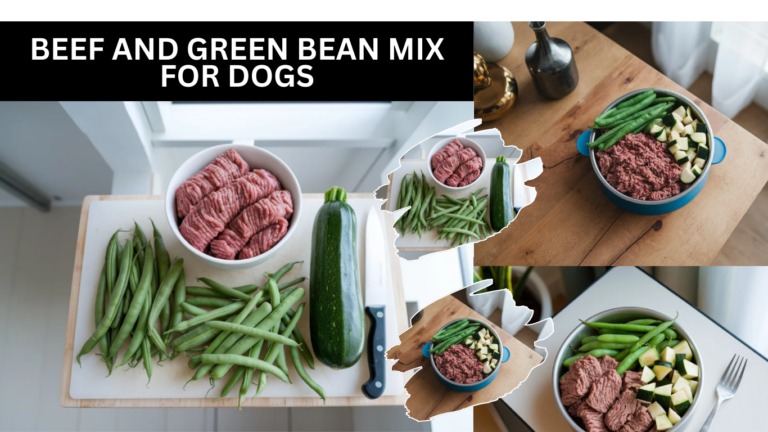
This Ground Beef Protein DIY Dog Meal keeps things simple. It’s built around lean beef for strong protein support, gentle carbohydrates for steady energy, and vegetables that actually benefit your dog’s digestion and overall health. You don’t need complicated techniques or hard-to-find ingredients. You just need real food, cooked properly, and balanced the right way.
It works whether you’re replacing kibble completely or just mixing in fresh food to upgrade your dog’s diet. The key is doing it correctly, especially when it comes to balance.
What Makes This Meal Nutritionally Solid
When you feed your dog, you’re not just filling a bowl. You’re supporting muscles, joints, skin, digestion, and long-term health. Every ingredient in this meal has a purpose.
Lean ground beef delivers complete protein. That means it contains the essential amino acids your dog’s body needs for muscle repair, immune strength, and tissue maintenance. Choosing beef that’s around 85–90% lean gives you the protein benefits without unnecessary excess fat.
Brown rice provides slow-burning energy. If your dog has a sensitive stomach, white rice can be easier to tolerate. Either way, properly cooked rice is gentle and helps keep digestion steady.
Carrots and green beans bring fiber and natural vitamins without loading the meal with extra calories. They also add texture, which helps many dogs feel more satisfied after eating.
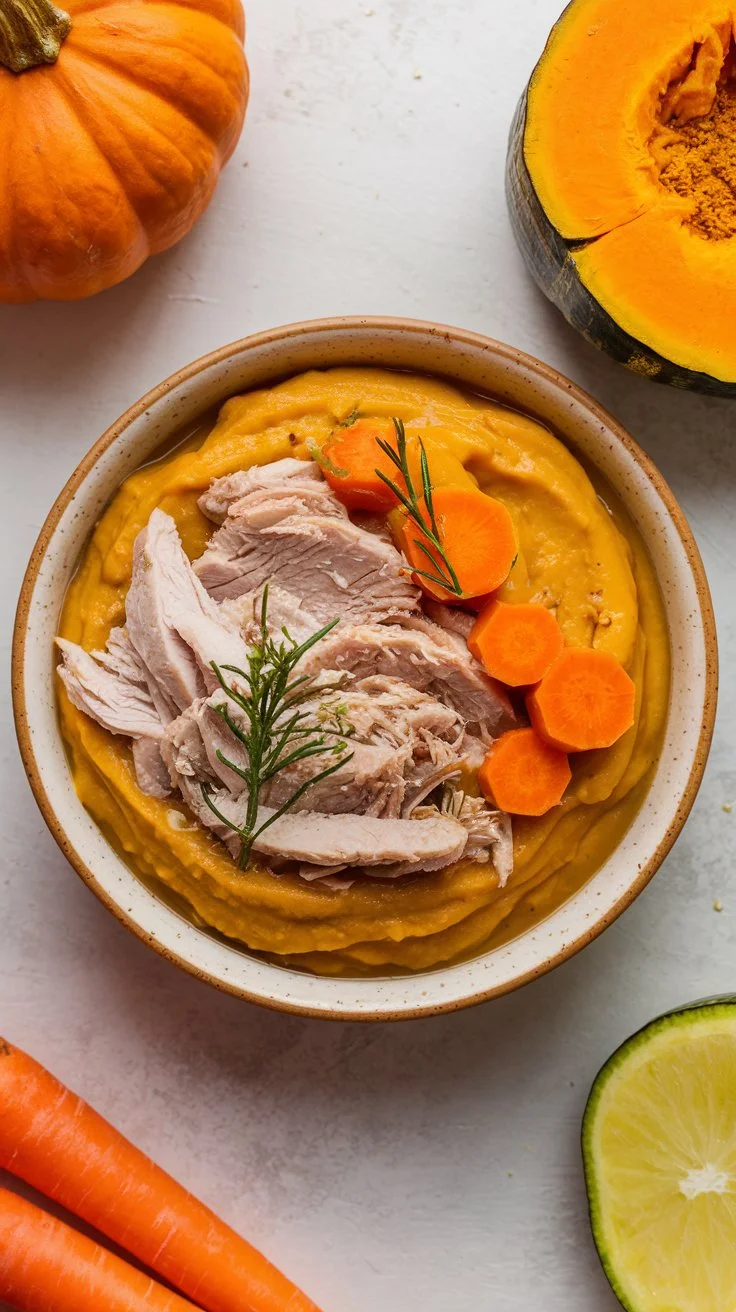
Pumpkin is one of my favorite additions. It supports regular digestion and can help with both loose stools and mild constipation when used in the right amount.
Healthy fats like olive oil or salmon oil support skin hydration and coat shine. If your dog has dry skin or dull fur, you’ll often notice improvement when balanced fats are added consistently.
And then there’s calcium. This is where many homemade meals go wrong. Meat contains phosphorus but very little calcium. If you don’t balance that properly, long-term bone and metabolic problems can develop. Adding finely ground eggshell powder or a veterinary-formulated calcium supplement corrects that imbalance and protects your dog’s skeletal health.
If you decide to include a dog-specific multivitamin, it can help cover trace minerals and micronutrients, especially if you plan to feed homemade meals regularly.
Ingredients You’ll Need
Protein Base
- 2 pounds lean ground beef (85–90% lean)
Carbohydrate Source
- 1 cup uncooked brown rice
(White rice can be used if your dog does better with it.)
Vegetables
- 1 cup finely diced carrots
- 1 cup chopped green beans (fresh or frozen)
- ½ cup plain, unsweetened pumpkin puree
Healthy Fats
- 2 tablespoons olive oil or salmon oil
Optional Add-Ins
- 2 large eggs for additional protein and choline
Essential Calcium
- 2 teaspoons finely ground eggshell powder per pound of cooked meat
or - A veterinary-formulated calcium supplement used according to its label
Optional Support
- Dog-specific multivitamin/mineral supplement
- Low-sodium bone broth or water for adjusting texture
Step-by-Step Cooking Instructions
Cook the Rice Properly
Start by rinsing the rice thoroughly under running water. This removes excess starch and helps prevent clumping. Combine it with measured water in a pot, bring it to a boil, then reduce the heat and let it simmer until fully tender. Brown rice takes longer than white rice, so give it enough time to soften completely. Once done, fluff it and let it cool slightly.
Prepare the Vegetables
Dice the carrots and chop the green beans into small, manageable pieces. Smaller pieces are easier for your dog to chew and digest, and they mix more evenly into the meal.
Cook the Beef Thoroughly
Place the ground beef in a large skillet over medium heat. Break it apart into small crumbles as it cooks. Do not add salt, onions, garlic, or any seasoning. Those are unnecessary and some are unsafe for dogs. Once fully cooked, drain off any excess fat if needed.
Lightly Steam the Vegetables
Steam the carrots and green beans just until tender. You want them soft enough for easy digestion but not overcooked to the point of losing texture and nutrients.
Cook the Eggs (If Using)
If you’re adding eggs, cook them completely. You can scramble them separately or mix them into the hot pan after removing the beef. Make sure they’re fully done before combining everything.
Combine Everything
In a large mixing bowl, combine the cooked beef, rice, vegetables, and pumpkin puree. Add the oil and mix thoroughly. If the mixture seems too thick or dry, add a small splash of low-sodium broth or water to reach your desired consistency.
Add the Calcium
Measure carefully and mix in the correct amount of calcium source. This step is not optional. It is essential for long-term nutritional balance.
Cool Before Storing
Let the entire mixture cool to room temperature before placing it into containers. Storing hot food can create condensation, which increases the risk of spoilage.
Portion the Meals Correctly
A common starting point for adult dogs is about 2–3% of their body weight per day, divided into two meals. For example, a 25-pound dog might begin around 8–12 ounces total per day. Adjust portions based on your dog’s activity level, age, and body condition. Monitor weight for a few weeks and make small adjustments as needed.
If you’re using a multivitamin, follow label instructions and serve it with the meal.
Storage and Freshness Guidelines
Store prepared food in airtight containers in the refrigerator for up to four days. For longer storage, freeze individual meal portions. Label them clearly with dates and portion sizes so you don’t have to guess later.
When serving from frozen, thaw overnight in the refrigerator. Reheat gently with a splash of water if needed. The food should be slightly warm, never hot. Avoid leaving any portion out at room temperature for more than two hours.
What You Should Never Do
Do not season the food. Ingredients like onions, garlic, and many spice blends are unsafe for dogs.
Do not skip calcium. An unbalanced meat-heavy diet can lead to serious health problems over time.
Do not include large eggshell pieces or bone fragments. If using eggshell powder, it must be finely ground.
Do not feed the exact same protein and vegetable combination forever. Rotating ingredients occasionally helps broaden nutrient exposure.
If your dog has kidney disease, liver issues, pancreatitis, or any chronic condition, always speak with your veterinarian before changing diets.
Ingredient Substitutions and Variations
If beef isn’t ideal for your dog, you can use ground turkey, chicken, or lean pork with similar fat content.
For carbohydrate alternatives, cooked sweet potato or quinoa can replace rice.
Vegetables such as peas, zucchini, lightly cooked spinach, or small amounts of broccoli can be introduced slowly to observe tolerance.
For additional omega-3 support, small sardines packed in water, flaxseed oil, or fish oil can be added carefully.
If you prefer not to use eggshell powder, a veterinary calcium supplement works well when used exactly as directed.
Frequently Asked Questions
How Much Should I Feed Daily?
Start at 2–3% of body weight per day and adjust according to activity level and body condition. Watch your dog’s weight over time and fine-tune portions gradually.
Can I Make It Without Rice?
Yes. Replace it with a similar amount of cooked sweet potato, pumpkin, or quinoa while keeping overall calorie balance in mind.
Is Ground Beef Safe?
Yes, when fully cooked and served plain. Lean cuts are best, and excess fat should be drained.
Is Calcium Really Necessary?
Absolutely. Without added calcium, long-term feeding can create serious imbalances affecting bones and metabolism.
Can Puppies Eat This?
Puppies have higher nutritional demands. The base recipe can work, but calcium, fat, and calorie levels often need adjustment. Professional guidance is strongly recommended for growing dogs.
What If My Dog Has Allergies?
Use proteins and vegetables your dog tolerates well. Introduce one new ingredient at a time and monitor for itching, digestive upset, or ear irritation.
How Long Does It Last?
Up to four days refrigerated or two to three months frozen. Always thaw in the refrigerator and never refreeze thawed portions.
Can I Add Fruit?
Yes, but in small amounts. Blueberries or seedless apple slices can be offered occasionally without overdoing sugar.
Do I Need a Multivitamin?
While not mandatory, a dog-specific multivitamin can help cover micronutrient gaps if you feed homemade meals consistently.
Final Thoughts of Ground Beef Protein DIY Dog Meal
When you prepare this meal correctly, you’re not guessing about what your dog is eating. You’re using real ingredients, cooking them properly, balancing them responsibly, and portioning them thoughtfully. Lean protein, digestible carbohydrates, supportive vegetables, essential calcium, and healthy fats all work together to create a complete, dependable foundation.
If you stay consistent, monitor your dog’s weight and energy levels, and adjust portions when necessary, this Ground Beef Protein DIY Dog Meal can become a reliable part of your feeding routine. And when you see that clean bowl and happy tail at mealtime, you’ll know exactly why you chose to make it yourself.