Ground Chicken & Peas Dog Meal For Dog – Simple, Protein-Packed
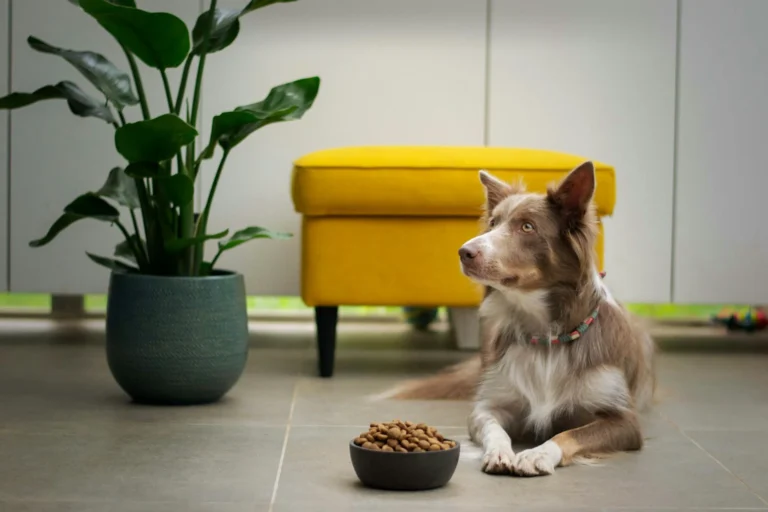
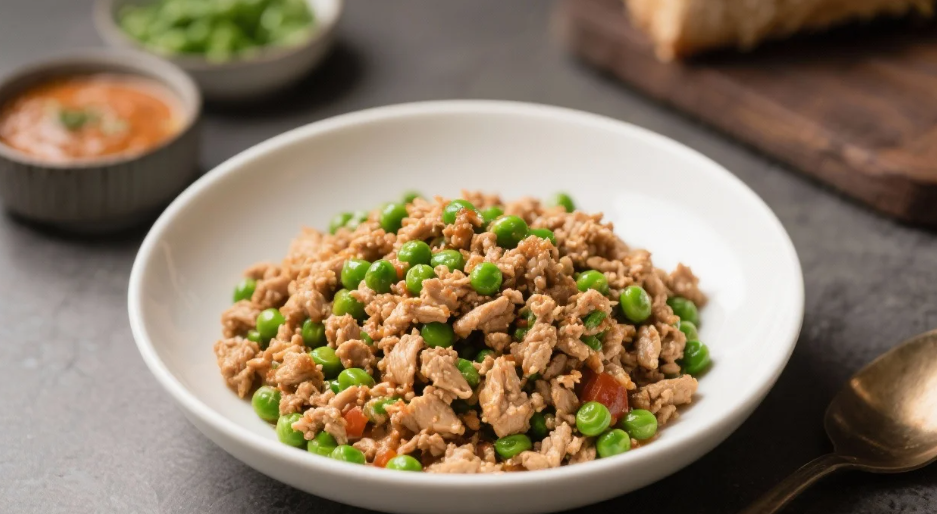
Cooking for your dog doesn’t have to be complicated. This recipe keeps things simple yet nourishing. It uses lean ground chicken, sweet peas, and a handful of gentle ingredients that are easy on your dog’s stomach. The beauty of making your dog’s meals at home is that you know exactly what’s going in there, which makes it healthy, tasty, and completely safe. If you’ve never cooked for your dog before, this is the perfect starting point because it’s straightforward, quick, and doesn’t require exotic ingredients.
This meal cooks fast, scales well if you want to make larger batches, and stores easily in the fridge or freezer. Always remember, if your dog has specific dietary needs or medical conditions, it’s smart to check with your vet before introducing new meals.
Ingredients You’ll Need
Here’s what you’ll need to make this wholesome dog meal:
- 1 lb (450 g) lean ground chicken – preferably 93% lean or leaner for easy digestion.
- 1 cup cooked rice – white rice is ideal for sensitive stomachs, but brown rice works if your dog tolerates more fiber.
- 1 cup peas – fresh or frozen, avoid canned or seasoned varieties.
- 1 tbsp olive oil or salmon oil – for healthy fats that support skin, coat, and joints.
- 1 large egg (optional) – fully cooked, adds extra protein and nutrients.
- 1/2 cup low-sodium chicken broth or water – for moisture.
- 1/2 tsp ground turmeric (optional) – natural anti-inflammatory, but only a small pinch.
- Calcium source – 1/2 tsp finely ground eggshell powder or a vet-approved supplement.
- Dog-safe multivitamin/mineral supplement (optional) – great for long-term feeding if recommended by your vet.
Note: Do not use onions, garlic, salt, or other seasonings. Keeping it plain is the safest way for your dog.
Step-by-Step Instructions
Prepare the Rice
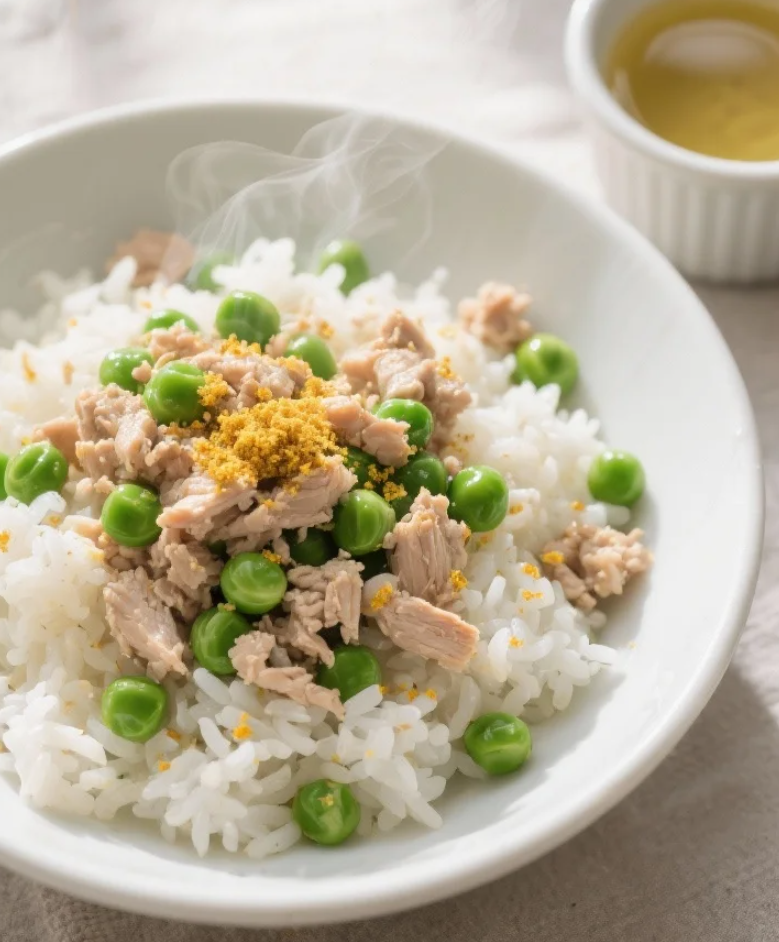
Start by cooking your rice according to the package instructions. Let it cool slightly and fluff it with a fork. White rice is gentle and easy on sensitive stomachs, while brown rice gives extra fiber. Choosing the right rice depends on your dog’s digestion and tolerance.
Brown the Chicken
In a nonstick skillet over medium heat, add the ground chicken and break it apart with a spatula. Cook until there’s no pink remaining, usually about 6–8 minutes. Drain any excess fat if needed, especially if your dog is prone to digestive upset. The chicken should be fully cooked but still moist to keep it appealing.
Add Peas and Moisture
Stir in the peas and your broth or water. Let everything simmer for 3–4 minutes until the peas are tender. If you’re using frozen peas, they’ll soften quickly. This step ensures that every bite has some moisture and the vegetables remain soft for easy digestion.
Cook the Egg (Optional)
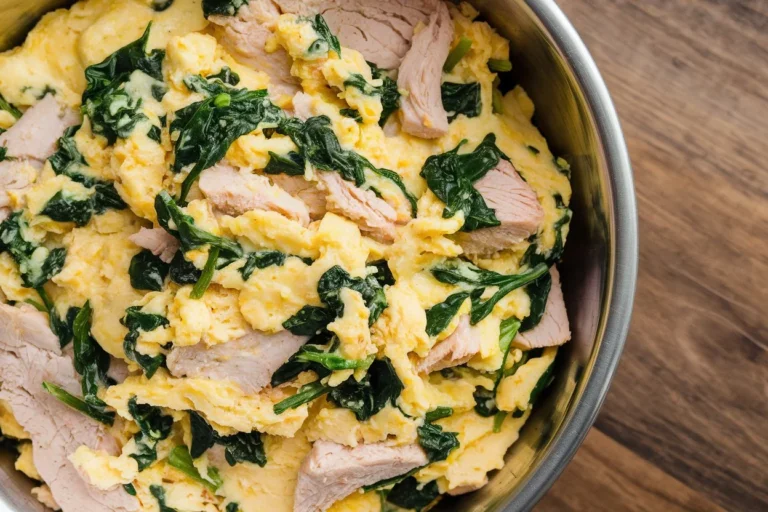
If you’re including an egg, push the chicken and peas to one side of the pan. Crack the egg into the empty space and scramble until fully cooked, then mix it in. Cooking the egg fully is important for digestibility and safety. It adds protein and nutrients like biotin, which support coat health.
Season Safely
If you want, sprinkle in a small pinch of turmeric for anti-inflammatory benefits. Do not add salt, pepper, garlic, or onion. Stir everything well so the flavors are evenly distributed without risking your dog’s health.
Add Healthy Fats
Once the cooking is done, remove the pan from heat and stir in your chosen oil. Adding oils after cooking preserves their nutrients and keeps the fats healthy for your dog. This step supports coat shine, joint health, and overall wellbeing.
Combine with Rice
Transfer the chicken mixture to a large bowl and fold it gently into the cooked rice until evenly combined. Let the mixture cool to room temperature before adding supplements or serving.
Add Calcium and Supplements
Once the food is cool, sprinkle in eggshell powder or your vet-approved calcium. If you’re including a multivitamin, follow the label or your vet’s guidance. Mix everything thoroughly to ensure each portion gets a balanced amount of nutrients.
Serve the Right Portion
As a general guideline, feed your dog about 2–3% of their body weight per day, split into two meals. Adjust according to your dog’s age, activity level, and body condition. Watching their weight and energy is the easiest way to make sure portions are right.
How to Store Homemade Dog Meals
Refrigerate in an airtight container for 3–4 days. Portion meals into containers or silicone trays and freeze for up to 2 months, labeling with the date. Thaw in the fridge overnight and warm gently until lukewarm. Never serve hot. If reheated portions appear dry, add a splash of warm water or low-sodium broth to make it easier to eat.
Why This Meal is Healthy for Your Dog
Making dog food at home gives you complete control over ingredients and nutrition. Ground chicken provides high-quality protein for strong muscles, while peas offer fiber, vitamins, and a touch of natural sweetness. Rice is easy to digest and gives energy without upsetting the stomach. Healthy fats from olive or salmon oil help with coat shine, skin health, and joint support, and calcium ensures strong bones. When paired with a multivitamin, this meal can form part of a balanced, long-term feeding plan that keeps your dog healthy, happy, and energized.
Pitfalls to Avoid
Skipping calcium can lead to long-term mineral imbalances. Never add unsafe seasonings like onion, garlic, or salt. Too much fat from oils or chicken skin can upset digestion or trigger pancreatitis. Homemade meals are often calorie-dense, so watch portions carefully. If your vet has suggested limiting peas, substitute with carrots, green beans, or zucchini. Eggs must always be fully cooked to avoid digestive issues.
Recipe Variations You Can Try
For a low-grain option, swap rice with riced cauliflower or extra veggies. You can use ground turkey or lean beef instead of chicken, just drain excess fat. Carrots, zucchini, or pumpkin puree can replace some or all of the peas. For omega-3 benefits, use salmon oil or add ground flaxseed. Unsalted, onion-free bone broth can replace water for extra flavor. A small pinch of parsley can freshen your dog’s breath.
Frequently Asked Questions
Can I Feed This Every Day? Yes, as long as calcium and a multivitamin are included. Discuss your dog’s long-term feeding plan with a vet to ensure nutrient balance.
How Much Should I Feed My Dog? Start with 2–3% of body weight per day, split into two meals. For example, a 20 lb (9 kg) dog may eat 6–9 ounces (170–255 g). Adjust according to activity, age, and body condition.
Are Peas Safe for All Dogs? Most dogs tolerate peas, but if your vet advises limiting legumes, reduce the amount and use alternatives like carrots or green beans. Always monitor digestion.
Can I Use Brown Rice Instead of White? Yes. Brown rice adds fiber and nutrients, but dogs with sensitive stomachs may prefer white rice.
Do I Have to Add Eggs? No, eggs are optional. They add protein and biotin but must be fully cooked.
What if My Dog Has Chicken Allergies? Swap the chicken with a safe alternative like turkey, lean beef, or vet-approved protein. Keep the cooking method the same.
Can I Make This in Bulk? Absolutely. Double or triple the recipe, portion it, and freeze for future use. Thaw in the fridge and serve lukewarm.
Do I Need to Add Salt? No. Dogs don’t need salt, and it’s safer to avoid salted or seasoned ingredients.
How Do I Know if the Portion is Right? Monitor your dog’s weight, stool, and energy levels. Reduce or increase portions as needed. Regular weigh-ins are helpful.
Can Puppies Eat This? Yes, but puppies have higher calcium and energy needs. Work with your vet to ensure proper nutrient balance or use a growth-formulated supplement.
Final Thoughts of Ground Chicken & Peas Dog Meal For Dog
This Ground Chicken & Peas Dog Meal is simple, quick, and completely customizable. With the right balance of protein, veggies, healthy fats, calcium, and optional multivitamins, it can become a reliable daily meal or a nutritious topper for kibble. Proper portioning, safe storage, and ingredient tweaks make it a recipe that keeps your dog healthy, happy, and excited for mealtime. A little planning and preparation go a long way toward giving your dog a delicious and wholesome homemade diet.