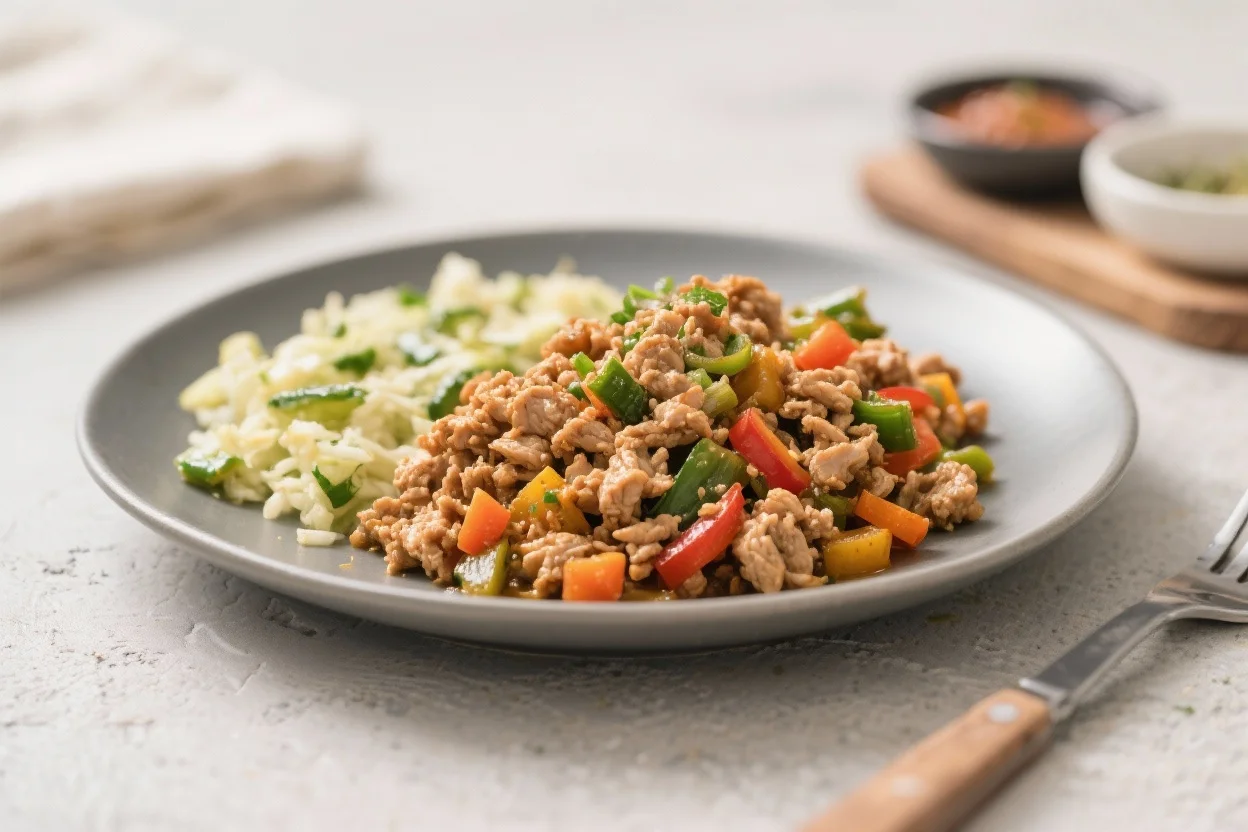
DIY Dog Meal – Ground Chicken & Veggies Recipe
If you’re looking for a homemade dog meal that’s easy, affordable, and full of wholesome ingredients, this ground chicken and veggies recipe is a perfect choice. It’s straightforward to prepare, requires minimal equipment, and uses ingredients you can find at any grocery store. Most dogs find it delicious, and it’s comforting to know exactly what’s in their bowl.
This meal works well as a base for regular feeding, though it’s not a complete vet-formulated diet by itself. You can safely include it in your dog’s routine with the right supplements and attention to portioning. Always check with your vet if your dog has specific dietary needs or health conditions.
Prep and Cooking Times
Prep Time: 15 minutes
Cook Time: 25 minutes
Total Time: 40 minutes
Servings: 4
This makes it perfect for a quick weekday meal or for batch cooking. You can easily double the recipe and freeze portions for stress-free feeding over the week.
Ingredients You Will Need
- 2 pounds ground chicken (preferably 93% lean or similar)
- 1 cup white rice or quinoa, cooked (approximately 3 cups cooked)
- 1 cup finely chopped carrots
- 1 cup finely chopped green beans or zucchini
- 1/2 cup peas (fresh or frozen)
- 1 tablespoon olive oil or salmon oil
- 1/2 cup low-sodium chicken broth or water (for moisture)
- Optional: 1 large egg, scrambled in the pan
- Optional: 1 teaspoon ground turmeric for a gentle anti-inflammatory boost
- Essential: A complete canine multivitamin/mineral supplement and a calcium source suitable for homemade diets. Follow product directions carefully.
This combination ensures your dog gets lean protein, digestible carbs, and fiber, while the optional ingredients add extra nutritional benefits.
How to Make It
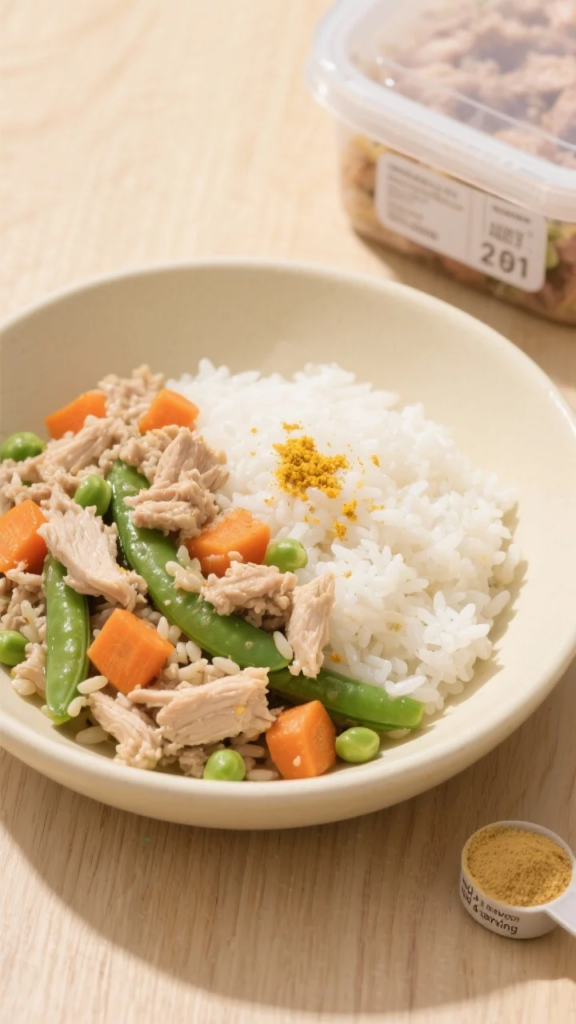
1. Cook the Carb
Start by preparing your rice or quinoa according to package instructions. Once cooked, set it aside to cool completely. This helps prevent the chicken and veggies from becoming soggy when mixed later.
2. Sauté the Chicken
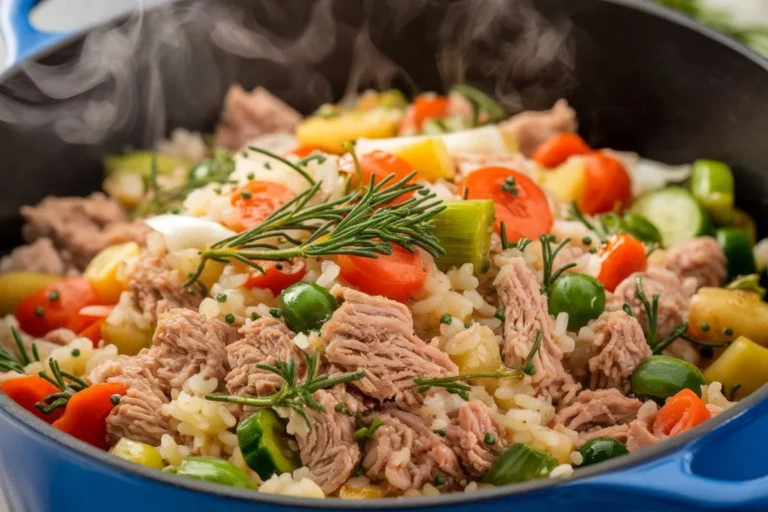
Heat a large skillet over medium heat and add your choice of olive or salmon oil. Add the ground chicken, breaking it apart with a spatula, and cook until it’s no longer pink. The aroma will already make your dog curious!
3. Add the Veggies
Once the chicken is cooked, stir in the chopped carrots, green beans or zucchini, and peas. Let them cook for 5–7 minutes until tender, adding a splash of broth or water if the mixture looks dry. This keeps the veggies soft and digestible while keeping the mixture moist.
4. Optional Egg and Turmeric
If using, push the chicken and veggie mix to one side and scramble the egg in the empty space of the pan. Once cooked, mix it in with the rest of the meal. Add turmeric for its anti-inflammatory benefits and stir everything together thoroughly.
5. Combine with Rice or Quinoa
Fold in the cooled cooked rice or quinoa until everything is well combined. The texture should be moist but not soupy, perfect for your dog to eat comfortably.
6. Add Supplements at Serving
Once the meal has cooled completely, mix in the canine multivitamin/mineral supplement and calcium according to the label directions. Supplements should never be cooked, as heat can destroy essential nutrients.
Storing Your Homemade Dog Food
Refrigerate: Store in airtight containers for 3–4 days.
Freeze: Portion into single servings and freeze for 2–3 months. Be sure to label with the date.
Thawing: Thaw overnight in the fridge. Warm gently until lukewarm, never hot.
Safety Tip: Don’t leave food at room temperature for more than 2 hours.
Proper storage ensures that your dog gets fresh, safe meals every time, and it helps you maintain a stress-free feeding routine.
Benefits of This Recipe
This meal offers multiple advantages:
- Lean Protein: Ground chicken supports muscle maintenance and is easy to digest.
- Digestible Carbs: Rice or quinoa provides energy without weighing your dog down.
- Vitamins and Fiber: Vegetables add essential micronutrients and gentle fiber for digestion.
- Hydration Support: Moisture in the food helps with digestion and urinary health.
- Complete Control: You know exactly what your dog is eating and can avoid fillers or excess sodium.
By preparing your dog’s food yourself, you’re directly contributing to their health, energy, and overall well-being.
Pitfalls to Watch Out For
While this recipe is healthy, there are important considerations:
- Nutritional Balance: Homemade meals need supplements to provide calcium, iodine, zinc, and vitamins D and E.
- Fat Content: Very fatty meat or too much oil can upset the stomach or trigger pancreatitis in sensitive dogs.
- Seasonings: Avoid salt, garlic, onions, or spicy ingredients—they can be dangerous.
- Portioning: Overfeeding can lead to weight gain; measure portions carefully and adjust based on your dog’s activity and body condition.
- Texture: Hard or large veggie chunks can be difficult for small dogs. Chop finely or lightly mash to prevent choking hazards.
Being aware of these factors keeps your dog safe and healthy while enjoying homemade meals.
Alternatives and Swaps
This recipe is flexible and can be adjusted based on preferences or sensitivities:
- Protein: Swap ground chicken for ground turkey, lean beef, or cooked shredded chicken breast.
- Carbs: Use sweet potatoes or oats instead of rice.
- Vegetables: Pumpkin, spinach, or finely chopped broccoli work well.
- Add-Ins: A spoonful of pumpkin puree for fiber or sardines in water once or twice a week for omega-3s.
- Calcium: If not using a complete supplement, add a vet-approved calcium powder.
These swaps allow you to customize your dog’s meals while keeping them balanced and nutritious.
Frequently Asked Questions (FAQ)
How much should I feed my dog?
Most adult dogs eat around 2–3% of their ideal body weight per day. For example, a 25-pound dog might need 8–12 ounces daily, split into two meals. Adjust according to your dog’s activity, age, and body condition, and consult your vet.
Is this a complete and balanced diet?
Not on its own. You need to add a canine multivitamin/mineral supplement and calcium for a near-balanced diet. For long-term feeding, a vet-formulated plan or guidance from a veterinary nutritionist is recommended.
Can I feed this to puppies?
Puppies have higher nutrient needs, particularly calcium and phosphorus. Use recipes formulated for growth or consult your vet before feeding homemade meals.
Can I use brown rice instead of white rice?
Yes, if your dog tolerates it. Brown rice has more fiber, which can be helpful for some dogs but may cause gas or loose stools in others. Introduce it slowly.
What if my dog has a sensitive stomach?
Keep the recipe simple: chicken, white rice, and a small amount of well-cooked carrots. Avoid oils and spices initially, introducing new ingredients gradually.
Can I cook this in an Instant Pot or slow cooker?
Absolutely. Sauté the chicken first, add veggies and a little water or broth, then cook on low for several hours in a slow cooker or use a short pressure-cook cycle in an Instant Pot. Add rice afterward to control texture.
How do I know if the portion size is right?
Monitor your dog’s weight and body condition over a few weeks. You should be able to feel the ribs easily, and a waist should be visible from above. Adjust portions by 10–15% as needed.
Can I add fruits?
Yes, in small amounts. Safe options include blueberries, apples (without seeds), and strawberries. Keep fruit under 10% of the meal to avoid excess sugar.
What oil is best?
Salmon oil is ideal for omega-3s, supporting skin, coat, and joint health. Olive oil can be used sparingly. Follow dosing instructions to prevent digestive upset.
Should I season the food?
No. Dogs don’t need added salt or spices, and some common human seasonings can be toxic.
In Conclusion of Ground Chicken & Veggies Recipe
This ground chicken and veggie dog meal is simple, nutritious, and budget-friendly. With proper supplements and careful portioning, it can form the foundation of a healthy feeding routine. You can tweak it to suit your dog’s preferences and needs, always keeping your vet involved, especially for long-term feeding. Cooking for your dog isn’t just about food—it’s about love, care, and making sure their tail keeps wagging happily.